Contract Termination For Convenience In San Bernardino
Description
Get your form ready online
Our built-in tools help you complete, sign, share, and store your documents in one place.
Make edits, fill in missing information, and update formatting in US Legal Forms—just like you would in MS Word.
Download a copy, print it, send it by email, or mail it via USPS—whatever works best for your next step.
Sign and collect signatures with our SignNow integration. Send to multiple recipients, set reminders, and more. Go Premium to unlock E-Sign.
If this form requires notarization, complete it online through a secure video call—no need to meet a notary in person or wait for an appointment.
We protect your documents and personal data by following strict security and privacy standards.

Make edits, fill in missing information, and update formatting in US Legal Forms—just like you would in MS Word.

Download a copy, print it, send it by email, or mail it via USPS—whatever works best for your next step.

Sign and collect signatures with our SignNow integration. Send to multiple recipients, set reminders, and more. Go Premium to unlock E-Sign.

If this form requires notarization, complete it online through a secure video call—no need to meet a notary in person or wait for an appointment.

We protect your documents and personal data by following strict security and privacy standards.
Looking for another form?








Form popularity
FAQ
Unilateral Right to Terminate Without Cause: Termination for convenience clauses generally allow one party, often the government entity, to terminate the contract without needing to establish fault or breach by the other party.
Termination for Convenience: Some contracts may allow for termination by either party for any reason, commonly referred to as termination for convenience. Survival Clauses: These clauses specify which provisions of the contract continue to be enforceable even after the termination of the agreement.
Parties may agree to include a termination for convenience clause in a contract under the freedom of contract principle. However, in some countries and legal jurisdictions they may be statute law or case law which affects the operation or interpretation of such a clause.
A “termination for convenience” clause states that a property owner may terminate a contractor at its convenience for no reason at all. There does not need to be any breach of contract in place. However, the clauses typically require advance notice (such as 30 days).
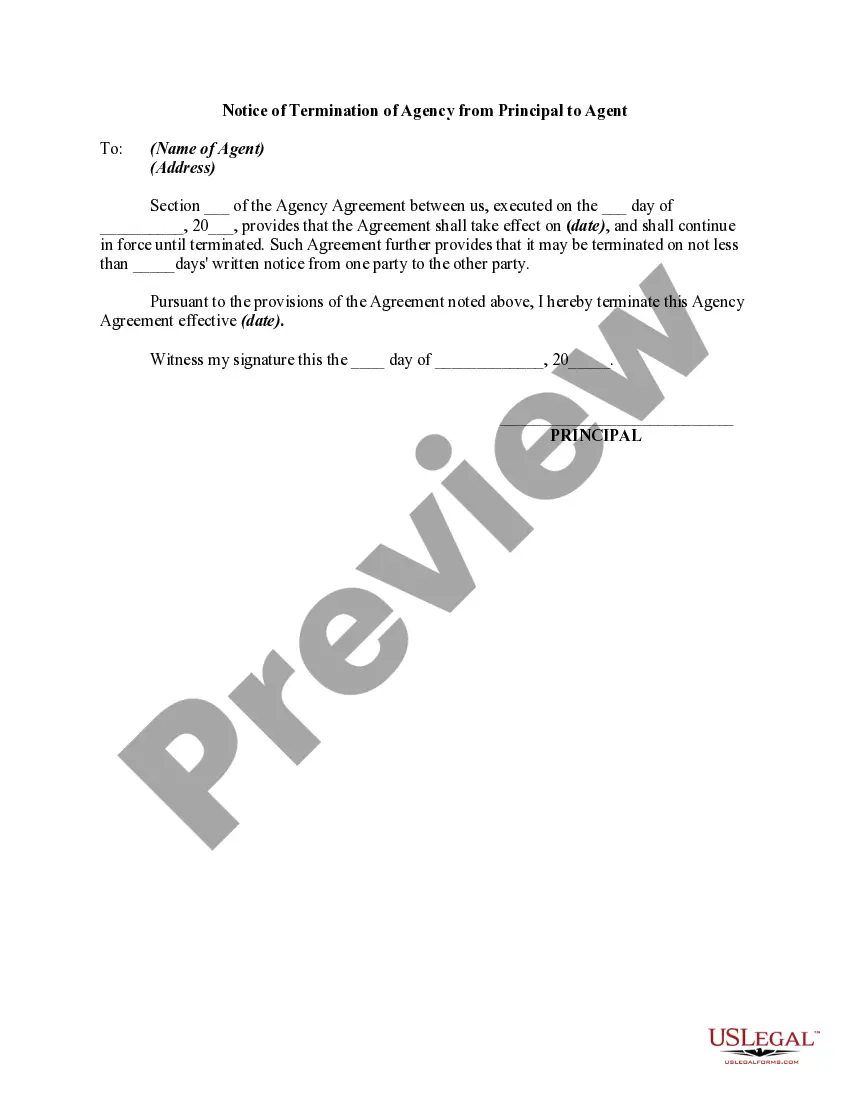
A form notice governed by California law terminating an agreement early for convenience. This notice may be used by a party to unilaterally terminate an agreement for convenience under the terms of that agreement.
Unlike a termination for cause, a termination for convenience occurs without a breach of contract. Basically, one party decides that they've had enough and want to walk away. It's not technically legal, unless the contract gives either party the right to do this, but it does occur in the construction industry.
The answer is additional termination costs and damages. Where a termination for convenience of the government is found to be a breach of the contract due to bad faith or an abuse of discretion, contractors may be able to recover anticipatory profits and consequential damages.
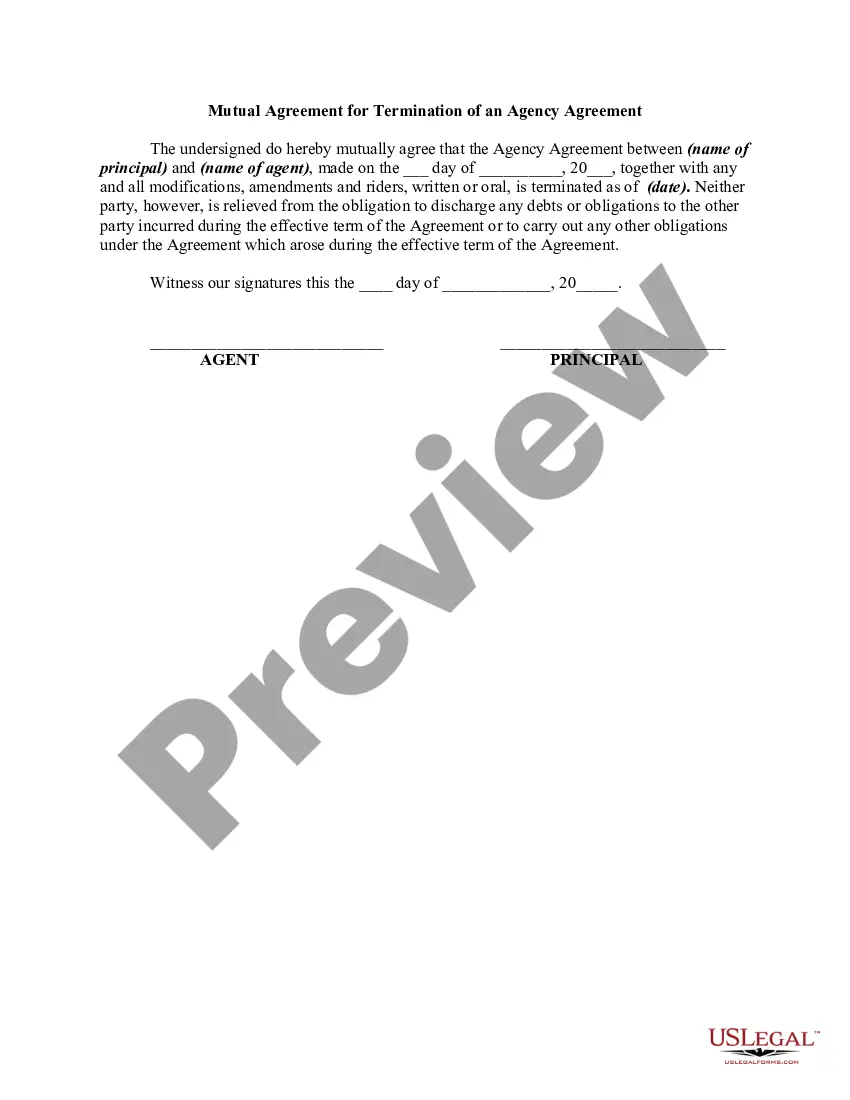
It is always open to parties to agree to variations to their contractual arrangements. That includes terminating it by agreement. Both parties are able to consent to termination of a contract. When they do, the mutual obligations to perform contractual obligations come to an end.
Termination for Convenience. Either party may terminate this Agreement without cause and at any time upon giving 30 days' prior written notice to the other party (each, a termination for "Convenience"). Such termination will be effective on the date stated in the notice.
