Termination Letter Template For Employee In San Antonio
Description
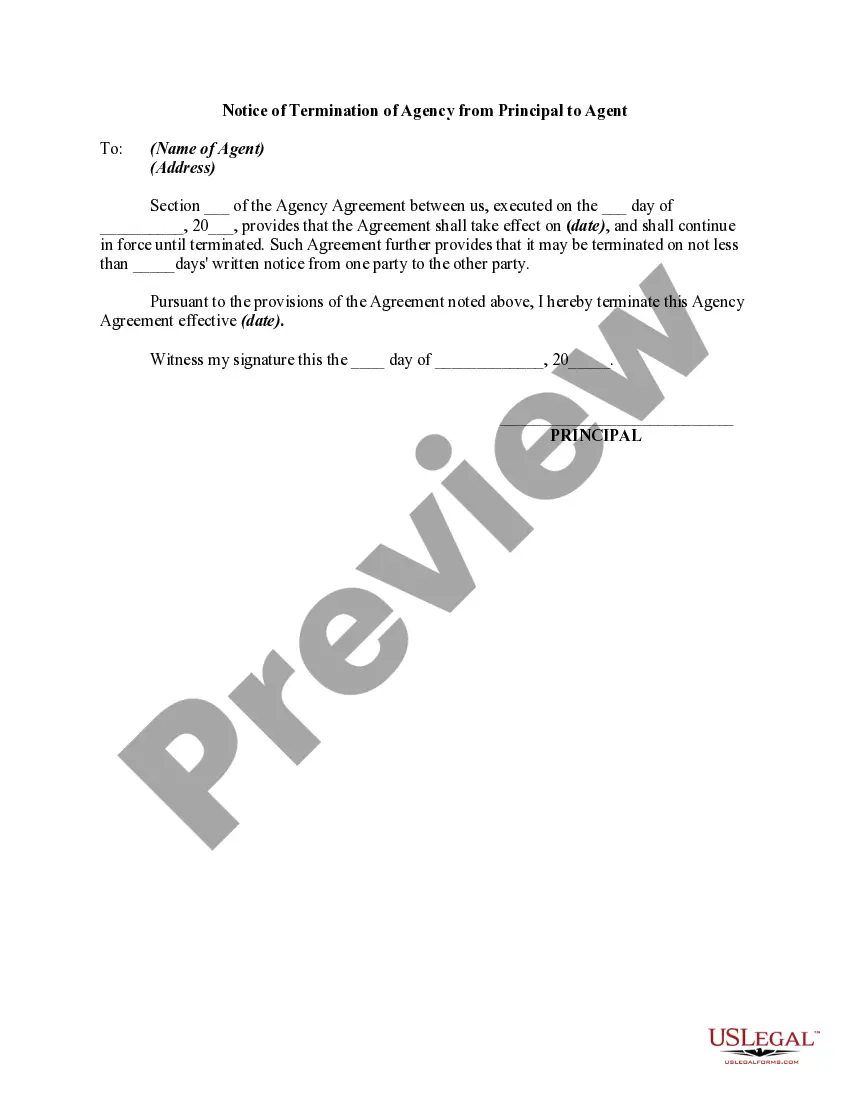
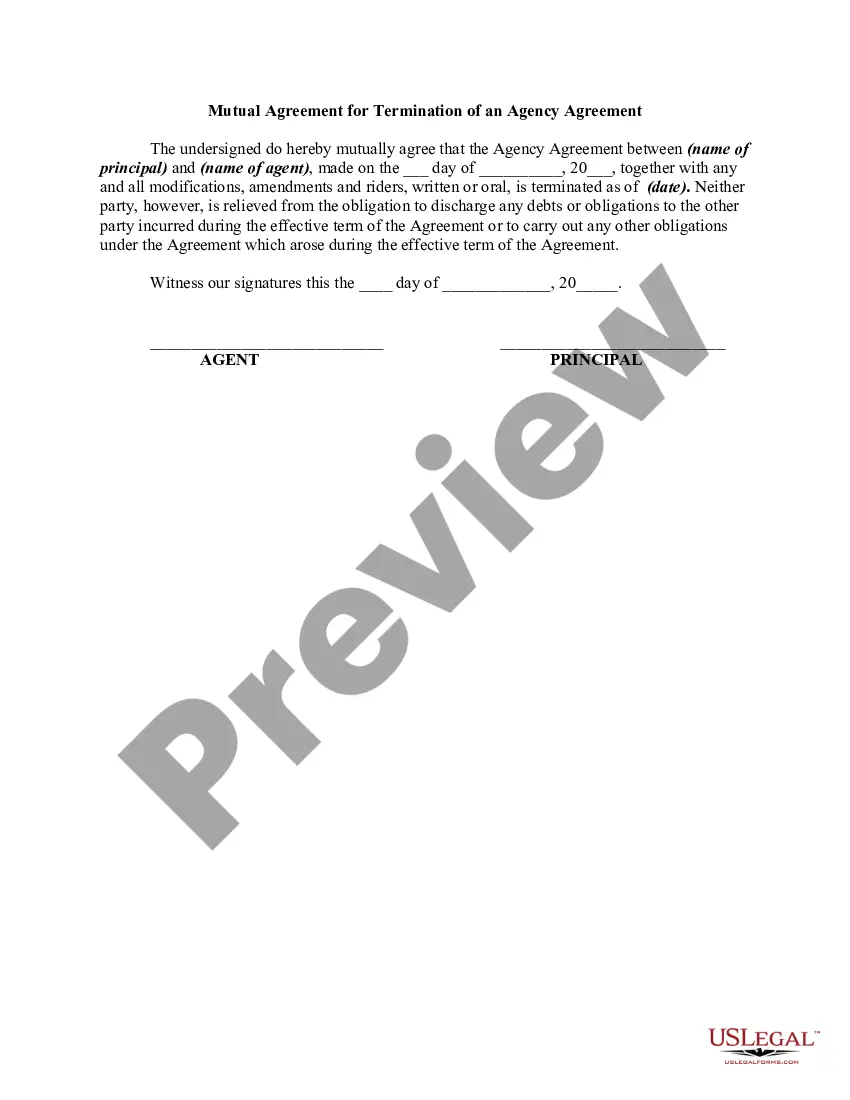
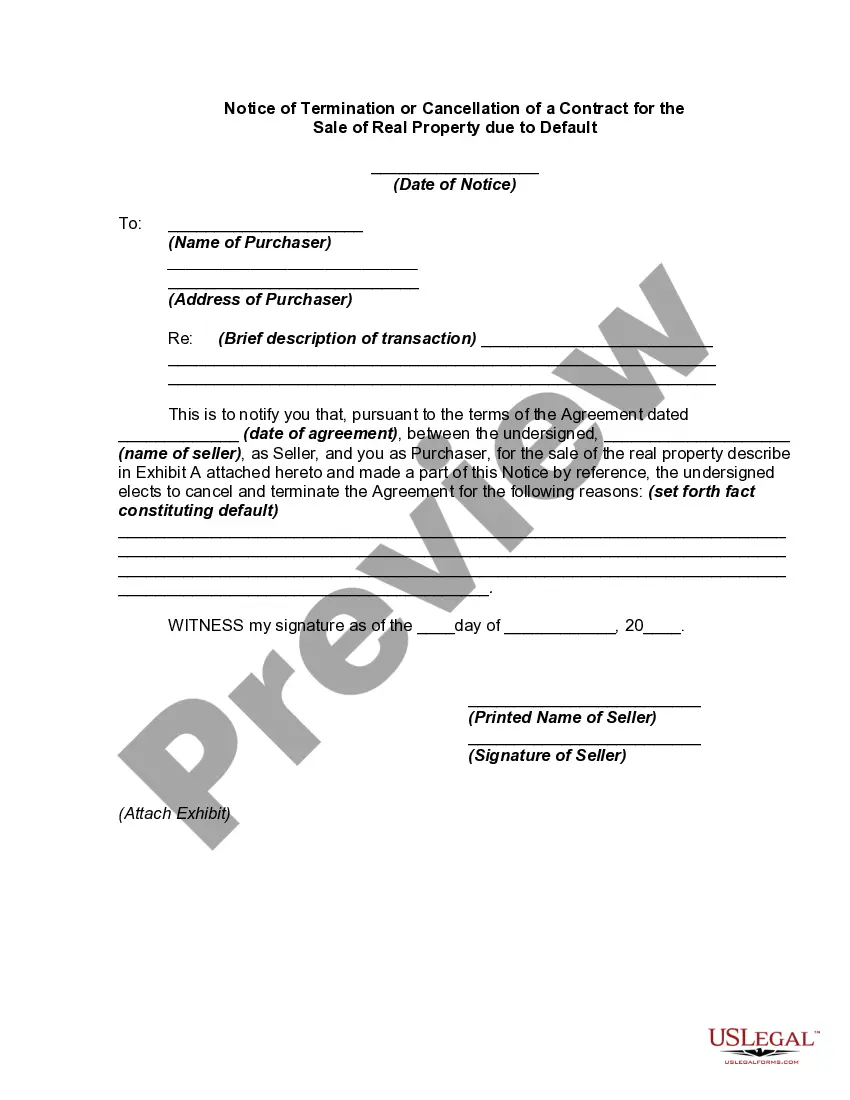

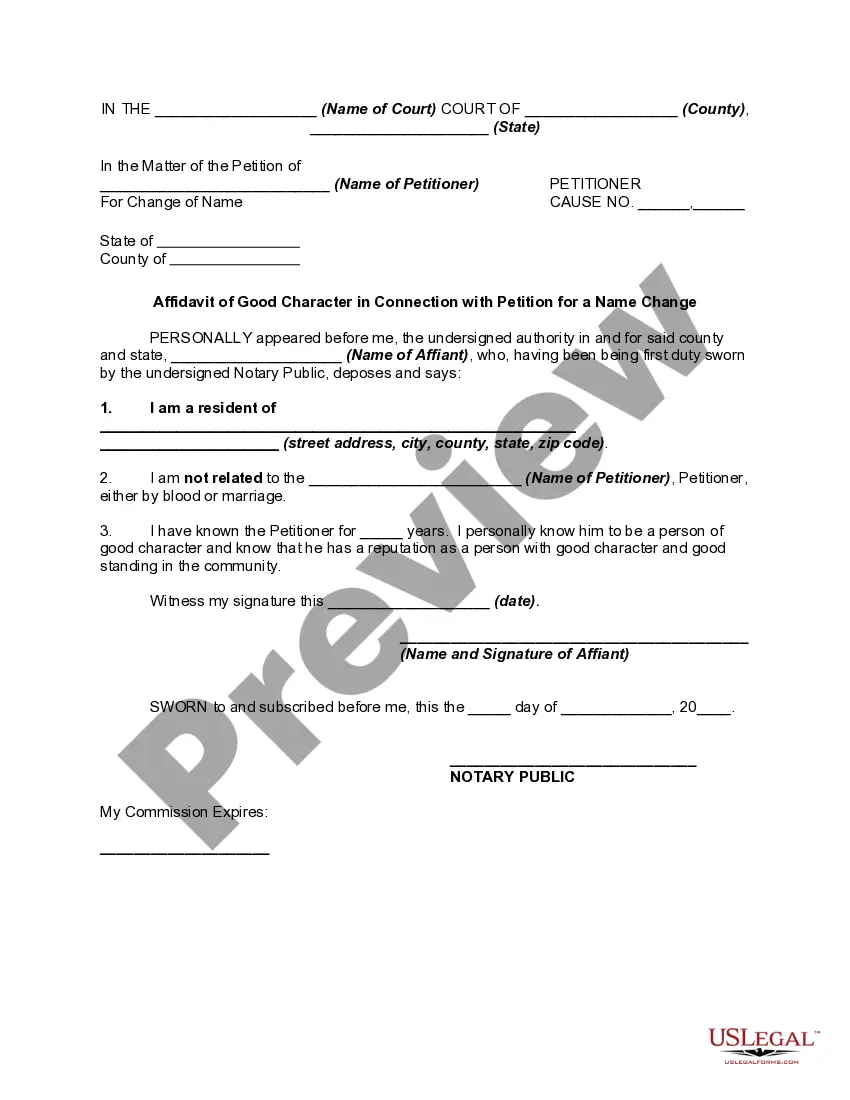
Get your form ready online
Our built-in tools help you complete, sign, share, and store your documents in one place.
Make edits, fill in missing information, and update formatting in US Legal Forms—just like you would in MS Word.
Download a copy, print it, send it by email, or mail it via USPS—whatever works best for your next step.
Sign and collect signatures with our SignNow integration. Send to multiple recipients, set reminders, and more. Go Premium to unlock E-Sign.
If this form requires notarization, complete it online through a secure video call—no need to meet a notary in person or wait for an appointment.
We protect your documents and personal data by following strict security and privacy standards.

Make edits, fill in missing information, and update formatting in US Legal Forms—just like you would in MS Word.

Download a copy, print it, send it by email, or mail it via USPS—whatever works best for your next step.

Sign and collect signatures with our SignNow integration. Send to multiple recipients, set reminders, and more. Go Premium to unlock E-Sign.

If this form requires notarization, complete it online through a secure video call—no need to meet a notary in person or wait for an appointment.

We protect your documents and personal data by following strict security and privacy standards.
Looking for another form?








Form popularity
FAQ
"Pink slip" or work separation notice - optional in most states - not required in Texas (however, giving at least a simple work separation notice can help prevent ex-employees from filing wage claims based upon "work" they allegedly did after your company thought they were gone - see comment 5 under "Work Separations - ...
There's no federal law in the U.S. that says employers must provide a termination letter. This means that, generally, it's up to the employer whether they want to give you one or not. However, some states have their own rules about termination letters.
Unfortunately, termination letters are part of personnel files and are deemed confidential. The actual employee may sign a release for the letter for you.
The six critical pieces of information to include are: The effective date of termination. The reason for dismissal. Compensation and benefits information going forward. Company property that is to be returned. Reminder of signed employment documents. Name and contact information for a human resources representative.
You usually cannot cancel a contract, but there are times when you can. You can cancel some contracts within certain time limits. Some contracts must tell you about your right to cancel, how to cancel them, and where to send the cancellation notice.
Under Section 1089 of the California Unemployment Insurance Code, employers must immediately notify an employee of any change in their employment relationship, such as termination. This written notice, or termination letter, must be given immediately to employees upon layoff, discharge, or termination.
Contact HR or Payroll: If you haven't already, try reaching out to the human resources (HR) department or payroll department of your past employer. They may have procedures in place for issuing termination letters or may be able to assist you in obtaining the letter.
Discharge: If an employee is discharged for reasons such as poor performance, misconduct, or violation of company policies, a termination letter is mandatory. This letter should detail the reasons for the discharge and any supporting evidence or documentation.
Although the federal government does not require employers to provide any sort of written termination notice detailing the reason for termination, there are certain termination-related notifications that employers are required to provide.
This letter confirms our discussion today informing you that your employment with Company Name is terminated effective immediately due to reason for termination. Insert details regarding coaching, warnings and other related documentation. Your final paycheck will be provided to you on date.

