Contract Termination Without Cause In Riverside
Description
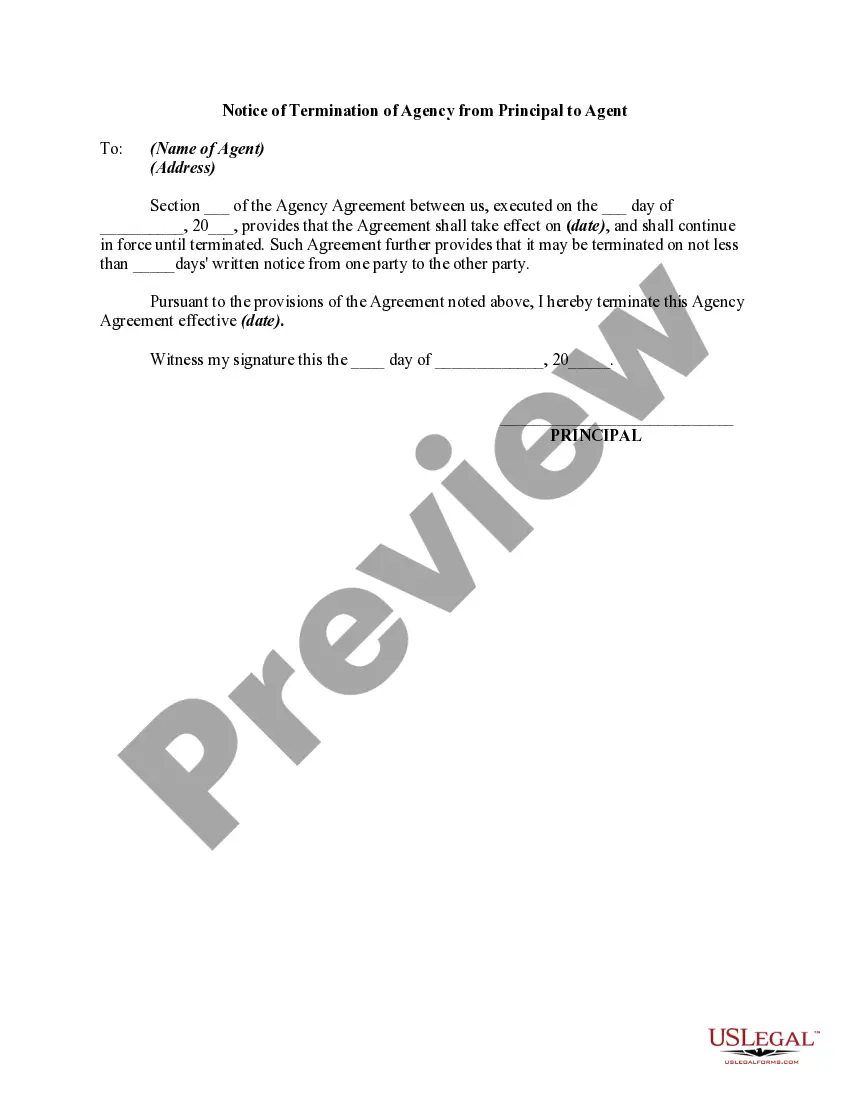
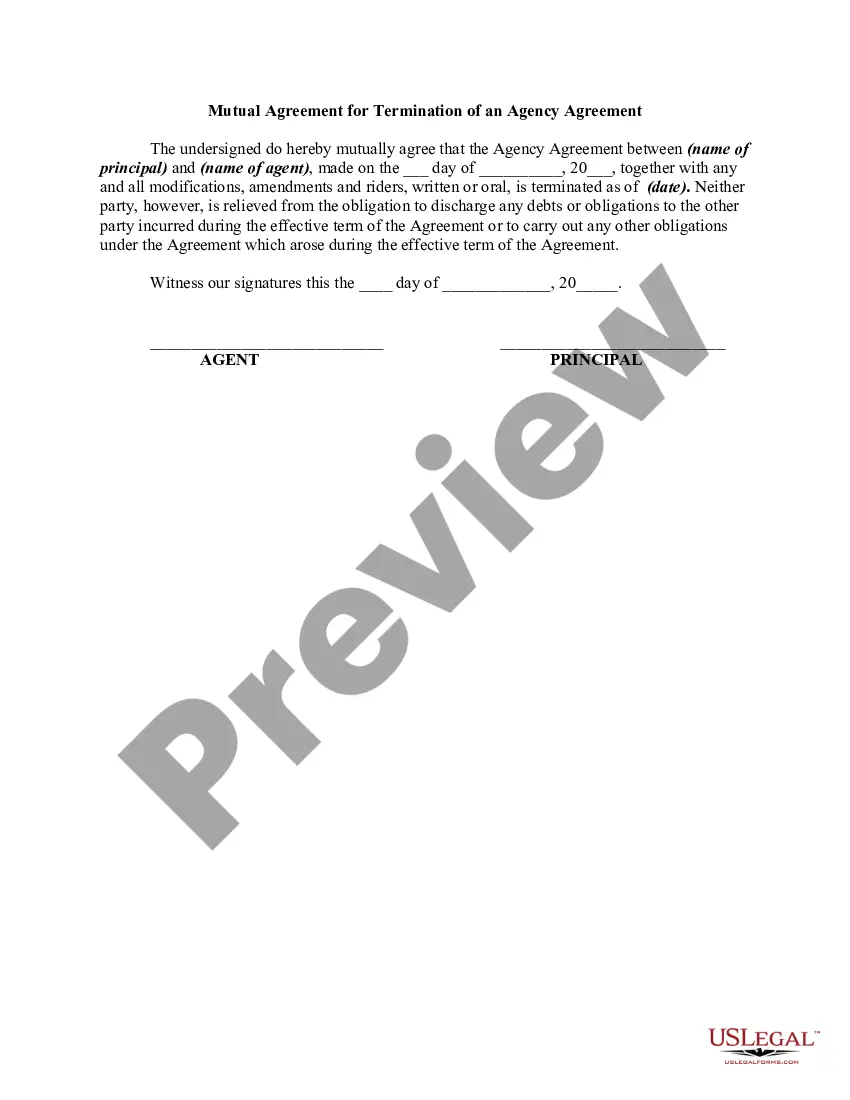
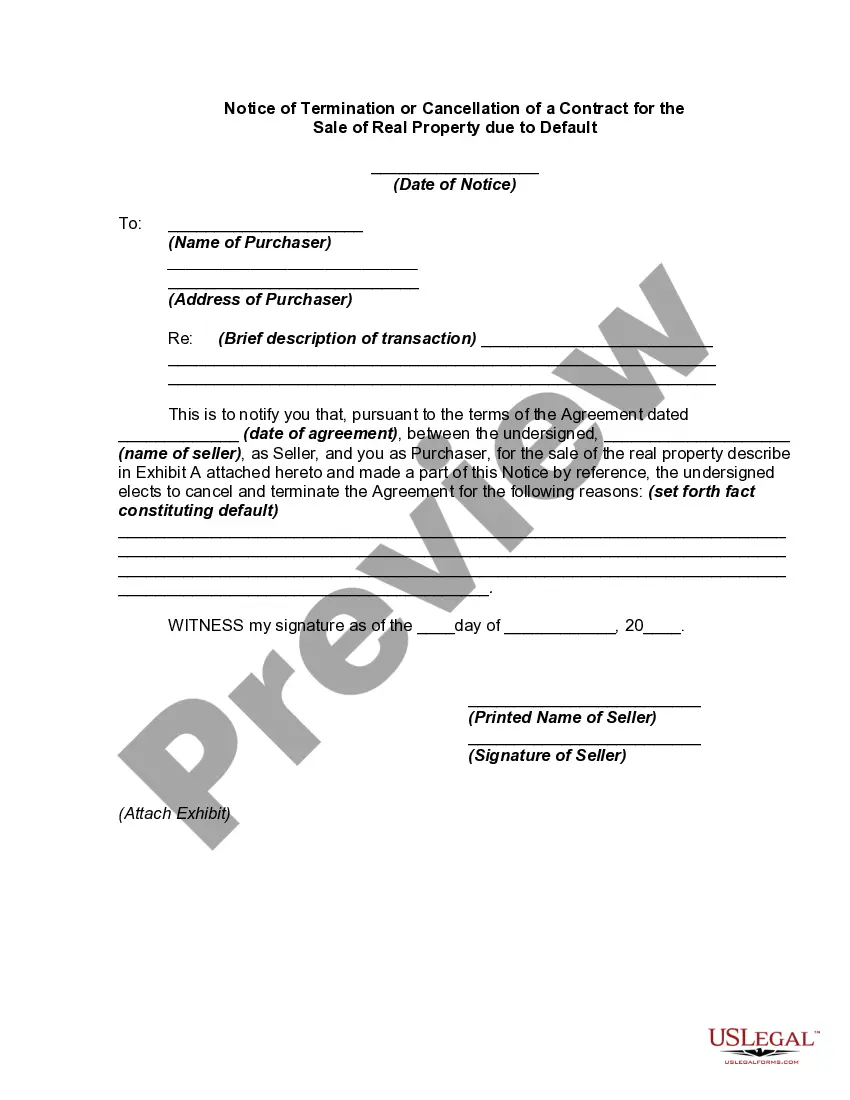

Get your form ready online
Our built-in tools help you complete, sign, share, and store your documents in one place.
Make edits, fill in missing information, and update formatting in US Legal Forms—just like you would in MS Word.
Download a copy, print it, send it by email, or mail it via USPS—whatever works best for your next step.
Sign and collect signatures with our SignNow integration. Send to multiple recipients, set reminders, and more. Go Premium to unlock E-Sign.
If this form requires notarization, complete it online through a secure video call—no need to meet a notary in person or wait for an appointment.
We protect your documents and personal data by following strict security and privacy standards.

Make edits, fill in missing information, and update formatting in US Legal Forms—just like you would in MS Word.

Download a copy, print it, send it by email, or mail it via USPS—whatever works best for your next step.

Sign and collect signatures with our SignNow integration. Send to multiple recipients, set reminders, and more. Go Premium to unlock E-Sign.

If this form requires notarization, complete it online through a secure video call—no need to meet a notary in person or wait for an appointment.

We protect your documents and personal data by following strict security and privacy standards.
Looking for another form?







Form popularity
FAQ
Is California an At-Will State and What Does that Mean? Yes, California is an at-will state. Legally, that means an employer can terminate an employee for any reason and without warning. The opposite is true as well.
A Termination Without Cause clause is a contractual provision that allows one or both parties to terminate the agreement without stating a specific reason or cause, typically upon providing advance written notice and subject to certain conditions or consequences.
When it comes to employment law, a little knowledge can be powerful. California is an at-will state, meaning an employer can terminate you with or without cause.
The type of evidence you will need depends on the type of wrongful termination case you have. Evidence can be in the form of your testimony, witness statements, “me too” victims, documents, communications, and recordings. Evidence of a particular pattern, practice, and policy may also be relevant.
2. Termination at Will. Termination at will lets you end a contract without needing a specific reason—so long as you follow legal and contractual obligations. While most common in employment agreements, it also applies to service contracts, business partnerships, and leases.
Termination for convenience For example, some contracts contain a clause that says that a contract can be terminated at any point so long as the 30-day notice period has been met. This means that parties can end the contract without any cause.
California, in fact, has some of the strictest laws in this regard. In this state, an employee who is fired or laid off is entitled to a final paycheck right away, at the time of the termination. If an employee quits, however, the employer is required to provide the final paycheck within 72 hours.
Understanding termination without cause In Canada, a termination without cause occurs when an employer ends an employee's job without specific reasons related to serious workplace misconduct or insubordination (known as termination “for cause”). It's akin to being laid off or let go without being at fault.
The Company, on recommendation from the Board of Directors of the Company, may terminate the employment of Executive hereunder at any time without "cause" (such termination being hereinafter called a "Termination Without Cause") by giving Executive notice of such termination as described in Section 9.5.
A Termination Without Cause clause is a contractual provision that allows one or both parties to terminate the agreement without stating a specific reason or cause, typically upon providing advance written notice and subject to certain conditions or consequences.
