Cancellation List For Surgery In Phoenix
Description
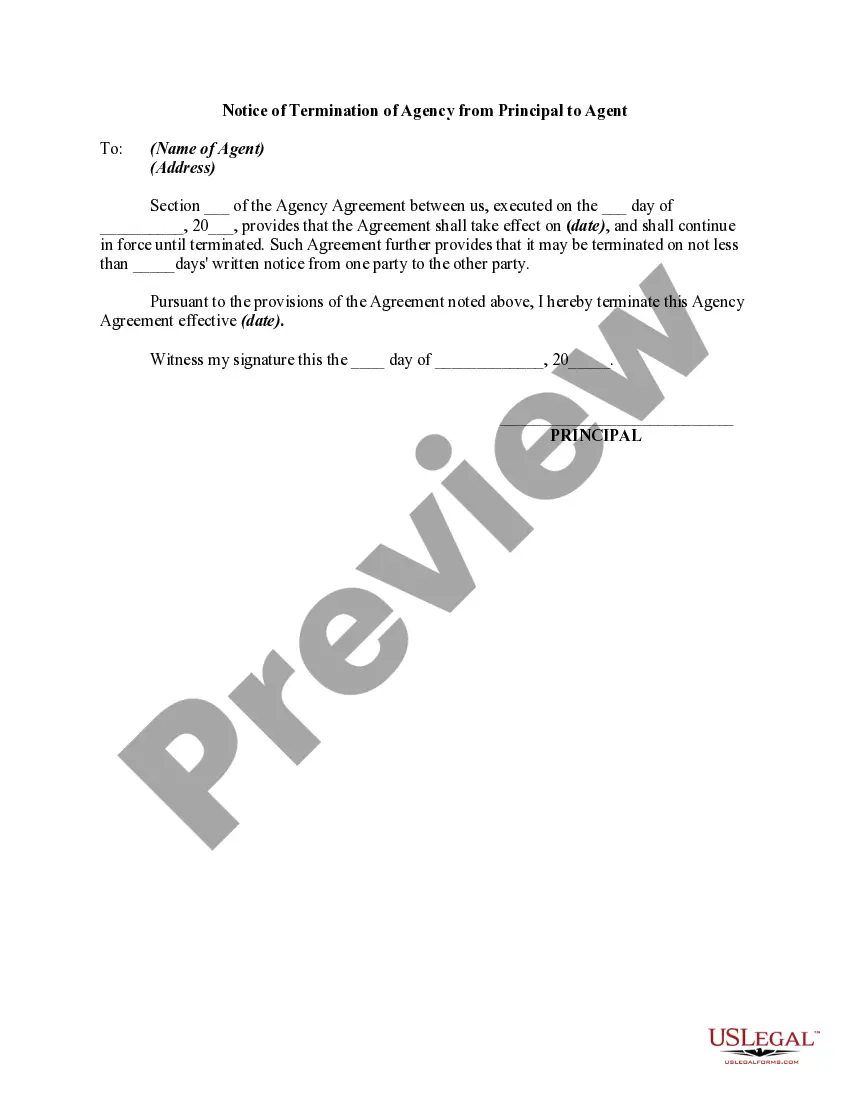
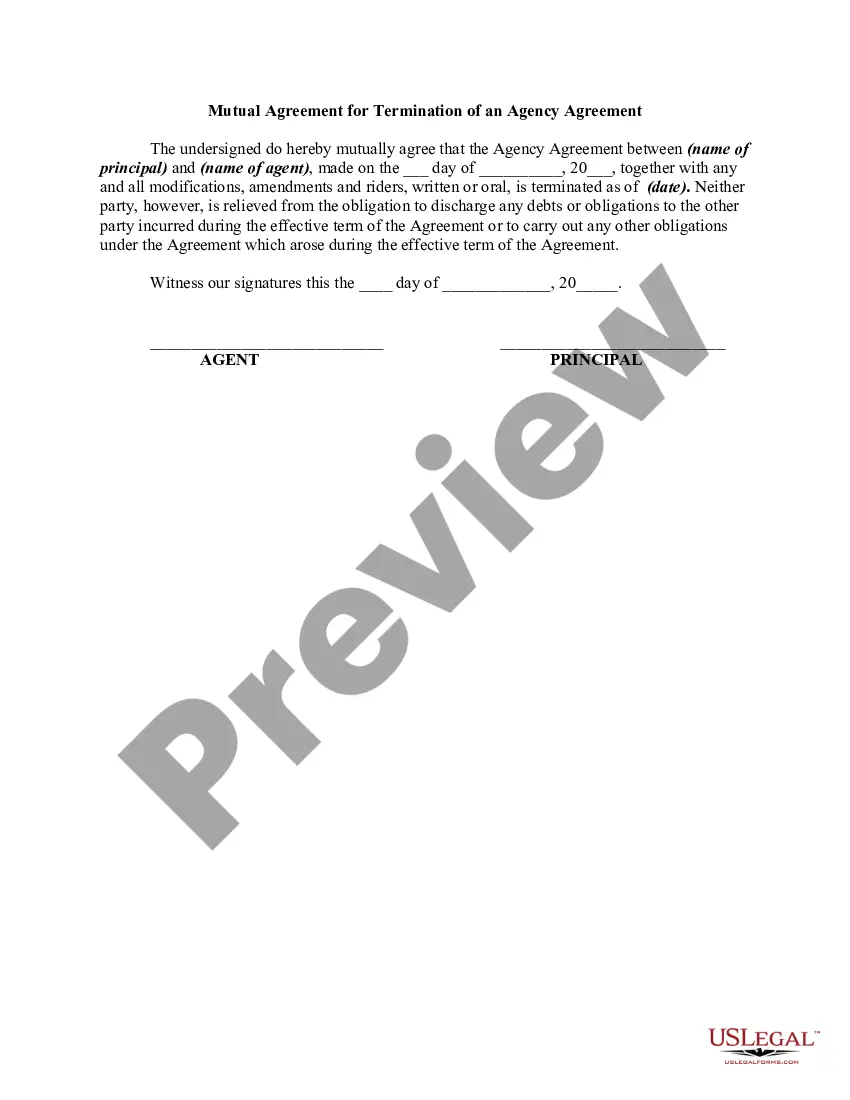
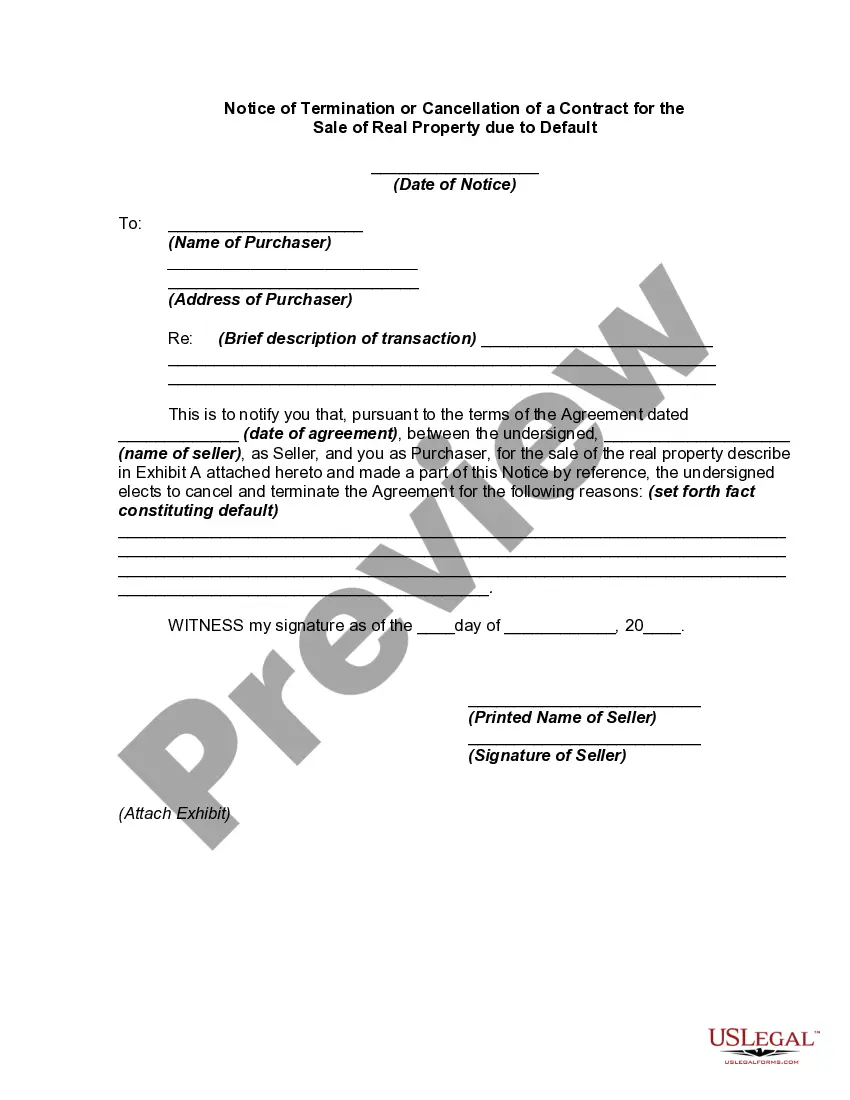
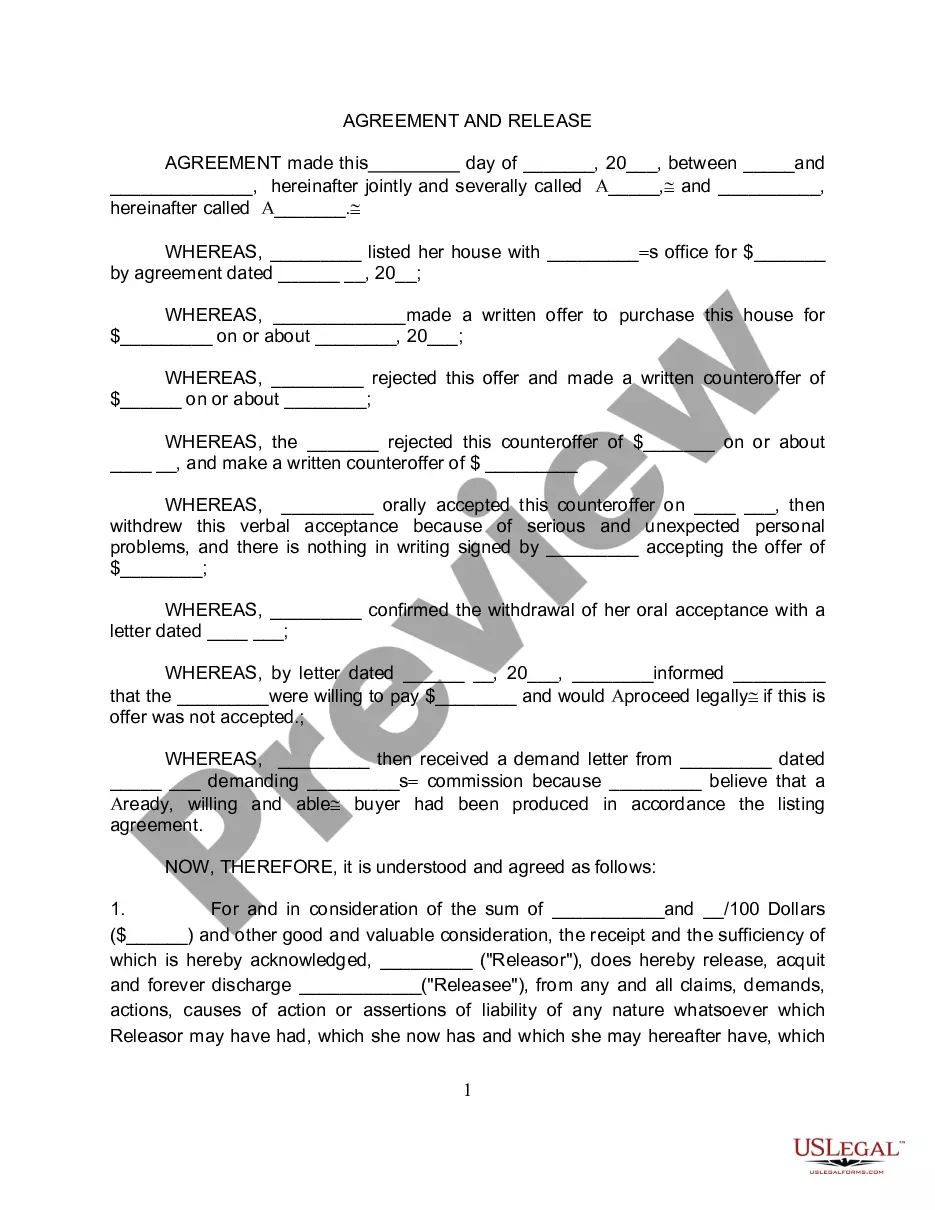
Get your form ready online
Our built-in tools help you complete, sign, share, and store your documents in one place.
Make edits, fill in missing information, and update formatting in US Legal Forms—just like you would in MS Word.
Download a copy, print it, send it by email, or mail it via USPS—whatever works best for your next step.
Sign and collect signatures with our SignNow integration. Send to multiple recipients, set reminders, and more. Go Premium to unlock E-Sign.
If this form requires notarization, complete it online through a secure video call—no need to meet a notary in person or wait for an appointment.
We protect your documents and personal data by following strict security and privacy standards.

Make edits, fill in missing information, and update formatting in US Legal Forms—just like you would in MS Word.

Download a copy, print it, send it by email, or mail it via USPS—whatever works best for your next step.

Sign and collect signatures with our SignNow integration. Send to multiple recipients, set reminders, and more. Go Premium to unlock E-Sign.

If this form requires notarization, complete it online through a secure video call—no need to meet a notary in person or wait for an appointment.

We protect your documents and personal data by following strict security and privacy standards.
Looking for another form?


Form popularity
FAQ
Some of the reasons your surgery maybe cancelled or postponed include: Incomplete or abnormal lab results. Failure to comply with pre-operative instructions. Availability of operating rooms and hospital beds. Physician, patient or family request. Patient illness.
Why would a doctor cancel your surgery at preop? You are sick. (fevers, pneumonia, etc) High blood pressure. Abnormal labs. New information which shows increased risk. Medications which affect bleeding or anesthesia taken too close to surgery.
A raging sore throat with swollen tonsils is certainly a good reason to cancel surgery. Runny nose: If no other symptoms exist, a runny or drippy nose shouldn't interfere with anesthesia or recovery. A sinus infection, whether it's viral or bacterial, will result in postponing surgery.
Some common non-clinical reasons for cancellations by the hospital include: ward beds unavailable; surgeon unavailable; emergency case needing theatre; theatre list over-ran; equipment failure; admin error; anaesthetist unavailable; theatre staff unavailable; and critical care bed unavailable.
Why would a doctor cancel your surgery at preop? You are sick. (fevers, pneumonia, etc) High blood pressure. Abnormal labs. New information which shows increased risk. Medications which affect bleeding or anesthesia taken too close to surgery.
Table 1. Reasons of cancellationCancellation% Lack of operating room time 59.7% Medical Reasons of the patient 10.8% Patient did not turned up 16.2% Change in surgical plan 5.4%2 more rows
Results. Across 11 surgical specialties, 2933 of 20 881 surgeries (14.0%) were cancelled and of these, 2448 (83.5%) were for administrative or structural reasons. Compared with the data collected previously for general, gynecological and urological procedures, cancellation rates increased from 8.1% to 11.8%.
Why would a doctor cancel your surgery at preop? You are sick. (fevers, pneumonia, etc) High blood pressure. Abnormal labs. New information which shows increased risk. Medications which affect bleeding or anesthesia taken too close to surgery.
If the cancellation occurred after the procedure was commenced, and was truly unavoidable, such as the patient developing an arrythmia after anesthesia was induced or the patient developing unrelenting hypotension when the femoral catheter was placed, then it is appropriate to bill the inpatient admission.

