Contract Termination Without Cause In Palm Beach
Description
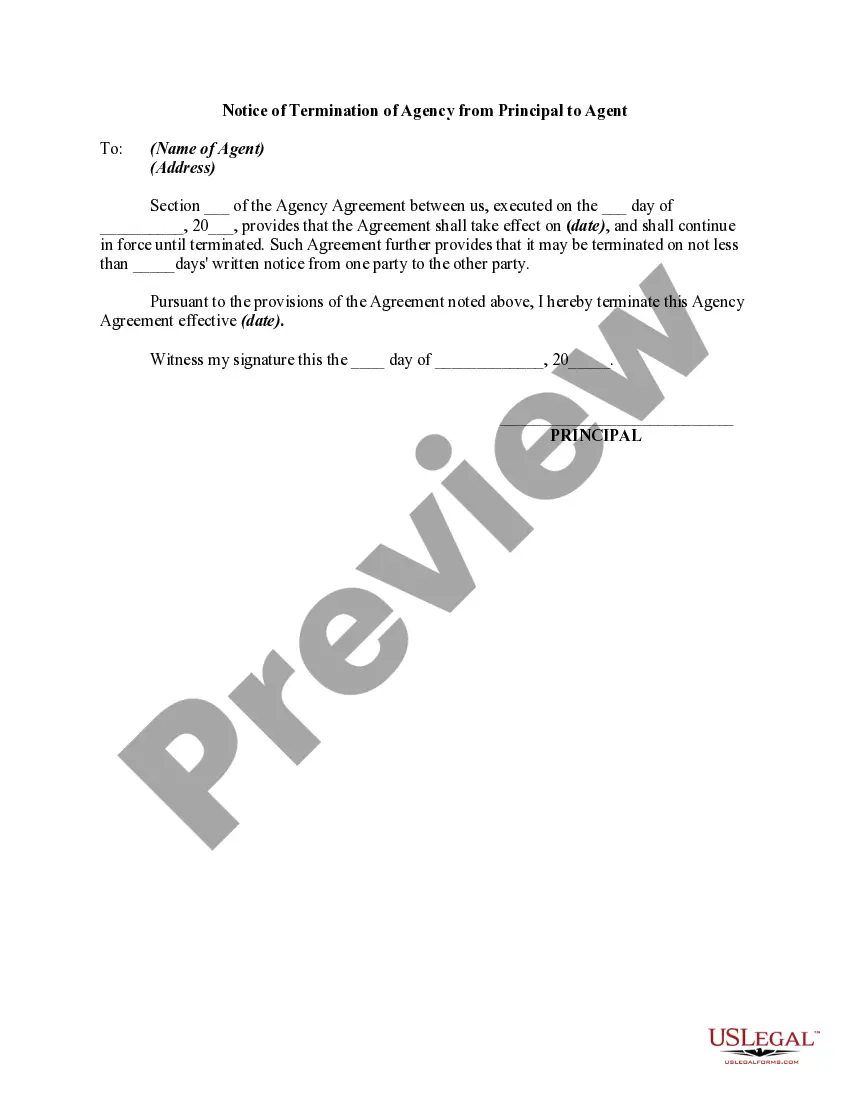
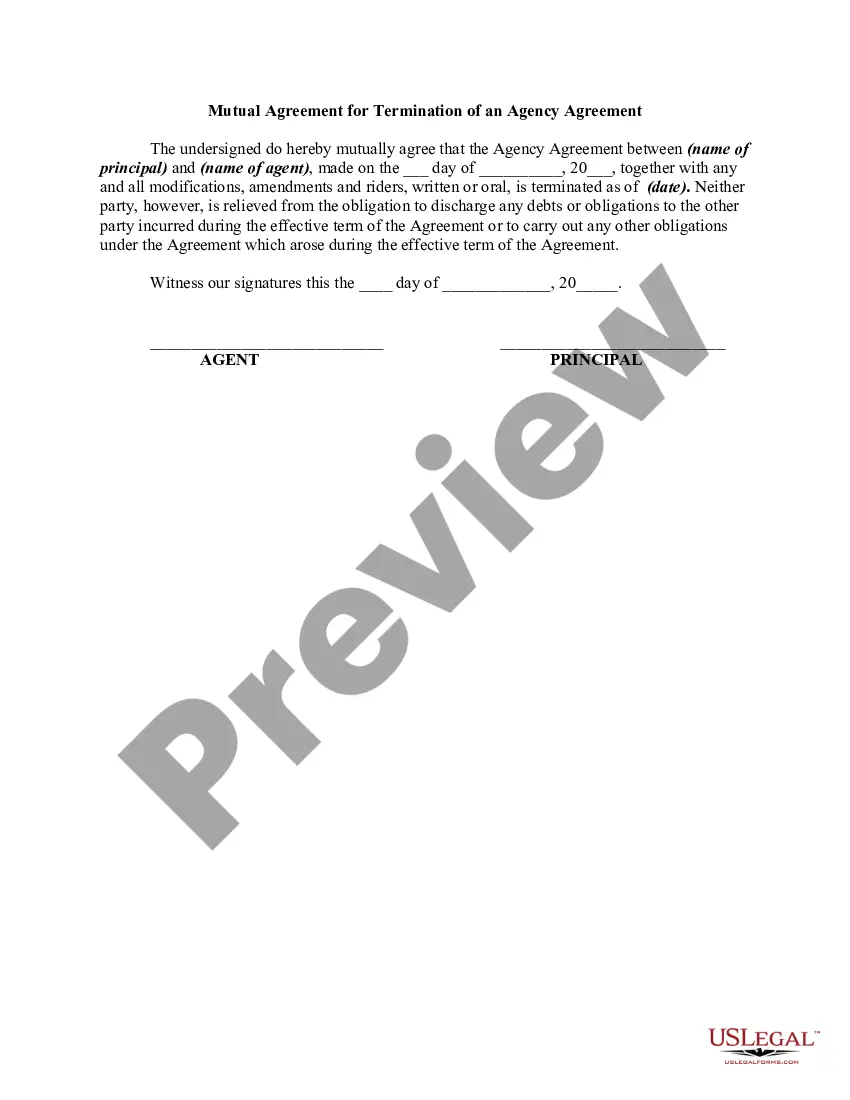
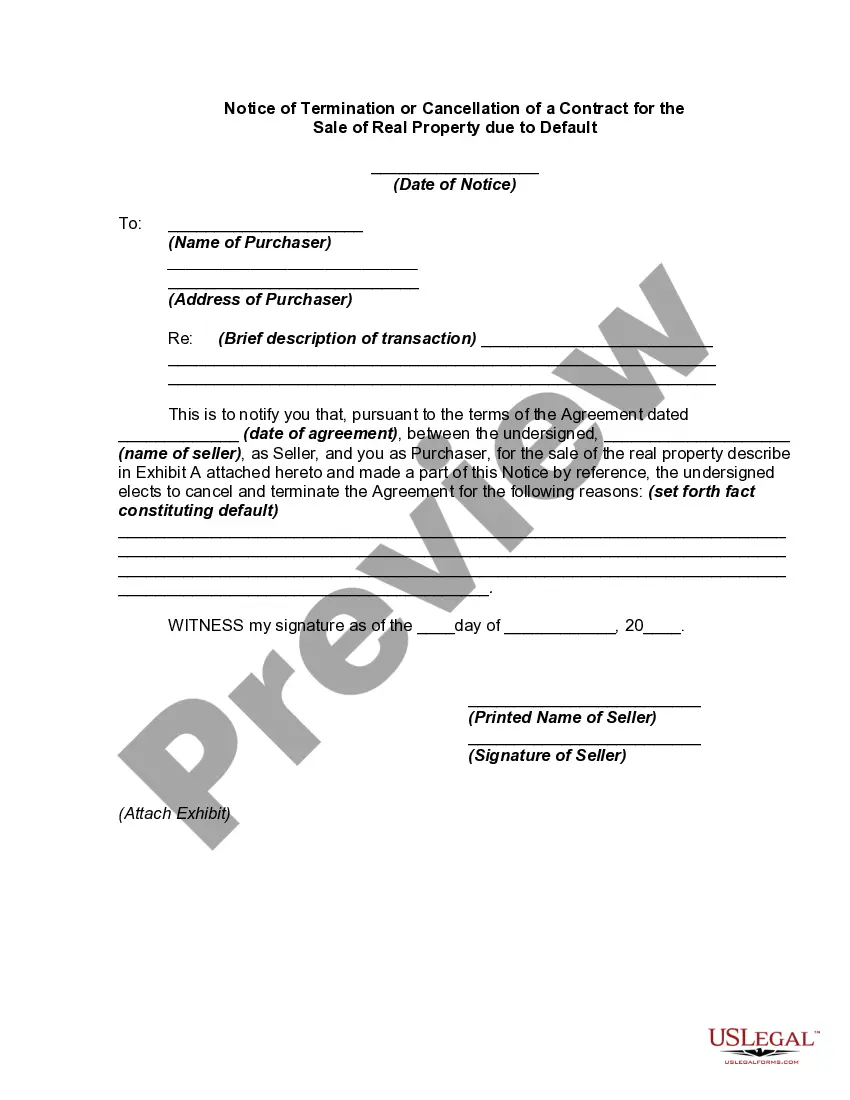
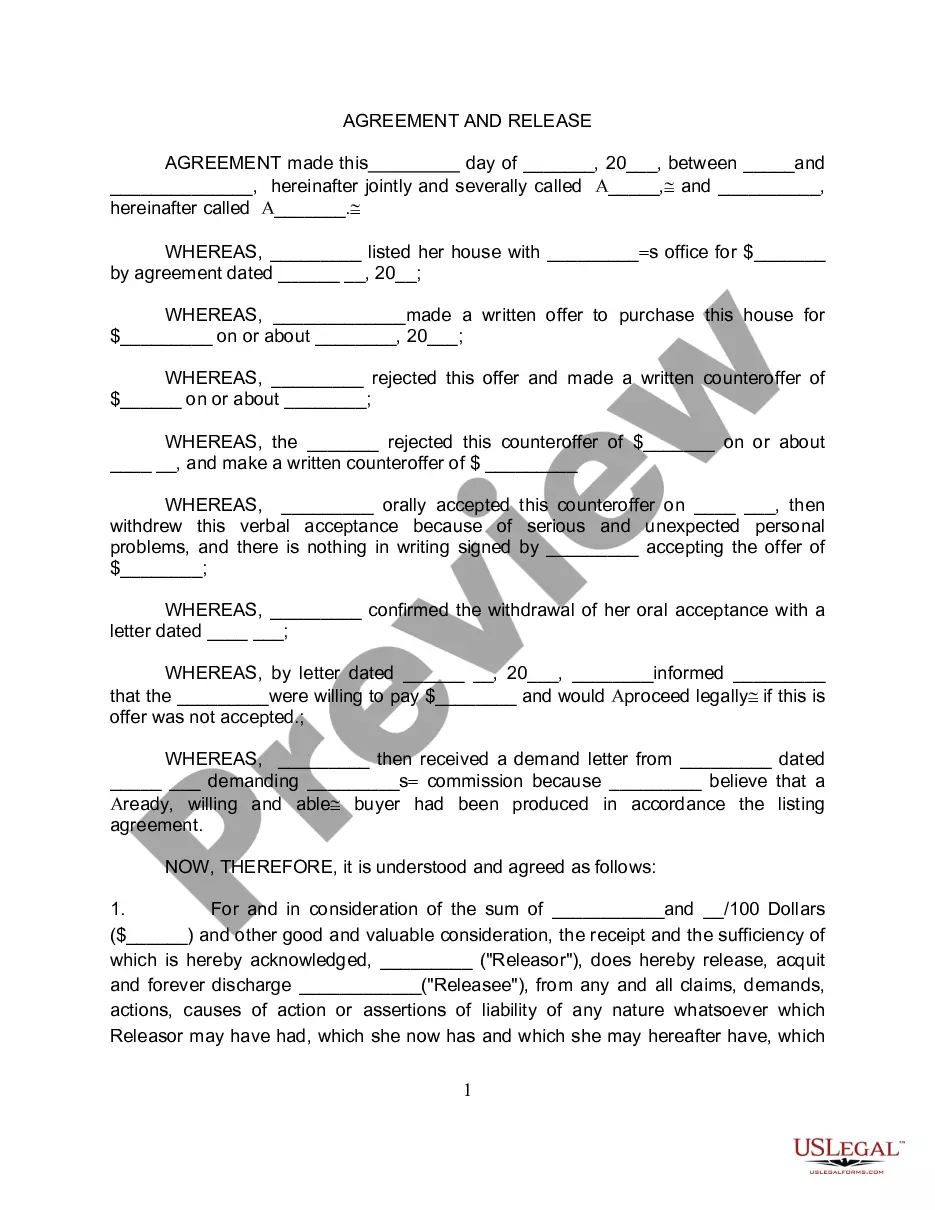
Get your form ready online
Our built-in tools help you complete, sign, share, and store your documents in one place.
Make edits, fill in missing information, and update formatting in US Legal Forms—just like you would in MS Word.
Download a copy, print it, send it by email, or mail it via USPS—whatever works best for your next step.
Sign and collect signatures with our SignNow integration. Send to multiple recipients, set reminders, and more. Go Premium to unlock E-Sign.
If this form requires notarization, complete it online through a secure video call—no need to meet a notary in person or wait for an appointment.
We protect your documents and personal data by following strict security and privacy standards.

Make edits, fill in missing information, and update formatting in US Legal Forms—just like you would in MS Word.

Download a copy, print it, send it by email, or mail it via USPS—whatever works best for your next step.

Sign and collect signatures with our SignNow integration. Send to multiple recipients, set reminders, and more. Go Premium to unlock E-Sign.

If this form requires notarization, complete it online through a secure video call—no need to meet a notary in person or wait for an appointment.

We protect your documents and personal data by following strict security and privacy standards.
Looking for another form?







Form popularity
FAQ
In Florida, which is an at-will employment state, an employer can fire you for any reason or no reason at all, as long as it's not illegal (e.g., discrimination).
First, contact HR and explain the situation. Then either hire a lawyer or report the firing to your local office of the state's labor board or employment commission. Have all the information with you when you do. The employment commission may be able to remove the firing status. Then go out and find another job.
Florida is an at-will state, which means an employer may fire, demote, hire, promote and discipline employees for pretty much any reason, or no reason at all. The only way to change that is to urge your state legislators to pass more protections for employees. That doesn't mean there are no protections for employees.
Gather evidence—collect any documentation, emails, performance evaluations, or other relevant records supporting your wrongful termination claim. Consult with an employment attorney—schedule a consultation with an experienced employment attorney specializing in California wrongful termination cases.
California Is an “At-Will” State California obeys “at-will” employment laws. This means that all employers have the right to terminate employees at will, for almost any reason, or for no reason at all.
Yes, California is an at-will state. Legally, that means an employer can terminate an employee for any reason and without warning. The opposite is true as well. Any employee can quit without giving notice and for any reason.
Is California an At-Will State and What Does that Mean? Yes, California is an at-will state. Legally, that means an employer can terminate an employee for any reason and without warning. The opposite is true as well.
In Ontario, termination “without cause” generally refers to situations where an employee is let go due to reasons unrelated to misconduct, such as business restructuring or downsizing. On the other hand, termination “for cause” occurs when an employee is dismissed due to serious misconduct such as theft or harassment.
California has specific laws when it comes to employment and wrongful termination. It follows a system of “at-will” employment, which means that there is no legal requirement for your employer to give you a specific reason when terminating you.

