Termination Contract For Breach In Oakland
Description
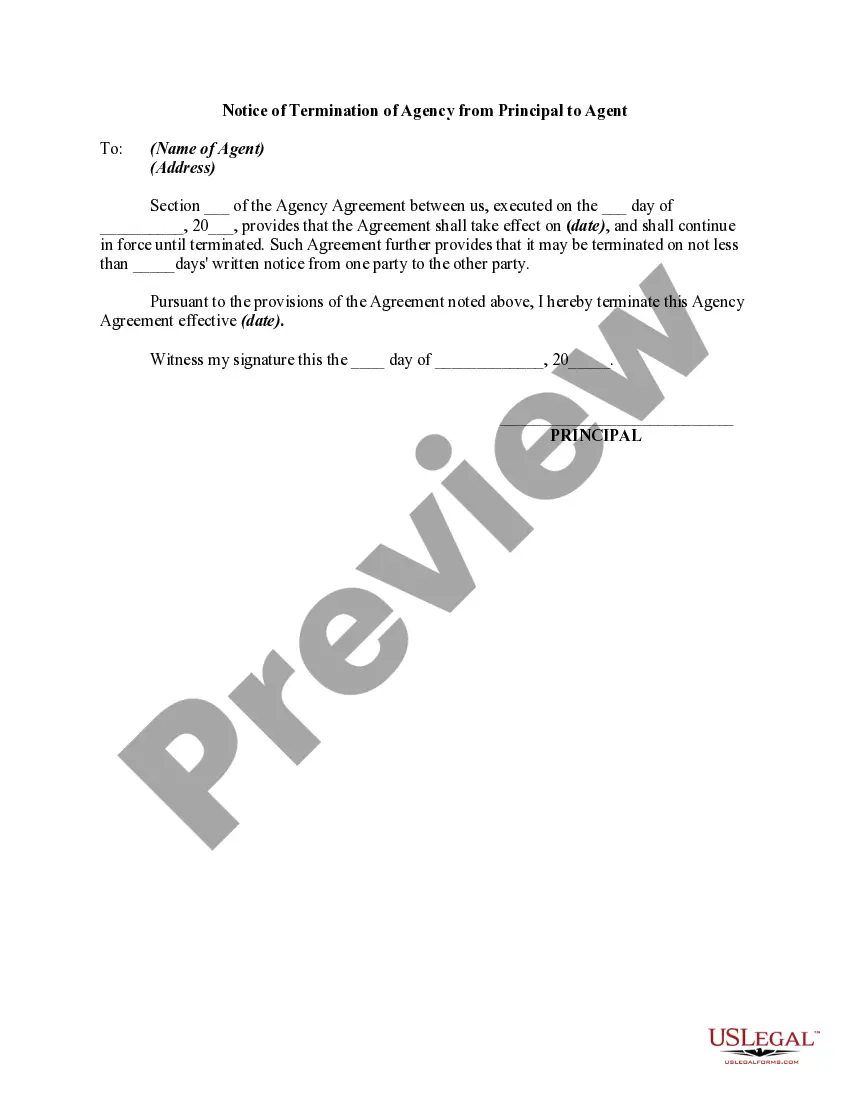
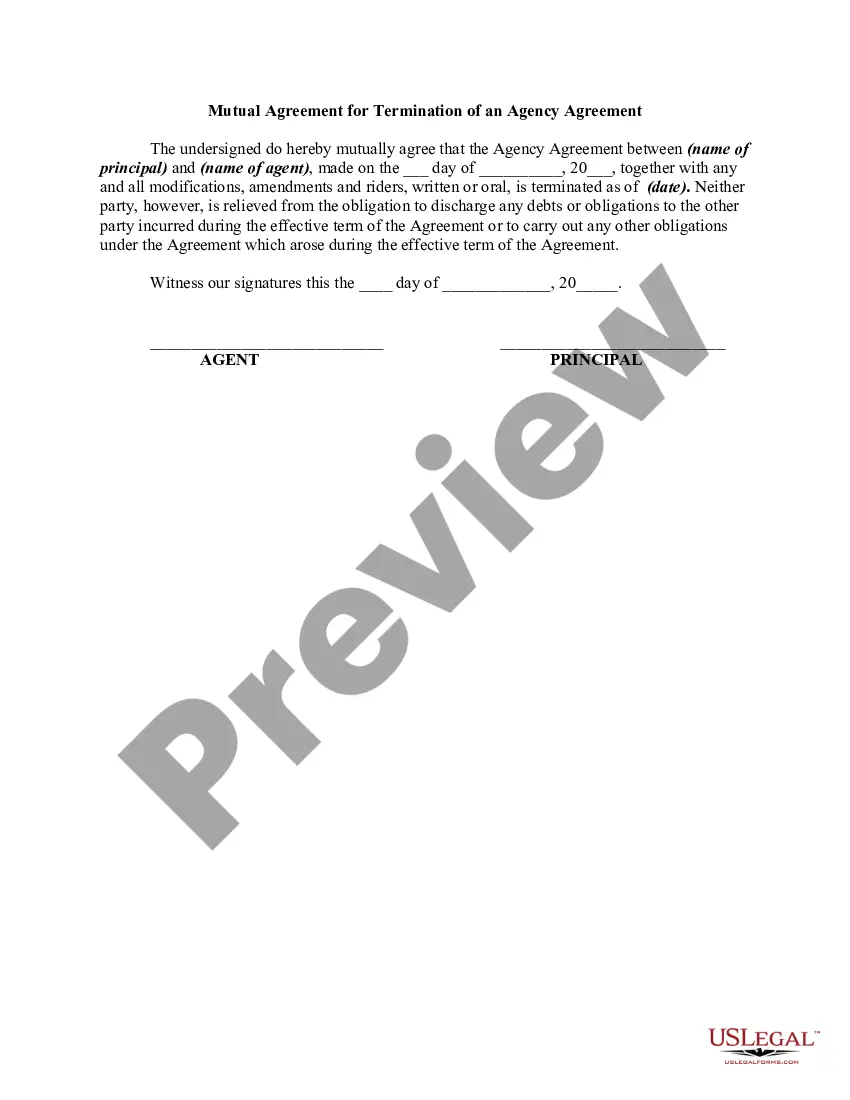
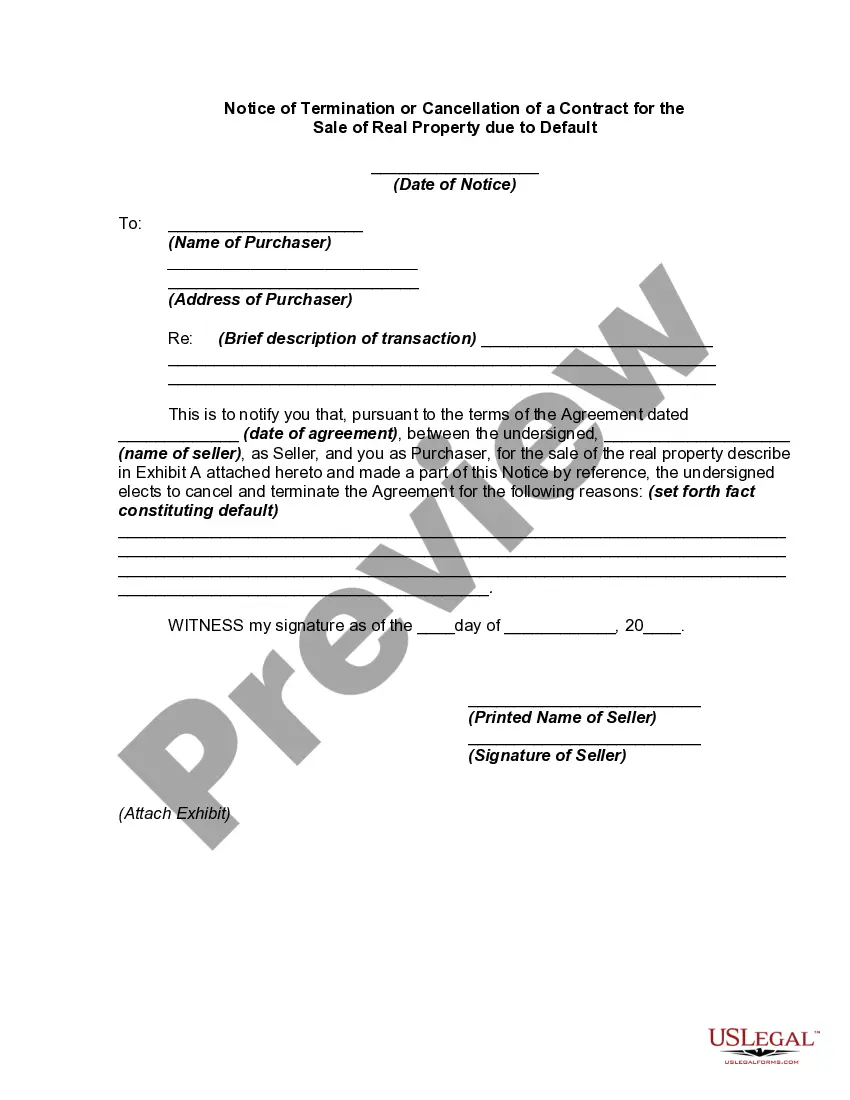

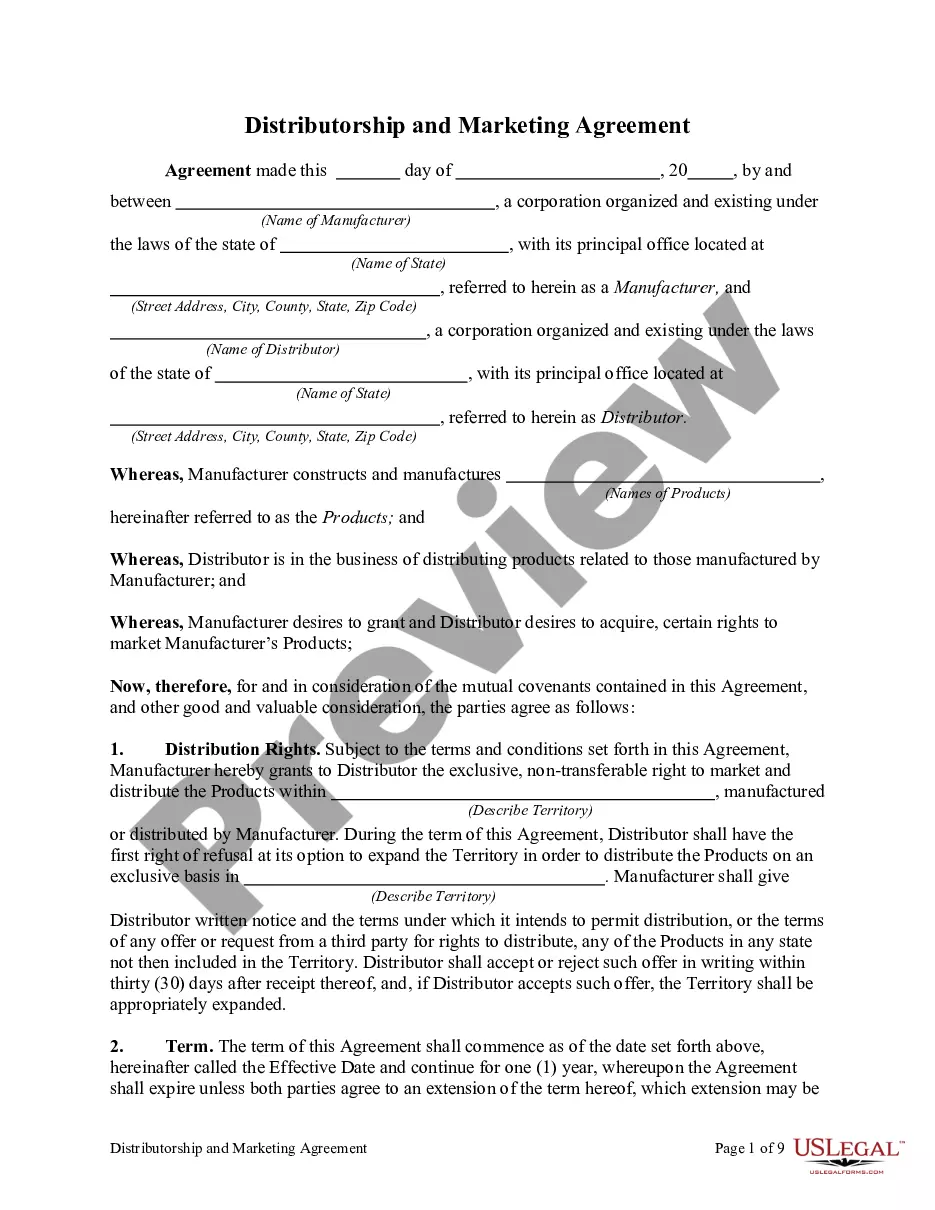
Get your form ready online
Our built-in tools help you complete, sign, share, and store your documents in one place.
Make edits, fill in missing information, and update formatting in US Legal Forms—just like you would in MS Word.
Download a copy, print it, send it by email, or mail it via USPS—whatever works best for your next step.
Sign and collect signatures with our SignNow integration. Send to multiple recipients, set reminders, and more. Go Premium to unlock E-Sign.
If this form requires notarization, complete it online through a secure video call—no need to meet a notary in person or wait for an appointment.
We protect your documents and personal data by following strict security and privacy standards.

Make edits, fill in missing information, and update formatting in US Legal Forms—just like you would in MS Word.

Download a copy, print it, send it by email, or mail it via USPS—whatever works best for your next step.

Sign and collect signatures with our SignNow integration. Send to multiple recipients, set reminders, and more. Go Premium to unlock E-Sign.

If this form requires notarization, complete it online through a secure video call—no need to meet a notary in person or wait for an appointment.

We protect your documents and personal data by following strict security and privacy standards.
Looking for another form?





Form popularity
FAQ
In general, a breach of contract is a legal reason to fire you but it's not always so straightforward. You could have a case if your employer acted in bad faith or violated the law when it fired you. This article explains wrongful termination in breach of contract cases.
1) Breach of Contract A common ground of wrongful termination lawsuits in California is that the firing breached the employment contract. It is not necessary that there be a written contract.
If one party can show that a valid contract has been breached and that they have suffered loss as a result, they will be entitled to a remedy. If the matter cannot be settled by mediation, then the court can be asked to make a decision. There are three different courses of action available to the court.
If an employer fires someone in a way that breaks the contract's terms, it's considered wrongful termination. This could be because they didn't follow the right process, fired someone for a reason not allowed in the contract, or didn't respect the implied promise of job security based on the company's usual practices.
The obligations under the contract continue to be binding. When the breach of contract is a serious breach or a breach of an essential term, the other party will have a right to terminate the contract or keep the contract going.
If one party neglects to fulfill the obligations outlined in the document, the non-breaching party may elect to terminate the contract. This may occur because the breaching party was unable to fulfill their responsibilities, or they did not fulfill them to the standard outlined and expected by their contract.
A breach of contract occurs when a participating party is unable or unwilling to meet the terms of the contract. Under these circumstances, the non-breaching party may choose to initiate a termination of contract, thereby releasing themselves from the contractual obligations to the breaching party.
If your business is facing a breach of contract claim, several options are available to try to resolve the disagreement. Examine the Terms of the Contract. Communicate with the Other Party. Consider Renegotiating the Terms of the Agreement. Identify the Other Party's Non-Performance. Contact a Breach of Contract Lawyer.
You need to sue the person or business who signed or entered into and then breached the contract. Generally, someone cannot sue a third party they do not have a contract with.
You can file a lawsuit to recover your damages. You begin by filing a complaint in the appropriate civil court. A complaint is a technical legal document that describes the problem and explains the case to the judge and the other party. The complaint must then be served, i.e., delivered to the defendant.

