Terminated Contract With In Oakland
Description
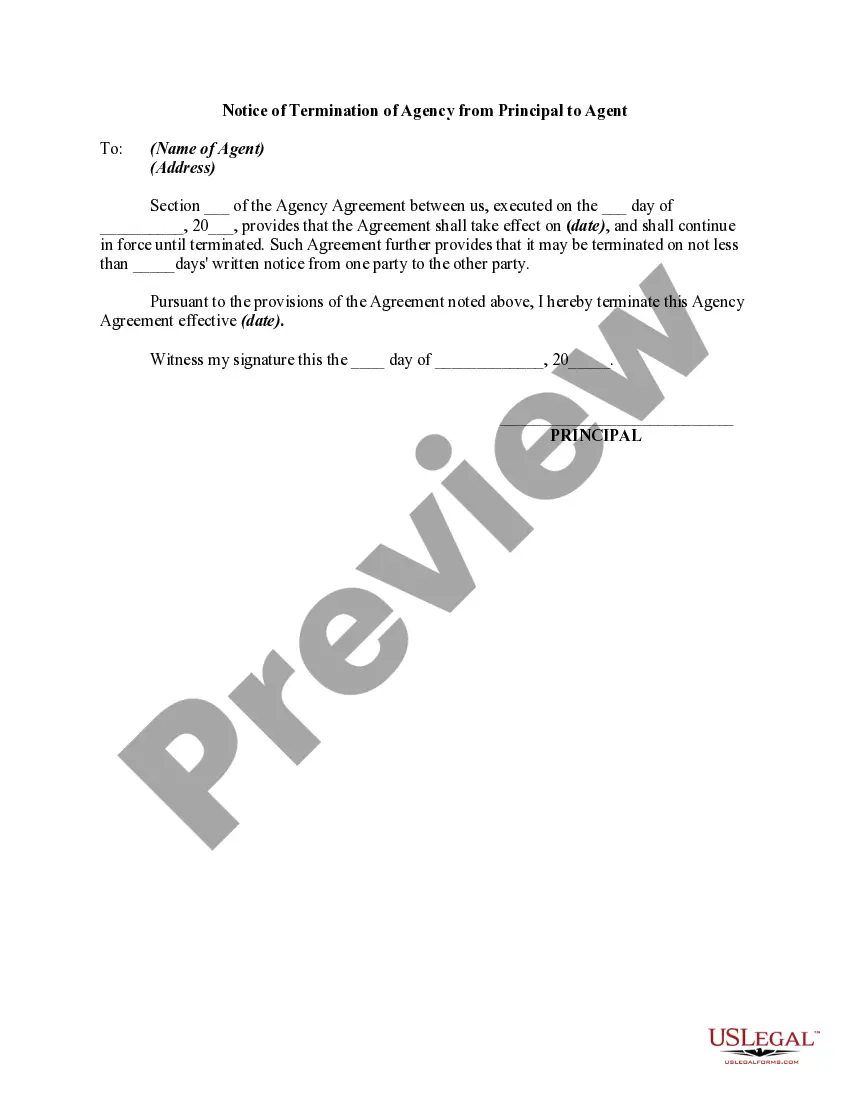
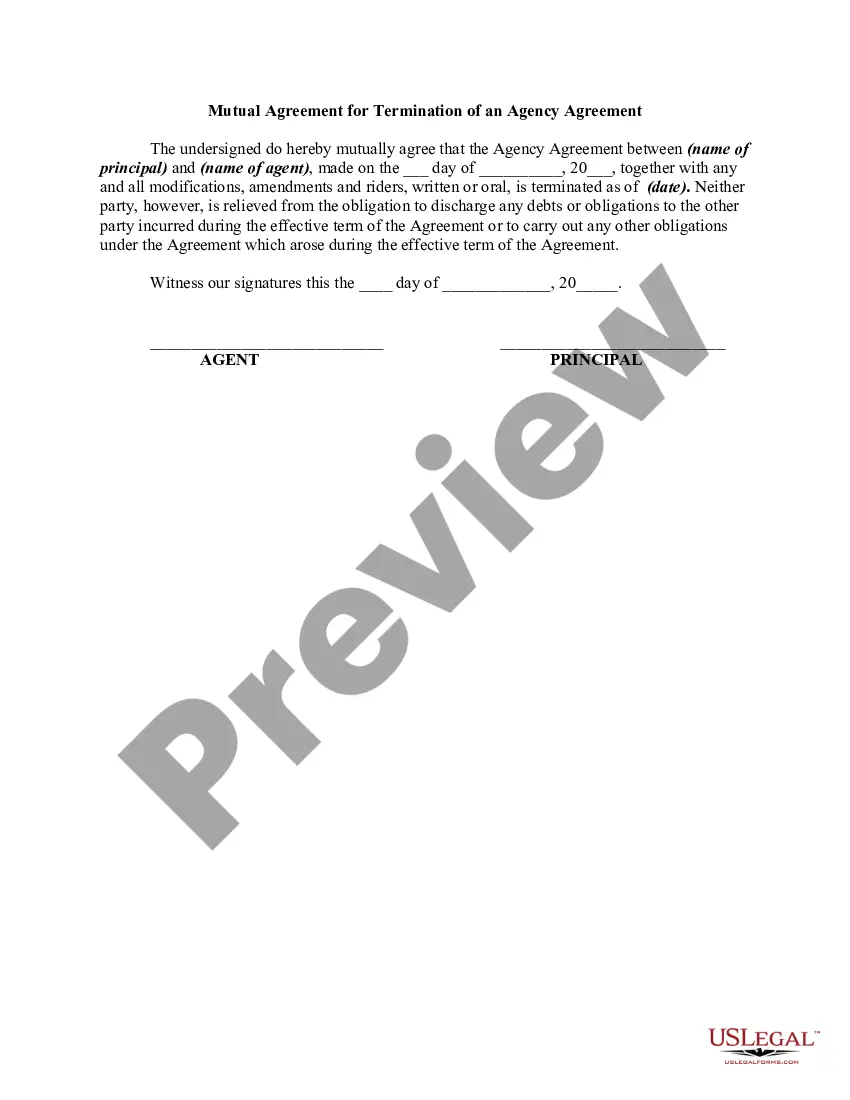
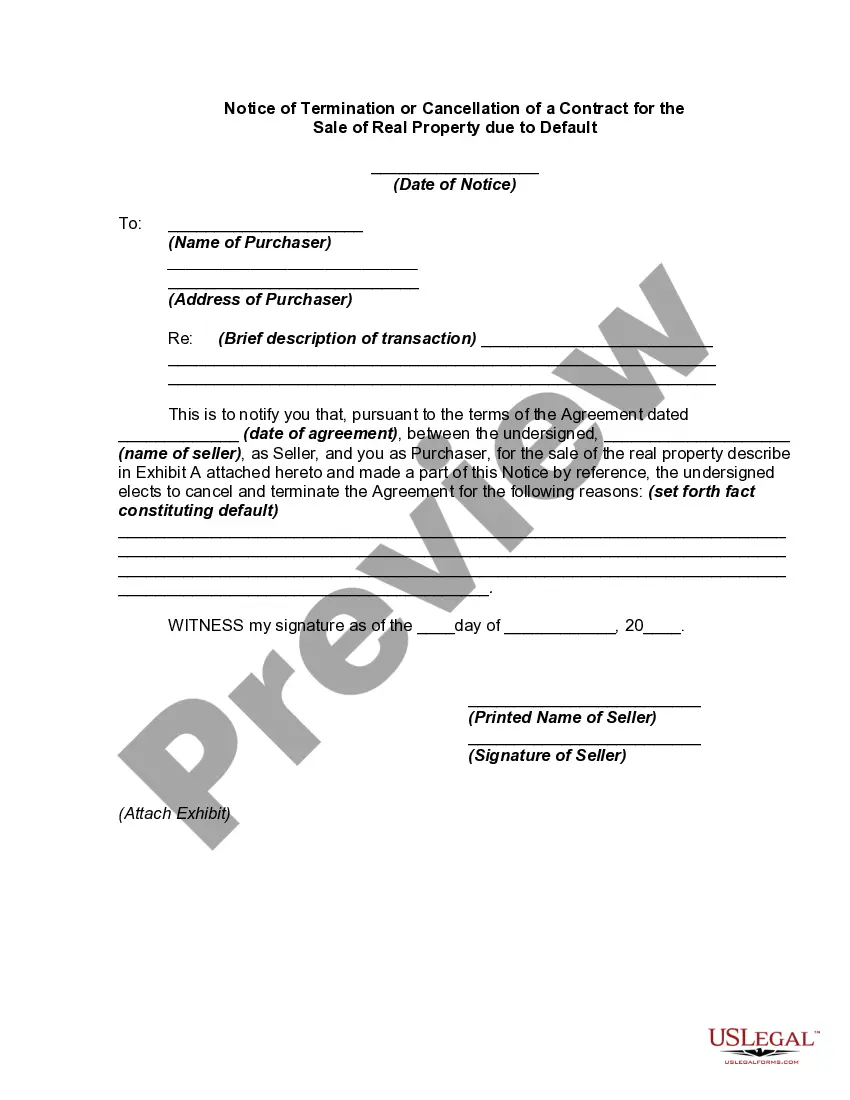
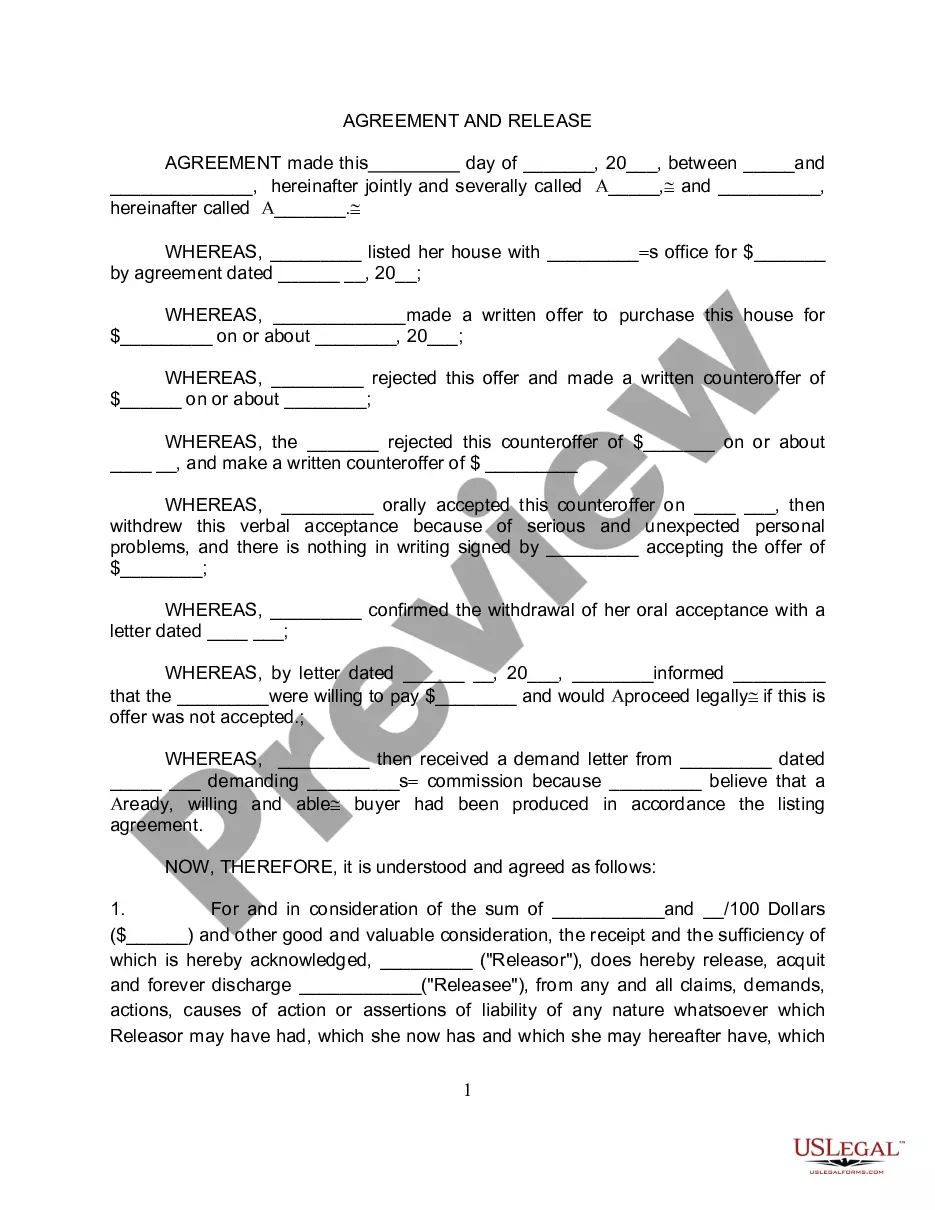
Get your form ready online
Our built-in tools help you complete, sign, share, and store your documents in one place.
Make edits, fill in missing information, and update formatting in US Legal Forms—just like you would in MS Word.
Download a copy, print it, send it by email, or mail it via USPS—whatever works best for your next step.
Sign and collect signatures with our SignNow integration. Send to multiple recipients, set reminders, and more. Go Premium to unlock E-Sign.
If this form requires notarization, complete it online through a secure video call—no need to meet a notary in person or wait for an appointment.
We protect your documents and personal data by following strict security and privacy standards.

Make edits, fill in missing information, and update formatting in US Legal Forms—just like you would in MS Word.

Download a copy, print it, send it by email, or mail it via USPS—whatever works best for your next step.

Sign and collect signatures with our SignNow integration. Send to multiple recipients, set reminders, and more. Go Premium to unlock E-Sign.

If this form requires notarization, complete it online through a secure video call—no need to meet a notary in person or wait for an appointment.

We protect your documents and personal data by following strict security and privacy standards.
Looking for another form?








Form popularity
FAQ
What should a landlord do if he/she wants to terminate a Section 8 tenancy? The landlord can issue a proper notice to vacate at the end of the initial term of the lease or at the end of any successive term (i.e. month to month, year to year).
If you don't do what your landlord asks, they can start an eviction case to ask the judge to order you to move out. After the landlord gives you the Notice it can take 30-45 days, or longer, for the eviction case to end. If you lose the case, the judge can order you to move out of your home.
The Ellis Act is a state law (Government Code Section 7060 et. seq.) designed to allow landlords to get “out of the rental business.” In order for Ellis evictions to be approved, landlords must remove all units within a building from the rental market for five years. It cannot be applied to just a single unit.
In California, for example, you may be able to sue a dissolved company if the company has undistributed assets, if the company's assets have been distributed to shareholders, or if the company is a defendant in a quiet title action.
How To Sue For Wrongful Termination? A Step By Step Guide With Examples Understanding Wrongful Termination. Before taking action, it's vital to understand what qualifies as wrongful termination. Collecting Evidence. Seek Advice from an Employment Lawyer. Initiating Legal Action. Presenting Your Argument. Resolving the Case.
When you have a lawyer for a wrongful termination case the likelihood of receiving compensation is 64% and the likelihood of receiving compensation without a lawyer is 30%.
Wrongful termination occurs when an employer fires a worker for unlawful reasons. Common unlawful reasons for unlawful termination includes firing employees for discriminatory reasons based on age, disability or pregnancy. Employees may be able to sue former employers for wrongful termination in California.
There are a number of circumstances that might be considered Wrongful Termination in California, which may include an employee who is terminated because of discriminatory practices in the workplace, when a company violates public policy in the process of terminating the employee, or when a company's own guidelines for ...
Yes, an employee who has been wrongfully terminated has the right to sue his or her employer. An employee can sue his\her employer for discrimination, retaliation, or any other illegal reason. In addition, if the employer violates an employment contract, he or she may be sued.
The eviction process can take 30 - 45 days, or longer. The time starts from when you have eviction court forms delivered to your tenant to the time they must move out. Choose any box, below, to learn more about the eviction process and get step-by-step instructions.

