Termination Of Contract For Cause In Massachusetts
Description
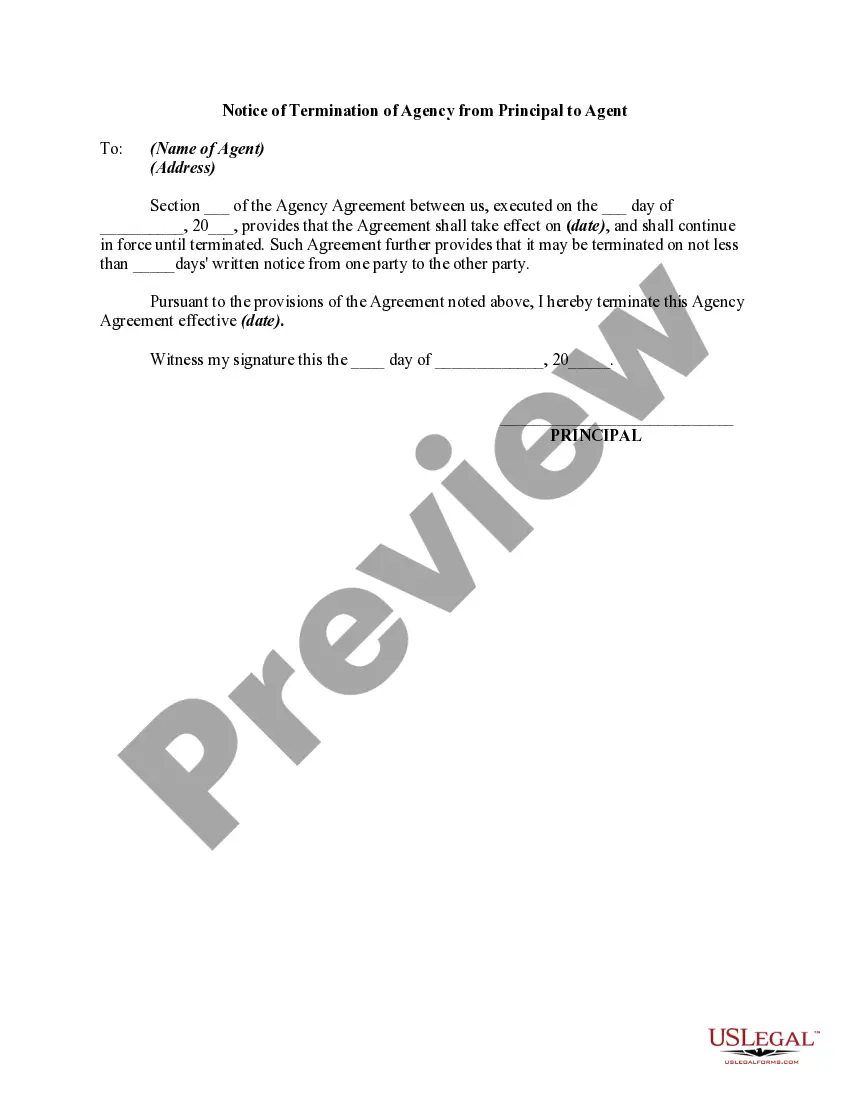
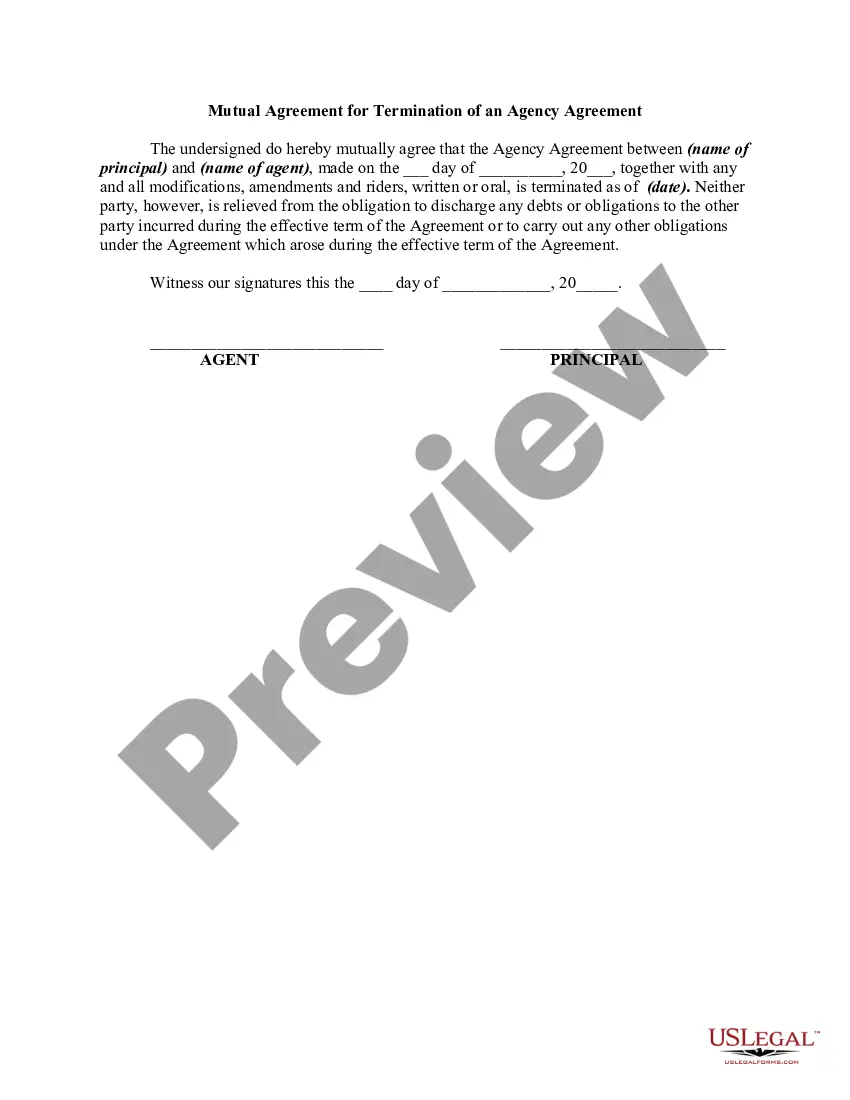
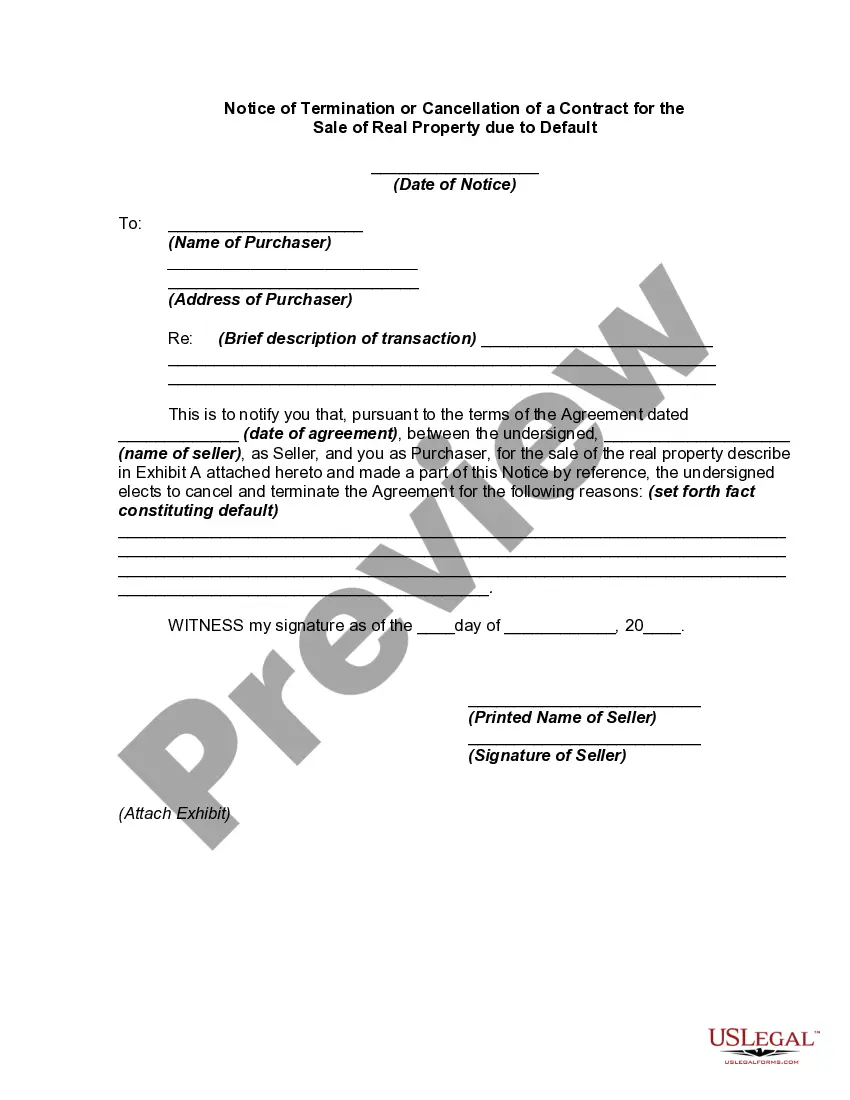
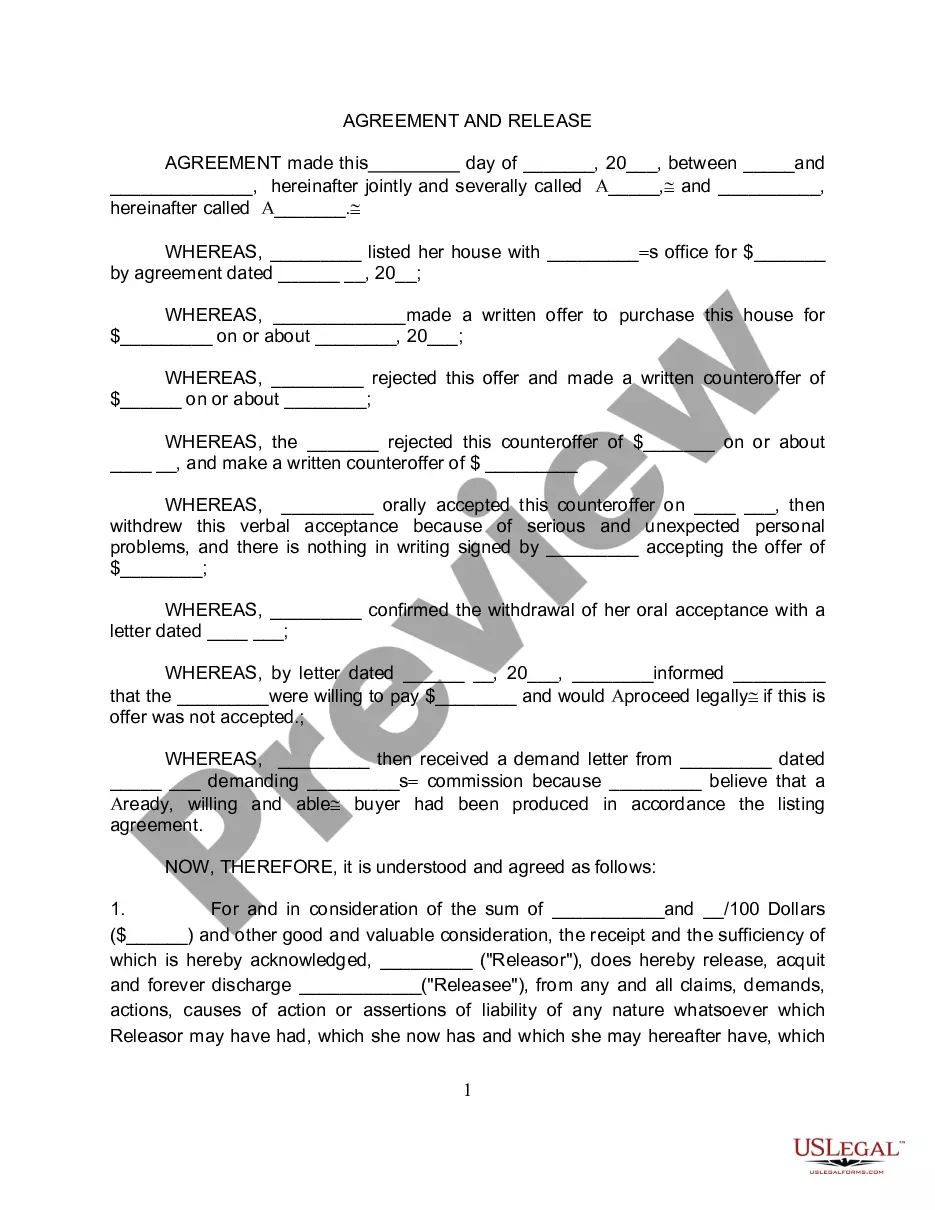
Get your form ready online
Our built-in tools help you complete, sign, share, and store your documents in one place.
Make edits, fill in missing information, and update formatting in US Legal Forms—just like you would in MS Word.
Download a copy, print it, send it by email, or mail it via USPS—whatever works best for your next step.
Sign and collect signatures with our SignNow integration. Send to multiple recipients, set reminders, and more. Go Premium to unlock E-Sign.
If this form requires notarization, complete it online through a secure video call—no need to meet a notary in person or wait for an appointment.
We protect your documents and personal data by following strict security and privacy standards.

Make edits, fill in missing information, and update formatting in US Legal Forms—just like you would in MS Word.

Download a copy, print it, send it by email, or mail it via USPS—whatever works best for your next step.

Sign and collect signatures with our SignNow integration. Send to multiple recipients, set reminders, and more. Go Premium to unlock E-Sign.

If this form requires notarization, complete it online through a secure video call—no need to meet a notary in person or wait for an appointment.

We protect your documents and personal data by following strict security and privacy standards.
Looking for another form?





Form popularity
FAQ
Termination for cause is the dismissal of an employee for a satisfactory reason. An employee may be fired for various reasons that may include misconduct, fraud and disclosure of confidential information.
“Although it seems almost impossible to believe, employers in Massachusetts, or in any other employee-at-will state, can fire any employee at any time for any reason — or even for no reason at all. An employer can terminate any employee, with or without notice.”
California Requirements California Unemployment Insurance Code 1089 requires employers to give a written Notice to Employee as to Change in Relationshipopens in a new tab form to all discharged or laid off employees immediately upon termination.
A "just cause" dismissal (also referred to as "dismissal for cause" or "summary dismissal") is the termination of employment initiated by the employer in response to employee misconduct that is so serious that it either: Violates an essential condition of the employment contract.
Write a termination of contract notice Regardless of what your grounds are, notice is required to terminate any contract. Typically, this notice will come in the form of a written document that clearly explains your decision to terminate the contract, why you wish to do so, and on what grounds.
“Although it seems almost impossible to believe, employers in Massachusetts, or in any other employee-at-will state, can fire any employee at any time for any reason — or even for no reason at all. An employer can terminate any employee, with or without notice.”
The seven-minute rule allows employers to round employee time to the nearest quarter-hour. The seven-minute rule is a payroll rule that allows employers to round down employee time of 1-7 minutes. However, employee work time of 8-14 minutes must be rounded up and counted as a quarter-hour of work.
Contracts can be terminated voluntarily (for convenience) or involuntarily (for cause), often requiring proper notice. Common grounds for involuntary termination include breach of contract, misrepresentation, and impossibility of performance.
How a Contract can be Terminated? In ance with your contract. A contract may allow a party or both parties to elect to bring it to an end, for no specific reason. Termination for breach of contract. Discharge by agreement. Recission. Force majeure. Frustration. Void contract.

