Cancellation Agreement Form With Insurance In Kings
Description
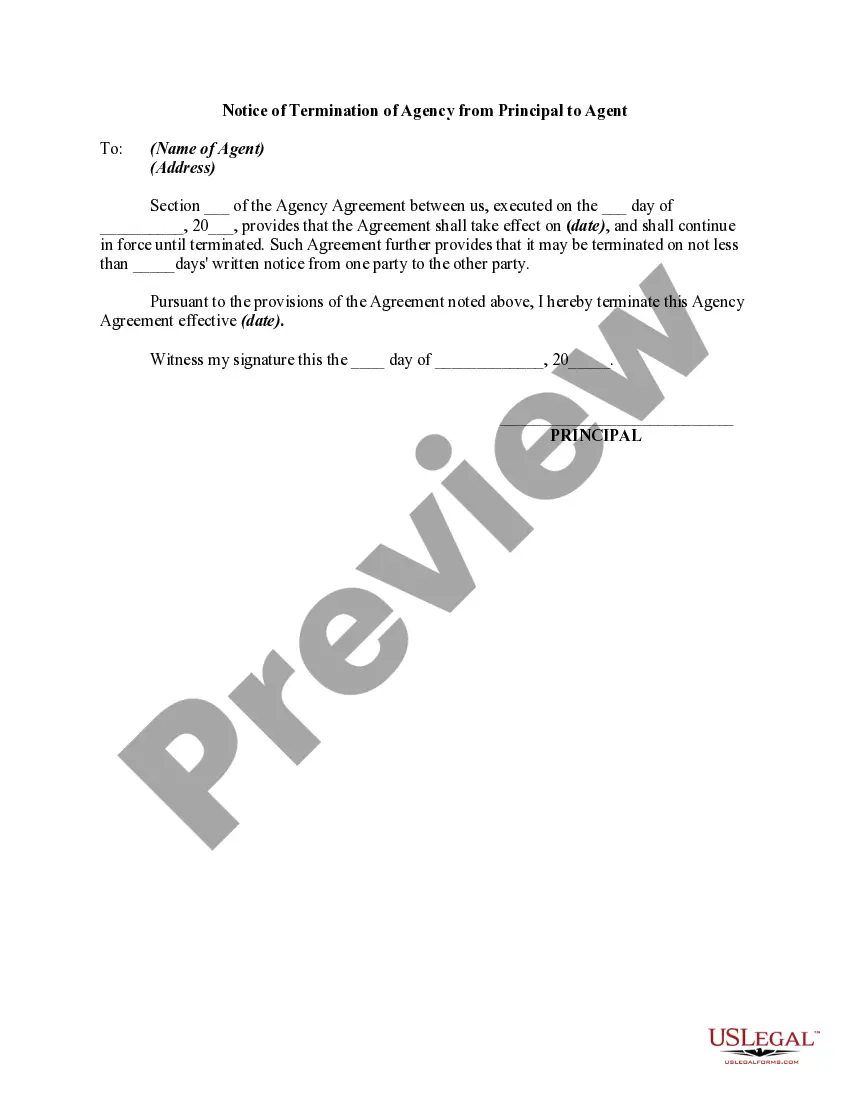
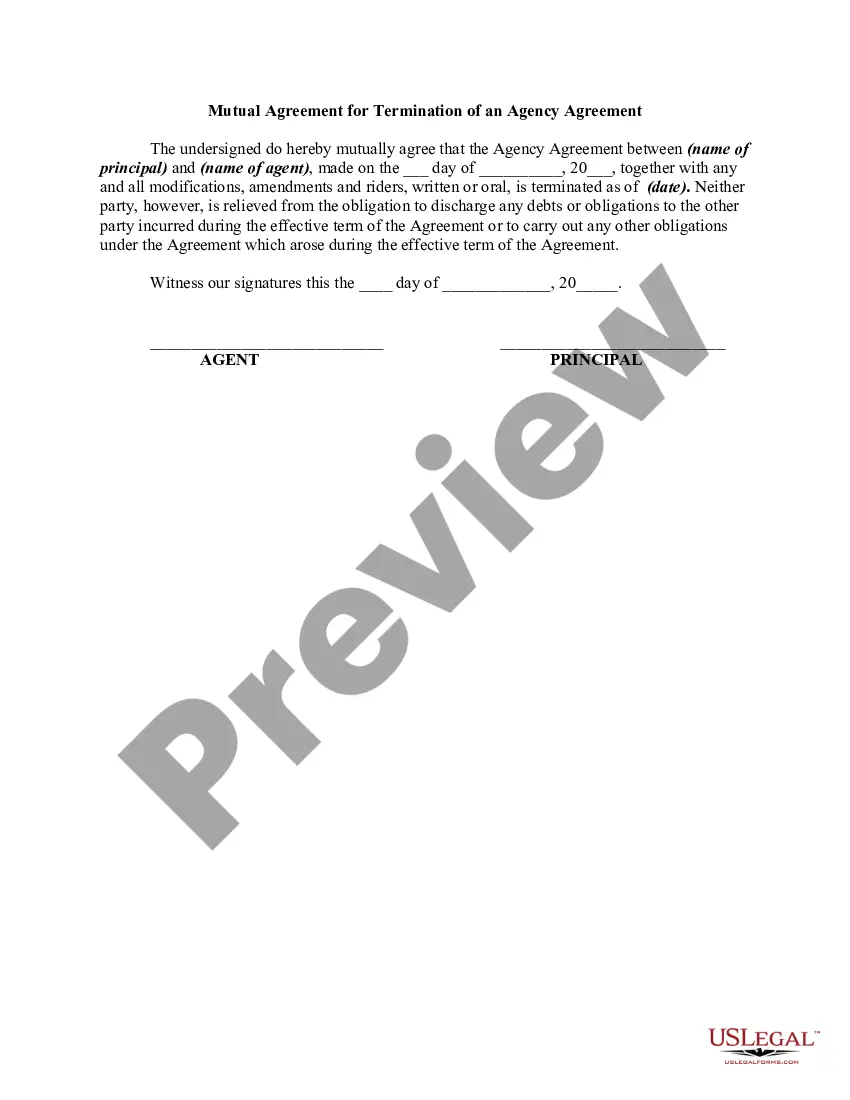
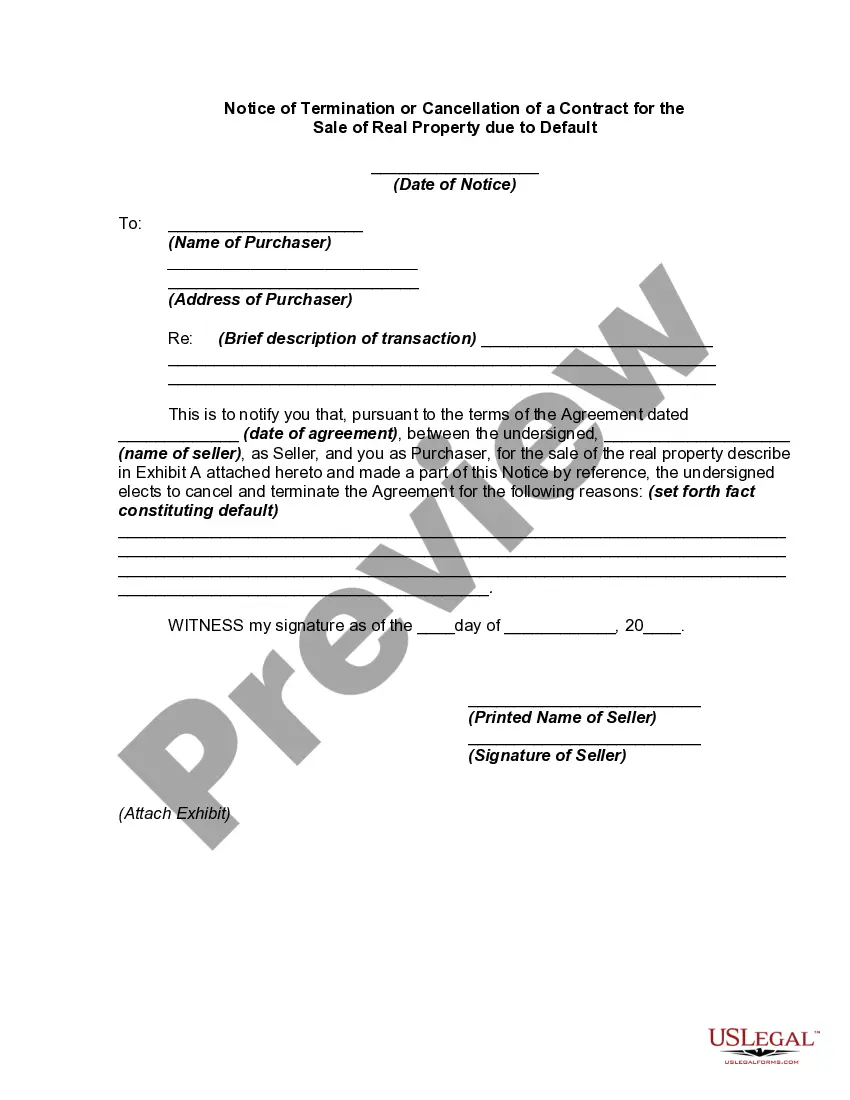

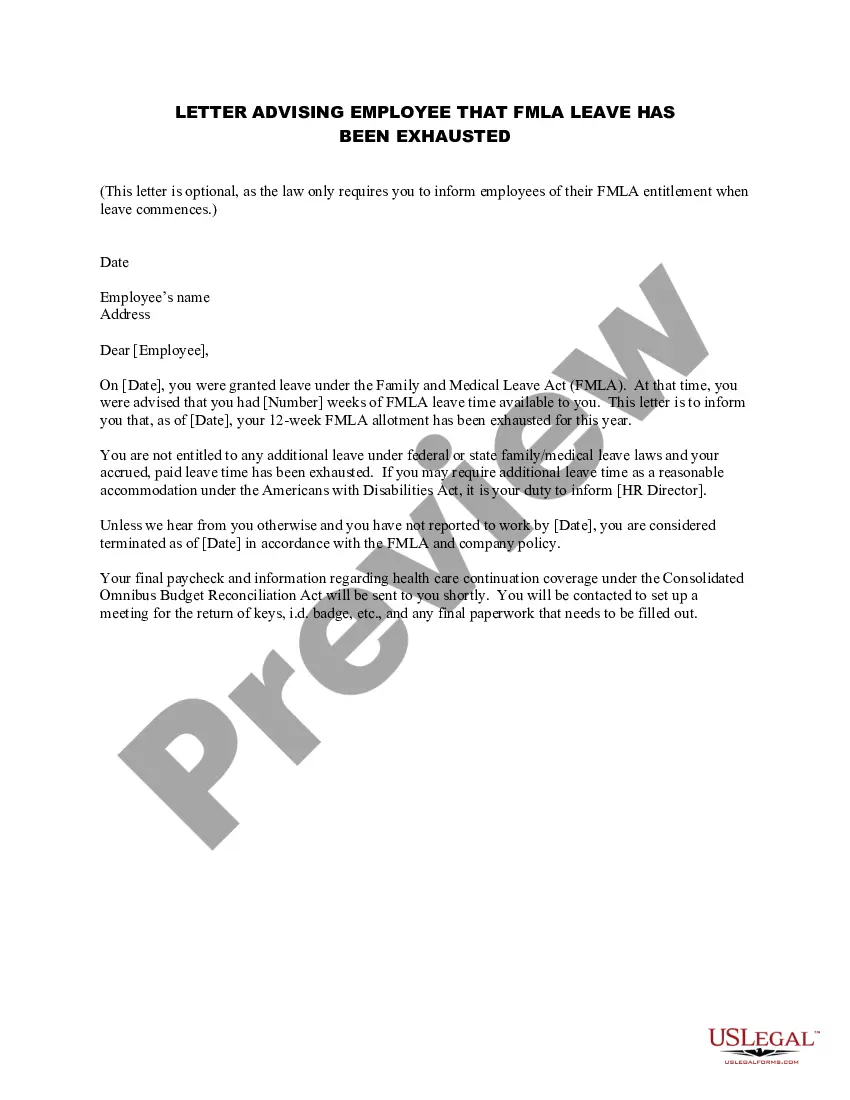
Get your form ready online
Our built-in tools help you complete, sign, share, and store your documents in one place.
Make edits, fill in missing information, and update formatting in US Legal Forms—just like you would in MS Word.
Download a copy, print it, send it by email, or mail it via USPS—whatever works best for your next step.
Sign and collect signatures with our SignNow integration. Send to multiple recipients, set reminders, and more. Go Premium to unlock E-Sign.
If this form requires notarization, complete it online through a secure video call—no need to meet a notary in person or wait for an appointment.
We protect your documents and personal data by following strict security and privacy standards.

Make edits, fill in missing information, and update formatting in US Legal Forms—just like you would in MS Word.

Download a copy, print it, send it by email, or mail it via USPS—whatever works best for your next step.

Sign and collect signatures with our SignNow integration. Send to multiple recipients, set reminders, and more. Go Premium to unlock E-Sign.

If this form requires notarization, complete it online through a secure video call—no need to meet a notary in person or wait for an appointment.

We protect your documents and personal data by following strict security and privacy standards.
Looking for another form?








Form popularity
FAQ
There are three common methods of cancellation: pro-rata, short-rate, and flat rate. Pro-rata cancellation refers to the termination of a policy before its maturity, either at the request of the insured or by the insurer.
Cancellation Methods: Utilize either your physical policy document or a Lost Policy Voucher (LPV) for a streamlined cancellation process. Consider Cancellation Charges: Be informed about potential charges like Short Rate, Flat, and Pro-Rata, which vary based on the timing of your cancellation.
The easiest way to terminate your new insurance is to cancel the contract within 14 days of taking out the policy. The insurer should inform you of this right before you sign the contract. If it has not done so, the 14-day period will only start when the insurer informs you of the policy conditions.
Here are the different main types of cancellations are short rate cancellations or pro-rata cancellations, flat cancellations. In comparison to short rate cancellations or pro-rata cancellations, flat cancellation is different, being classified as the simplest and easiest way to terminate an insurance policy.
Depending on your insurance company's rules, there are a variety of ways to cancel your policy. Call your provider. Most major companies simply ask that policyholders speak with an insurance agent to cancel. The phone number likely will be found on your insurance card, as well as on the company's website or app.
The process typically involves contacting the insurance company, paying any outstanding premiums or fees, and meeting any specific requirements for reinstatement. The insurance company will then revive the policy, and the policyholder will regain the same coverage and benefits as before the cancellation.
Generally, home insurance is not mandatory as per New York state law.
A debt cancellation agreement (DCA) is an agreement that the holder of a retail installment contract will cancel a specified amount owed on the contract if the vehicle is stolen or totaled. Some DCAs require that the retail buyer maintain insurance on the vehicle.
Contact your insurer or agent to find the best way to cancel your policy. Some insurance companies permit you to cancel right over the phone or online. Other insurers may require written notification or a signed document.
Call your provider. Most major companies simply ask that policyholders speak with an insurance agent to cancel. The phone number likely will be found on your insurance card, as well as on the company's website or app.

