Cancellation Agreement Form For Employees In Houston
Description
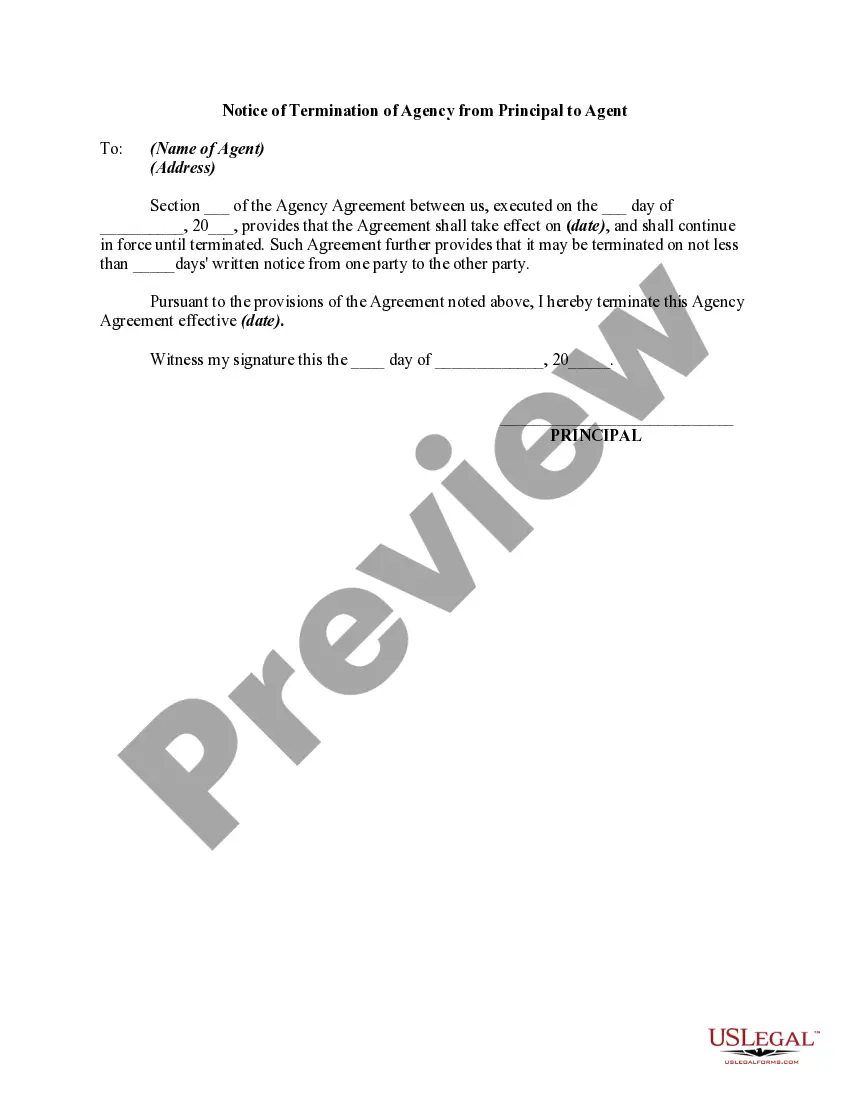
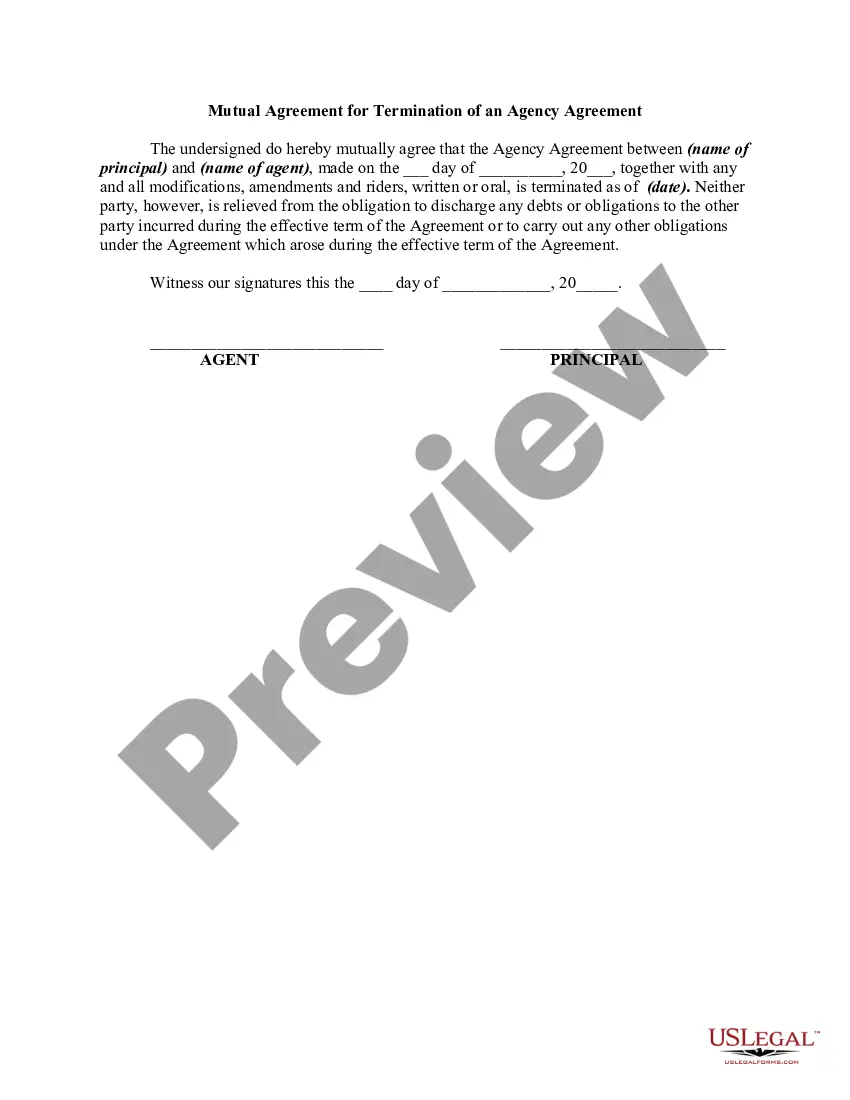
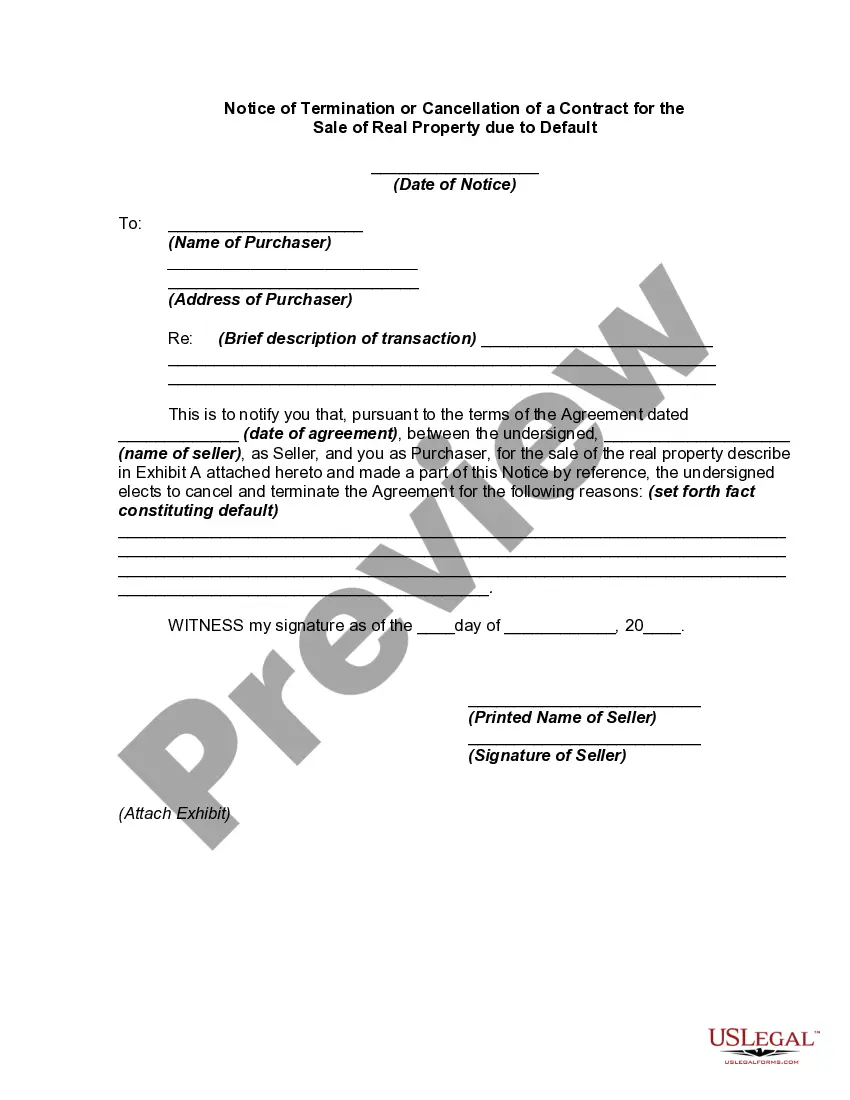

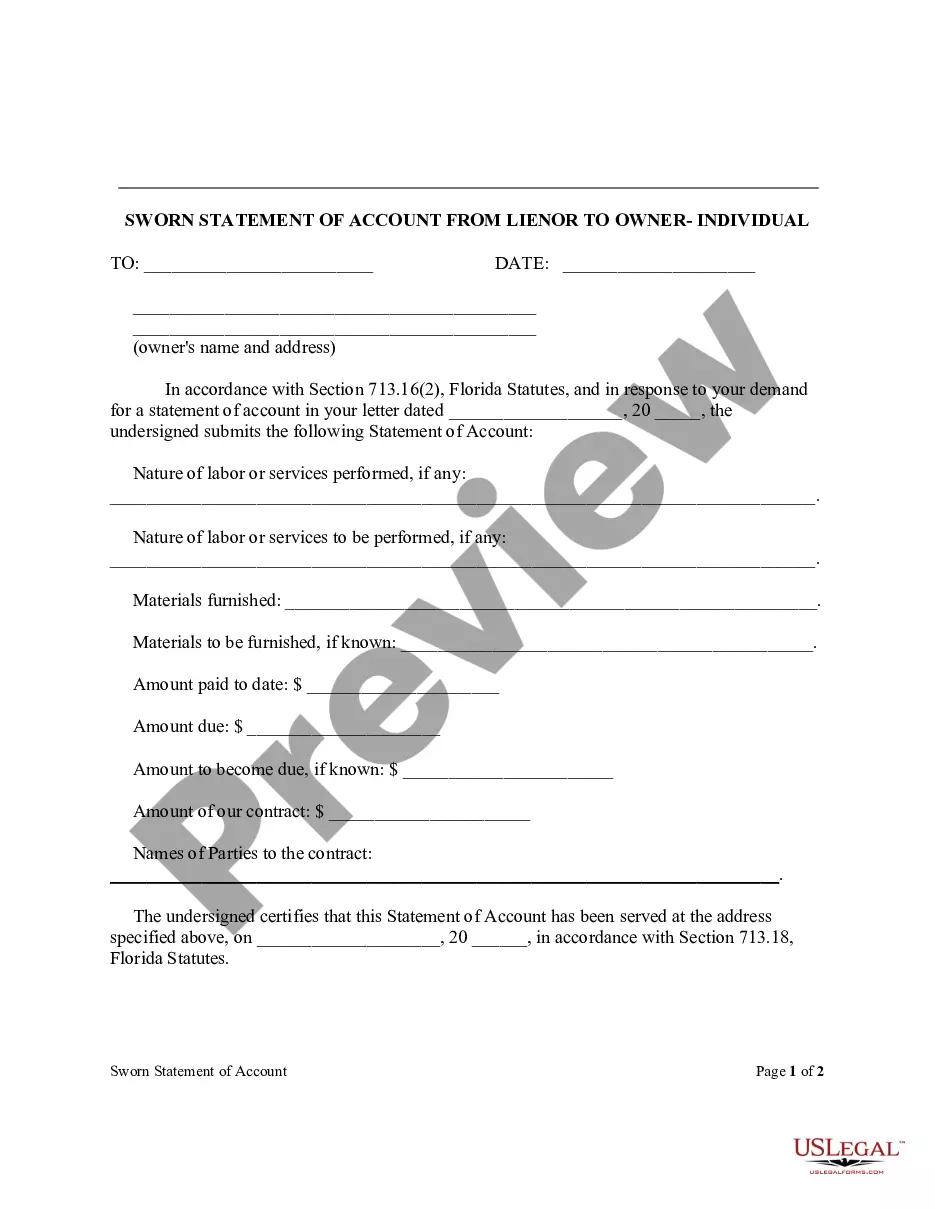
Get your form ready online
Our built-in tools help you complete, sign, share, and store your documents in one place.
Make edits, fill in missing information, and update formatting in US Legal Forms—just like you would in MS Word.
Download a copy, print it, send it by email, or mail it via USPS—whatever works best for your next step.
Sign and collect signatures with our SignNow integration. Send to multiple recipients, set reminders, and more. Go Premium to unlock E-Sign.
If this form requires notarization, complete it online through a secure video call—no need to meet a notary in person or wait for an appointment.
We protect your documents and personal data by following strict security and privacy standards.

Make edits, fill in missing information, and update formatting in US Legal Forms—just like you would in MS Word.

Download a copy, print it, send it by email, or mail it via USPS—whatever works best for your next step.

Sign and collect signatures with our SignNow integration. Send to multiple recipients, set reminders, and more. Go Premium to unlock E-Sign.

If this form requires notarization, complete it online through a secure video call—no need to meet a notary in person or wait for an appointment.

We protect your documents and personal data by following strict security and privacy standards.
Looking for another form?









Form popularity
FAQ
Write a termination contract letter Include your heading information. This includes the date of creation and recipient and sender information. Get specific. Create your statement of intent for contract cancellation. End with an end date. Explicitly state the date that you intend to halt the contract.
How do you write a Termination Agreement? Provide the names and mailing addresses of each party involved. Provide details from the original contract. Select a termination date after which the contract will no longer be in effect. State if either party is providing compensation as part of the Termination Agreement.
Termination letters serve an important function for businesses that have to prepare professional documentation to issue to employees upon severance. They let employees know why employment is being terminated and outline what they can expect from the company as they transition out of their role.
A letter of termination is a formal notice used to inform an employee they will be dismissed from their current employment.
A letter of termination is a formal notice used to inform an employee they will be dismissed from their current employment. A clear termination letter can help ensure the departing employee follows internal offboarding HR policies to protect the organization and encourage an amicable transition.
A termination can be voluntary or involuntary. The former is when the employee makes the choice to end their employment—to retire, to pursue another job, or for other reasons. An involuntary termination, in contrast, is when an employer ends the relationship by laying off or firing the employee.
Employers might use an employment termination agreement to ease an employee's transition rather than abruptly firing them. It's also an opportunity to ask the employee to agree to certain terms, such as non-compete, non-disclosure, or non-disparagement clauses.
Steps to Getting Out of an Employment Contract Step One: Speak to an Attorney. Step Two: Take Stock of Your Post-Employment Opportunities and Resources. Step Three: Give Your Employer Notice. Step Four: Make Sure You Have Written Evidence of Any Resolutions with Your Employer.
When it comes to terminations for authorised causes, the employer is required to provide a written notice to both the employee and the Department of Labour and Employment (DOLE) at least 30 days prior to the intended date of termination. This notice should detail the reasons for the termination.
The rescission period ends at midnight of the third calendar day following the execution of the contract.

