Termination Letter Template For Employee In Georgia
Description
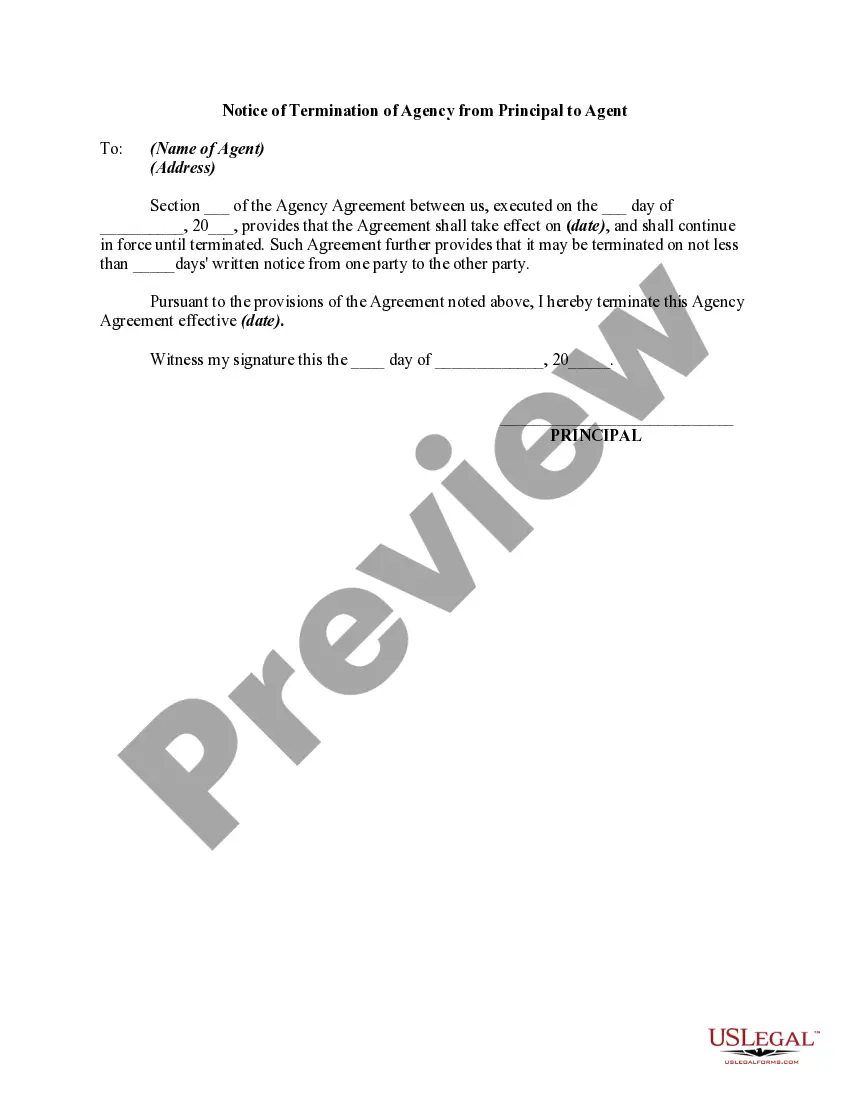
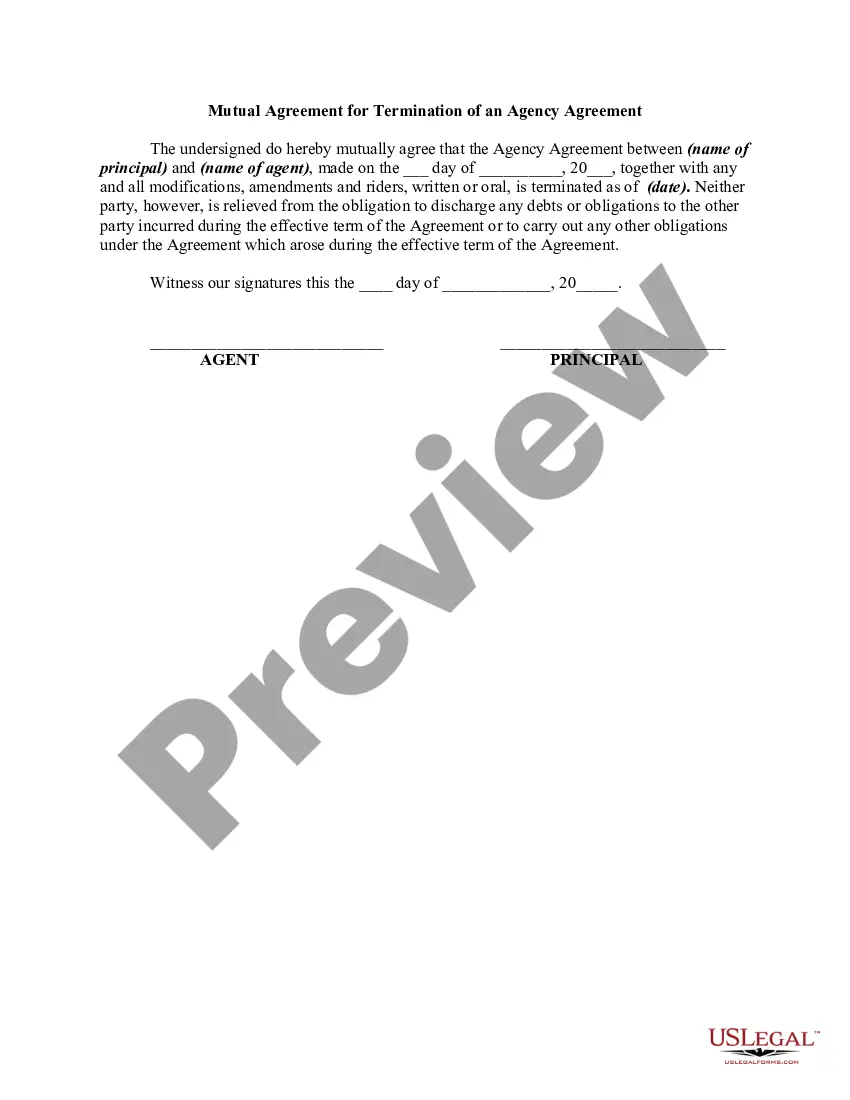
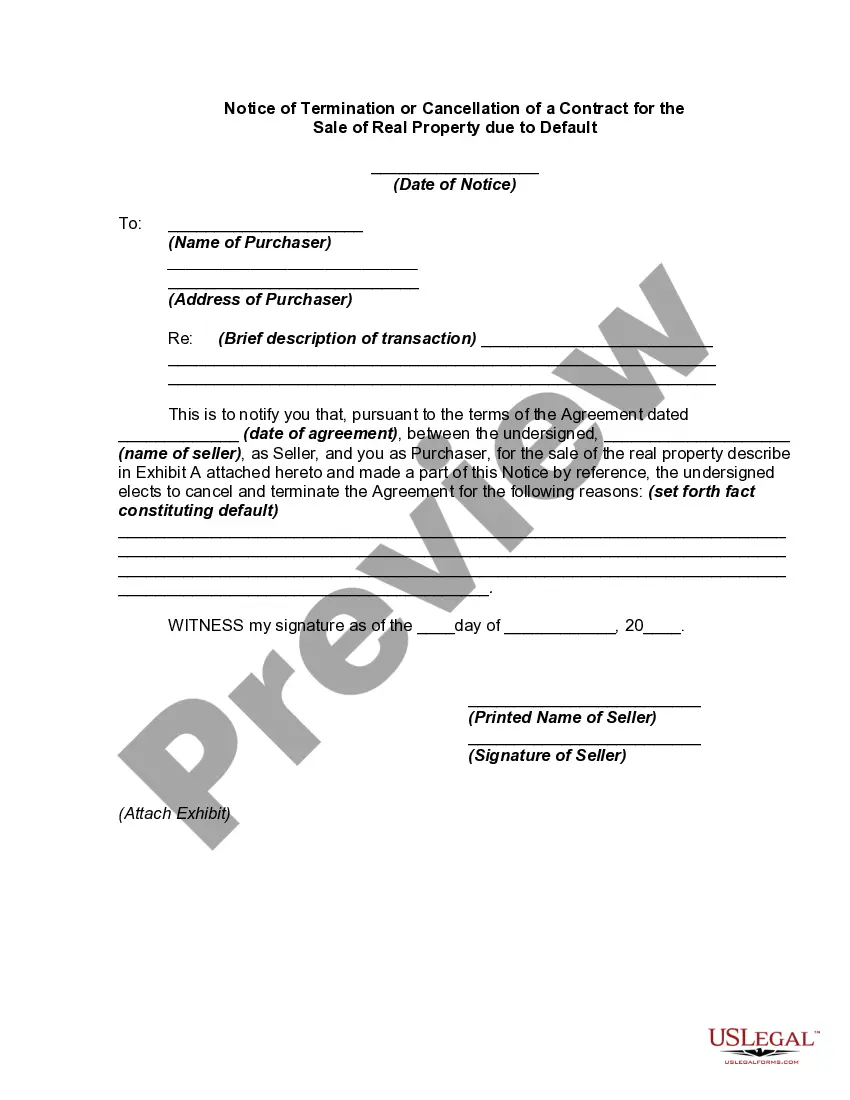
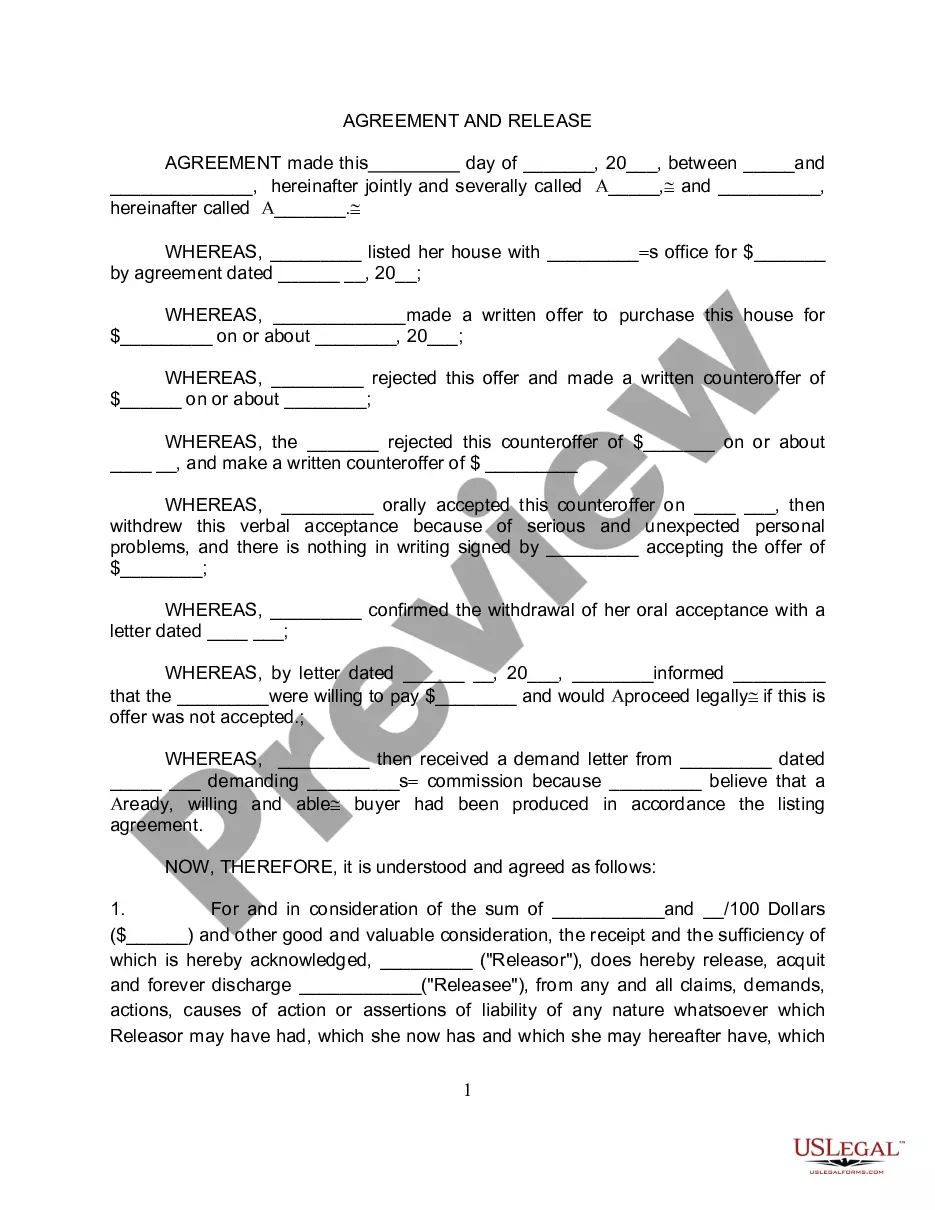
Get your form ready online
Our built-in tools help you complete, sign, share, and store your documents in one place.
Make edits, fill in missing information, and update formatting in US Legal Forms—just like you would in MS Word.
Download a copy, print it, send it by email, or mail it via USPS—whatever works best for your next step.
Sign and collect signatures with our SignNow integration. Send to multiple recipients, set reminders, and more. Go Premium to unlock E-Sign.
If this form requires notarization, complete it online through a secure video call—no need to meet a notary in person or wait for an appointment.
We protect your documents and personal data by following strict security and privacy standards.

Make edits, fill in missing information, and update formatting in US Legal Forms—just like you would in MS Word.

Download a copy, print it, send it by email, or mail it via USPS—whatever works best for your next step.

Sign and collect signatures with our SignNow integration. Send to multiple recipients, set reminders, and more. Go Premium to unlock E-Sign.

If this form requires notarization, complete it online through a secure video call—no need to meet a notary in person or wait for an appointment.

We protect your documents and personal data by following strict security and privacy standards.
Looking for another form?


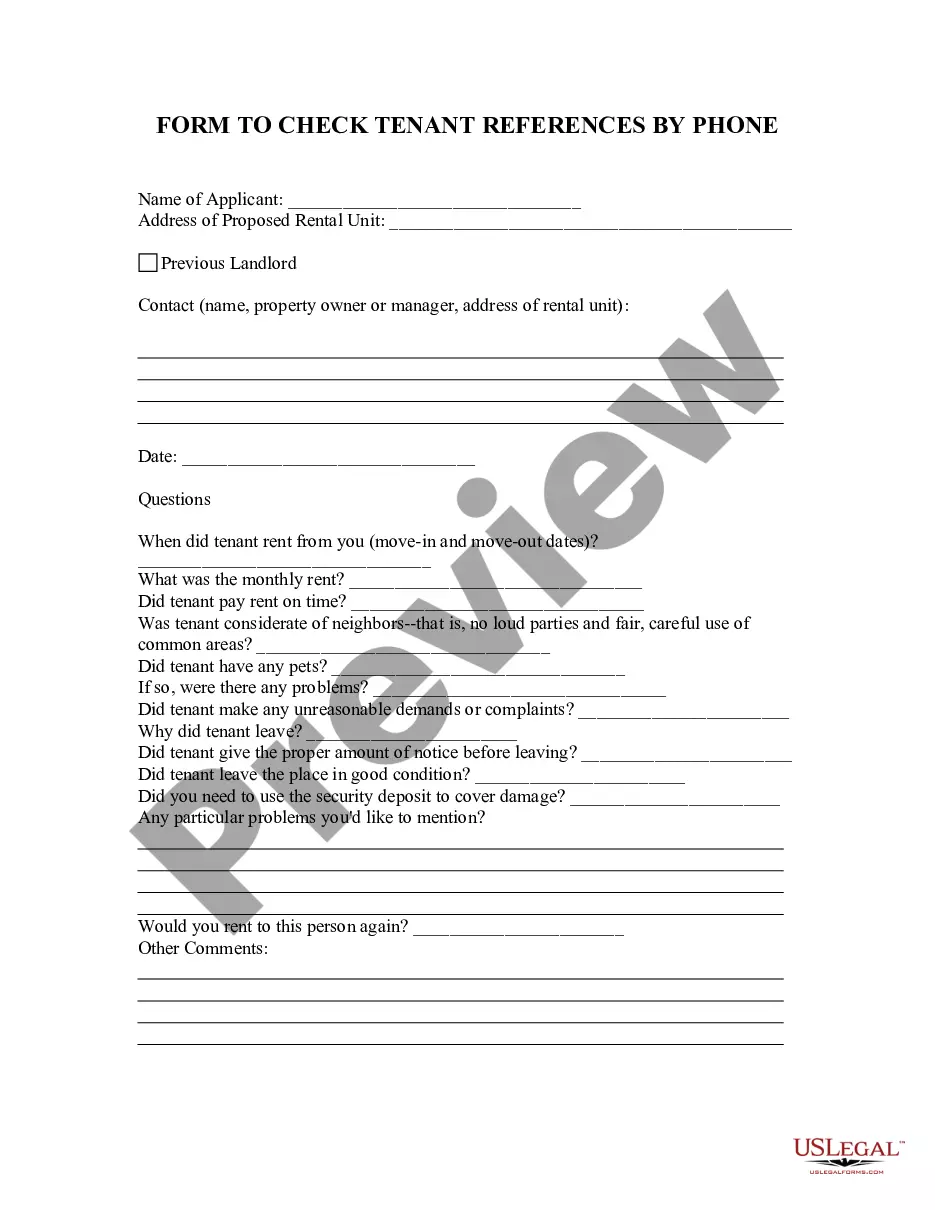





Form popularity
FAQ
At-Will Employment in Florida and Georgia Florida and Georgia are both “at-will” employment states. This term essentially means that your employer can terminate your employment at any time, for almost any reason—or no reason at all—without prior notice.
At-Will Employment: Georgia follows the doctrine of at-will employment, allowing employers to terminate employees at any time for any lawful reason. This means that in the absence of an employment contract or collective bargaining agreement, employers can terminate on-site employees without providing a reason.
Firing Employees in Georgia All Georgia employees, regardless of the reason for separation, must be provided Form DOL-800 – Separation Notice on the employee's last day of work. If this is not possible, it must be mailed to their last known address within three days.
Contact HR or Payroll: If you haven't already, try reaching out to the human resources (HR) department or payroll department of your past employer. They may have procedures in place for issuing termination letters or may be able to assist you in obtaining the letter.
In ance with the Employment Security Law, OCGA Section 34-8-190(c) and Rules pursuant thereto, a Separation Notice must be completed for each worker who leaves your employment, regardless of the reason for the separation.
Is a Letter of Termination Required? For the most part, the Federal Labor Standards Act (FLSA) doesn't require organizations to provide letters of termination. The exceptions are when employees are part of a union, a collective bargaining agreement, or certain mass layoffs or corporate closures.
Following are the essential steps involved in writing a proper termination letter: Start with the date. Address the employee. Make a formal statement of termination. Specify the date of termination. Include the reasons for termination. Explain the settlement details. Request them to return the company property.
11 Things You Should Never Say When Firing an Employee “This is really hard for me.” ... “I'm not sure how to say this.” ... “We've decided to let you go.” ... “We've decided to go in a different direction.” ... “We'll work out the details later.” ... “Compared to Susan, your performance is subpar.”
Termination letters usually include details such as: The date of termination. The reason for the termination (while not always required, many include it) Any severance benefits or other compensation the employee is entitled to. Instructions for the return of company property.
In ance with the Employment Security Law, OCGA Section 34-8-190(c) and Rules pursuant thereto, a Separation Notice must be completed for each worker who leaves your employment, regardless of the reason for the separation.

