Termination Of Contract For Cause In Dallas
Description
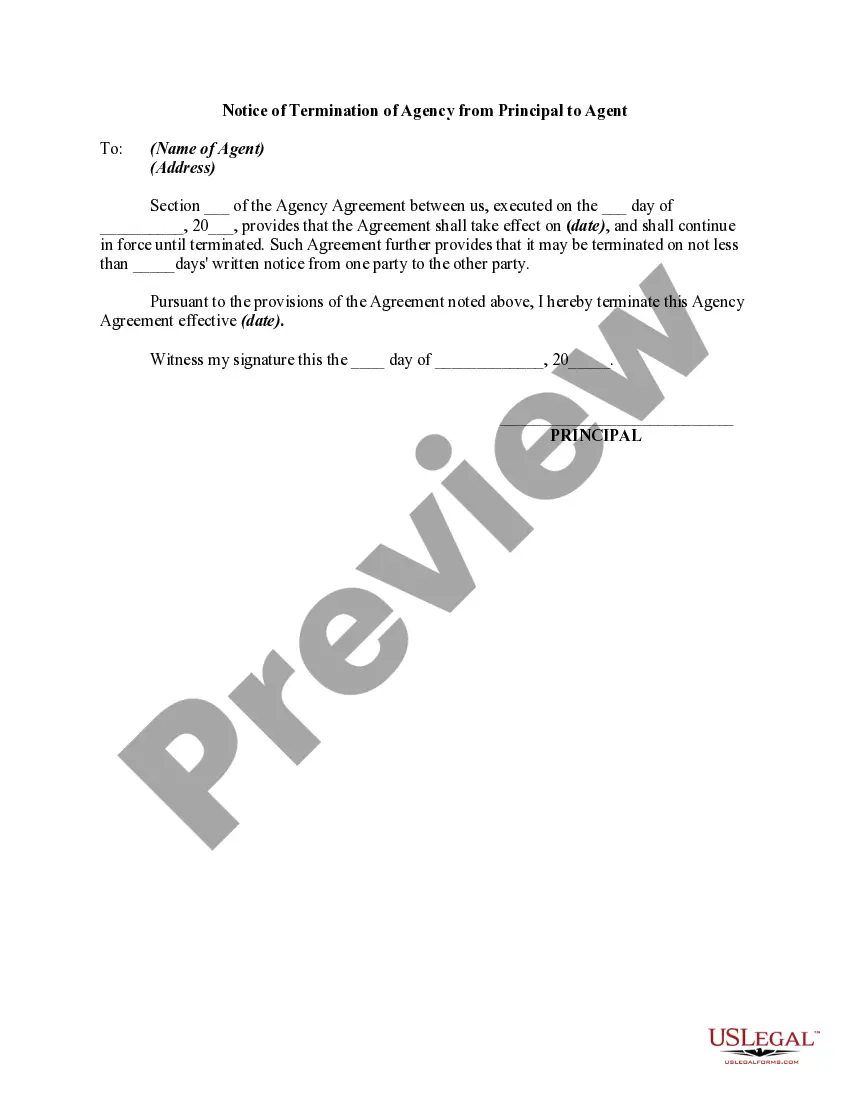
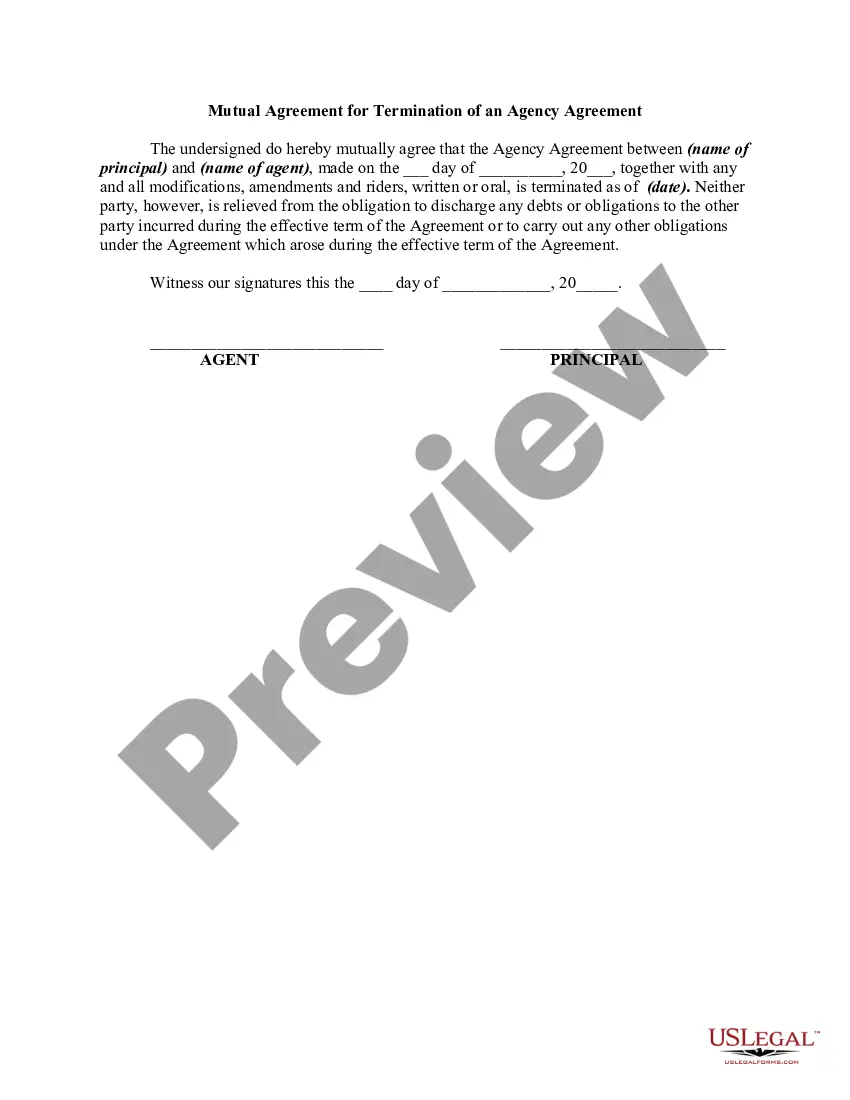
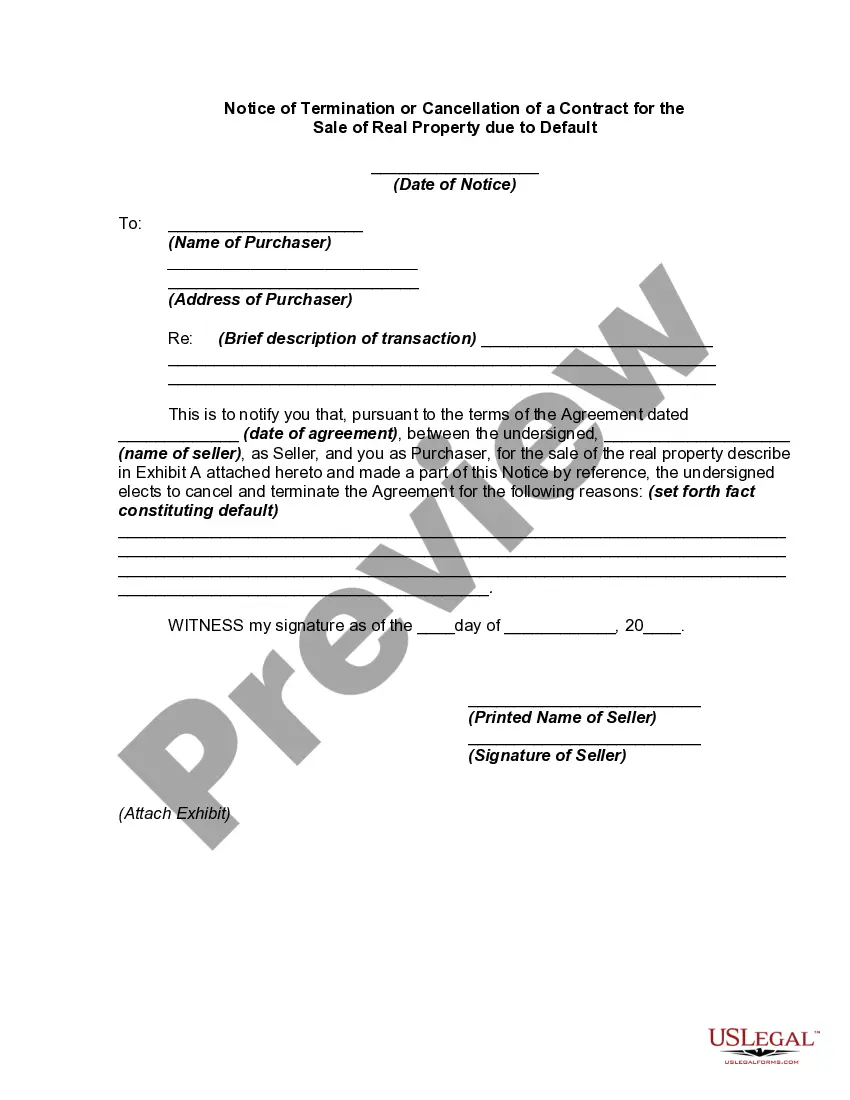
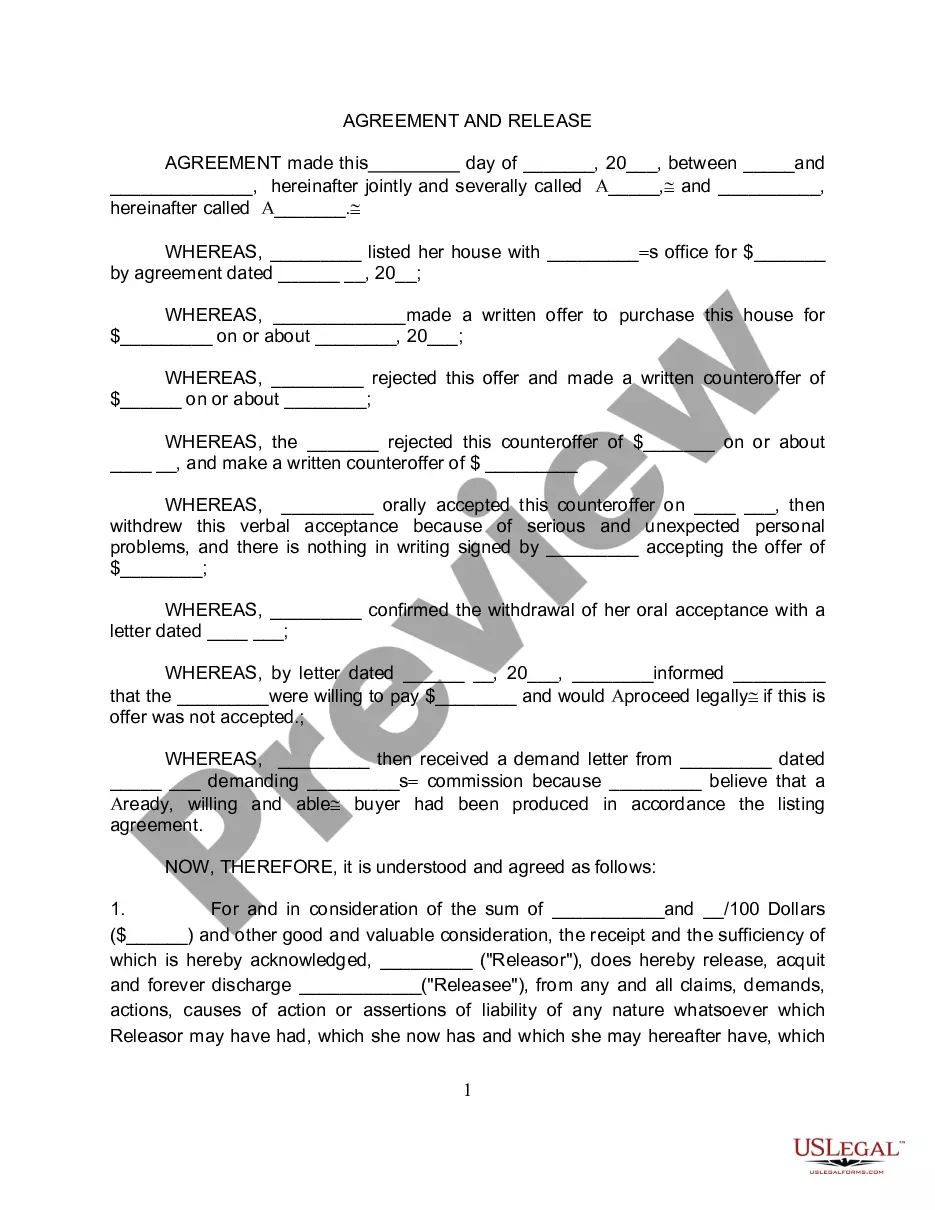
Get your form ready online
Our built-in tools help you complete, sign, share, and store your documents in one place.
Make edits, fill in missing information, and update formatting in US Legal Forms—just like you would in MS Word.
Download a copy, print it, send it by email, or mail it via USPS—whatever works best for your next step.
Sign and collect signatures with our SignNow integration. Send to multiple recipients, set reminders, and more. Go Premium to unlock E-Sign.
If this form requires notarization, complete it online through a secure video call—no need to meet a notary in person or wait for an appointment.
We protect your documents and personal data by following strict security and privacy standards.

Make edits, fill in missing information, and update formatting in US Legal Forms—just like you would in MS Word.

Download a copy, print it, send it by email, or mail it via USPS—whatever works best for your next step.

Sign and collect signatures with our SignNow integration. Send to multiple recipients, set reminders, and more. Go Premium to unlock E-Sign.

If this form requires notarization, complete it online through a secure video call—no need to meet a notary in person or wait for an appointment.

We protect your documents and personal data by following strict security and privacy standards.
Looking for another form?







Form popularity
FAQ
How do you write a Termination Agreement? Provide the names and mailing addresses of each party involved. Provide details from the original contract. Select a termination date after which the contract will no longer be in effect. State if either party is providing compensation as part of the Termination Agreement.
Under Texas law, good cause is the employee's failure to perform the duties that a person of ordinary prudence in the industry would perform under similar circumstances. However, because this definition is vague, parties should specifically state what constitutes good cause in their employment agreement.
Texas is an “at-will employment” state, which means that you can fire an employee for any legal, non-discriminatory reason—even for being annoying. Being legally allowed to do something, however, doesn't always make it a good idea.
Legally, this is described as firing “for cause.” In general, there are a half-dozen categories of acceptable reasons for termination: Incompetence, including lack of productivity or poor quality of work. Insubordination and related issues such as dishonesty or breaking company rules.
For instance, it would be illegal for an employer to terminate an employee because of race, religion, age or disability discrimination or retaliation. Other examples would include terminating an employee because the employee disclosed she was pregnant, or because the employee made a workplace safety complaint.
Tips for Writing an Effective Termination of Contract Letter Be Clear and Direct: Clearly state the reason for termination and the effective date. Avoid ambiguity to prevent misunderstandings. Maintain Professional Tone: Regardless of the circumstances, use a respectful and professional tone.
Write a termination of contract notice Regardless of what your grounds are, notice is required to terminate any contract. Typically, this notice will come in the form of a written document that clearly explains your decision to terminate the contract, why you wish to do so, and on what grounds.
2. Failing to perform the job for which one was hired. Unsatisfactory performance is the primary reason why most employees get fired.
Ensure Proper Grounds for Termination Common grounds for this sort of action include a breach of the contract terms, changes in business circumstances, or non-performance of the breaching party. Be sure that the grounds for termination are legally sound and appropriately documented.
Termination for cause applies only to commercial contracts. The Government may terminate all or portion of a commercial item contract for cause if the contractor fails to: Comply with contract terms and conditions; or. Provide the Government, upon request, with adequate assurances of future performance.

