Termination Letter Template For Employee In Dallas
Description
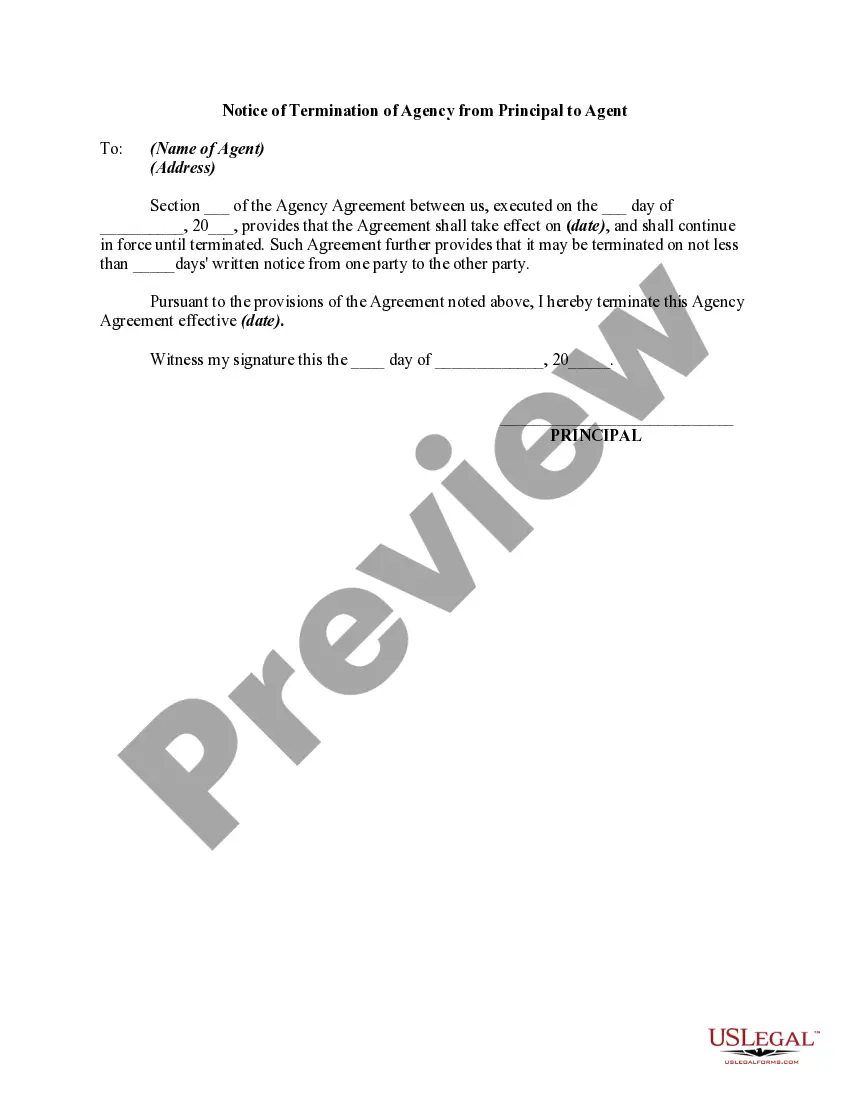
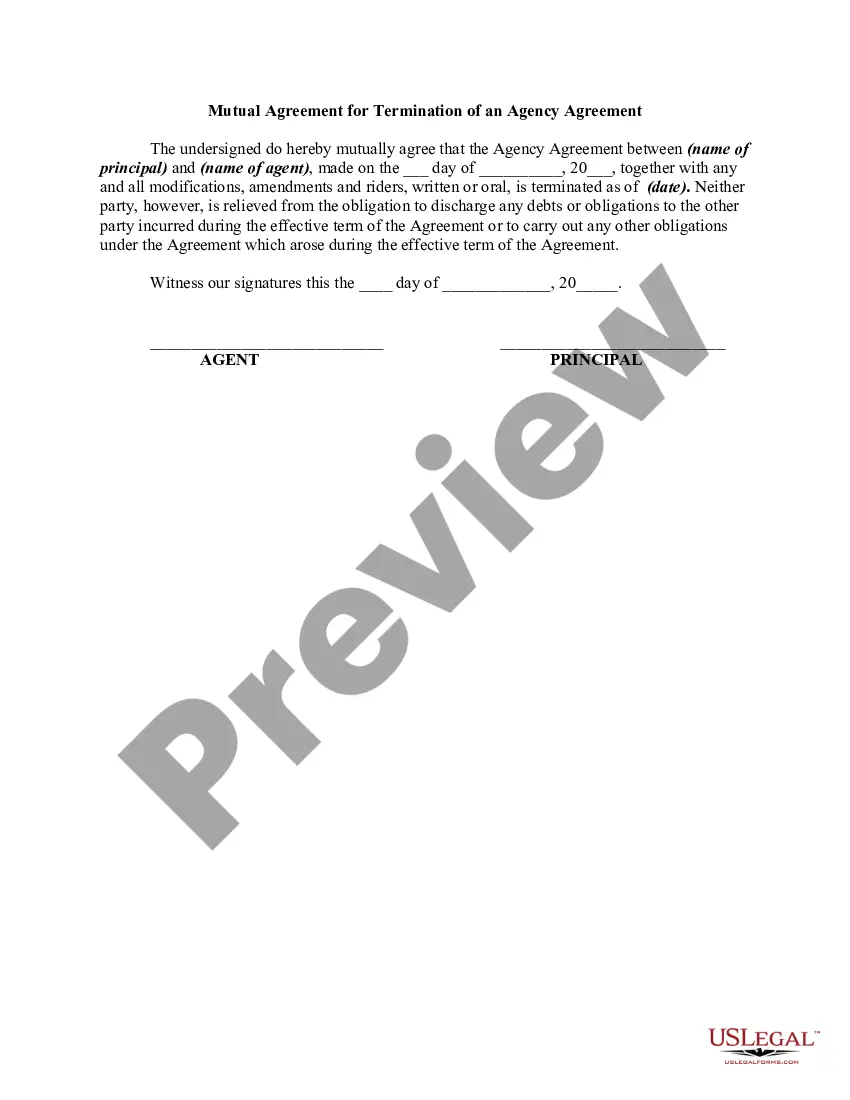
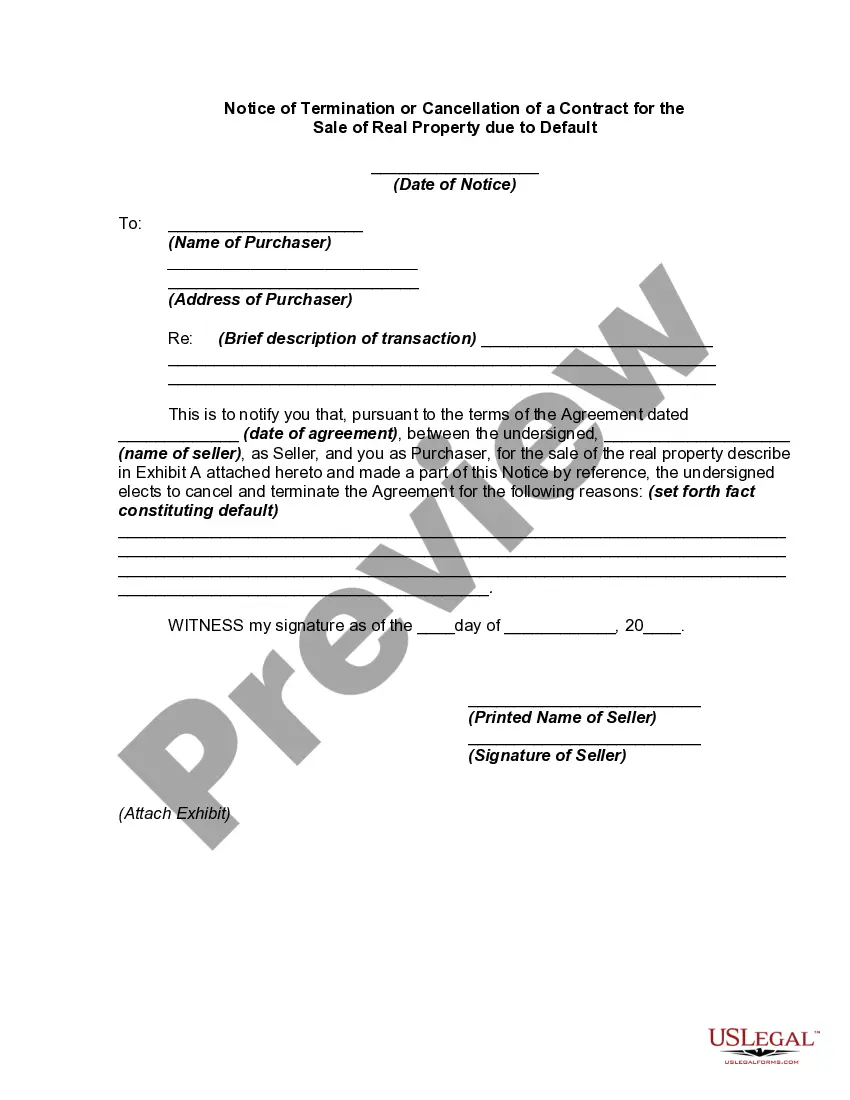
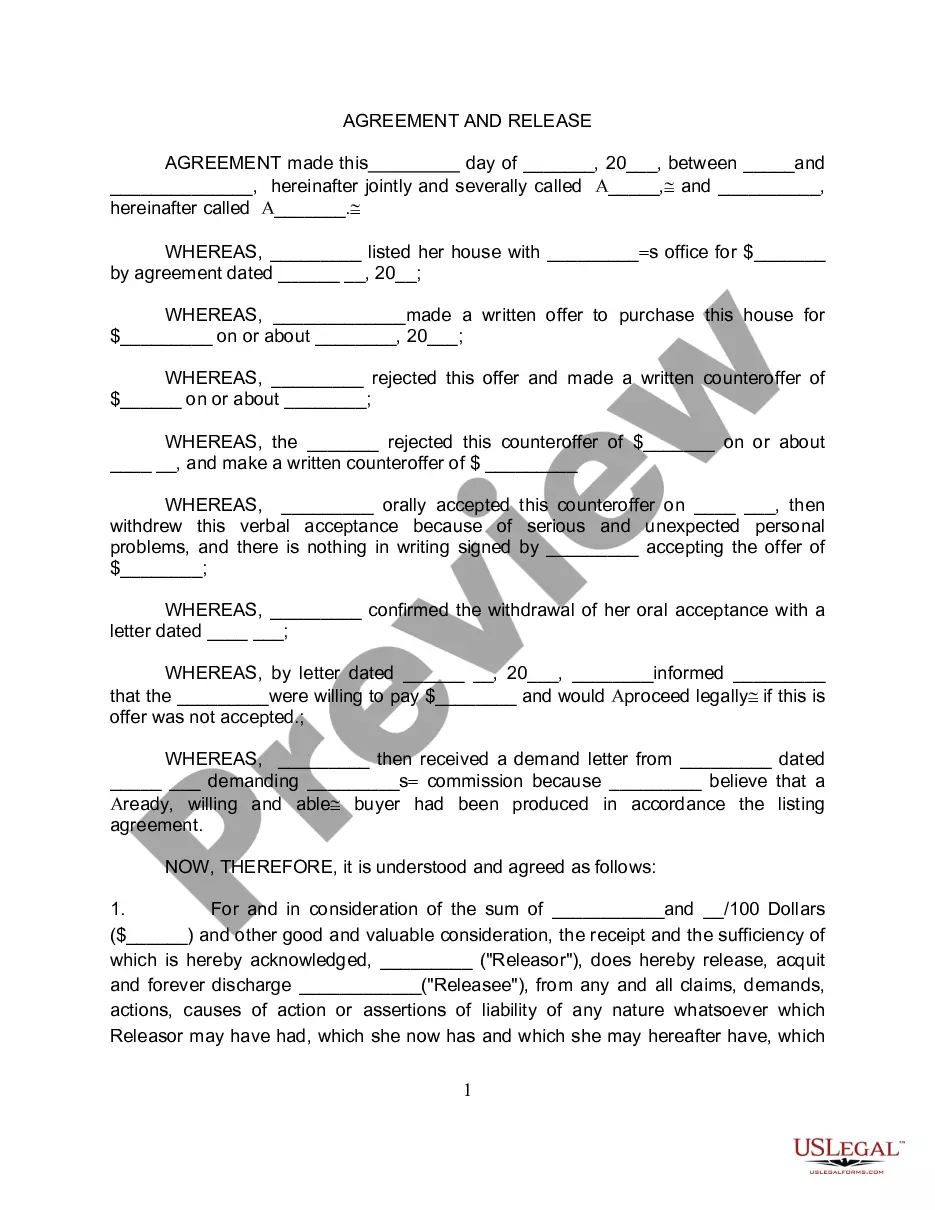
Get your form ready online
Our built-in tools help you complete, sign, share, and store your documents in one place.
Make edits, fill in missing information, and update formatting in US Legal Forms—just like you would in MS Word.
Download a copy, print it, send it by email, or mail it via USPS—whatever works best for your next step.
Sign and collect signatures with our SignNow integration. Send to multiple recipients, set reminders, and more. Go Premium to unlock E-Sign.
If this form requires notarization, complete it online through a secure video call—no need to meet a notary in person or wait for an appointment.
We protect your documents and personal data by following strict security and privacy standards.

Make edits, fill in missing information, and update formatting in US Legal Forms—just like you would in MS Word.

Download a copy, print it, send it by email, or mail it via USPS—whatever works best for your next step.

Sign and collect signatures with our SignNow integration. Send to multiple recipients, set reminders, and more. Go Premium to unlock E-Sign.

If this form requires notarization, complete it online through a secure video call—no need to meet a notary in person or wait for an appointment.

We protect your documents and personal data by following strict security and privacy standards.
Looking for another form?









Form popularity
FAQ
Texas is an “at-will employment” state, which means that you can fire an employee for any legal, non-discriminatory reason—even for being annoying.
From a legal standpoint, yes. Unless your employment contract specifically states how an employee will be terminated, it's perfectly legal to terminate an employee like this. But from a company culture standpoint, you may want to consider your other options.
Texas, like many U.S. states, operates under the “at-will” employment doctrine. This means that unless a contract or an agreement states otherwise, both employers and employees can terminate the employment relationship at any time, for any reason, or even for no reason at all, provided it's not an unlawful one.
Experts advise informing the terminated employee face to face. The conversation should be brief and factual, with no suggestion of any opportunity to revisit your decision. Explain the employee's next steps with regard to the final paycheck, benefits, and collecting personal belongings – and then say goodbye.
How to Write a Termination Letter Start with empathy. Be direct and concise. Explain your decision. Express appreciation. Offer support. Provide administrative and logistical information. Be respectful and professional. Review the letter with the HR department.
Texas employees are not required to give a resignation notice unless their employment contract stipulates this condition. Company policies may vary regarding notice durations, but typically, most companies expect employees to give at least two weeks' notice before resigning.
"Pink slip" or work separation notice - optional in most states - not required in Texas (however, giving at least a simple work separation notice can help prevent ex-employees from filing wage claims based upon "work" they allegedly did after your company thought they were gone - see comment 5 under "Work Separations - ...
How to Terminate an Employee: 5 Steps Identify and Document the Issues. Coach Employees to Rectify the Issue. Create a Performance Improvement Plan. Terminate the Employee. Have HR Conduct an Exit Interview.
Dear Employee's Name, We regret to inform you that your employment with Company Name is terminated effective immediately due to a serious violation of company policy regarding specific violation. Please return all company property by Date. Your final paycheck will be sent to your address on file.
How To Write a Letter of Dismissal Header. Basic information like employee name, company name and date to avoid confusion. Introduction. Clear and concise announcement of the employee's dismissal while remaining respectful. Body. Outro.

