Contract Termination With Cause In Contra Costa
Description
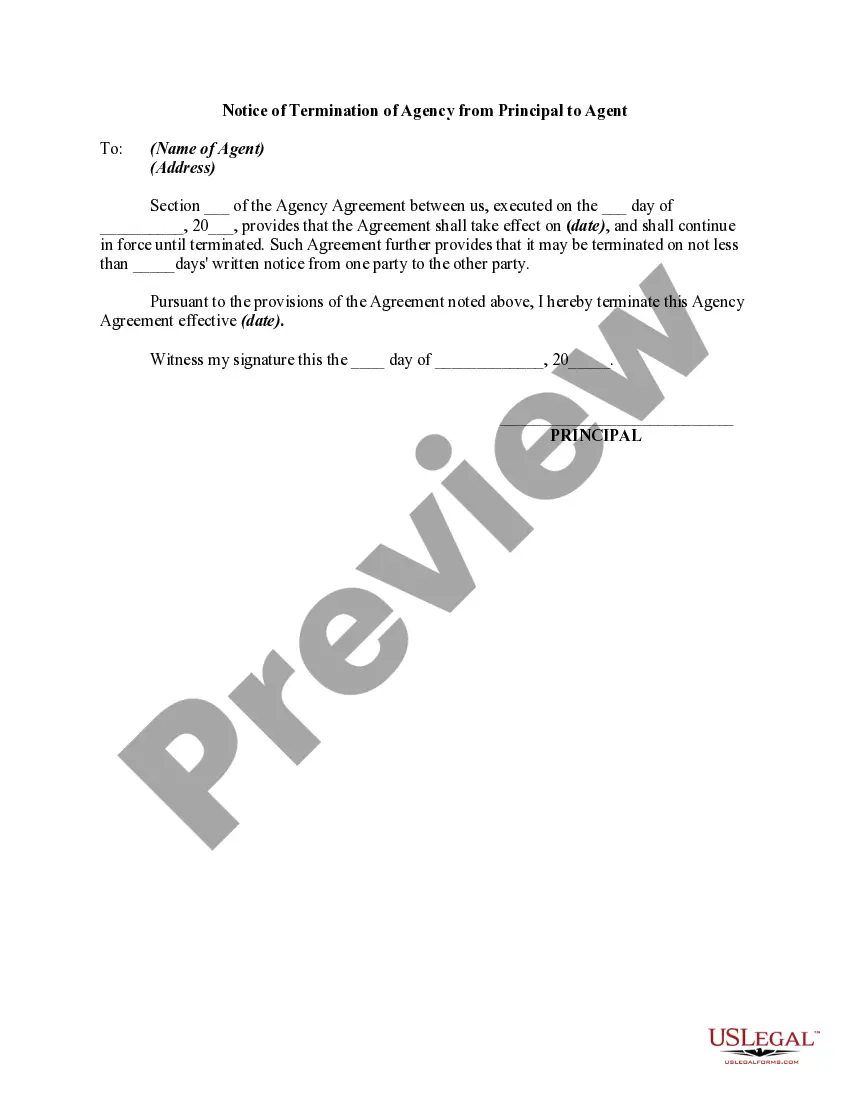
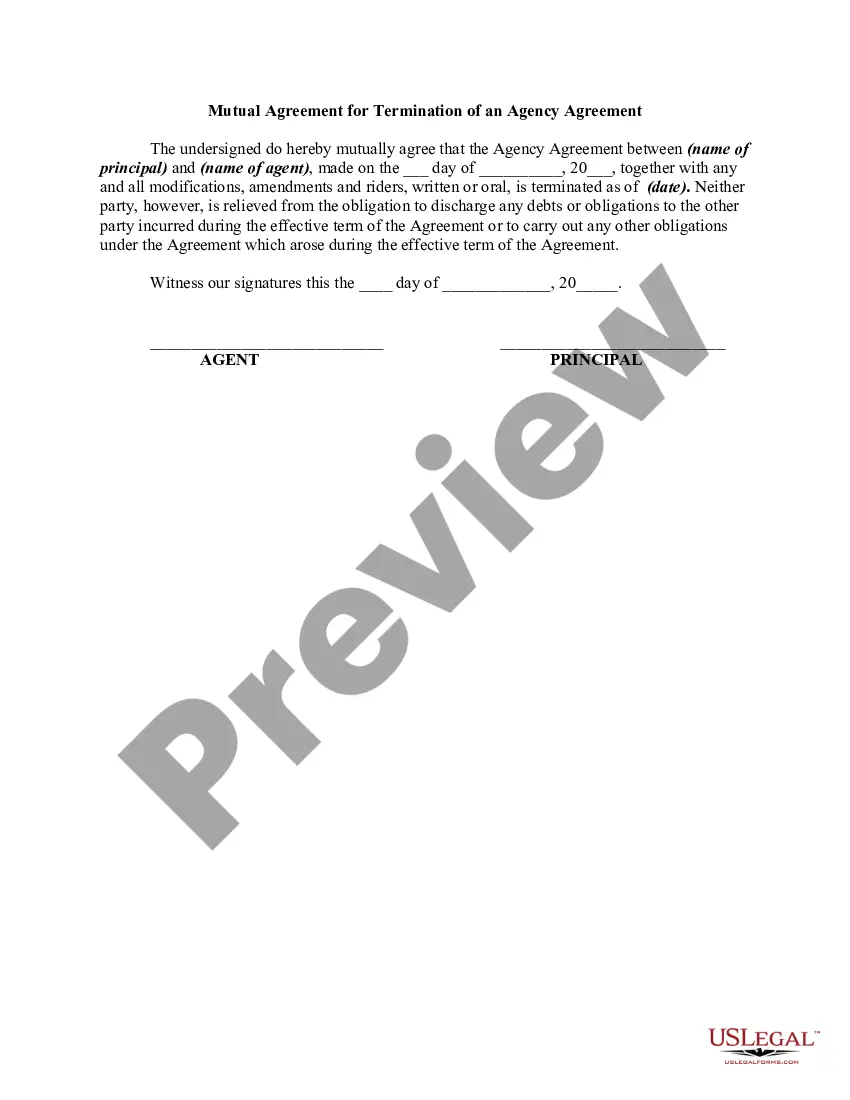
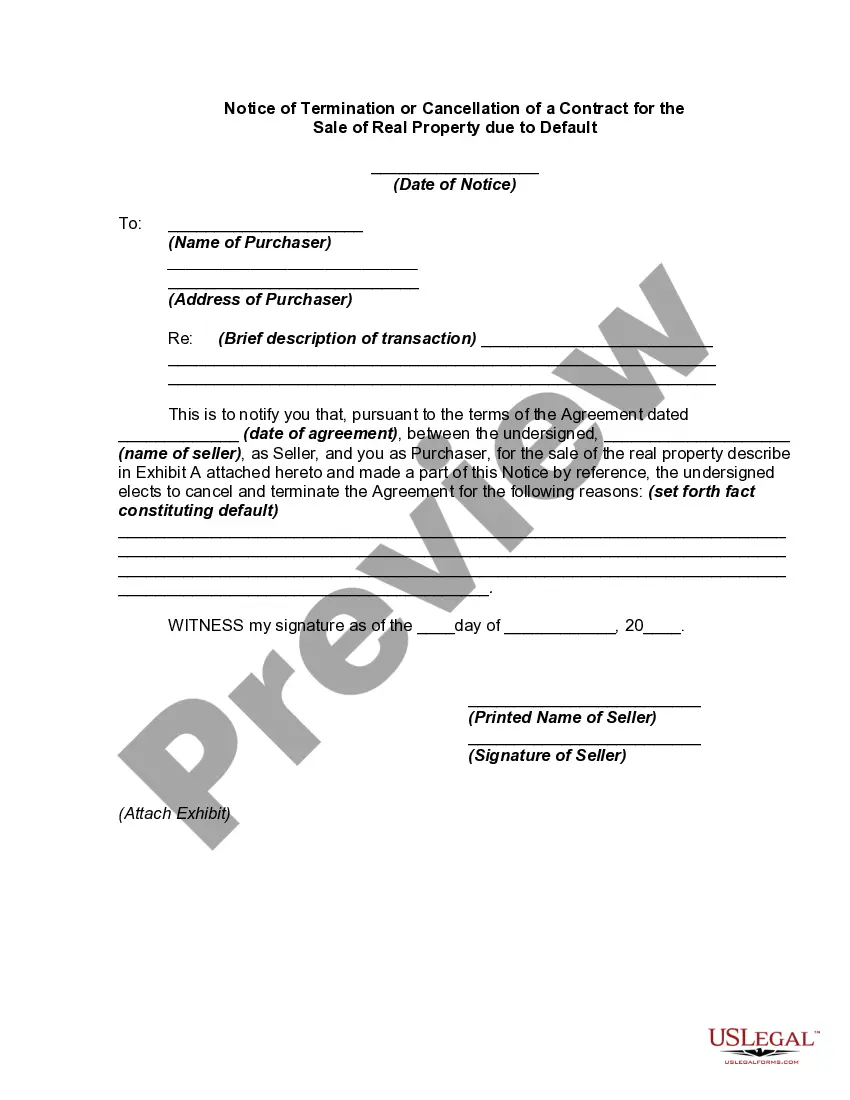

Get your form ready online
Our built-in tools help you complete, sign, share, and store your documents in one place.
Make edits, fill in missing information, and update formatting in US Legal Forms—just like you would in MS Word.
Download a copy, print it, send it by email, or mail it via USPS—whatever works best for your next step.
Sign and collect signatures with our SignNow integration. Send to multiple recipients, set reminders, and more. Go Premium to unlock E-Sign.
If this form requires notarization, complete it online through a secure video call—no need to meet a notary in person or wait for an appointment.
We protect your documents and personal data by following strict security and privacy standards.

Make edits, fill in missing information, and update formatting in US Legal Forms—just like you would in MS Word.

Download a copy, print it, send it by email, or mail it via USPS—whatever works best for your next step.

Sign and collect signatures with our SignNow integration. Send to multiple recipients, set reminders, and more. Go Premium to unlock E-Sign.

If this form requires notarization, complete it online through a secure video call—no need to meet a notary in person or wait for an appointment.

We protect your documents and personal data by following strict security and privacy standards.
Looking for another form?





Form popularity
FAQ
After seven years of discussions -- and to cheers in the council chamber -- the Concord City Council passed a rent stabilization ordinance Tuesday night, joining other Contra Costa County cities like Richmond and Antioch in controlling how much landlords can raise rents annually.
All of Contra Costa County is subject to the rent and eviction regulations for the state of California. But the only city in Contra Costa County to have actual rent control laws is Richmond. This program is aimed at promoting community and neighborhood stability, healthy housing and affordability for Richmond tenants.
Ing to AB-1482, the Tenant Protection Act of 2019, landlords in California are only permitted to increase rent by 5% plus 10% or the annual inflation rate, whichever is lower.
Termination for cause occurs when a party's actions or inactions cause the contract to break down. This could be because they've failed or refused to perform their contractual obligations and breached the contract, for example.
Annual rent increases are capped at the lesser of 3% or 60% of CPI. An annual City Council review of the rent increase cap. Rents must be “rolled back” to April 4, 2023 rates, but may be increased by 2.52% for calendar year 2023 (2.52% is 60% of the April 2023 CPI).
Step-by-step guide to writing an eviction notice without a lease Start with a clear and concise header. State the reason for eviction. Specify the time frame for vacating. Include a section on unpaid rent or damages. Provide information on the consequences of non-compliance. Sign and date the notice.
California's Tenant Protection Act The only lawful way to evict a tenant is to file lawsuit and wait for the court to order the Sheriff or Marshal to carry out the eviction. Landlords cannot change the locks, shut off power, or remove personal property in order to force a tenant out of their home.
Shortest Possible Timeline: ~30–45 days if the tenant does not contest the eviction. Average Timeline: 60–90 days, factoring in tenant responses, court delays, and sheriff availability. Extended Timeline: 3–6 months if the tenant appeals, requests a Stay of Execution, or legal complexities arise.
To start the eviction case, fill out 4 court forms: Summons - Unlawful Detainer-Eviction (form SUM-130) Complaint - Unlawful Detainer (form UD-100) Plaintiff's Mandatory Cover Sheet and Supplemental Allegations – Unlawful Detainer (form UD-101)
A contract may allow a party or both parties to elect to bring it to an end, for no specific reason. If that is the case, understanding the notice requirements will be incredibly important.

