Listing In Contract In Collin
Description
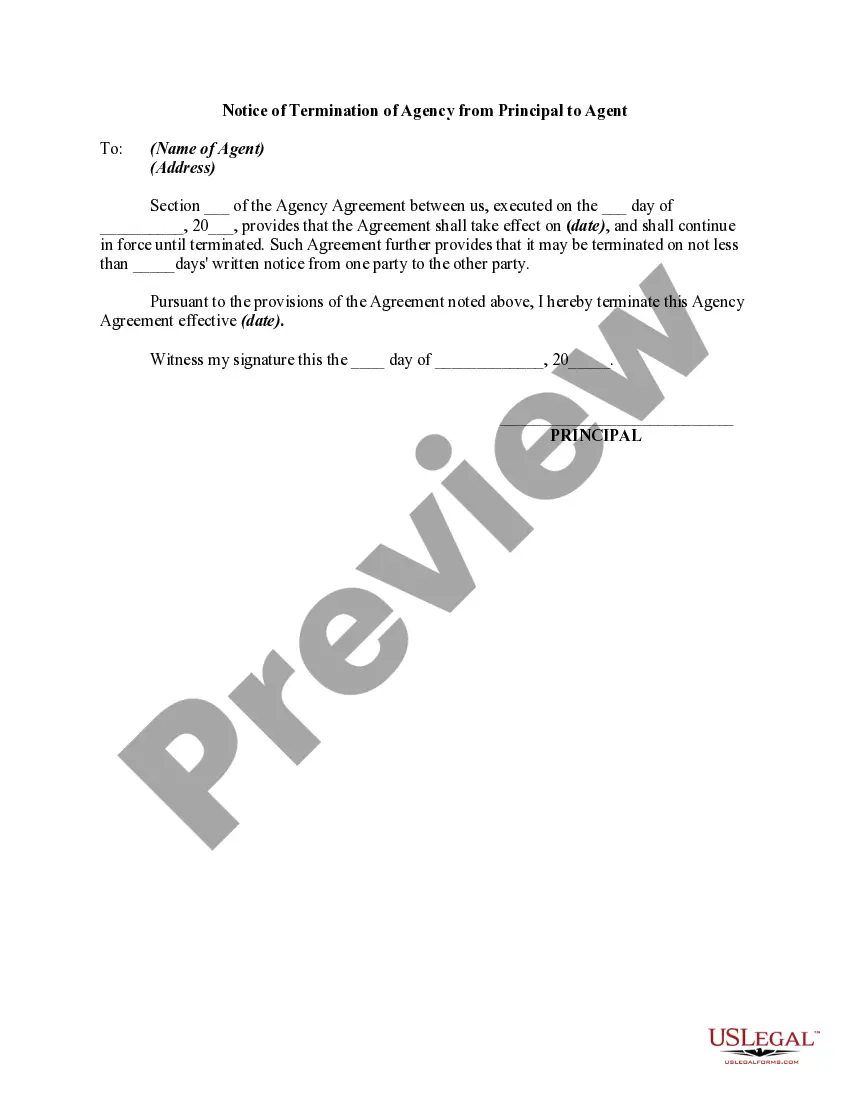
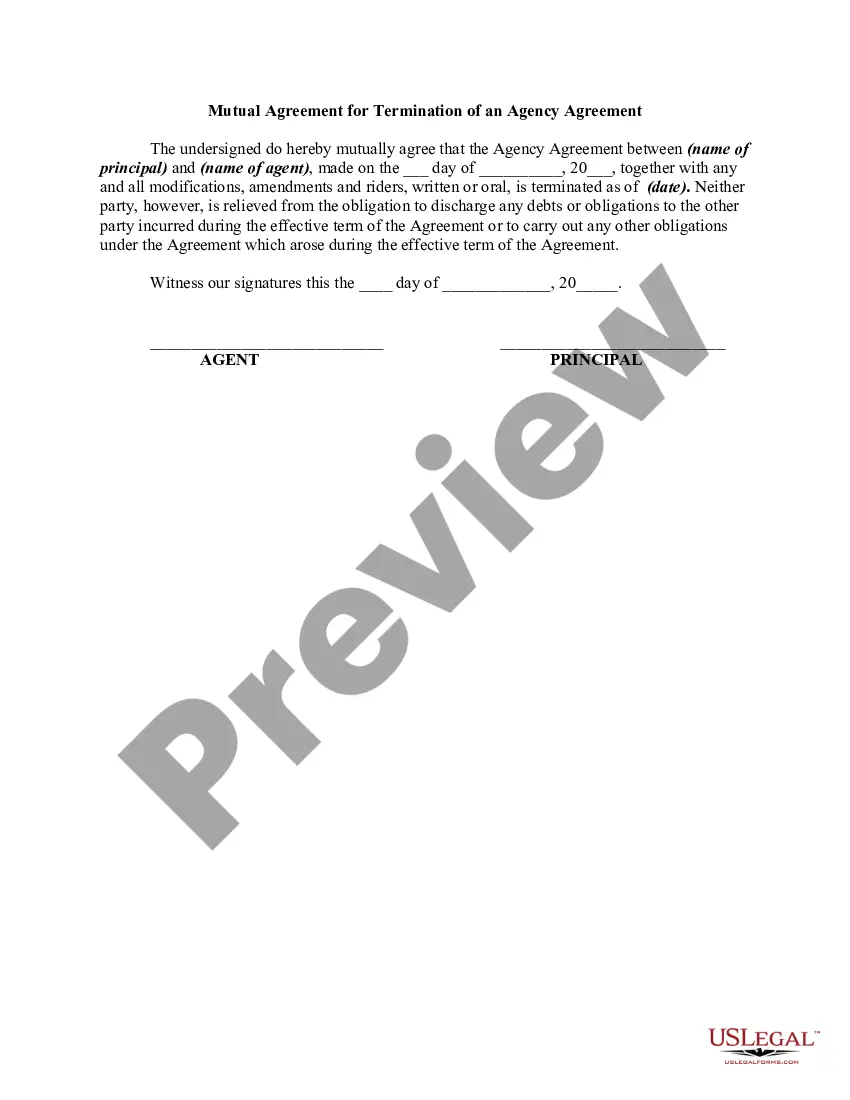
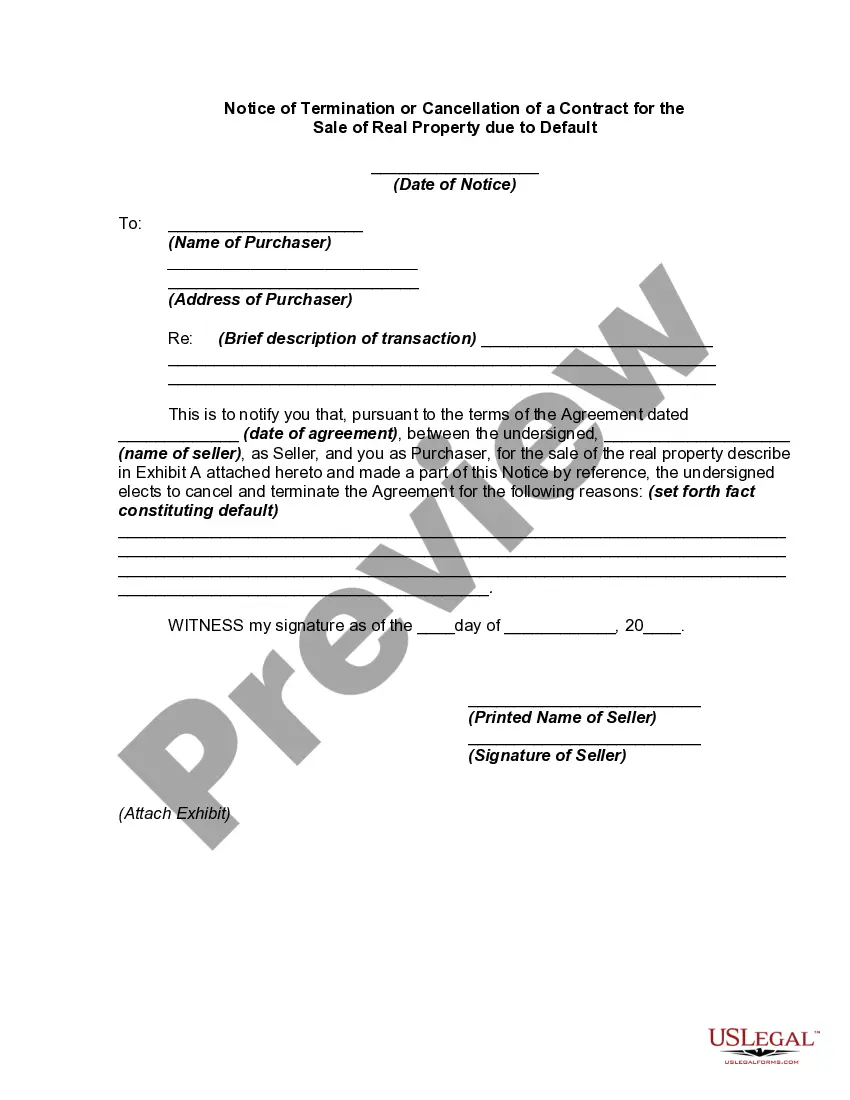
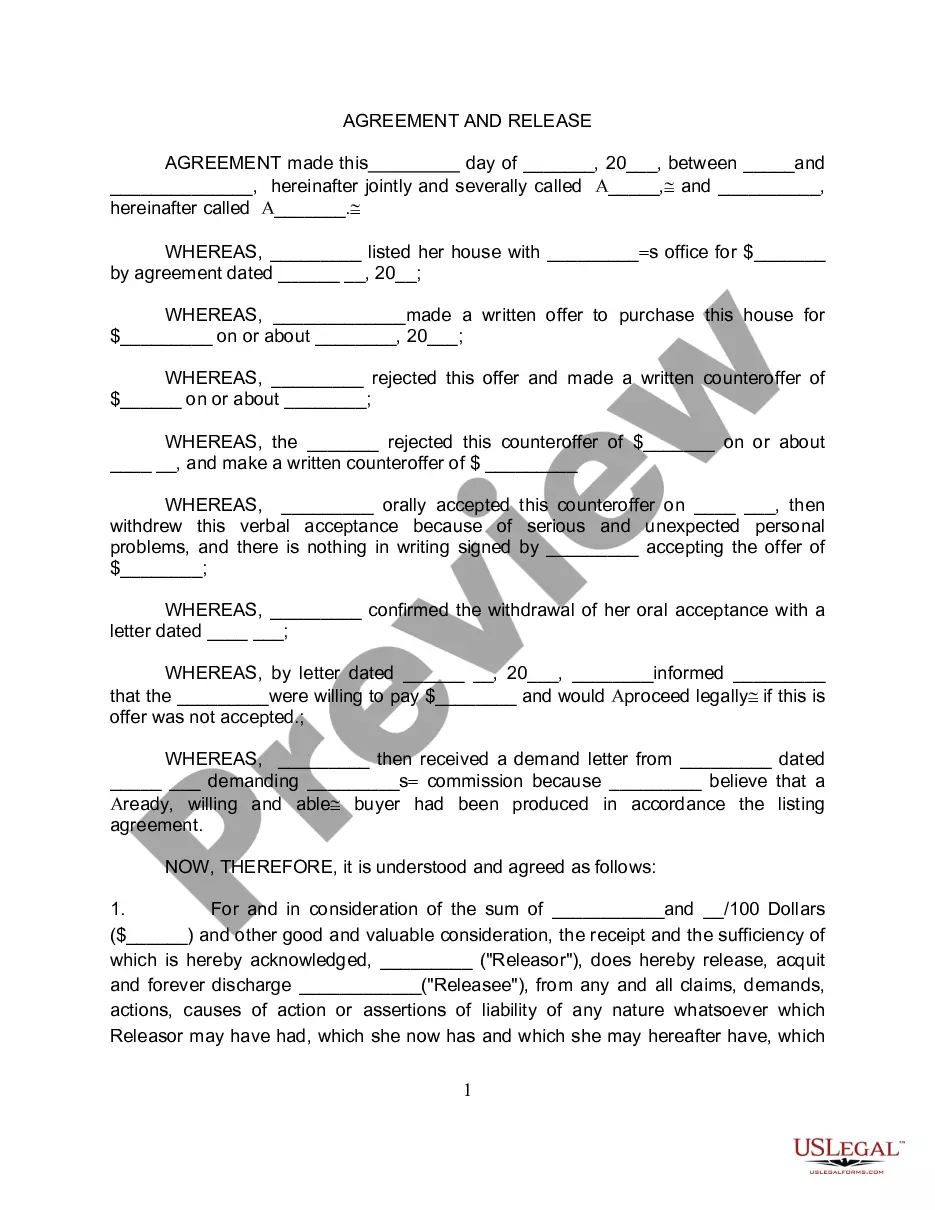
Get your form ready online
Our built-in tools help you complete, sign, share, and store your documents in one place.
Make edits, fill in missing information, and update formatting in US Legal Forms—just like you would in MS Word.
Download a copy, print it, send it by email, or mail it via USPS—whatever works best for your next step.
Sign and collect signatures with our SignNow integration. Send to multiple recipients, set reminders, and more. Go Premium to unlock E-Sign.
If this form requires notarization, complete it online through a secure video call—no need to meet a notary in person or wait for an appointment.
We protect your documents and personal data by following strict security and privacy standards.

Make edits, fill in missing information, and update formatting in US Legal Forms—just like you would in MS Word.

Download a copy, print it, send it by email, or mail it via USPS—whatever works best for your next step.

Sign and collect signatures with our SignNow integration. Send to multiple recipients, set reminders, and more. Go Premium to unlock E-Sign.

If this form requires notarization, complete it online through a secure video call—no need to meet a notary in person or wait for an appointment.

We protect your documents and personal data by following strict security and privacy standards.
Looking for another form?
Form popularity
FAQ
Sale pending: What's the difference? While “under contract” typically means there are still contingencies left to clear, pending status usually means all contingencies have been met and the deal is on its way to closing. Pending listings are less likely to accept backup offers.
Under contract means that a seller has accepted an offer on the property, but the sale isn't final until all contingencies are met. It typically takes 4 – 8 weeks from the date an offer is accepted until the sale is complete.
When searching for a rental property, you might see many of the same status updates you see in real estate sale listings. Active under contract for a rental means there is an approved renter, and possibly even a signed lease, but the process is not complete.
A listing agreement is between the parties that own a property and the agents or brokers who will find a buyer for it. Typically, a real estate listing agreement involves the property owner and a real estate agent. The property owner, or seller, grants the agent the right to market and sell the property.
A listing agreement is an example of an agency relationship that is created by express agency. In this context, express agency arises when the principal explicitly states their intention to create an agency relationship with the agent through a written or verbal agreement.
What are the rights of the seller when selling their home?” To your first question, real estate agents sometimes show a property that is under contract in order to generate a “contingency contract” which will come into play should the initial contract fail to be fulfilled.
If you're open to new ideas and a fresh approach and you want to learn how to get more listings, keep reading! Start with your sphere. Grow your sphere consistently and purposefully. Prospect old expired listings. Door knock the neighborhoods you want to work in. Host open houses for other agents. Host open houses for FSBOs.
Whether you change your mind about selling, have ethical or performance concerns about the agent, or you just don't find a buyer, you can get out of a listing agreement. But before you sign one, you should understand your options for terminating a listing agreement so you don't feel stuck in a bad situation.
Though notarization is not required, it may still be a good idea to have a notary present in order to verify the identities of all signers.

