Contract Termination Without Cause In Chicago
Description
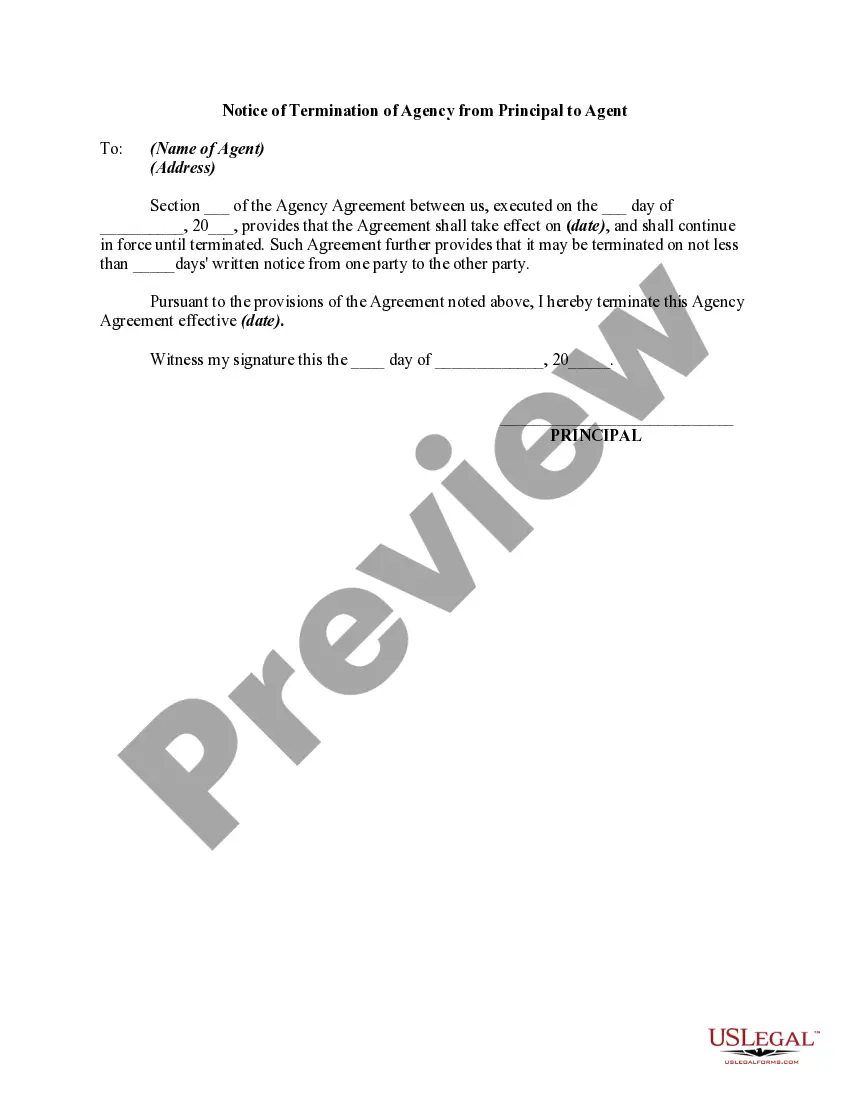
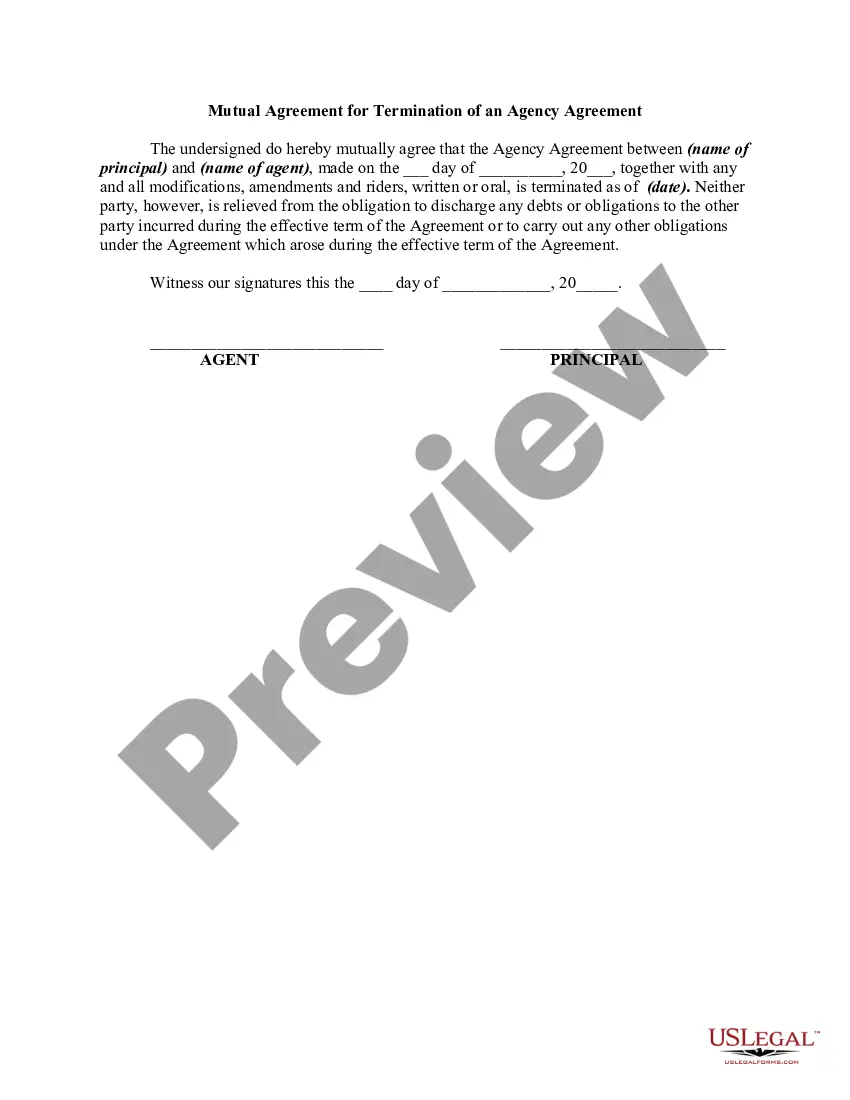
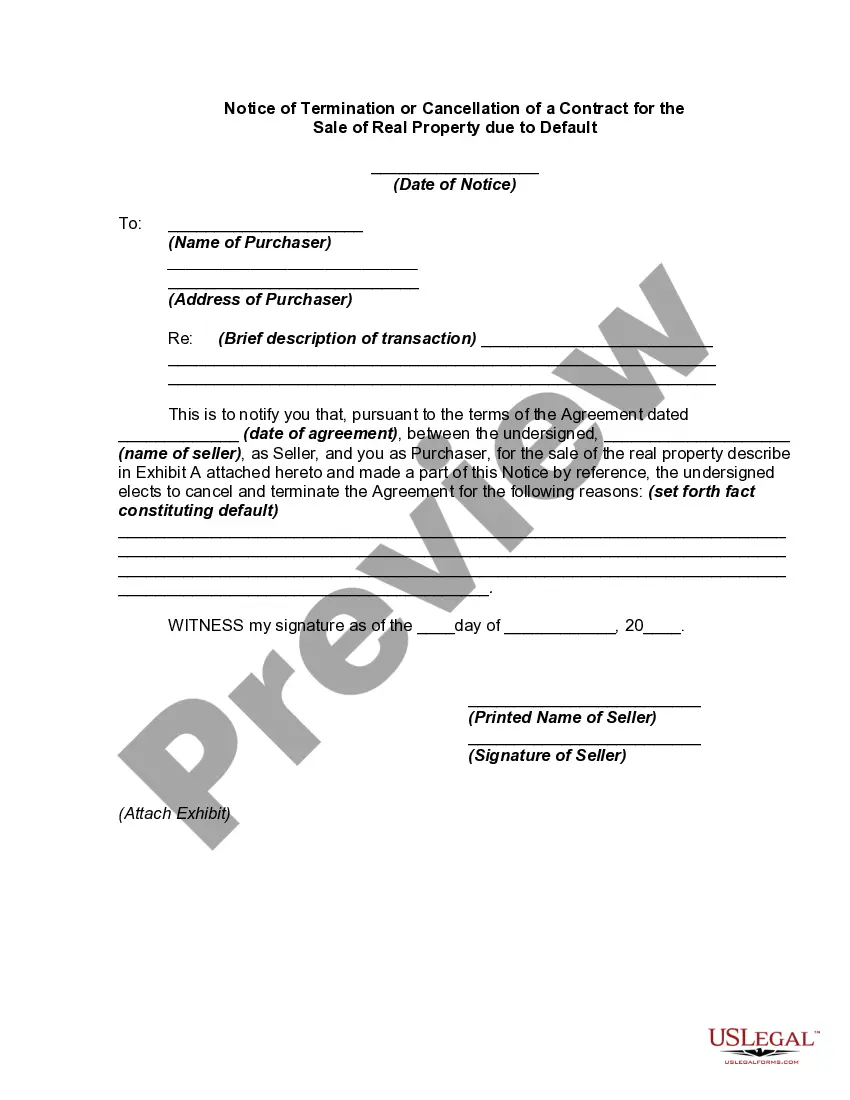

Get your form ready online
Our built-in tools help you complete, sign, share, and store your documents in one place.
Make edits, fill in missing information, and update formatting in US Legal Forms—just like you would in MS Word.
Download a copy, print it, send it by email, or mail it via USPS—whatever works best for your next step.
Sign and collect signatures with our SignNow integration. Send to multiple recipients, set reminders, and more. Go Premium to unlock E-Sign.
If this form requires notarization, complete it online through a secure video call—no need to meet a notary in person or wait for an appointment.
We protect your documents and personal data by following strict security and privacy standards.

Make edits, fill in missing information, and update formatting in US Legal Forms—just like you would in MS Word.

Download a copy, print it, send it by email, or mail it via USPS—whatever works best for your next step.

Sign and collect signatures with our SignNow integration. Send to multiple recipients, set reminders, and more. Go Premium to unlock E-Sign.

If this form requires notarization, complete it online through a secure video call—no need to meet a notary in person or wait for an appointment.

We protect your documents and personal data by following strict security and privacy standards.
Looking for another form?






Form popularity
FAQ
When it comes to employment law, a little knowledge can be powerful. California is an at-will state, meaning an employer can terminate you with or without cause.
The type of evidence you will need depends on the type of wrongful termination case you have. Evidence can be in the form of your testimony, witness statements, “me too” victims, documents, communications, and recordings. Evidence of a particular pattern, practice, and policy may also be relevant.
California, in fact, has some of the strictest laws in this regard. In this state, an employee who is fired or laid off is entitled to a final paycheck right away, at the time of the termination. If an employee quits, however, the employer is required to provide the final paycheck within 72 hours.
Is California an At-Will State and What Does that Mean? Yes, California is an at-will state. Legally, that means an employer can terminate an employee for any reason and without warning. The opposite is true as well.
2. Termination at Will. Termination at will lets you end a contract without needing a specific reason—so long as you follow legal and contractual obligations. While most common in employment agreements, it also applies to service contracts, business partnerships, and leases.
Termination for convenience For example, some contracts contain a clause that says that a contract can be terminated at any point so long as the 30-day notice period has been met. This means that parties can end the contract without any cause.
Illinois is an at-will employment state. This means most employers can terminate employees for any reason, or no reason at all, without prior warning. This includes firing employees for: Performance issues.
You can sue an employer for firing you under false accusations if the termination violates your employment contract, discriminates against protected classes, or is considered retaliatory under labor laws. Document the accusations and seek legal counsel to determine if wrongful termination laws apply in your case.
While multimillion awards are possible, it is crucial to keep in mind that federal laws limit the amount of punitive and compensatory damages awarded in cases involving wrongful termination. They cannot exceed $50,000 – $300,000, depending on the number of employees working for the employer's business.
New meal and rest break requirements: Requires employees be given a 20-minute break if working a 12-hour shift or longer, and at least 24 consecutive hours of rest in every consecutive 7-day period, clarifying the day of rest requirements for workers whose schedules don't align with a Sunday to Saturday calendar week.

