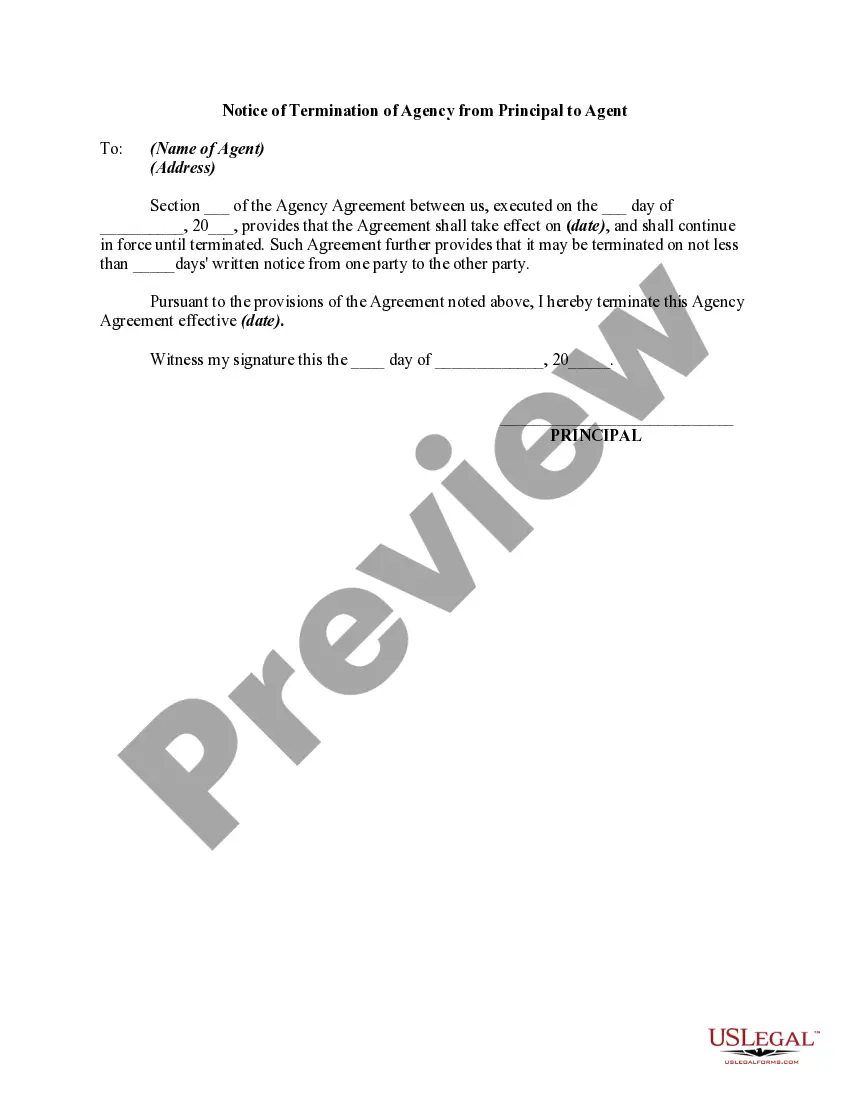
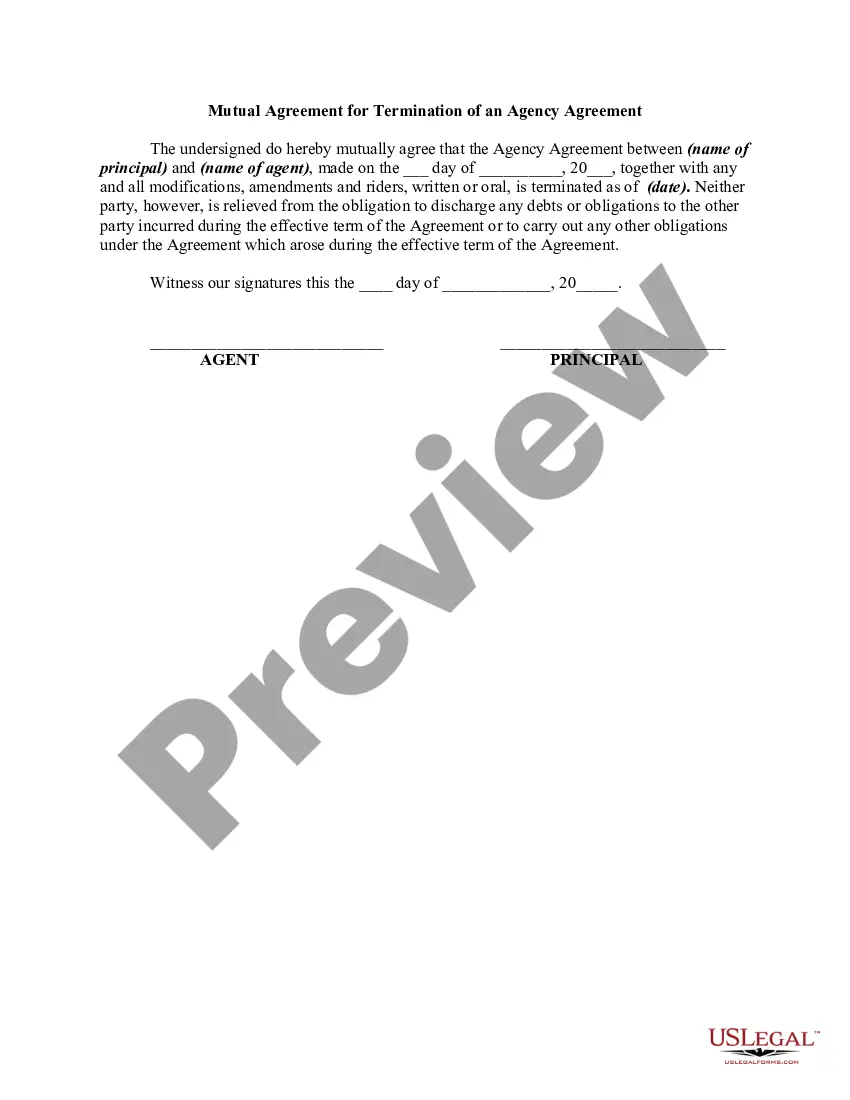
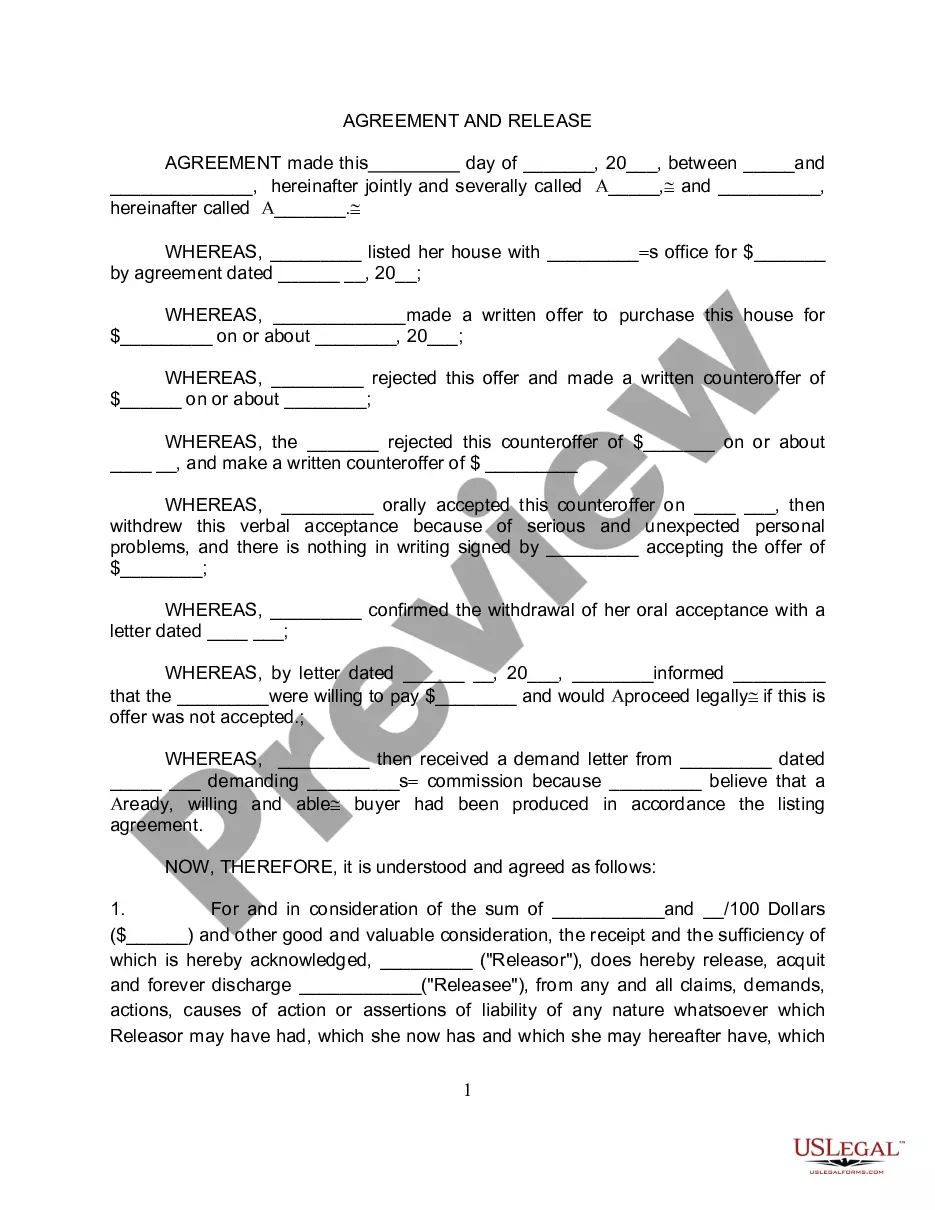
Cancellation Agreement Form For Employees In Broward
Description
Get your form ready online
Our built-in tools help you complete, sign, share, and store your documents in one place.
Make edits, fill in missing information, and update formatting in US Legal Forms—just like you would in MS Word.
Download a copy, print it, send it by email, or mail it via USPS—whatever works best for your next step.
Sign and collect signatures with our SignNow integration. Send to multiple recipients, set reminders, and more. Go Premium to unlock E-Sign.
If this form requires notarization, complete it online through a secure video call—no need to meet a notary in person or wait for an appointment.
We protect your documents and personal data by following strict security and privacy standards.

Make edits, fill in missing information, and update formatting in US Legal Forms—just like you would in MS Word.

Download a copy, print it, send it by email, or mail it via USPS—whatever works best for your next step.

Sign and collect signatures with our SignNow integration. Send to multiple recipients, set reminders, and more. Go Premium to unlock E-Sign.

If this form requires notarization, complete it online through a secure video call—no need to meet a notary in person or wait for an appointment.

We protect your documents and personal data by following strict security and privacy standards.
Looking for another form?


Form popularity
FAQ
When you fill the form: Be honest and critical. Analyze your failures and mention the reasons for it. Keep the words minimal. Identify weaknesses. Mention your achievements. Link achievements to the job description and the organization's goals. Set the goals for the next review period. Resolve conflicts and grievances.
Unrealistic Expectations: Avoid suggesting drastic changes that are impractical or unattainable. Focus on actionable feedback. Indifference: Saying you didn't care about the company or your role can come off as apathetic. Even if you're leaving, expressing some level of care shows professionalism.
The sections of the form can include the following: Reasons for leaving. Job descriptions and how employees feel about them now versus when they started. Perspectives of the company culture. Views of the work environment. Feedback about the available technology tools and resources offered.
Be positive and avoid dwelling on negative aspects. Sample Answer: "I decided to explore new opportunities primarily to challenge myself and continue growing in my career. While I've enjoyed my time here, I believe this new role will allow me to further develop my skills and contribute to a different industry."
How do you write an exit paper? Emphasize clear, concise writing that gets enough detail across without being overly emotional. Instead of saying you disliked something, explain why it was a waste of your time or why it posed a challenge. Reread and revise your exit report the day after you've written it.
Broward Health uses several mechanisms to communicate during critical incidents. The most common forms of communication in health care are telephones and computers.

