Termination Of Contract Without Cause In Bexar
Description
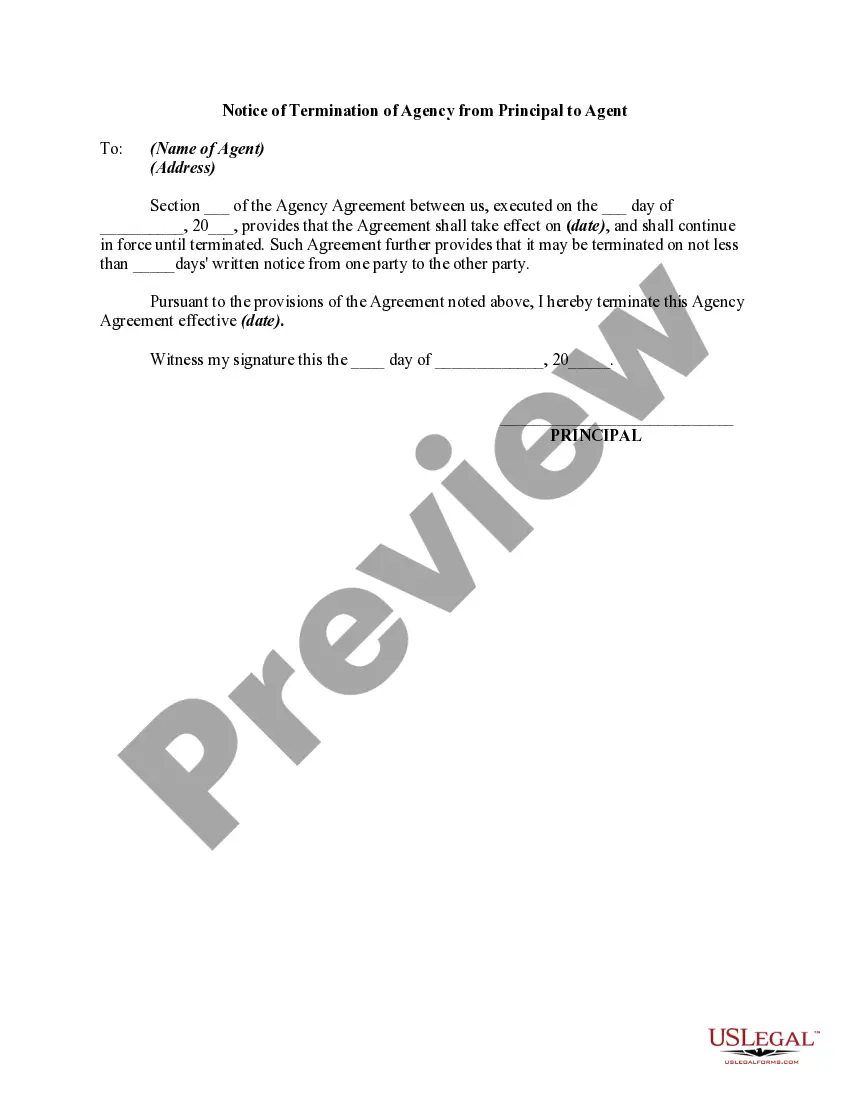
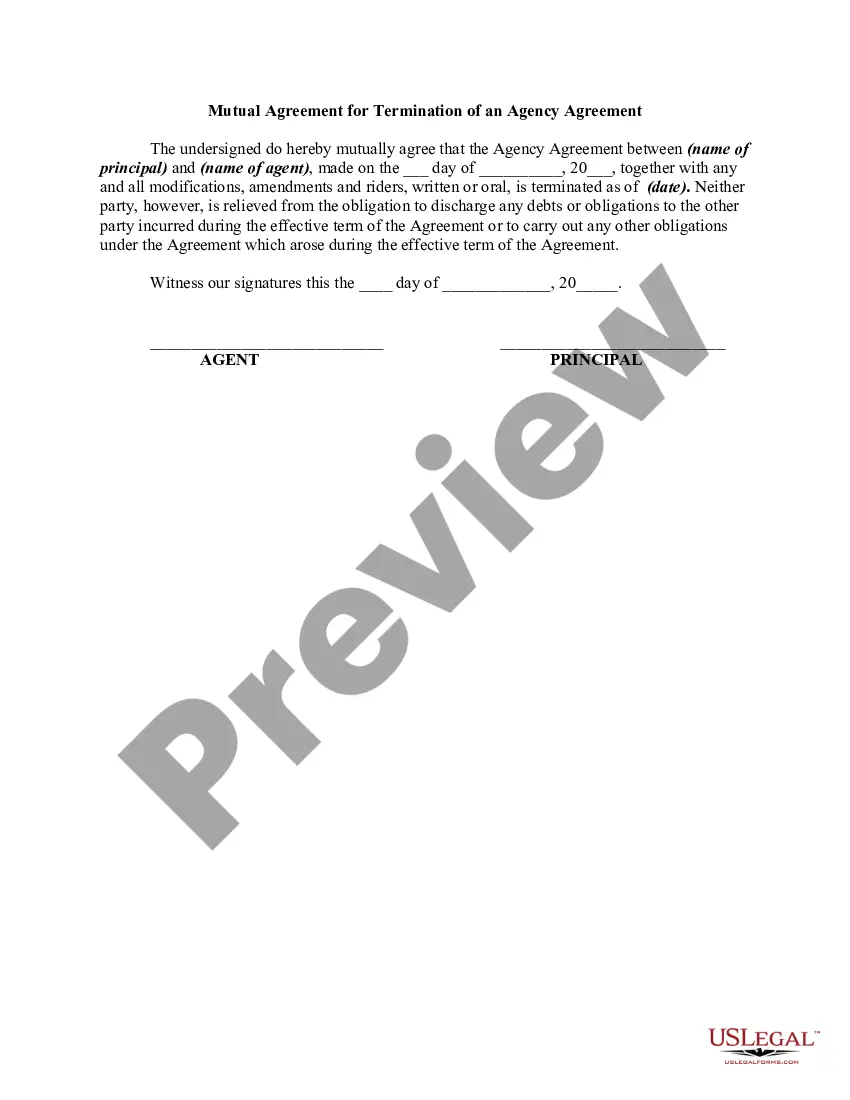
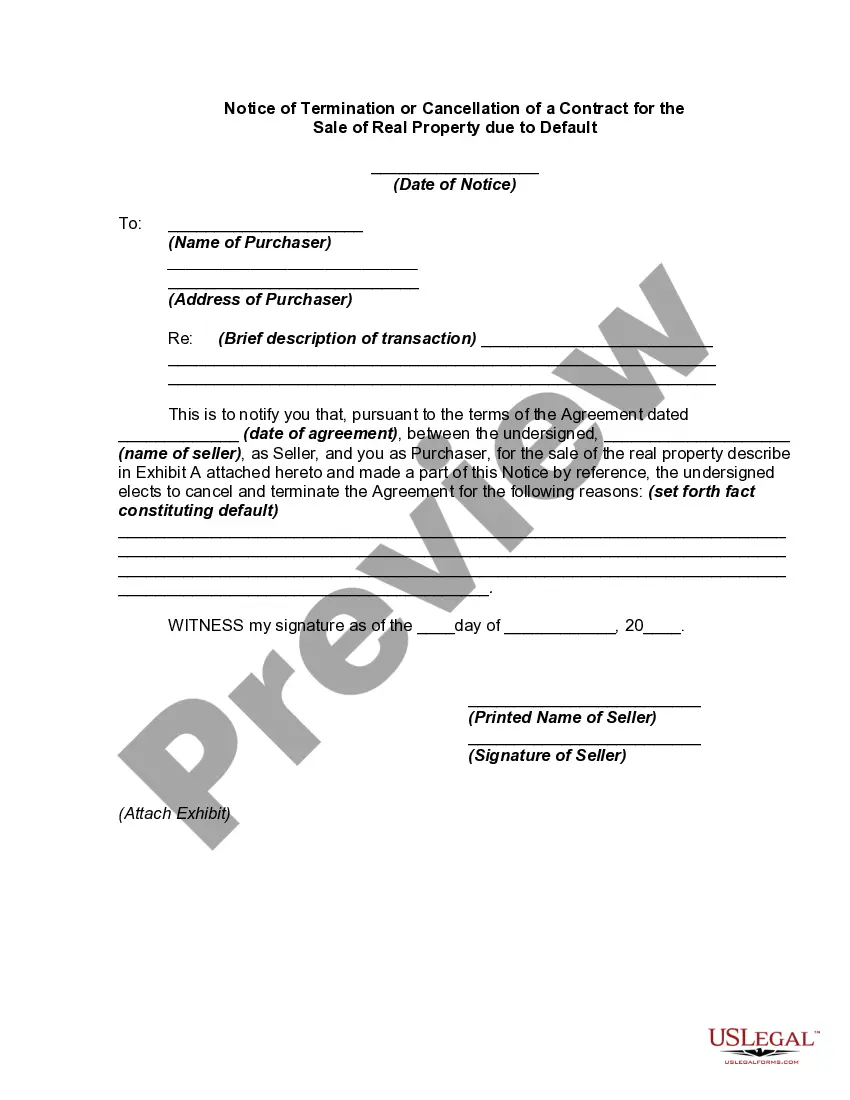
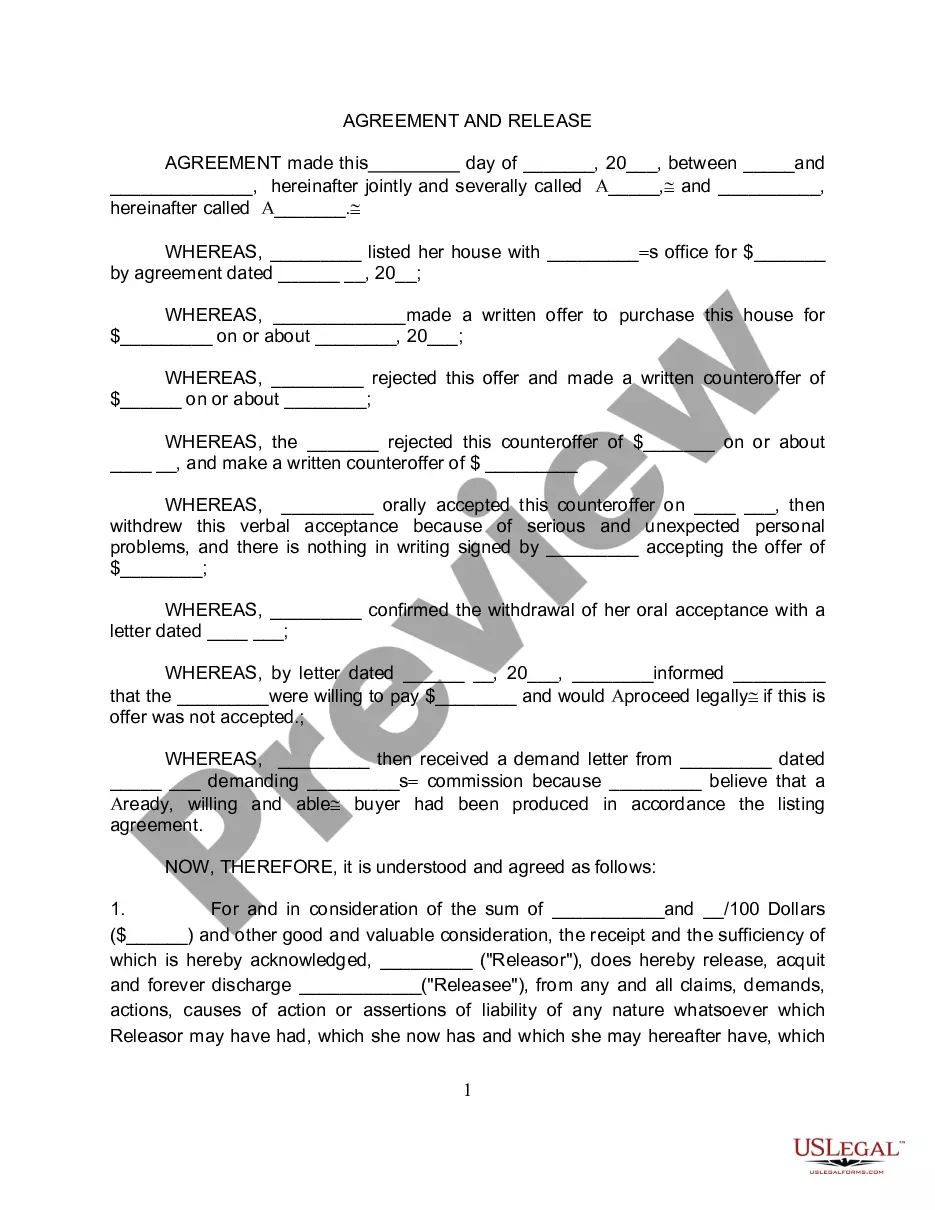
Get your form ready online
Our built-in tools help you complete, sign, share, and store your documents in one place.
Make edits, fill in missing information, and update formatting in US Legal Forms—just like you would in MS Word.
Download a copy, print it, send it by email, or mail it via USPS—whatever works best for your next step.
Sign and collect signatures with our SignNow integration. Send to multiple recipients, set reminders, and more. Go Premium to unlock E-Sign.
If this form requires notarization, complete it online through a secure video call—no need to meet a notary in person or wait for an appointment.
We protect your documents and personal data by following strict security and privacy standards.

Make edits, fill in missing information, and update formatting in US Legal Forms—just like you would in MS Word.

Download a copy, print it, send it by email, or mail it via USPS—whatever works best for your next step.

Sign and collect signatures with our SignNow integration. Send to multiple recipients, set reminders, and more. Go Premium to unlock E-Sign.

If this form requires notarization, complete it online through a secure video call—no need to meet a notary in person or wait for an appointment.

We protect your documents and personal data by following strict security and privacy standards.
Looking for another form?







Form popularity
FAQ
Ensure Proper Grounds for Termination Common grounds for this sort of action include a breach of the contract terms, changes in business circumstances, or non-performance of the breaching party. Be sure that the grounds for termination are legally sound and appropriately documented.
In Ontario, termination “without cause” generally refers to situations where an employee is let go due to reasons unrelated to misconduct, such as business restructuring or downsizing. On the other hand, termination “for cause” occurs when an employee is dismissed due to serious misconduct such as theft or harassment.
For instance, it would be illegal for an employer to terminate an employee because of race, religion, age or disability discrimination or retaliation. Other examples would include terminating an employee because the employee disclosed she was pregnant, or because the employee made a workplace safety complaint.
Regardless of what your grounds are, notice is required to terminate any contract. Typically, this notice will come in the form of a written document that clearly explains your decision to terminate the contract, why you wish to do so, and on what grounds.
Comment: A termination without cause provision (also called a “termination for convenience” clause) permits one or both parties to terminate the agreement at any time after an initial contracting period.
California Is an “At-Will” State California obeys “at-will” employment laws. This means that all employers have the right to terminate employees at will, for almost any reason, or for no reason at all.
Gather evidence—collect any documentation, emails, performance evaluations, or other relevant records supporting your wrongful termination claim. Consult with an employment attorney—schedule a consultation with an experienced employment attorney specializing in California wrongful termination cases.
Gather evidence—collect any documentation, emails, performance evaluations, or other relevant records supporting your wrongful termination claim. Consult with an employment attorney—schedule a consultation with an experienced employment attorney specializing in California wrongful termination cases.
Be factual and compassionate, but avoid lingering on any details as to why they're being let go and maintain a firm position that steers away from too much debate and resulting justification. Focus instead on the details of the severance package, and communicate your gratitude for their time spent at the company.
Being fired without cause means an employer is letting an employee go, but not because of serious workplace misconduct. Conversely, being fired with cause means the employee committed a serious breach of conduct in their workplace, which led to their termination.

