Termination Document For Employee In Bexar
Description
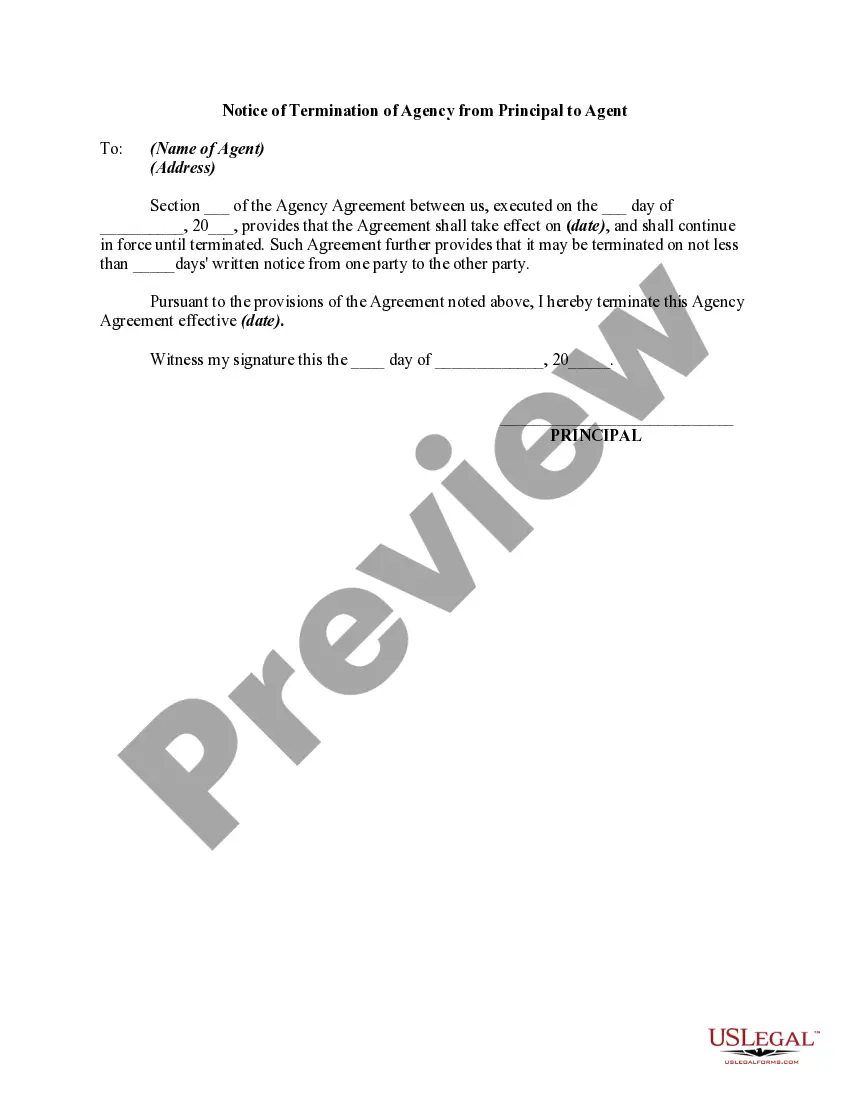
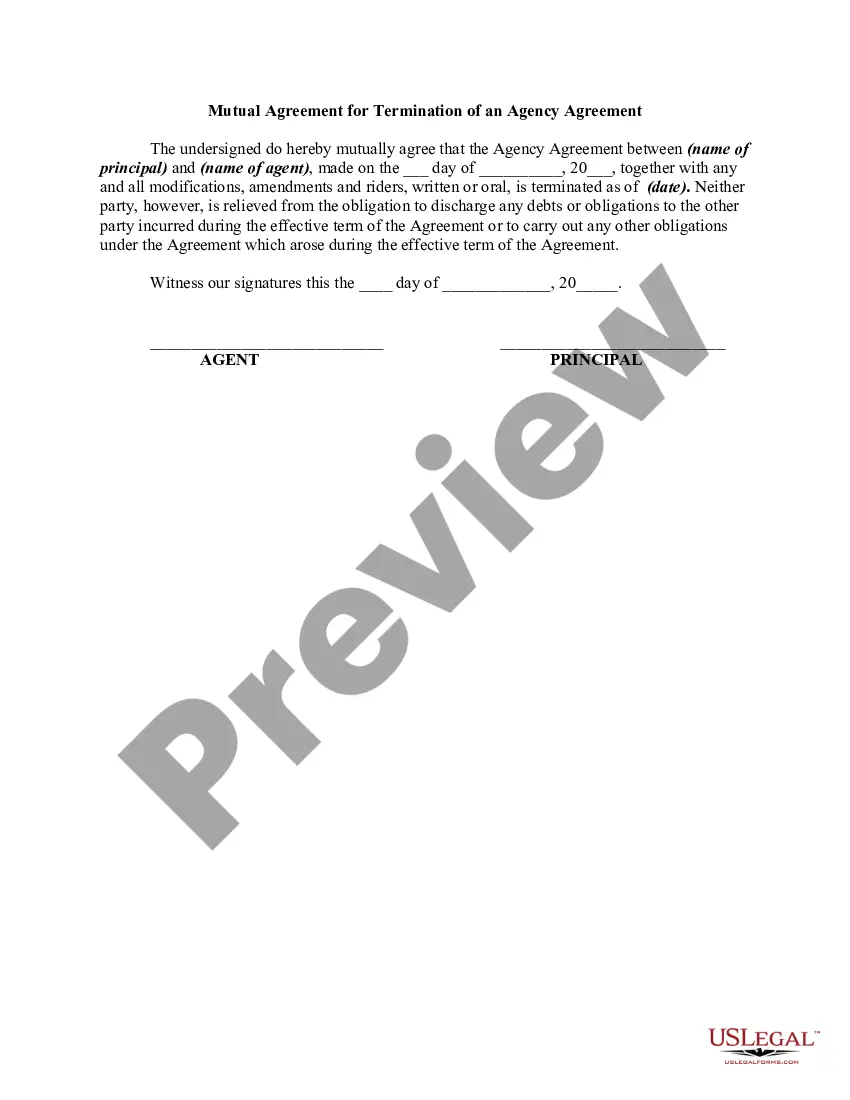
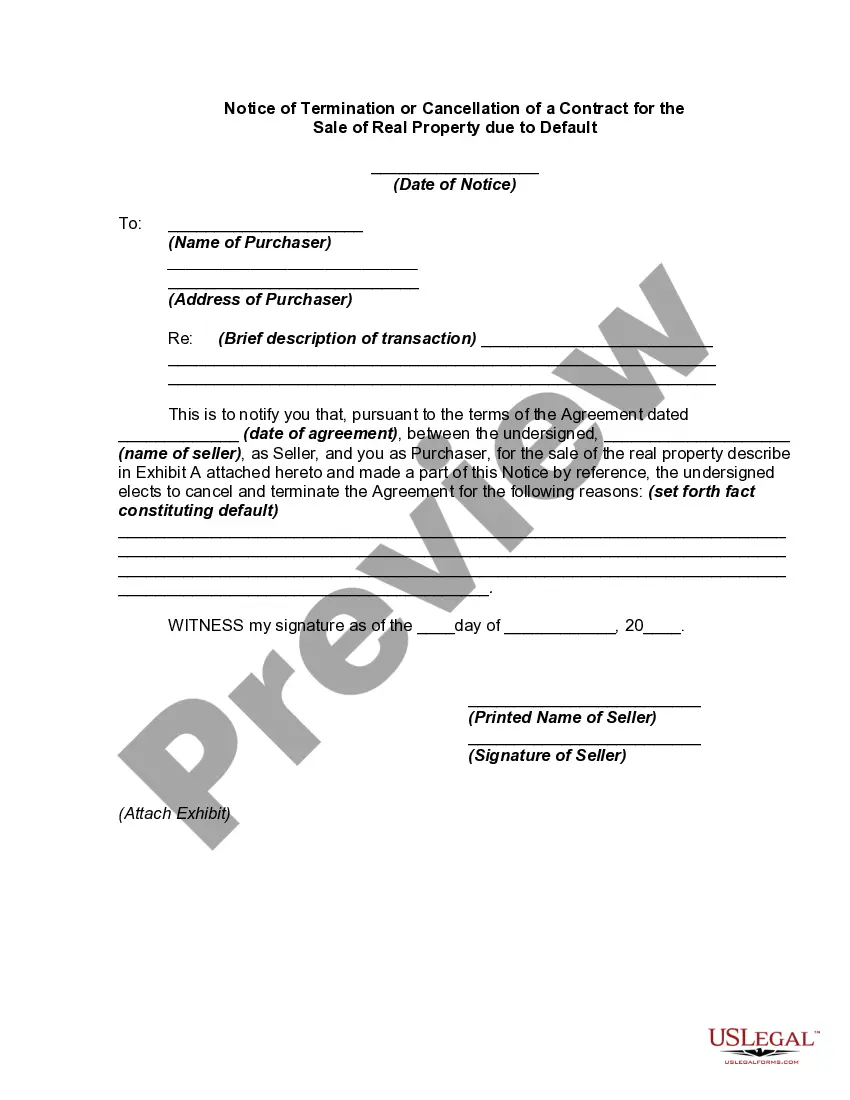

Get your form ready online
Our built-in tools help you complete, sign, share, and store your documents in one place.
Make edits, fill in missing information, and update formatting in US Legal Forms—just like you would in MS Word.
Download a copy, print it, send it by email, or mail it via USPS—whatever works best for your next step.
Sign and collect signatures with our SignNow integration. Send to multiple recipients, set reminders, and more. Go Premium to unlock E-Sign.
If this form requires notarization, complete it online through a secure video call—no need to meet a notary in person or wait for an appointment.
We protect your documents and personal data by following strict security and privacy standards.

Make edits, fill in missing information, and update formatting in US Legal Forms—just like you would in MS Word.

Download a copy, print it, send it by email, or mail it via USPS—whatever works best for your next step.

Sign and collect signatures with our SignNow integration. Send to multiple recipients, set reminders, and more. Go Premium to unlock E-Sign.

If this form requires notarization, complete it online through a secure video call—no need to meet a notary in person or wait for an appointment.

We protect your documents and personal data by following strict security and privacy standards.
Looking for another form?








Form popularity
FAQ
The termination date. Reason(s) for termination. An explanation of next steps for compensation and benefits. A list of company property employees need to return.
Contact HR or Payroll: If you haven't already, try reaching out to the human resources (HR) department or payroll department of your past employer. They may have procedures in place for issuing termination letters or may be able to assist you in obtaining the letter.
A termination letter is an official notice from your employer that informs you your job with the company is ending. This letter will usually explain why you are being let go, tell you your last day of work, and provide details about your final paycheck and benefits.
What information should it include? Date the document was issued. Contact details of your employer, preferably on an official company letterhead or stamp. Name of the employee. Nature of the contract (i.e. temporary, permanent, contract). Last day of employment. Confirmation that the employment has been terminated.
A letter of termination is a formal notice to inform an employee they will be dismissed from their current employment. A clear letter of termination can help the departing employee follow internal HR policies, protecting the organization and helping ensure a smooth transition.
When a company ends an employee's job, they typically provide a termination letter, also called a letter of separation, stating the reason for termination and next steps. A termination letter is an official and professional way to document and describe the separation between the employee and employer.
You must obtain a certified copy of a divorce decree from the district clerk's office in the county where the divorce was granted.
To obtain a copy of a divorce decree contact the District Clerk's Office at (210) 335-2113. The office is located at 101 W. Nueva, Suite 217, San Antonio, Texas 78205 and is operated Monday through Friday from am to pm.
After your petition for divorce has been filed, Texas law requires a 60-day waiting period in order for the divorce to be finalized, even if it is uncontested.
I would start by searching the clerk of courts website for the county and state where the divorce proceedings took place. If on-line access is available, call or visit the clerk of court's office and request a copy. I would suggest that you get at least one certified copy for future use.

