Terminated Contract With In Allegheny
Description
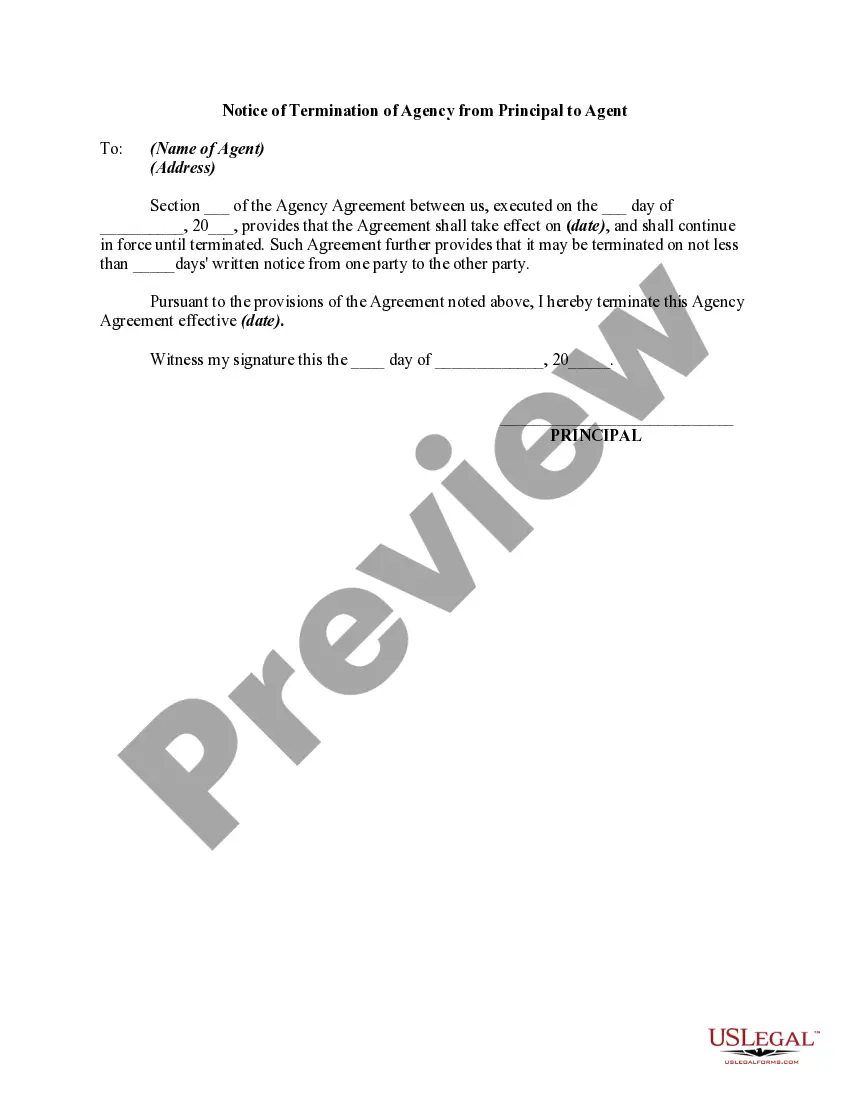
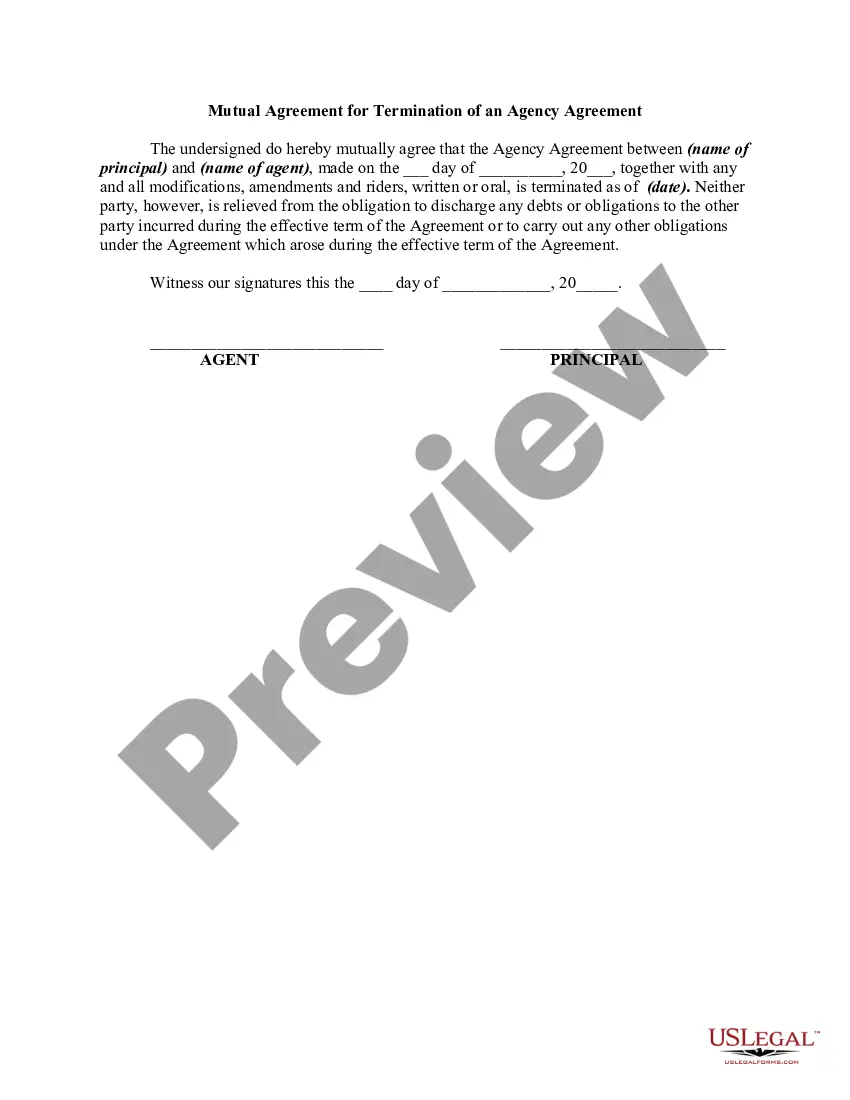
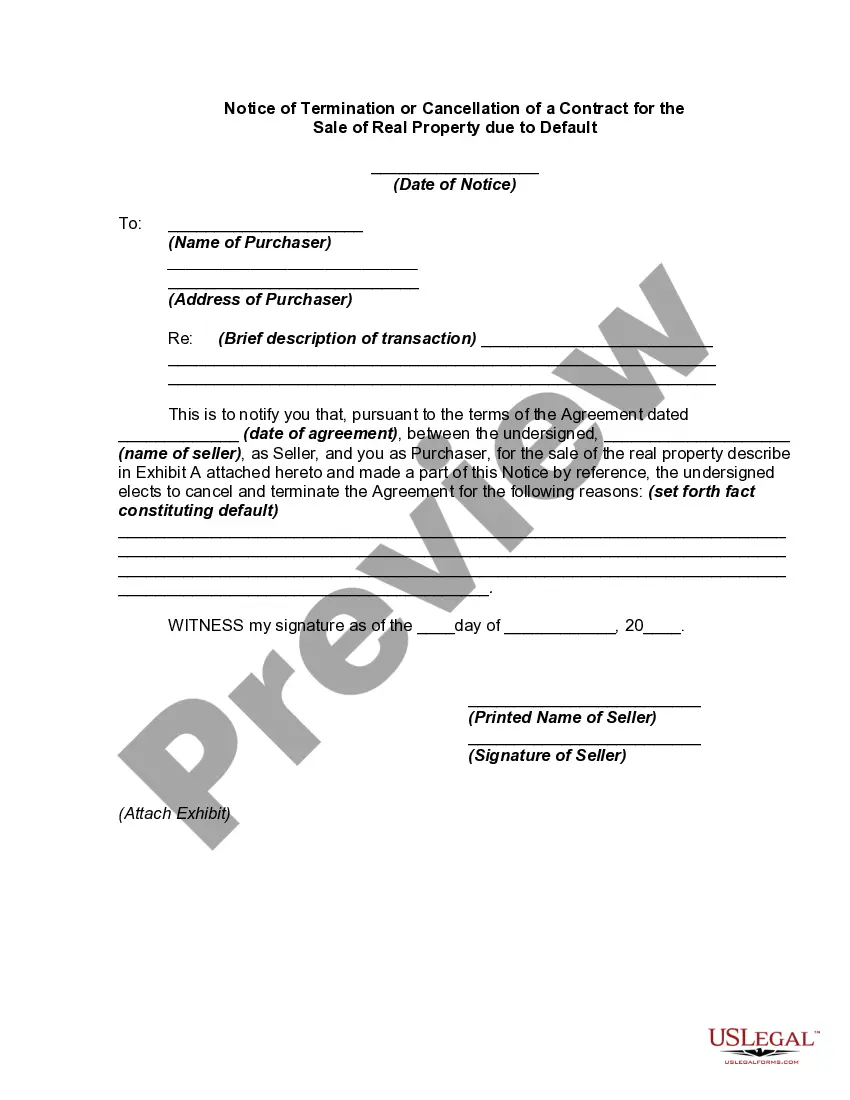
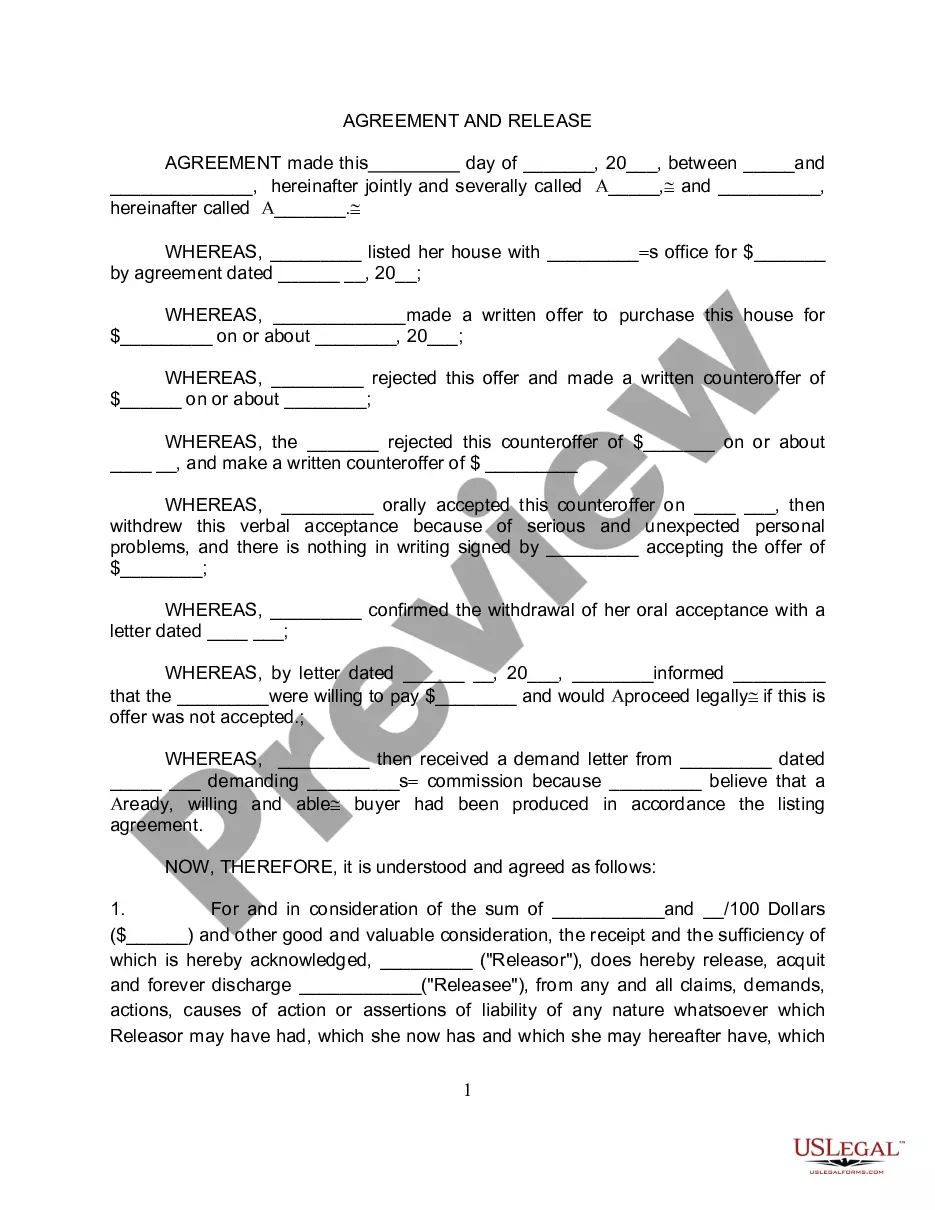
Get your form ready online
Our built-in tools help you complete, sign, share, and store your documents in one place.
Make edits, fill in missing information, and update formatting in US Legal Forms—just like you would in MS Word.
Download a copy, print it, send it by email, or mail it via USPS—whatever works best for your next step.
Sign and collect signatures with our SignNow integration. Send to multiple recipients, set reminders, and more. Go Premium to unlock E-Sign.
If this form requires notarization, complete it online through a secure video call—no need to meet a notary in person or wait for an appointment.
We protect your documents and personal data by following strict security and privacy standards.

Make edits, fill in missing information, and update formatting in US Legal Forms—just like you would in MS Word.

Download a copy, print it, send it by email, or mail it via USPS—whatever works best for your next step.

Sign and collect signatures with our SignNow integration. Send to multiple recipients, set reminders, and more. Go Premium to unlock E-Sign.

If this form requires notarization, complete it online through a secure video call—no need to meet a notary in person or wait for an appointment.

We protect your documents and personal data by following strict security and privacy standards.
Looking for another form?








Form popularity
FAQ
If you are successful in terminating your contract, all parties will be released from their remaining contractual obligations. If the termination was as a result of a severe breach, the breaching party may even need to provide the other party with certain remedies for the termination and breach.
The ideal (and more formal) method to accomplish a reinstatement would be to have an attorney draft a simple reinstatement agreement and then have that agreement signed by all of the parties.
However, for most contracts, termination results in all parties being relieved of performing future obligations under the contract. This means that the parties will still be liable for their breaches of contract before termination.
After the contract is terminated, all future obligations and expectations are nullified. However, pre-existing obligations may still be in effect depending on the terms of the agreement.
After the contract is terminated, all future obligations and expectations are nullified. However, pre-existing obligations may still be in effect depending on the terms of the agreement.
The best way to end a contract early is to speak with the party you're in contract with. Simple negotiation is often all it takes to reach a favorable resolution. If they don't agree to ending the contract early, consider getting a lawyer to help you determine your next best step.
This means that one or more parties have made the decision to conclude the contract earlier than they had originally agreed when drafting and signing it. If a contract is terminated, all parties will be freed from their responsibilities and obligations. This is also known as discharging a contract.
After the contract is terminated, all future obligations and expectations are nullified. However, pre-existing obligations may still be in effect depending on the terms of the agreement.
This means that one or more parties have made the decision to conclude the contract earlier than they had originally agreed when drafting and signing it. If a contract is terminated, all parties will be freed from their responsibilities and obligations.

