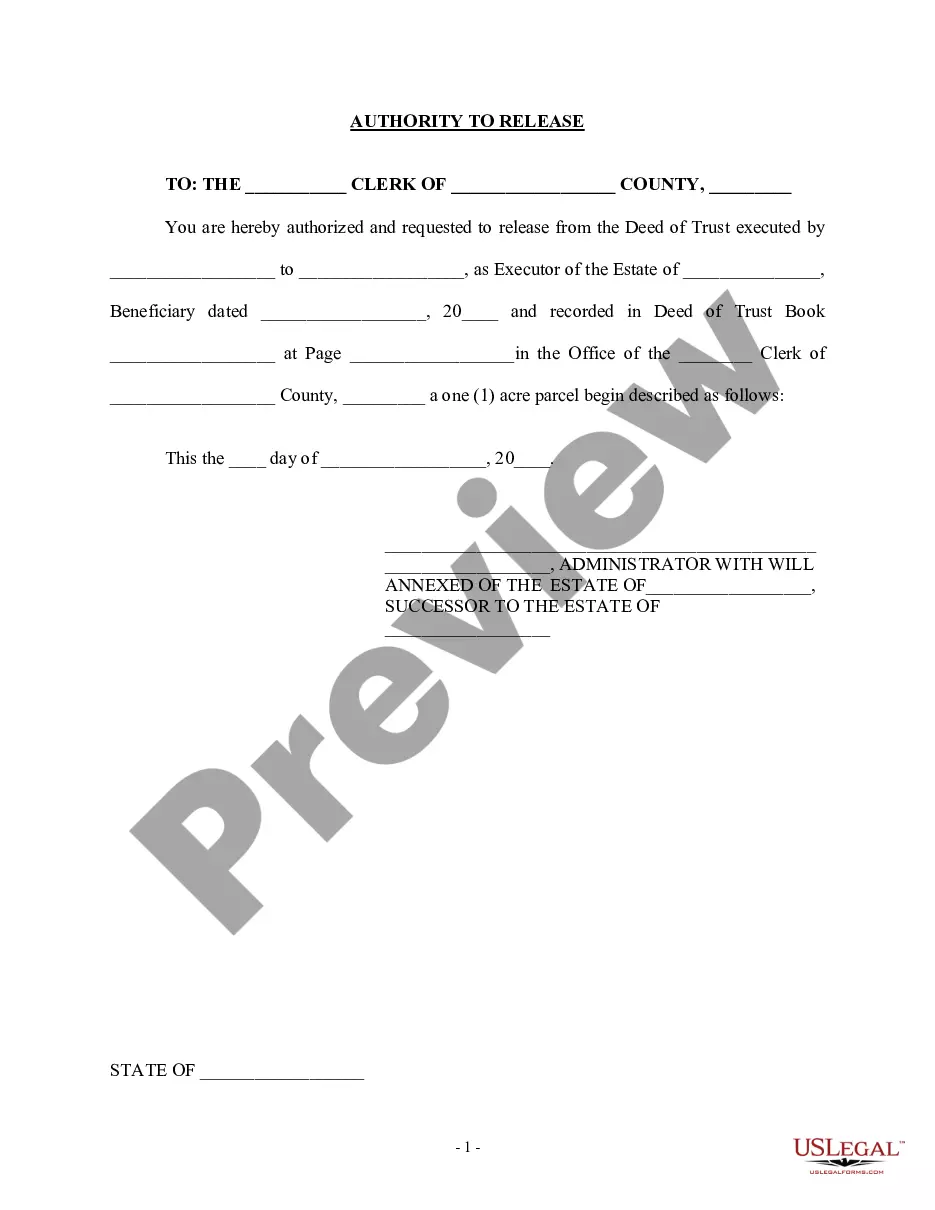
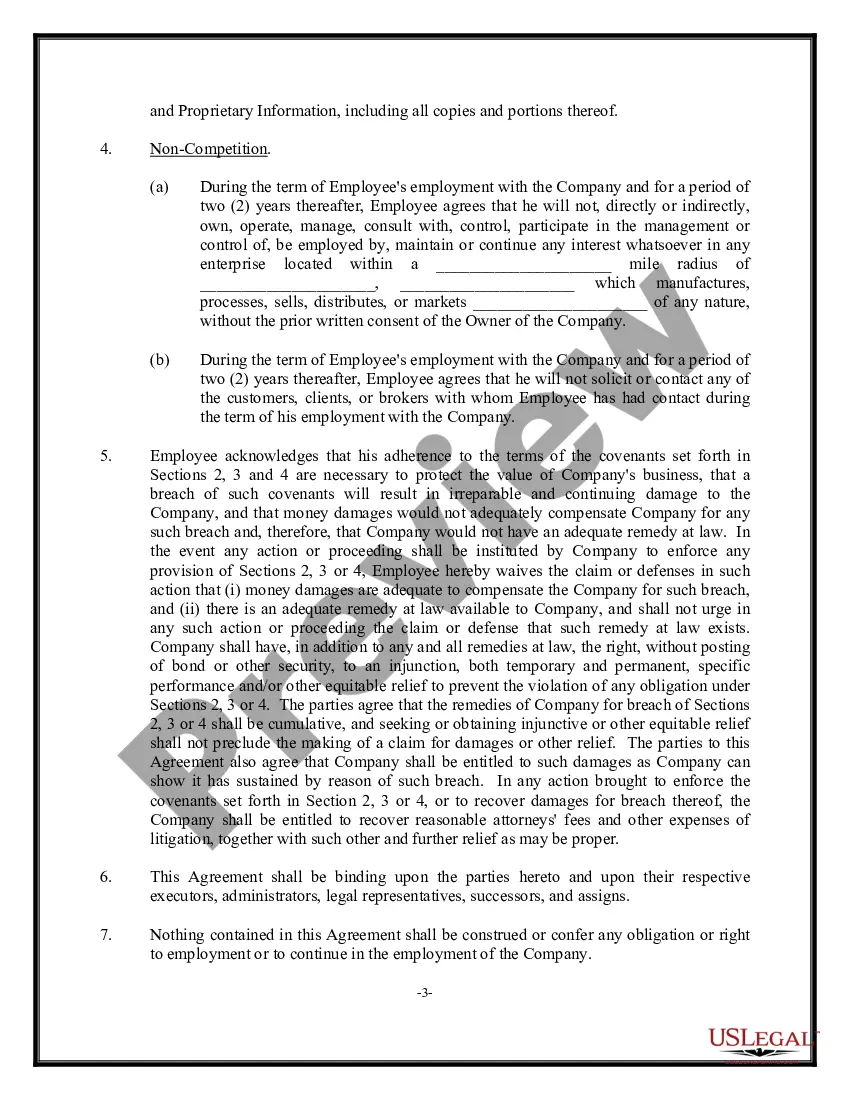
Competition Noncompetition For Us Treasuries In Wayne
Description

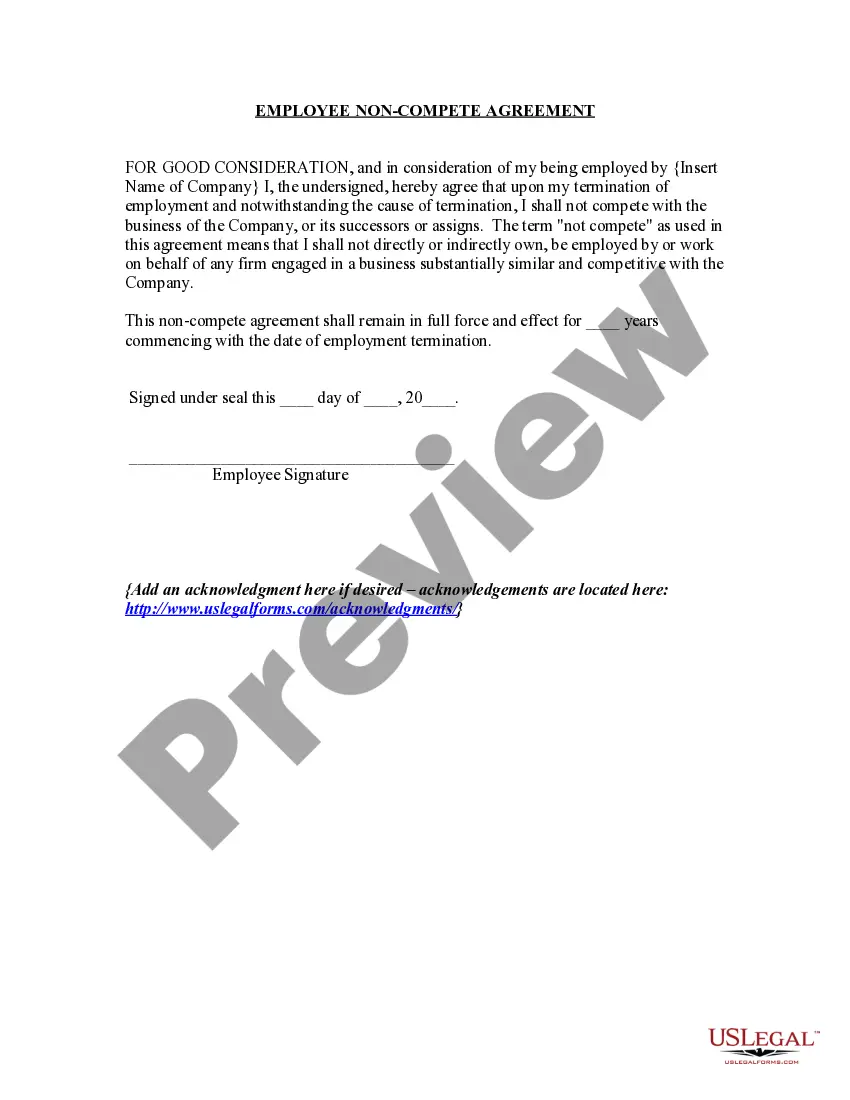
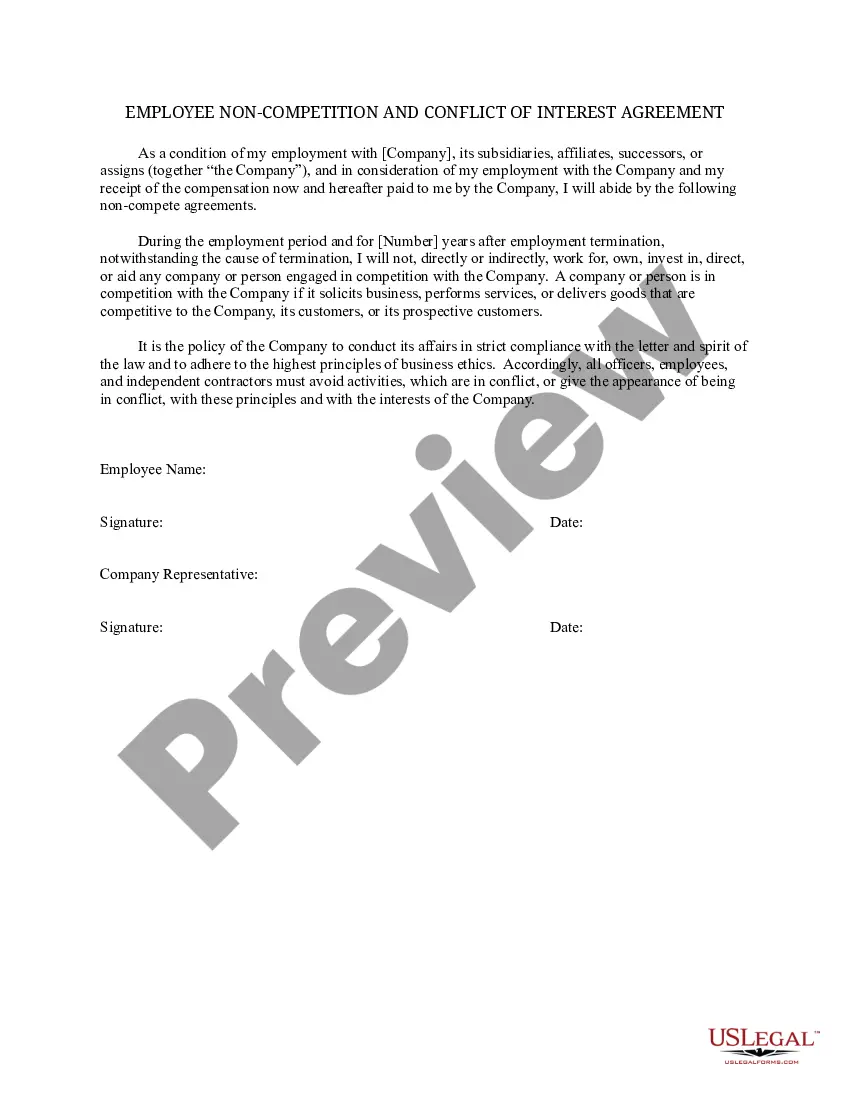
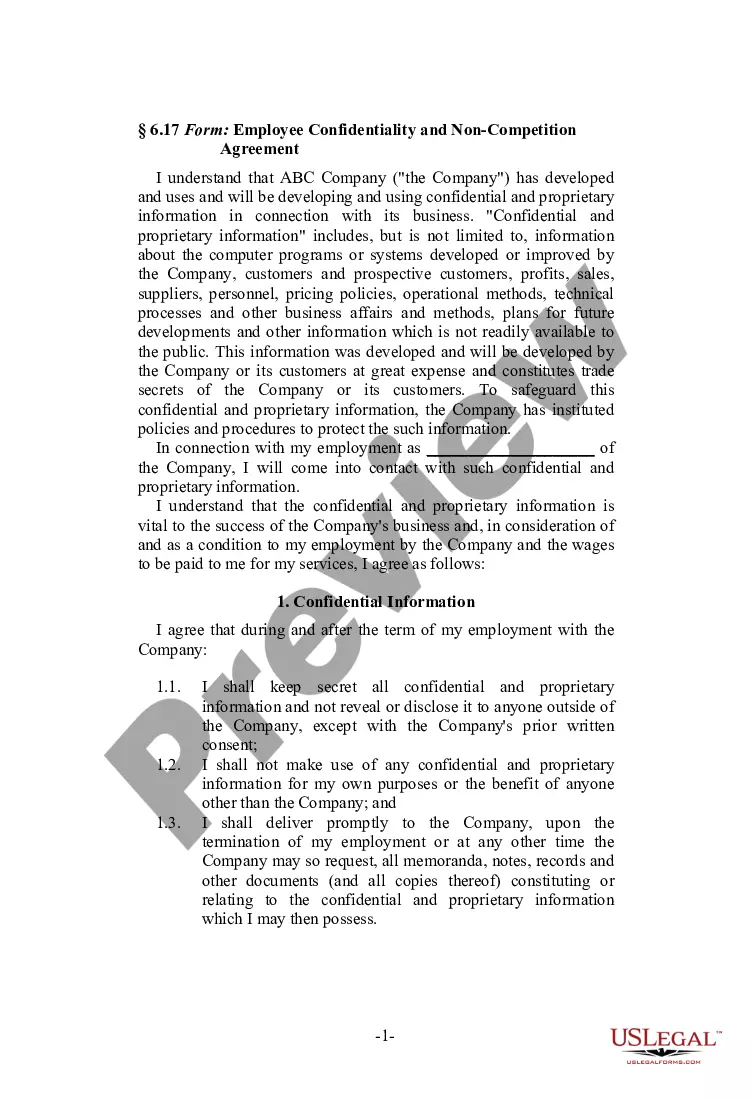
Get your form ready online
Our built-in tools help you complete, sign, share, and store your documents in one place.
Make edits, fill in missing information, and update formatting in US Legal Forms—just like you would in MS Word.
Download a copy, print it, send it by email, or mail it via USPS—whatever works best for your next step.
Sign and collect signatures with our SignNow integration. Send to multiple recipients, set reminders, and more. Go Premium to unlock E-Sign.
If this form requires notarization, complete it online through a secure video call—no need to meet a notary in person or wait for an appointment.
We protect your documents and personal data by following strict security and privacy standards.

Make edits, fill in missing information, and update formatting in US Legal Forms—just like you would in MS Word.

Download a copy, print it, send it by email, or mail it via USPS—whatever works best for your next step.

Sign and collect signatures with our SignNow integration. Send to multiple recipients, set reminders, and more. Go Premium to unlock E-Sign.

If this form requires notarization, complete it online through a secure video call—no need to meet a notary in person or wait for an appointment.

We protect your documents and personal data by following strict security and privacy standards.
Looking for another form?








Form popularity
FAQ
The FTC appealed both rulings. After President Trump was elected to a second term, questions remained about whether the government would continue to defend the FTC rule.
Globally, non-compete agreements vary significantly in terms of enforceability, scope, and legal framework. While they are a common practice in many countries, the extent to which they are recognized and enforced can differ.
How To Legally Get Out of a Non-Compete Agreement Get a New Job That Doesn't Involve Competitive Activities. Prove That Your Former Employer Breached the Contract. Argue That the Non-Compete Provision Isn't Enforceable. Show That Your Previous Employer Has No Legitimate Business Interests.
The majority of U.S. states recognize and enforce various forms of non-compete agreements. A few states, such as California, North Dakota, and Oklahoma, totally ban noncompete agreements for employees, or prohibit all noncompete agreements except in limited circumstances.
Under the Noncompete Rule, the FTC adopted a comprehensive ban on new noncompetes with all workers, including senior executives.
You can go work for a competitor. However, you must still act fairly and reasonably, and remain loyal to your former employer. For example, an employer who fires an employee to reduce his operating costs and increase his profits cannot prevent the employee from going to work for his competitor.
Ontario's Employment Standards Act explicitly prohibits non-compete agreements for employees, which include any individuals providing work or services for wages, being trained in a skill used by the employer, or homeworkers. If the individual meets the definition of employee, any non-compete clause is void at law.
Employers are no longer permitted to issue non-compete agreements to their employees in Ontario. The province is the first in Canada to implement this ban, which came into effect on December 2, 2021. What is a non-compete agreement?
In Canada, the enforceability of non-compete agreements is quite strict. Courts are cautious and will only enforce such agreements if they protect a legitimate business interest.
Showing that the agreement is not related to a legitimate business interest is the most effective way of getting out of a non-compete contract. The goal of any non-compete agreement is to protect trade secrets.