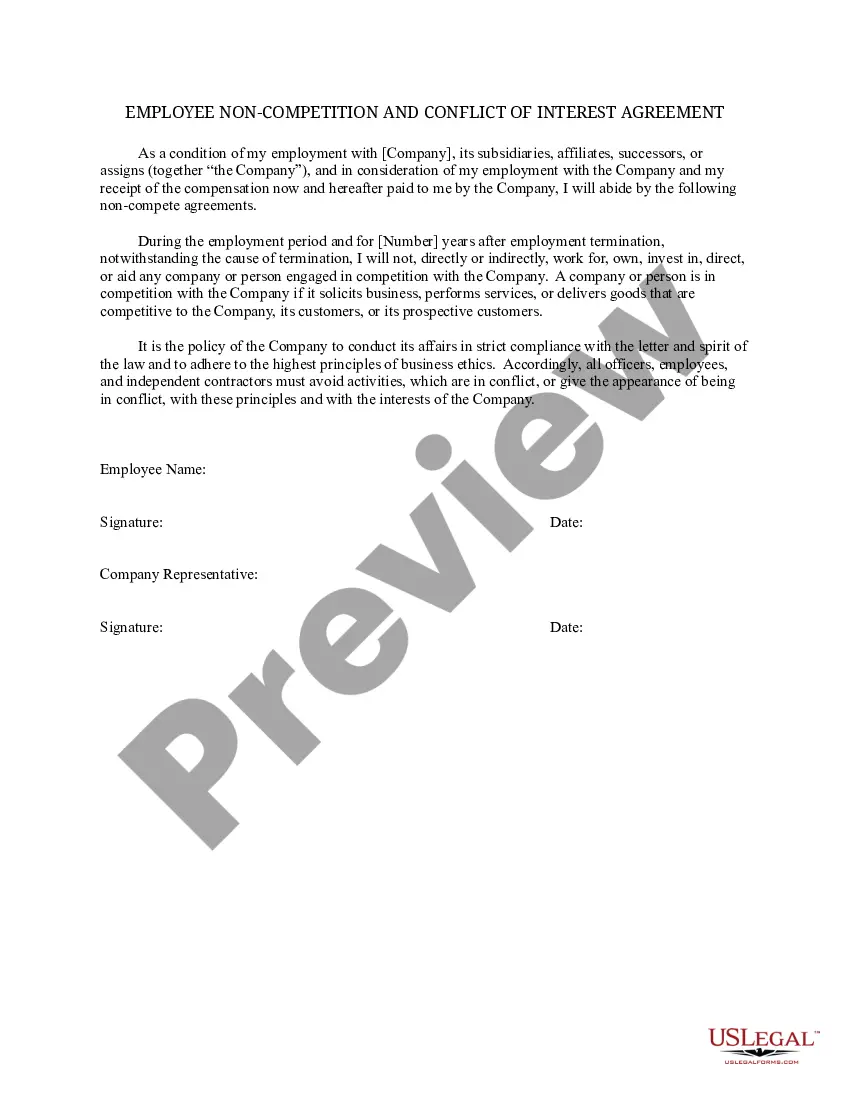
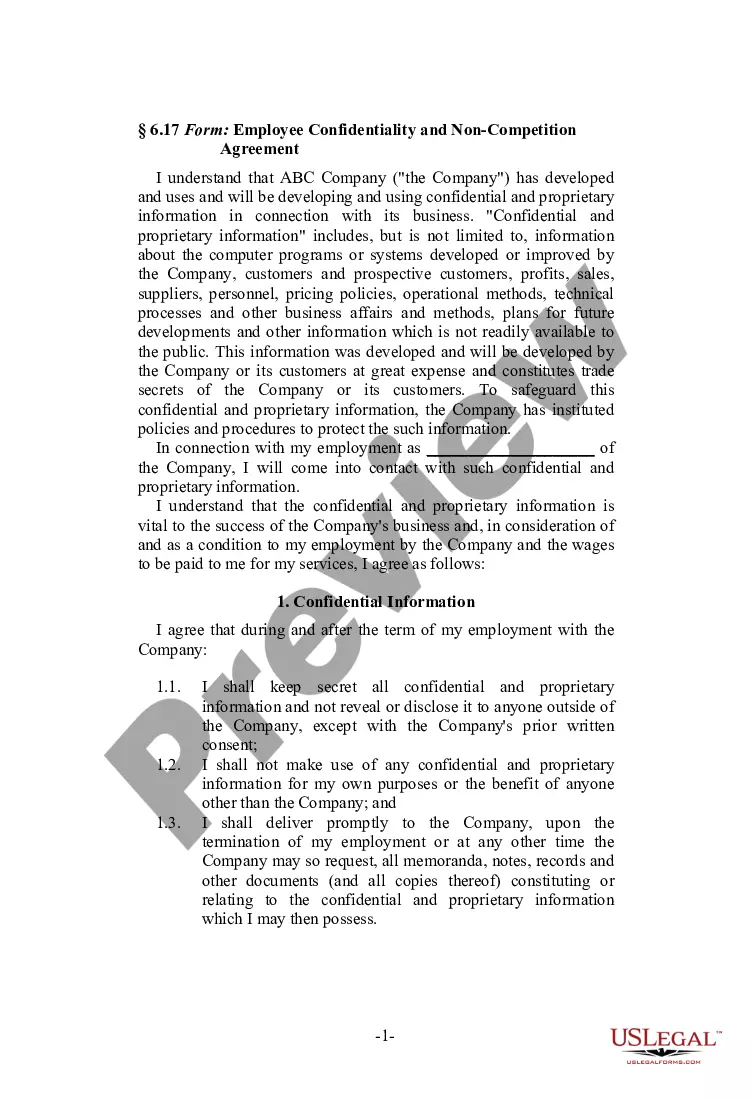
Competition Noncompetition For Students In Washington
Description

Get your form ready online
Our built-in tools help you complete, sign, share, and store your documents in one place.
Make edits, fill in missing information, and update formatting in US Legal Forms—just like you would in MS Word.
Download a copy, print it, send it by email, or mail it via USPS—whatever works best for your next step.
Sign and collect signatures with our SignNow integration. Send to multiple recipients, set reminders, and more. Go Premium to unlock E-Sign.
If this form requires notarization, complete it online through a secure video call—no need to meet a notary in person or wait for an appointment.
We protect your documents and personal data by following strict security and privacy standards.

Make edits, fill in missing information, and update formatting in US Legal Forms—just like you would in MS Word.

Download a copy, print it, send it by email, or mail it via USPS—whatever works best for your next step.

Sign and collect signatures with our SignNow integration. Send to multiple recipients, set reminders, and more. Go Premium to unlock E-Sign.

If this form requires notarization, complete it online through a secure video call—no need to meet a notary in person or wait for an appointment.

We protect your documents and personal data by following strict security and privacy standards.
Looking for another form?









Form popularity
FAQ
Non-Compete Agreements are generally not enforceable unless they're used to protect trade secrets or a purchaser of a business, recover education or training expenses from an employee of less than two years, or restrict executive and management personnel or professional staff to those personnel ( C.R.S.
Only employees or independent contractors who earn more than the thresholds established by law can be held to non-competition agreements. If an employee or independent contractor has earnings less than the threshold specified under law, the non-compete agreements is considered void and unenforceable under RCW 49.62.
Typically, a noncompete agreement prohibits you from working for a competitor until a set period has passed, but it may additionally ban you from completing the following actions: Starting your own company in the same industry. Contacting former customers.
On July 1, 2023, Minnesota will join California, North Dakota, and Oklahoma in the small (but growing) group of states that impose a full ban. Minnesota's law is the first total non-compete ban since Oklahoma banned them in 1890, more than 130 years ago!
(1) A noncompetition covenant is void and unenforceable against an independent contractor unless the independent contractor's earnings from the party seeking enforcement exceed two hundred fifty thousand dollars per year.
Washington law allows employers to restrict current employees from “moonlighting” (i.e., working other jobs at the same time) if the employee is making at least twice the state minimum hourly wage.
For 2025, the minimum salary threshold is: $1,332.80/week ($69,305.60) for small employers (1-50 employees) $1,499.40/week ($77,968.80) or large employers (51 or more employees)
Only workers who earn more than $123,394.17 per year or $308,485.43 per year for independent contractors can be held to non-competition agreements. The maximum wage reimbursements for the Stay at Work and Preferred Worker Programs are increasing from $10,000 to $25,000 per claim in 2025.
