Competition Non Competition With No One In Virginia
Description

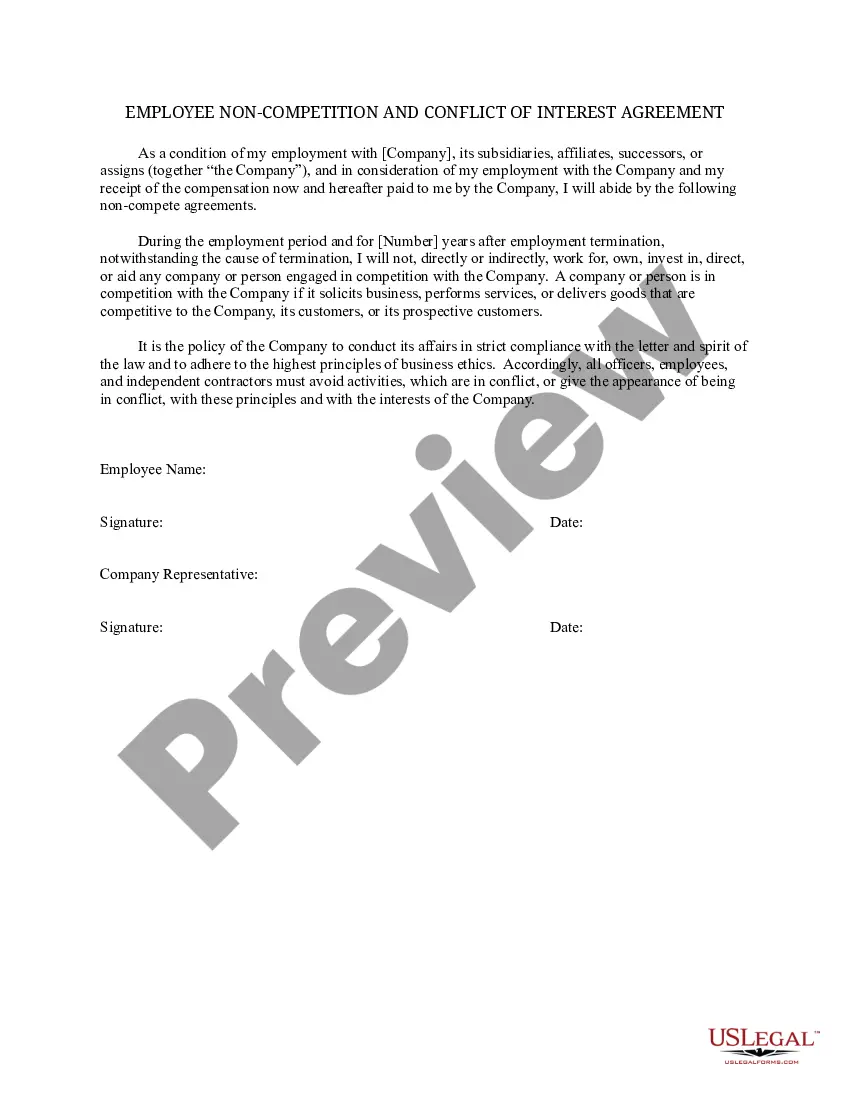
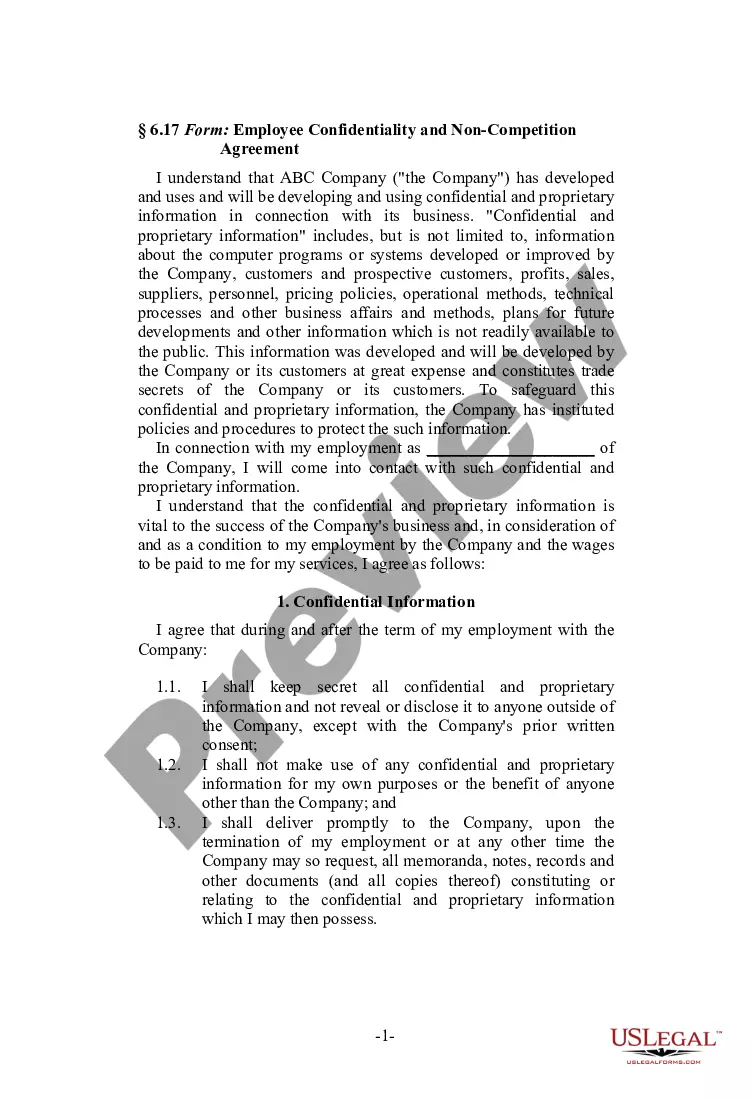
Get your form ready online
Our built-in tools help you complete, sign, share, and store your documents in one place.
Make edits, fill in missing information, and update formatting in US Legal Forms—just like you would in MS Word.
Download a copy, print it, send it by email, or mail it via USPS—whatever works best for your next step.
Sign and collect signatures with our SignNow integration. Send to multiple recipients, set reminders, and more. Go Premium to unlock E-Sign.
If this form requires notarization, complete it online through a secure video call—no need to meet a notary in person or wait for an appointment.
We protect your documents and personal data by following strict security and privacy standards.

Make edits, fill in missing information, and update formatting in US Legal Forms—just like you would in MS Word.

Download a copy, print it, send it by email, or mail it via USPS—whatever works best for your next step.

Sign and collect signatures with our SignNow integration. Send to multiple recipients, set reminders, and more. Go Premium to unlock E-Sign.

If this form requires notarization, complete it online through a secure video call—no need to meet a notary in person or wait for an appointment.

We protect your documents and personal data by following strict security and privacy standards.
Looking for another form?








Form popularity
FAQ
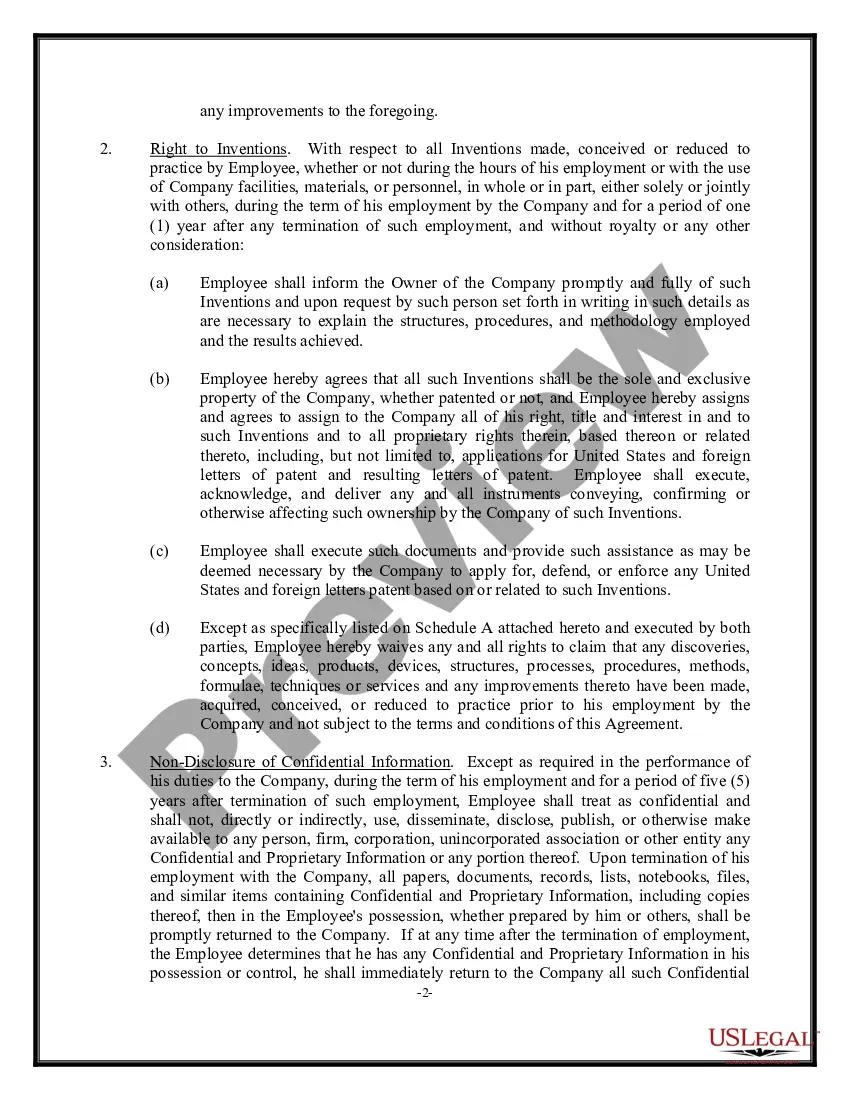
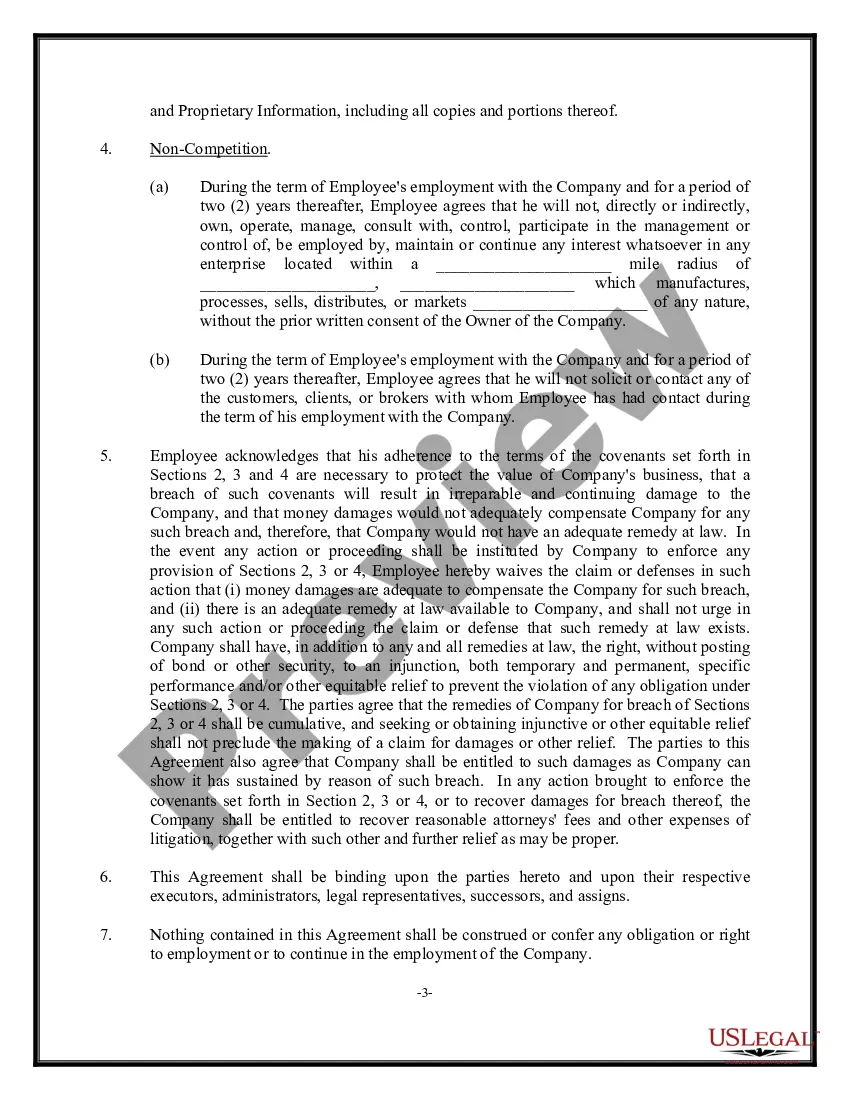
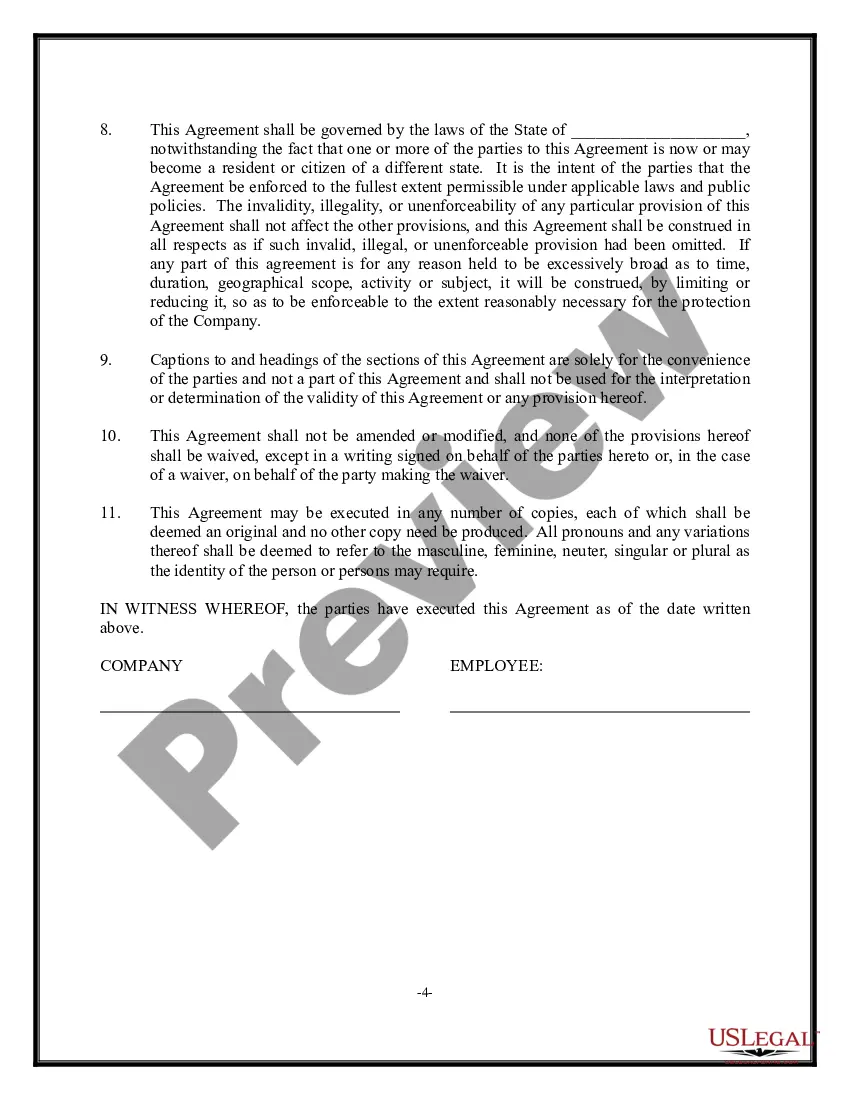
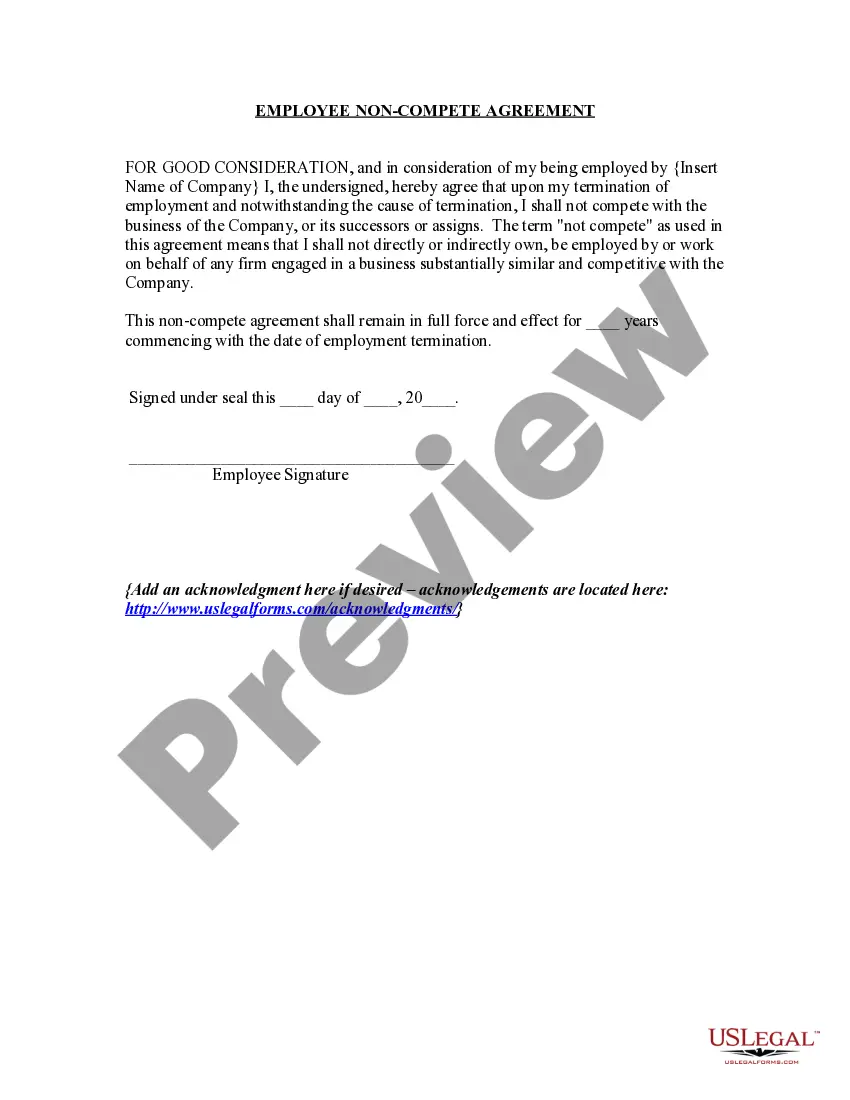
In Virginia, non-compete and non-solicitation agreements are enforceable only if they are narrowly drawn to protect the employer's legitimate business interests, are not unduly burdensome on the employee's ability to earn a living, and are not against public policy.
On Jan. 16, 2024, the Virginia Department of Labor and Industry announced that the average weekly wage for 2024 would be $1,410. As a result, employers are now prohibited from entering, enforcing or threatening to enforce a non-compete agreement with an employee who earns less than $73,320 per year.
Virginia courts have upheld employment non-competes up to 2 years post-employment. If a non-compete is included in a business sale, it can be enforceable for a longer period, up to 5 years. If an employer's non-compete is for longer than 2 years, unless it is for the sale of a business, it will be held unenforceable.
Chapter 2 – How to Beat Your Virginia Non-Compete Get a copy of the agreement. Have an attorney review the agreement. Don't plan your new business at work! ... Do not advertise your new business until you know your non-compete agreement is not an issue. Be Honest. Seek legal action to determine validity of the agreement.
How To Legally Get Out of a Non-Compete Agreement Get a New Job That Doesn't Involve Competitive Activities. Prove That Your Former Employer Breached the Contract. Argue That the Non-Compete Provision Isn't Enforceable. Show That Your Previous Employer Has No Legitimate Business Interests.
Virginia courts generally enforce NDAs ing to their terms, so long as they comply with several common law requirements. You can avoid inadvertently drafting an unenforceable NDA by seeking the counsel of a Richmond employment contract attorney.
Negotiating with your new employer If your old employer won't compromise, you could also ask your new employer if they can give you a different job until the restriction you agreed to runs out. This could be either a different kind of job or a different location - that way you won't be breaking the restriction.
You are bound by whatever conditions you agreed to in the non compete contract. You can leave the job and likely still practice in your given field. The most common restriction is one of distance. So you cannot leave your current company and go across the street to work for a competitor.
Showing that the agreement is not related to a legitimate business interest is the most effective way of getting out of a non-compete contract. The goal of any non-compete agreement is to protect trade secrets.
Go to personnel. Tell them you feel the need to start considering your future and would like to be released from the non-compete part of your contract so you can get started. I'd give you until tomorrow about closing time and you won't have to worry about taking paper clips or any other company property home again.
