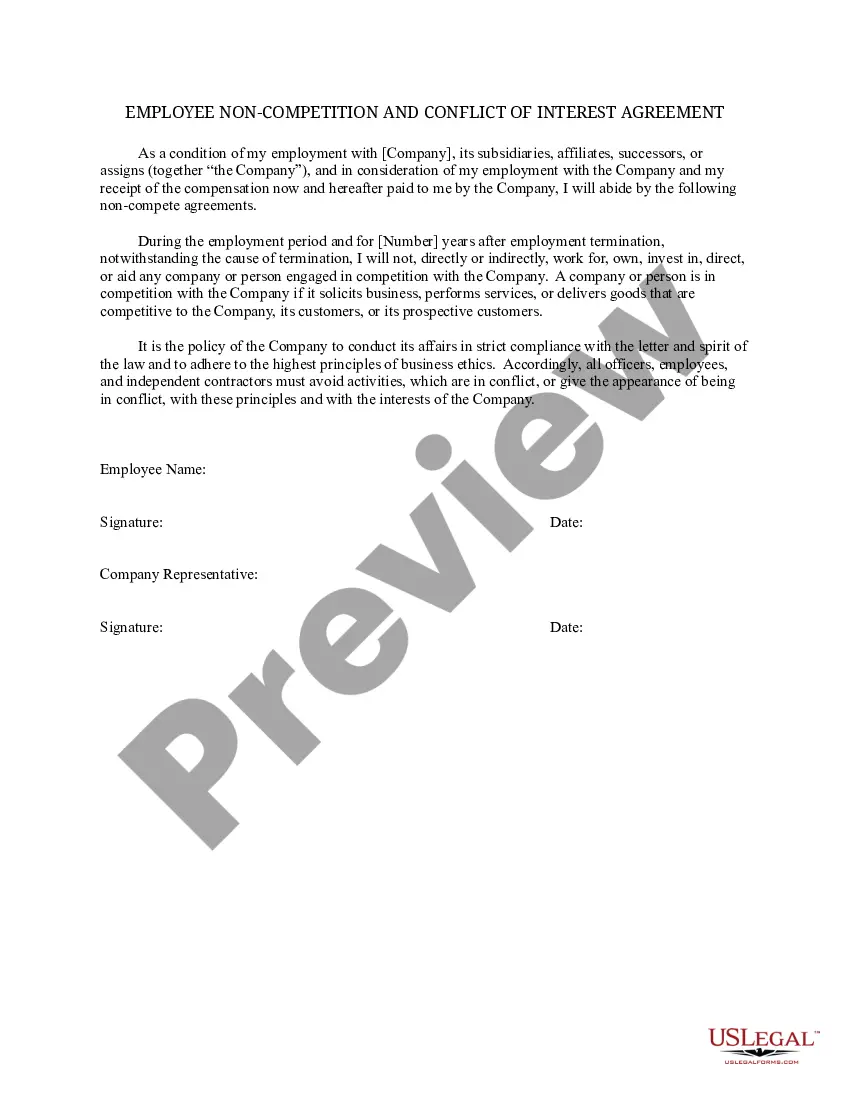
Competition Non Competition With No One In Texas
Description

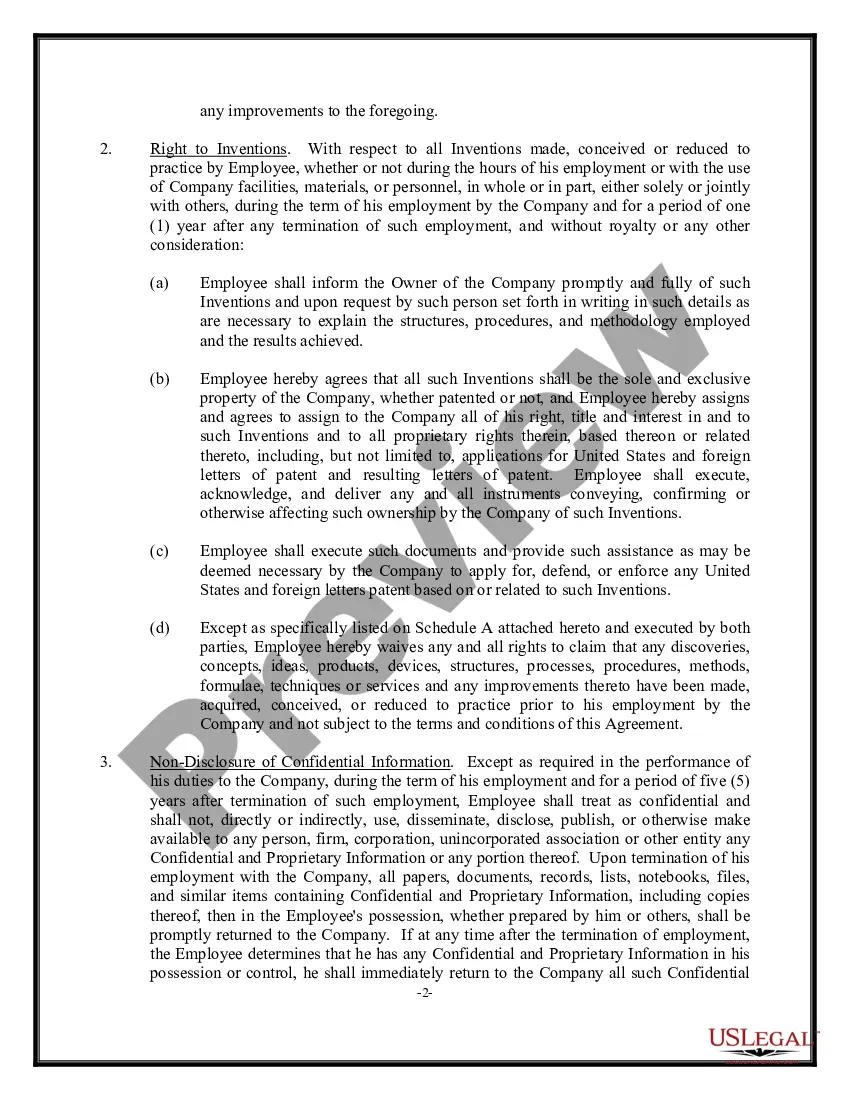
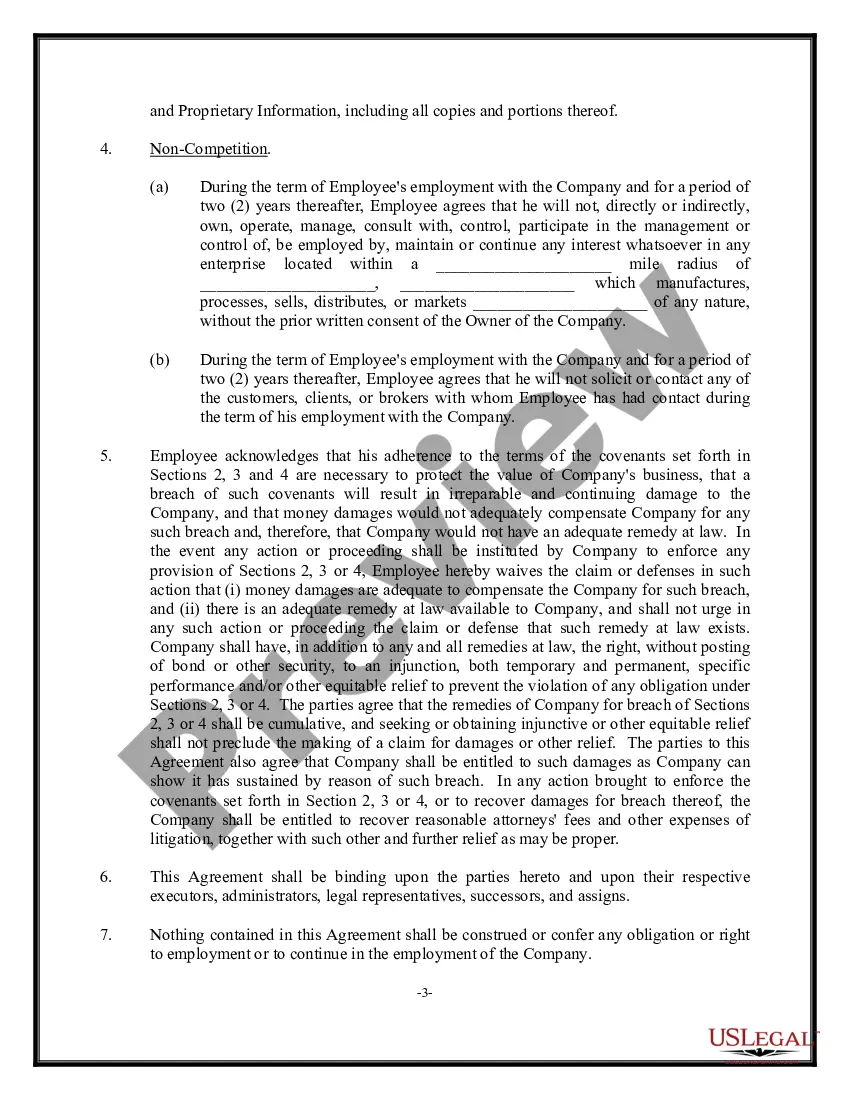
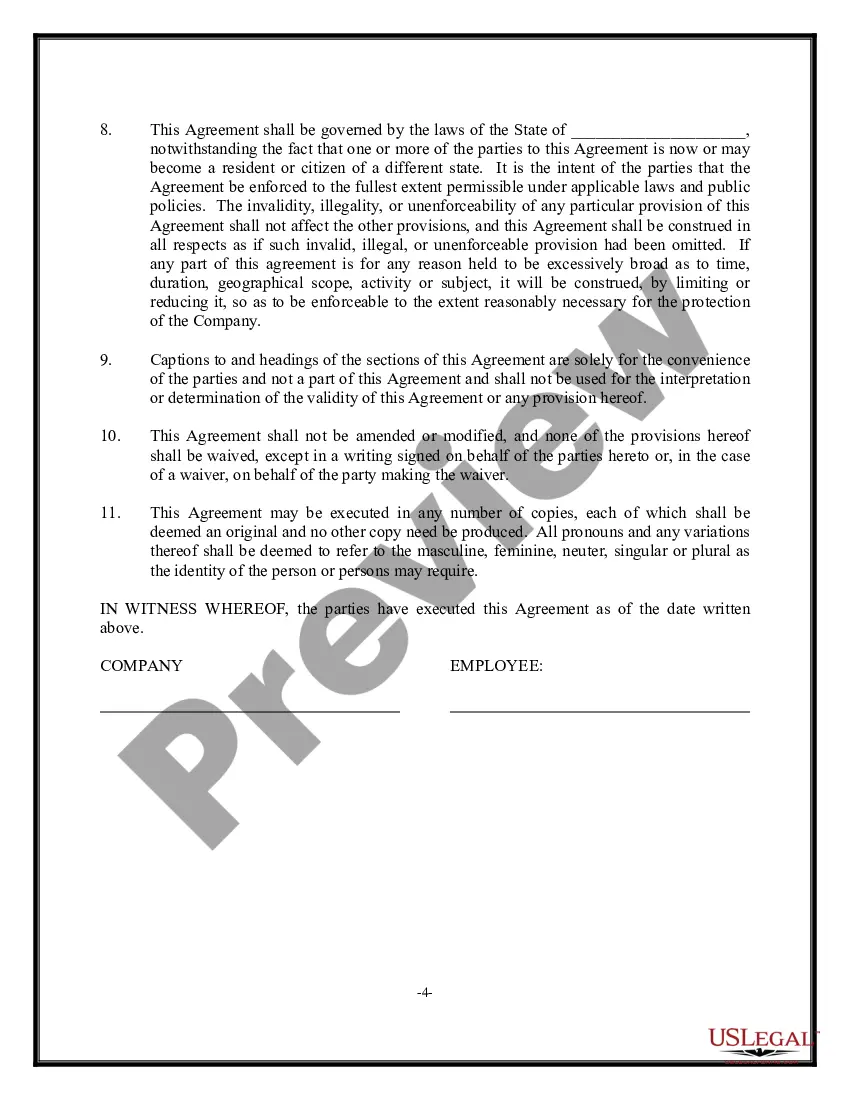
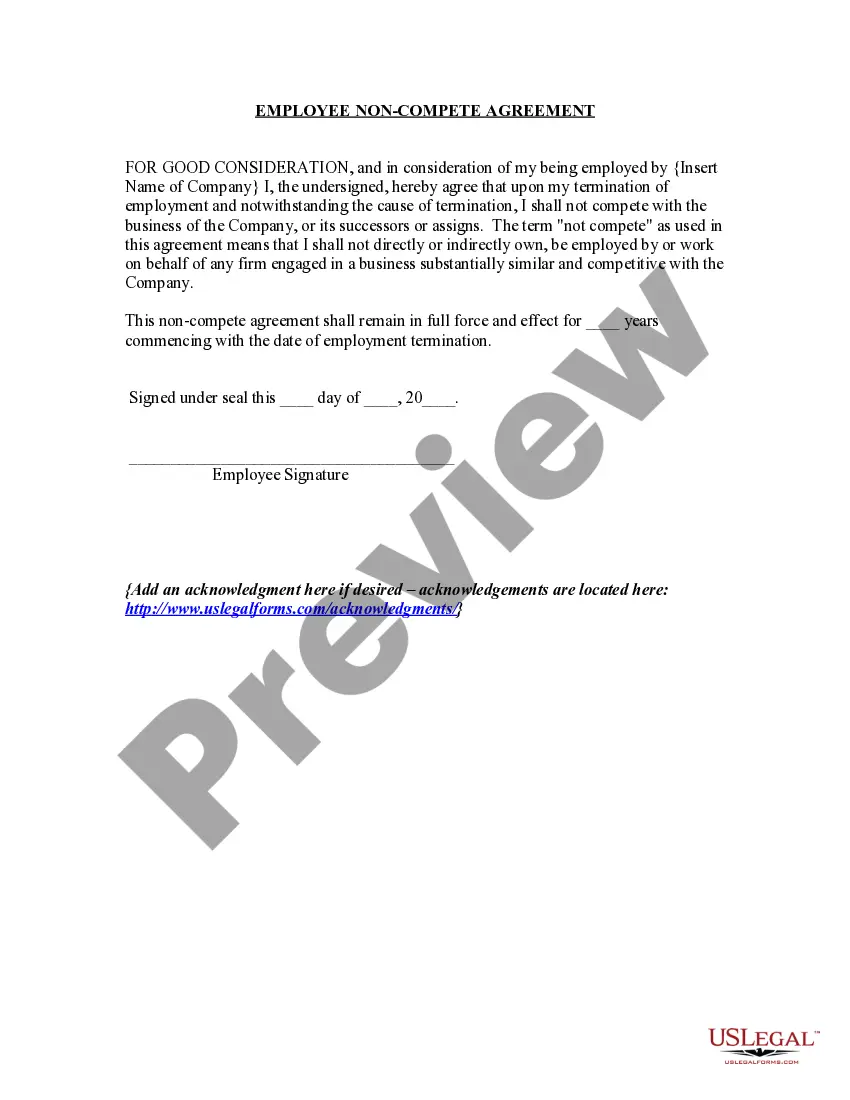
Get your form ready online
Our built-in tools help you complete, sign, share, and store your documents in one place.
Make edits, fill in missing information, and update formatting in US Legal Forms—just like you would in MS Word.
Download a copy, print it, send it by email, or mail it via USPS—whatever works best for your next step.
Sign and collect signatures with our SignNow integration. Send to multiple recipients, set reminders, and more. Go Premium to unlock E-Sign.
If this form requires notarization, complete it online through a secure video call—no need to meet a notary in person or wait for an appointment.
We protect your documents and personal data by following strict security and privacy standards.

Make edits, fill in missing information, and update formatting in US Legal Forms—just like you would in MS Word.

Download a copy, print it, send it by email, or mail it via USPS—whatever works best for your next step.

Sign and collect signatures with our SignNow integration. Send to multiple recipients, set reminders, and more. Go Premium to unlock E-Sign.

If this form requires notarization, complete it online through a secure video call—no need to meet a notary in person or wait for an appointment.

We protect your documents and personal data by following strict security and privacy standards.
Looking for another form?








Form popularity
FAQ
On August 20, 2024, a Texas federal court ruled that the FTC's final rule banning most non-compete agreements (the “Non-Compete Rule”) cannot go into effect as scheduled.
To get out of a non-compete agreement in Texas, you may negotiate with your employer, prove that the terms are unreasonable or unenforceable, or show that it violates legal standards.
The answer is: Yes, they can be. Texas law makes non-compete agreements enforceable if they are: Accompanied by or part of an otherwise enforceable agreement; Supported by valid consideration (ie.
What Happens If I Break a Non-Compete Agreement in Texas? If you violate the terms of a legally enforceable non-compete agreement, your employee may ask the courts for an injunction to stop improper competitive activity and pursue actions (such as a lawsuit) to recover financial damages.
Non-Compete Agreements are generally not enforceable unless they're used to protect trade secrets or a purchaser of a business, recover education or training expenses from an employee of less than two years, or restrict executive and management personnel or professional staff to those personnel ( C.R.S.
Unlike a handful of other states where non-compete agreements have few restrictions or are outright prohibited, Texas is fairly permissive on the enforcement of these agreements. Public policy ing to Texas courts has generally been to promote competition instead of limiting it.
compete in Texas is void if it has unreasonable terms, lacks adequate consideration, or doesn't protect legitimate business interests.
Texas law has no specific time limit for non-compete agreements, but courts have generally found that agreements lasting more than two years are presumptively unreasonable. However, the reasonableness of the duration of a non-compete agreement in texas will depend on the specific circumstances of the case.
Does a Non-Compete Agreement Apply in a Lay-off or Termination? In Texas, there is no requirement that the employee must leave on their own terms to preserve the enforceability of the non-compete agreement. In other words, a non-compete agreement remains in force whether the employee quit, was fired, or laid off.
