Competition Noncompetition For Students In San Antonio
Description

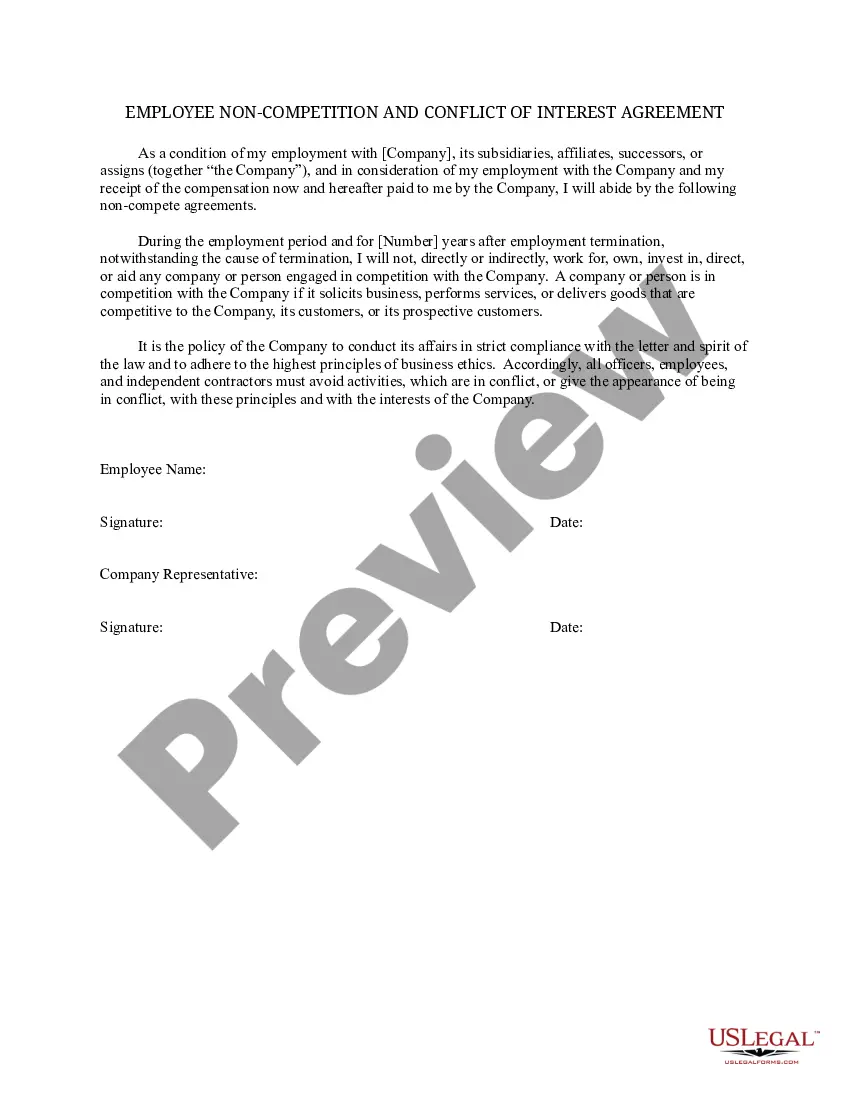
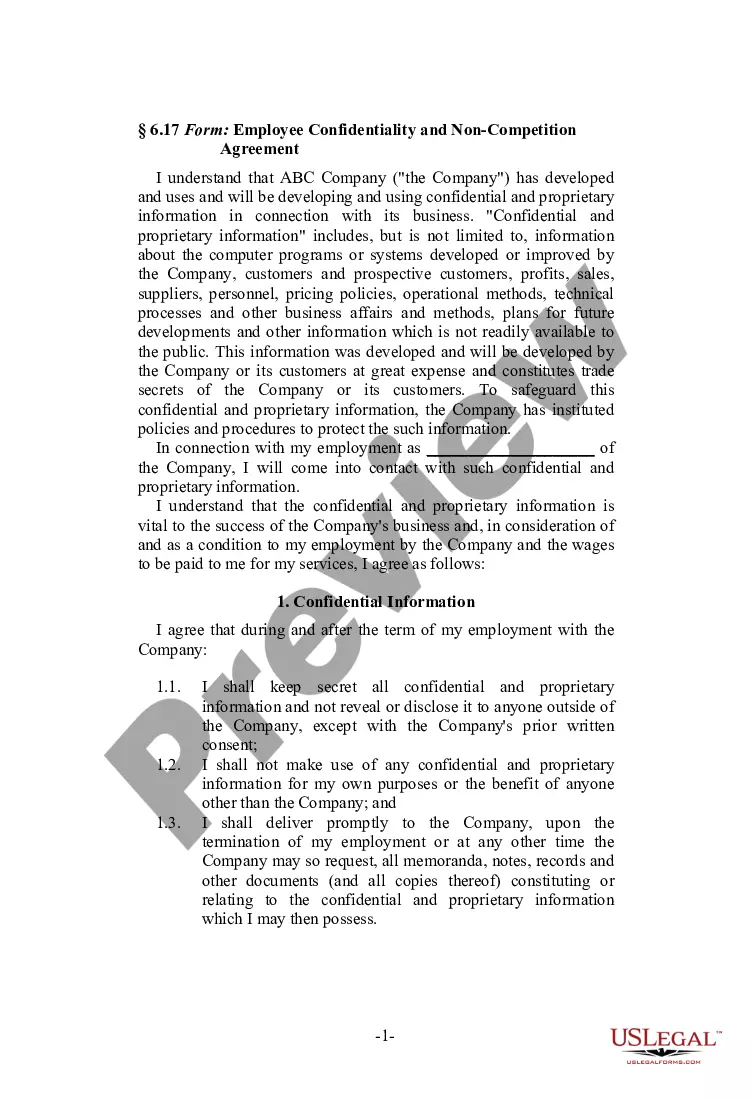
Get your form ready online
Our built-in tools help you complete, sign, share, and store your documents in one place.
Make edits, fill in missing information, and update formatting in US Legal Forms—just like you would in MS Word.
Download a copy, print it, send it by email, or mail it via USPS—whatever works best for your next step.
Sign and collect signatures with our SignNow integration. Send to multiple recipients, set reminders, and more. Go Premium to unlock E-Sign.
If this form requires notarization, complete it online through a secure video call—no need to meet a notary in person or wait for an appointment.
We protect your documents and personal data by following strict security and privacy standards.

Make edits, fill in missing information, and update formatting in US Legal Forms—just like you would in MS Word.

Download a copy, print it, send it by email, or mail it via USPS—whatever works best for your next step.

Sign and collect signatures with our SignNow integration. Send to multiple recipients, set reminders, and more. Go Premium to unlock E-Sign.

If this form requires notarization, complete it online through a secure video call—no need to meet a notary in person or wait for an appointment.

We protect your documents and personal data by following strict security and privacy standards.
Looking for another form?




Form popularity
FAQ
Considerations for creating a non-compete agreement Check state laws. Each state has different laws and regulations regarding non-compete agreements, and in some states, non-compete agreements may be prohibited entirely. Define the duration. Consider using specific and relevant parameters. Provide a section for signatures.
Specific Reasons for Invalidity Failure of one or both parties to actually sign the agreement; Failure to amend the non-compete agreement when employment circumstances change; Failure in drafting the original non-compete agreement accurately or specifically.
Employers do not need to notarize non-compete agreements. The dated signatures of a company representative, such as a manager or HR representative, and the employee are typically sufficient.
Both parties must sign a noncompete agreement, but it does not need to be notarized.
Courts apply a reasonableness test to determine the enforceability of a non-compete agreement. This test examines multiple factors such as the presence of a protectable interest, the reasonableness of the clause, and the application of the 'reasonable person' test based on the facts.
A noncompete agreement has the ability to threaten your future job prospects, prohibit you from using your hard earned skills and compromise your livelihood. Fortunately, it is unlawful for an employer to enforce non-compete agreements in California.
Scheduled to take effect on September 4, 2024, the Non-Compete Rule banned non-compete agreements, including any agreements that “function or prevent” a worker from seeking or accepting work or operating a business; made it unlawful to enter into, enforce, or attempt to enter into or enforce, a non-compete agreement ...
The court struck down the Non-Compete Rule, stating that “the Non-Compete Rule shall not be enforced or otherwise take effect on its effective date of September 4, 2024 or thereafter.” The Texas court reaffirmed its preliminary decision that the FTC lacked the statutory authority to implement the Non-Compete Rule and ...
Employers who enter into or attempt to enforce noncompetes are liable for damages and a penalty of up to $5,000 per employee. A partner must own more than 10 percent of a business to qualify for the sale of a business exemption to California's noncompete ban.
On April 23, 2024, the FTC announced its Final Non-Compete Clause Rule (“Final Rule”), which bans post-employment non-compete clauses between employers and their workers.
