Competition Noncompetition For Employees In San Antonio
Description

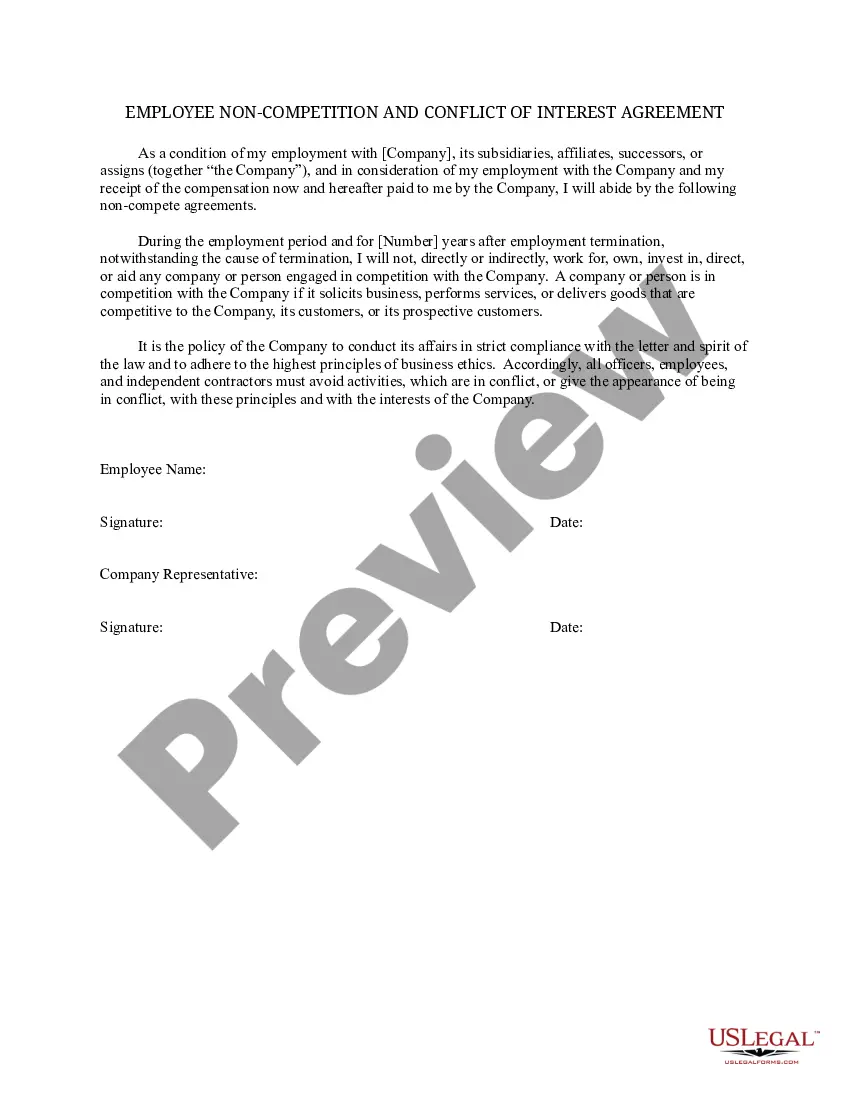
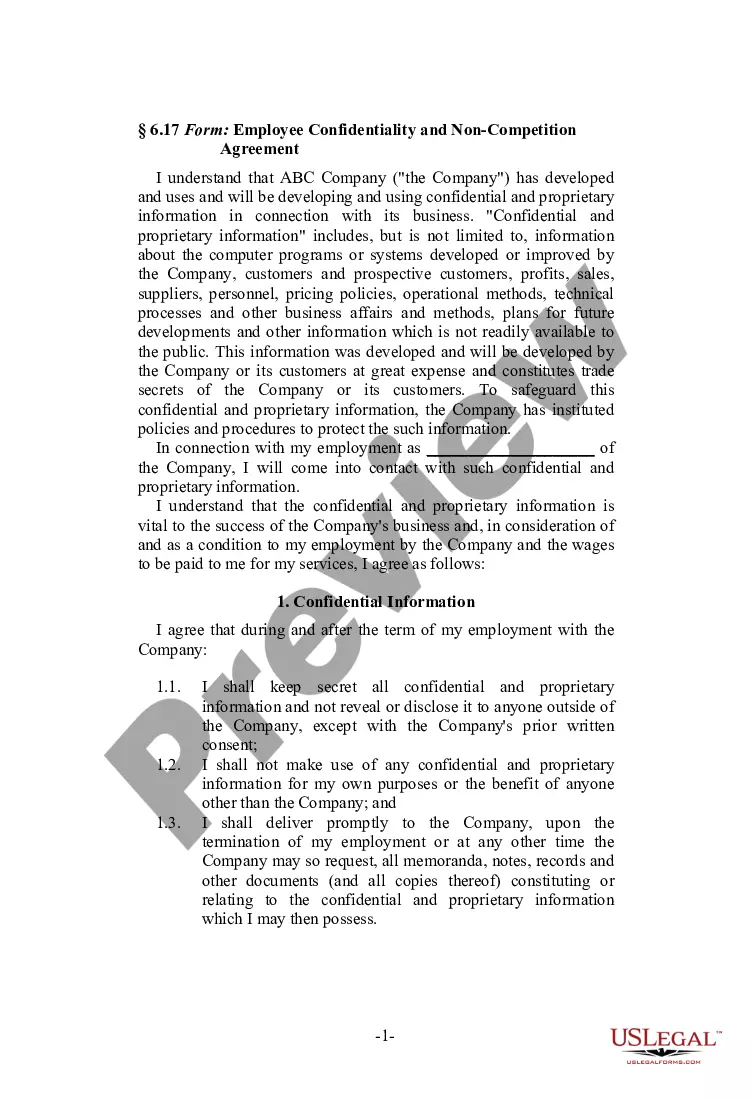
Get your form ready online
Our built-in tools help you complete, sign, share, and store your documents in one place.
Make edits, fill in missing information, and update formatting in US Legal Forms—just like you would in MS Word.
Download a copy, print it, send it by email, or mail it via USPS—whatever works best for your next step.
Sign and collect signatures with our SignNow integration. Send to multiple recipients, set reminders, and more. Go Premium to unlock E-Sign.
If this form requires notarization, complete it online through a secure video call—no need to meet a notary in person or wait for an appointment.
We protect your documents and personal data by following strict security and privacy standards.

Make edits, fill in missing information, and update formatting in US Legal Forms—just like you would in MS Word.

Download a copy, print it, send it by email, or mail it via USPS—whatever works best for your next step.

Sign and collect signatures with our SignNow integration. Send to multiple recipients, set reminders, and more. Go Premium to unlock E-Sign.

If this form requires notarization, complete it online through a secure video call—no need to meet a notary in person or wait for an appointment.

We protect your documents and personal data by following strict security and privacy standards.
Looking for another form?








Form popularity
FAQ
While Texas courts generally disfavor non-compete agreements, they will enforce a non-compete covenant if it is executed for valid consideration, contains reasonable geographic, temporal, and activity restrictions, and protects the employer's legitimate business interests.
Several factors can void or limit the enforceability of a non-compete agreement, including overly broad restrictions, unreasonable time frames or geographical limits, lack of consideration (such as compensation or job opportunities provided in exchange for the agreement), and violation of public policy.
Non-Compete Agreements are generally not enforceable unless they're used to protect trade secrets or a purchaser of a business, recover education or training expenses from an employee of less than two years, or restrict executive and management personnel or professional staff to those personnel ( C.R.S.
In some situations, companies ask current employees to sign a non-compete agreement. Current employees can refuse to sign, and a business may decide to terminate an employee who refuses to sign. An employee may, though, have a discrimination or wrongful termination case.
Does a non-compete hold up if you are laid off in Texas? In Texas, the enforceability of a non-compete does not change if you are laid off. Its validity depends on factors like consideration given, such as sharing of trade secrets, not just employment.
Certain professions are exempt from Texas non-compete law or have specific requirements for a valid agreement, including doctors, attorneys, and social workers. Speak with an attorney to determine if your agreement may be subject to additional scrutiny.
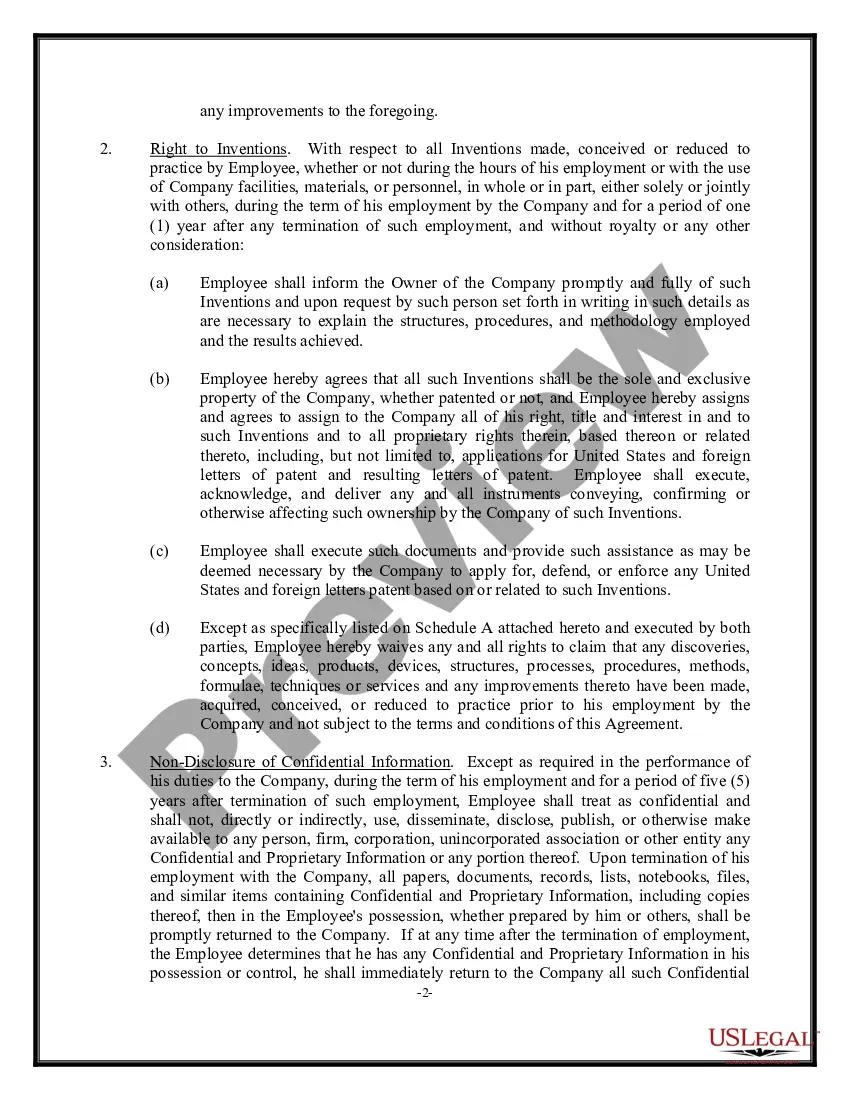
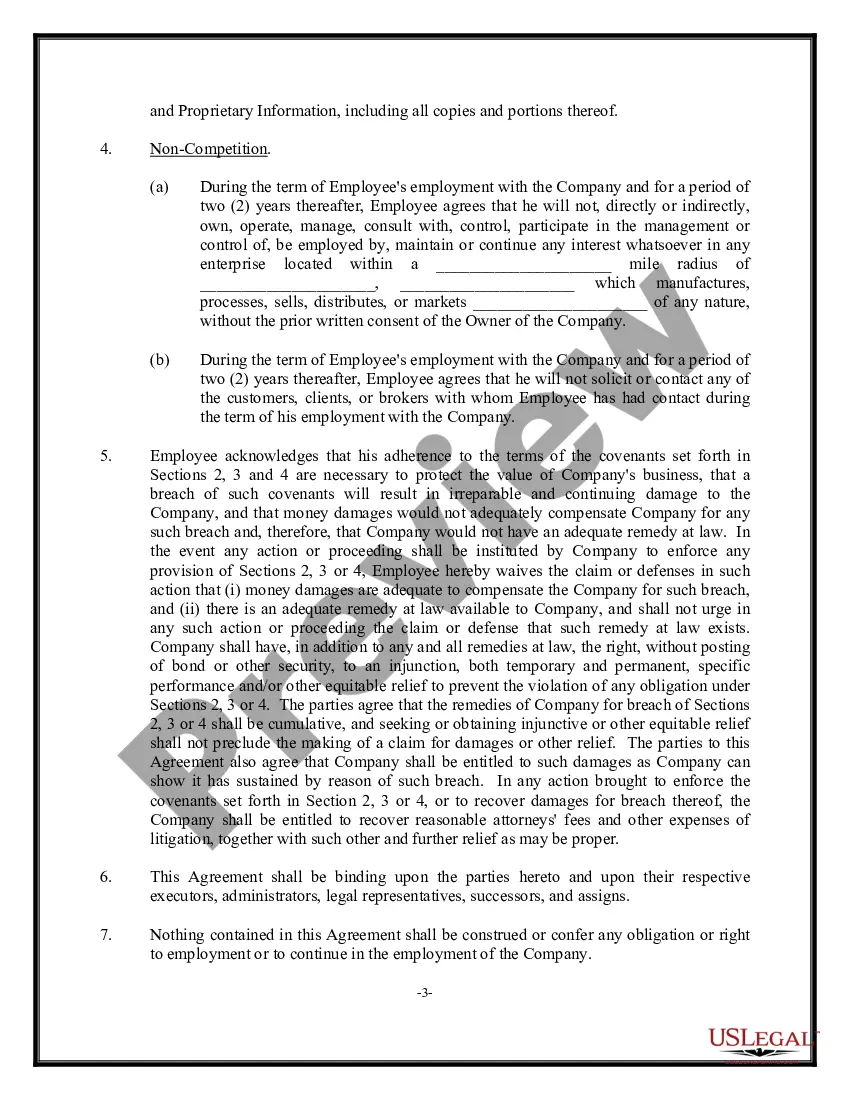
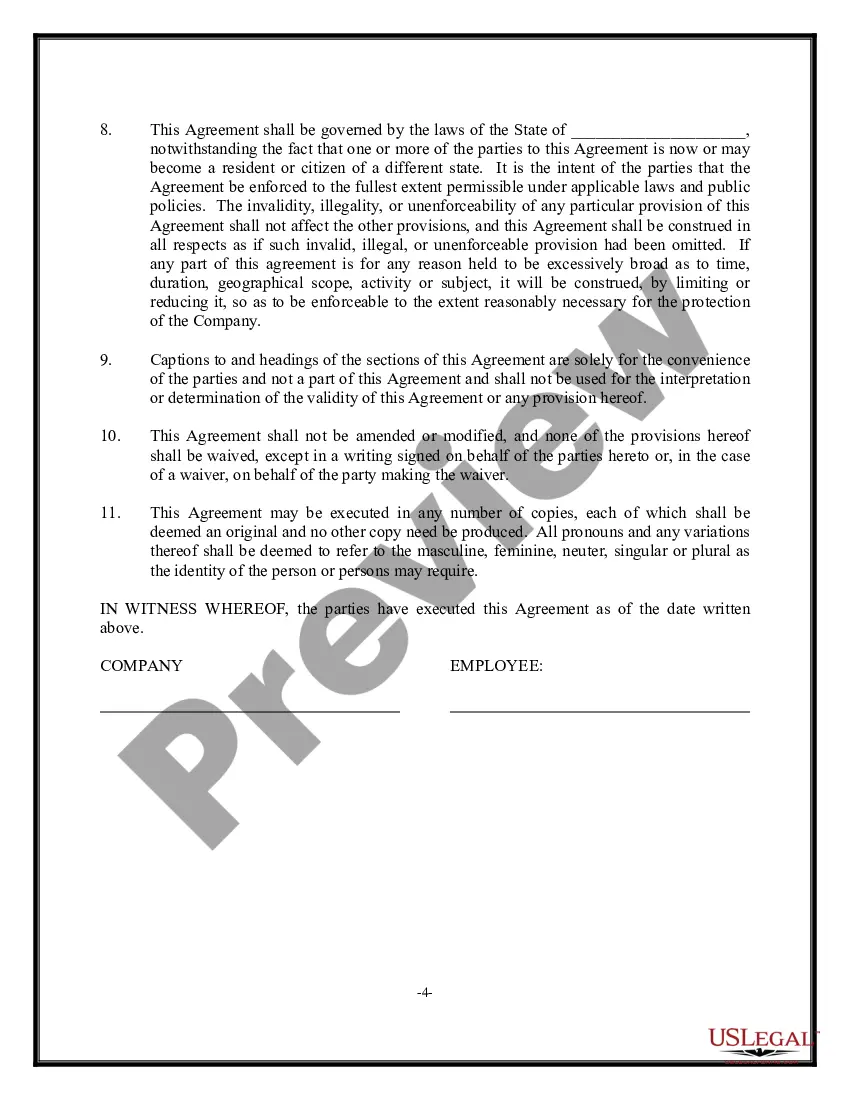
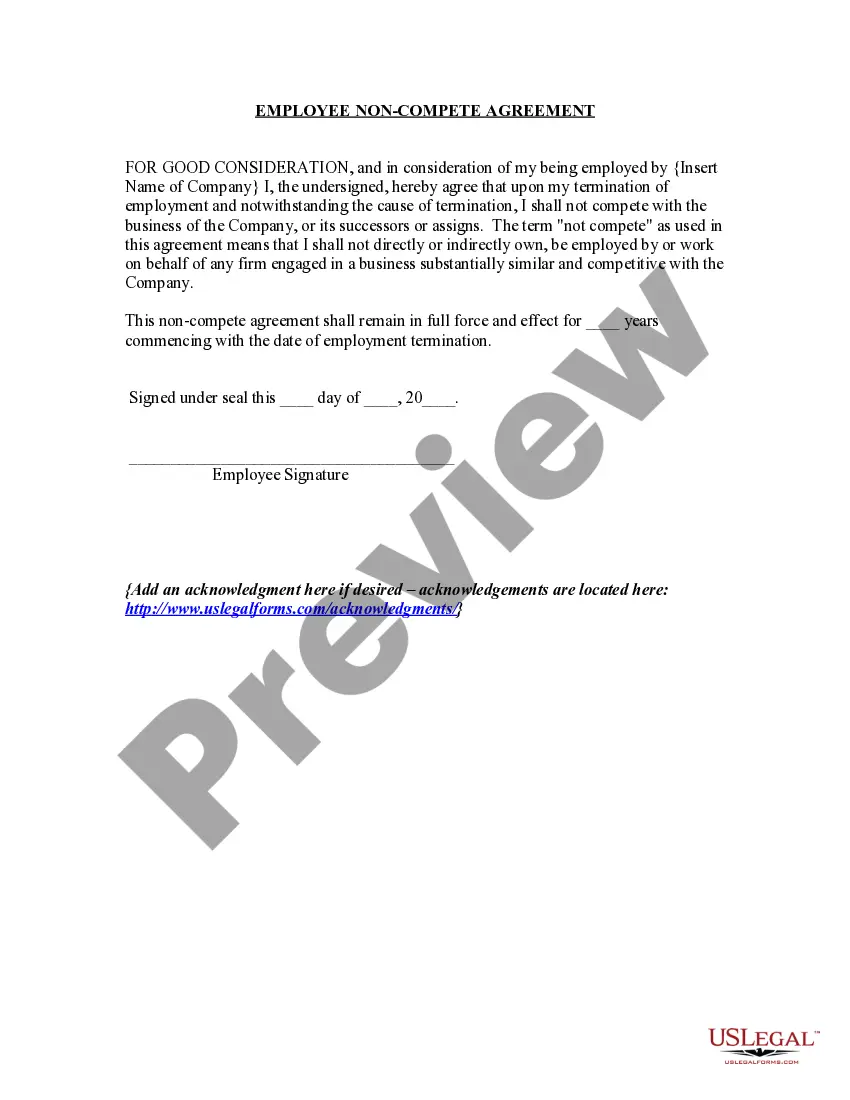
Under Texas law noncompete agreements can be enforceable if: The noncompete provision is part of an otherwise enforceable agreement. The non-compete requirement is supported by valid consideration (consideration meaning something of value provided to the employee).
You are bound by whatever conditions you agreed to in the non compete contract. You can leave the job and likely still practice in your given field. The most common restriction is one of distance. So you cannot leave your current company and go across the street to work for a competitor.
The Texas court held the FTC lacked the statutory authority to issue the ban, ruling that the agency generally does not have the power to issue substantive rules regulating unfair methods of competition.
