Competition Noncompetition For 50 In Sacramento
Description

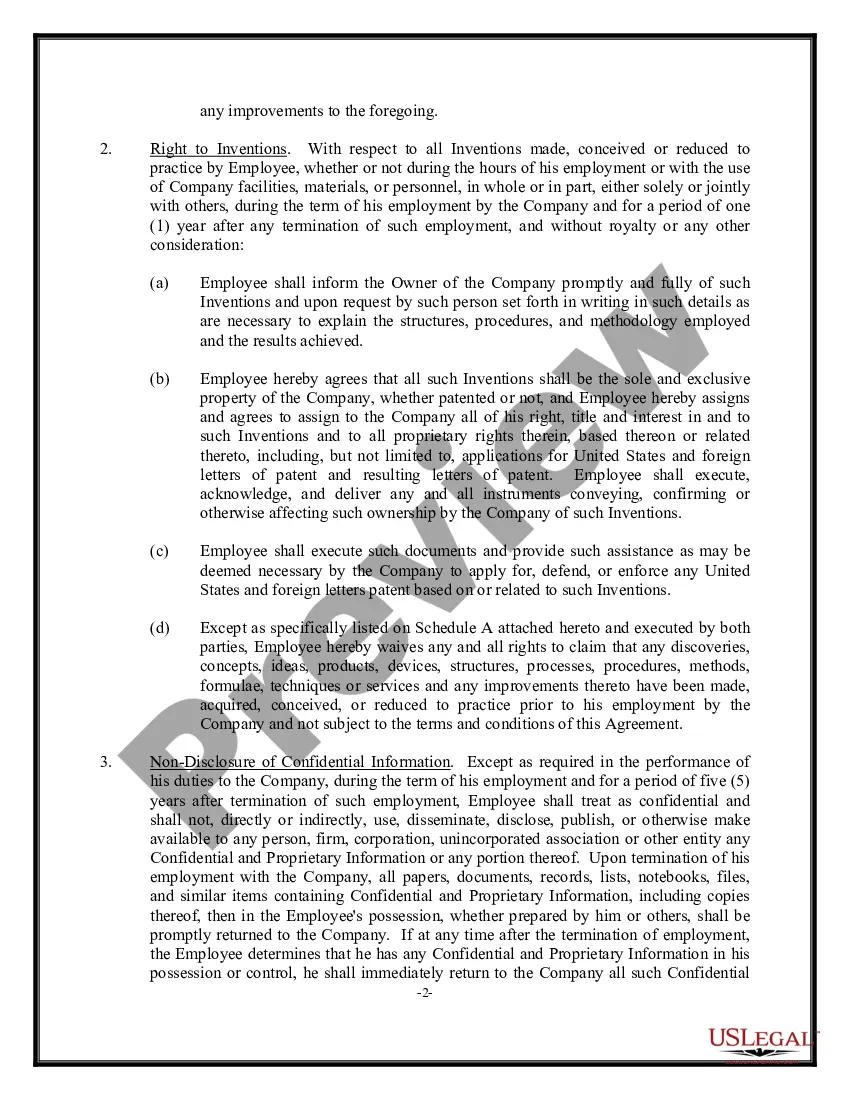
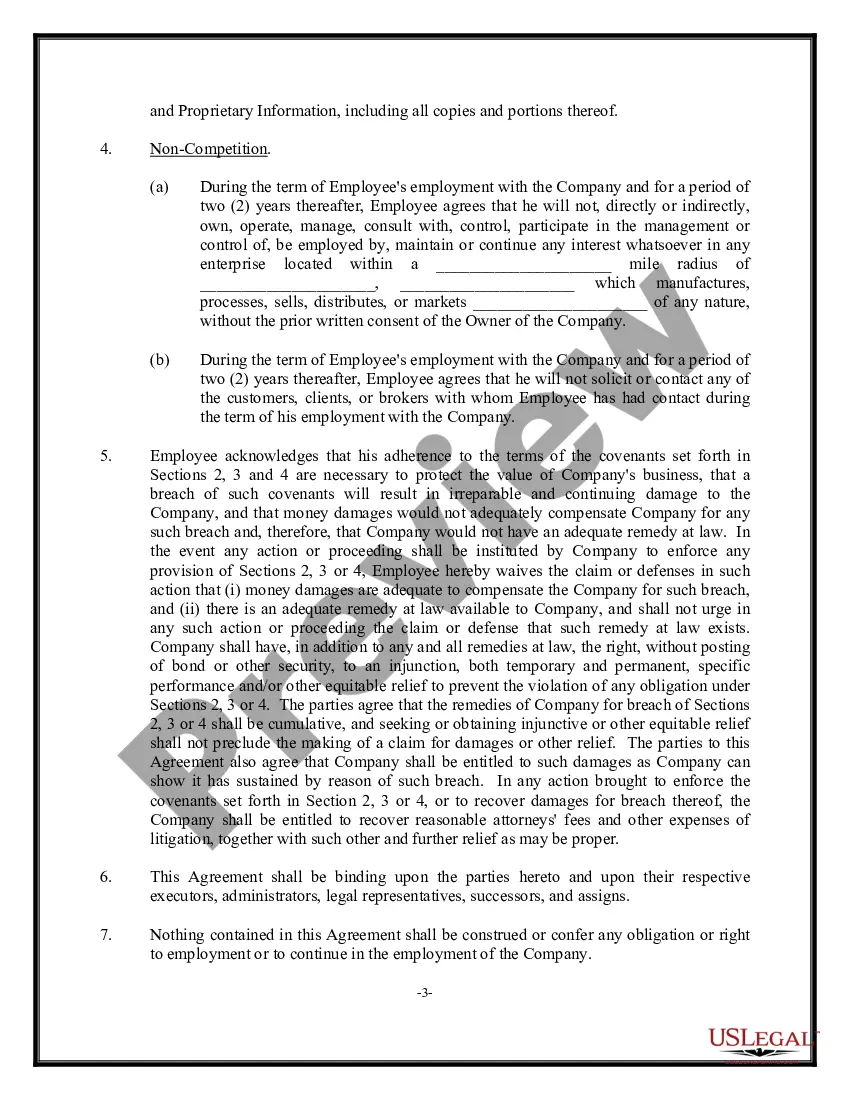
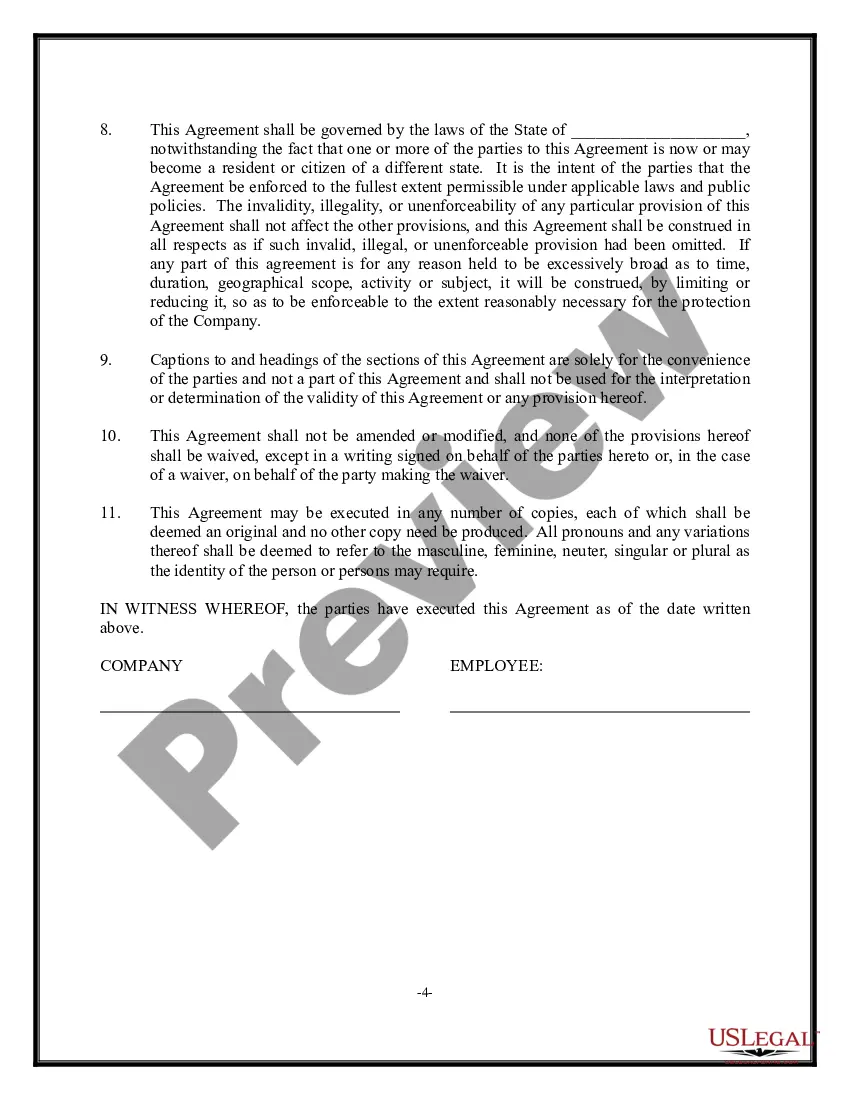
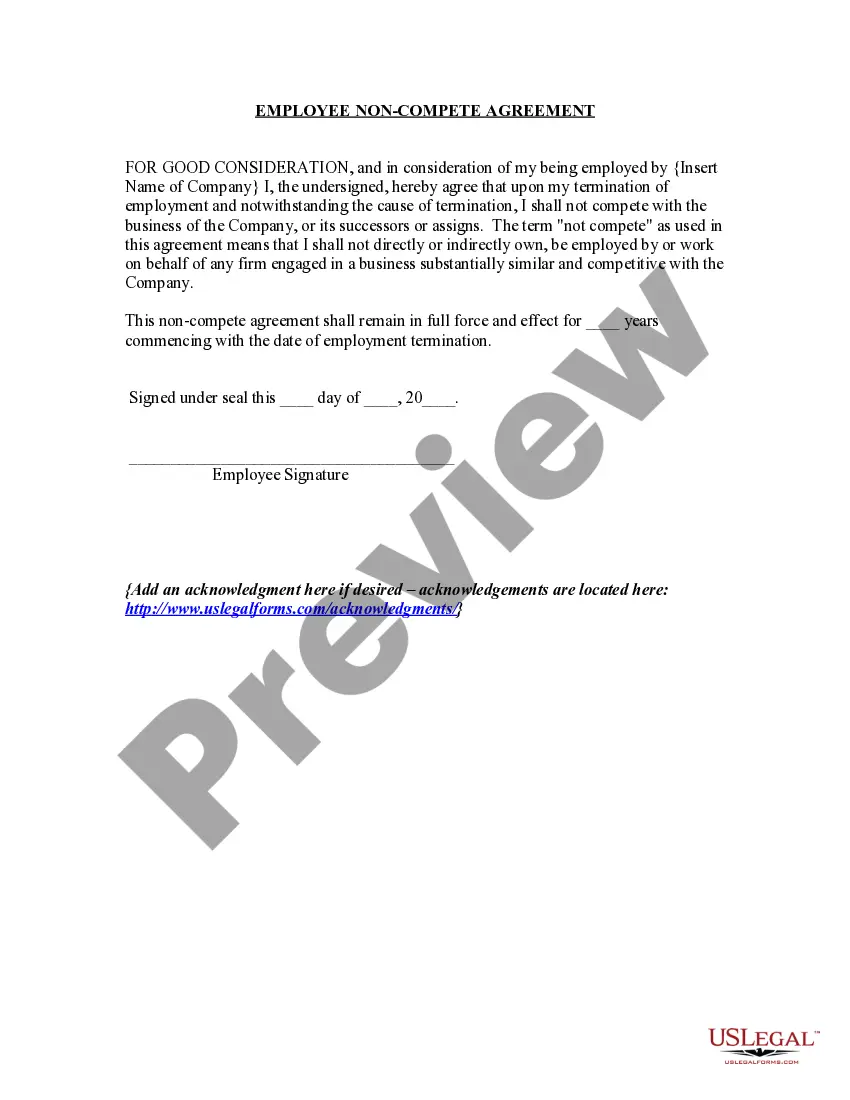
Get your form ready online
Our built-in tools help you complete, sign, share, and store your documents in one place.
Make edits, fill in missing information, and update formatting in US Legal Forms—just like you would in MS Word.
Download a copy, print it, send it by email, or mail it via USPS—whatever works best for your next step.
Sign and collect signatures with our SignNow integration. Send to multiple recipients, set reminders, and more. Go Premium to unlock E-Sign.
If this form requires notarization, complete it online through a secure video call—no need to meet a notary in person or wait for an appointment.
We protect your documents and personal data by following strict security and privacy standards.

Make edits, fill in missing information, and update formatting in US Legal Forms—just like you would in MS Word.

Download a copy, print it, send it by email, or mail it via USPS—whatever works best for your next step.

Sign and collect signatures with our SignNow integration. Send to multiple recipients, set reminders, and more. Go Premium to unlock E-Sign.

If this form requires notarization, complete it online through a secure video call—no need to meet a notary in person or wait for an appointment.

We protect your documents and personal data by following strict security and privacy standards.
Looking for another form?








Form popularity
FAQ
The Test for Reasonableness/Enforceability of a Non-Compete The reasonableness of the time restriction, The reasonableness of the geographical restriction, The degree of protection afforded to the employer, Whether it unnecessarily restricts the employee's ability to pursue his career, and lastly.
Reasonableness: Non-compete agreements must be reasonable in terms of their scope and duration. This means that the restrictions must be no broader than necessary to protect the legitimate business interests of the employer, such as protecting trade secrets, confidential information, and/or customer relationships.
How Long Do Most Non-Compete Agreements Last? Typical non-compete periods are six months to one year, but they can last longer. However, it is difficult for businesses to enforce long-term non-compete agreements legally. Some states will not enforce these agreements, and a few do not recognize them as legal.
A failure to provide proper notice constitutes unfair competition and can result in a penalty of $2,500 per violation. The amendment does not specify exactly how the penalty is calculated, such as whether it is $2,500 for each employee or per clause or agreement.
A typical case might involve an executive or professional. The non-competition limitation in the employment contract might restrict the employee for a period of one (1) year from engaging in competition, “directly or indirectly”, with the employer within a radius of fifty (50) miles from the company's office.
Reasonableness: Non-compete agreements must be reasonable in terms of their scope and duration. This means that the restrictions must be no broader than necessary to protect the legitimate business interests of the employer, such as protecting trade secrets, confidential information, and/or customer relationships.
Consider Legal Action. If negotiations do not yield a satisfactory result, you may need to consider legal action. This could involve filing a lawsuit to challenge the enforceability of the non-compete agreement or seeking a court order to invalidate the agreement.
On January 1, 2024, California introduced a new statute that makes non-competes unlawful “regardless of where and when the contract was signed.” This law has produced new uncertainty for employers around the country, and, predictably, litigation has taken off.
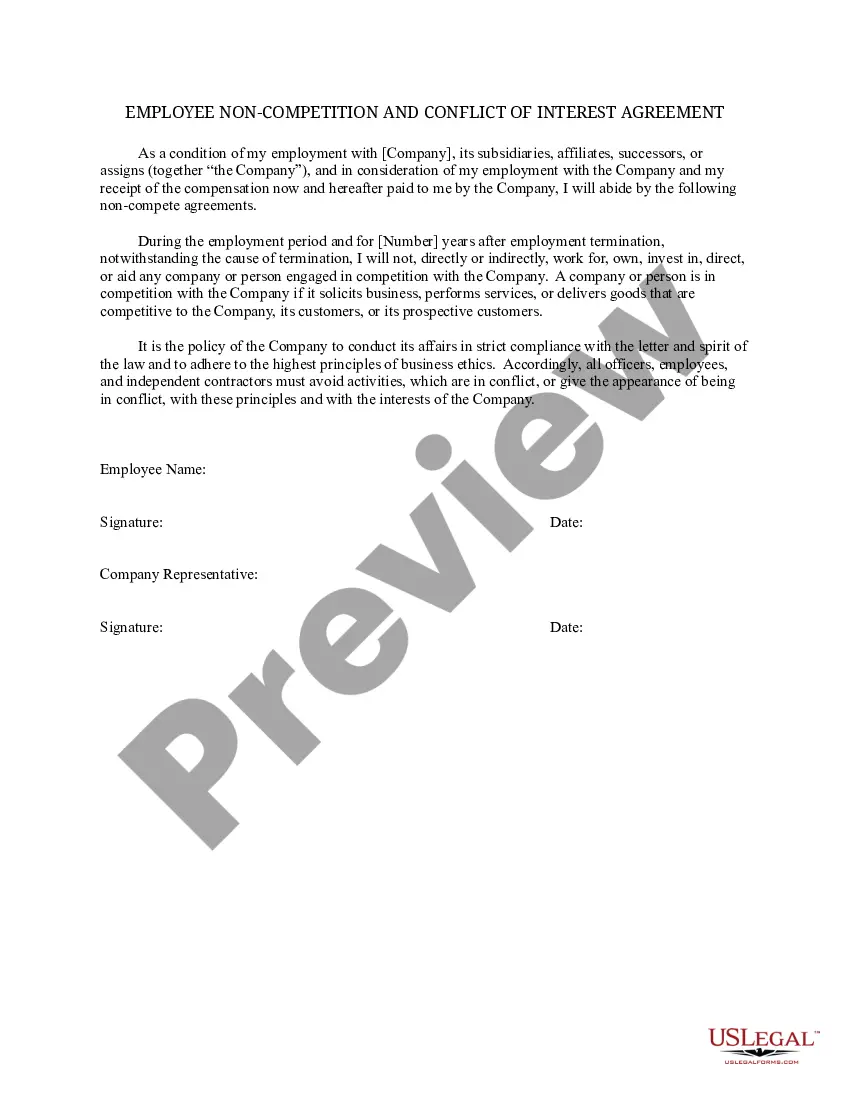
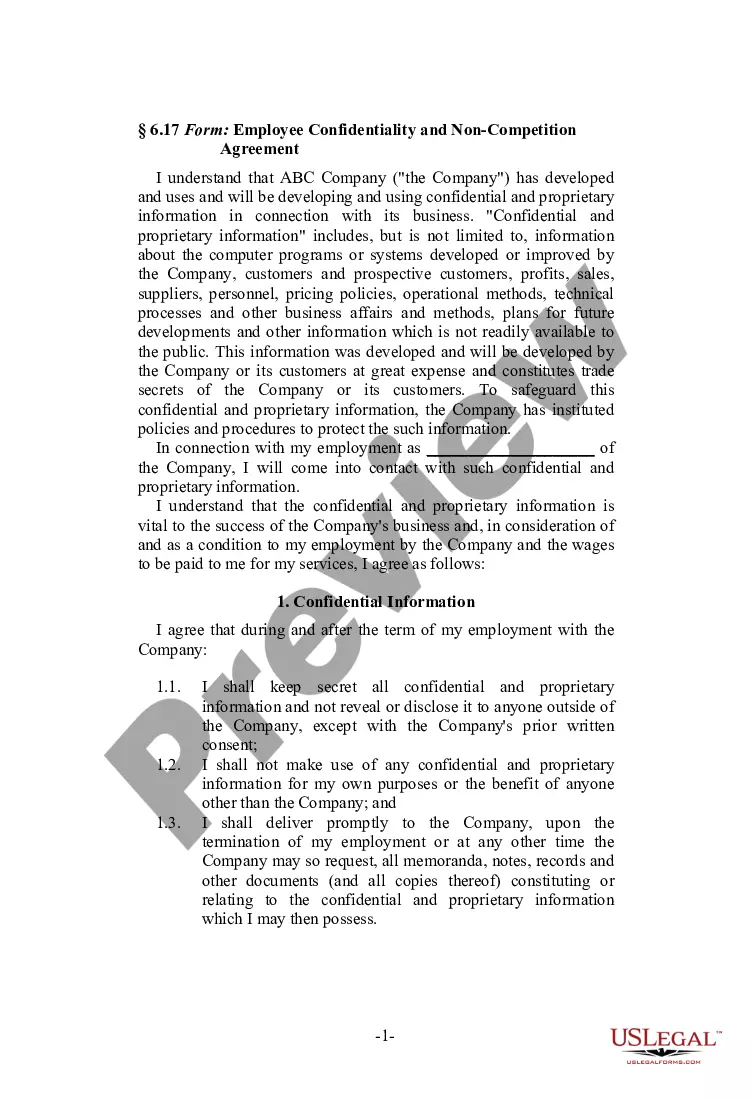
compete agreement template typically includes the names of the parties involved, the scope of the noncompetition, the duration of the noncompetition, the geographical area where the noncompetition applies, and any exceptions or exclusions.
Reasonableness: Non-compete agreements must be reasonable in terms of their scope and duration. This means that the restrictions must be no broader than necessary to protect the legitimate business interests of the employer, such as protecting trade secrets, confidential information, and/or customer relationships.
