Types Of Unfair Competition In Phoenix
Description

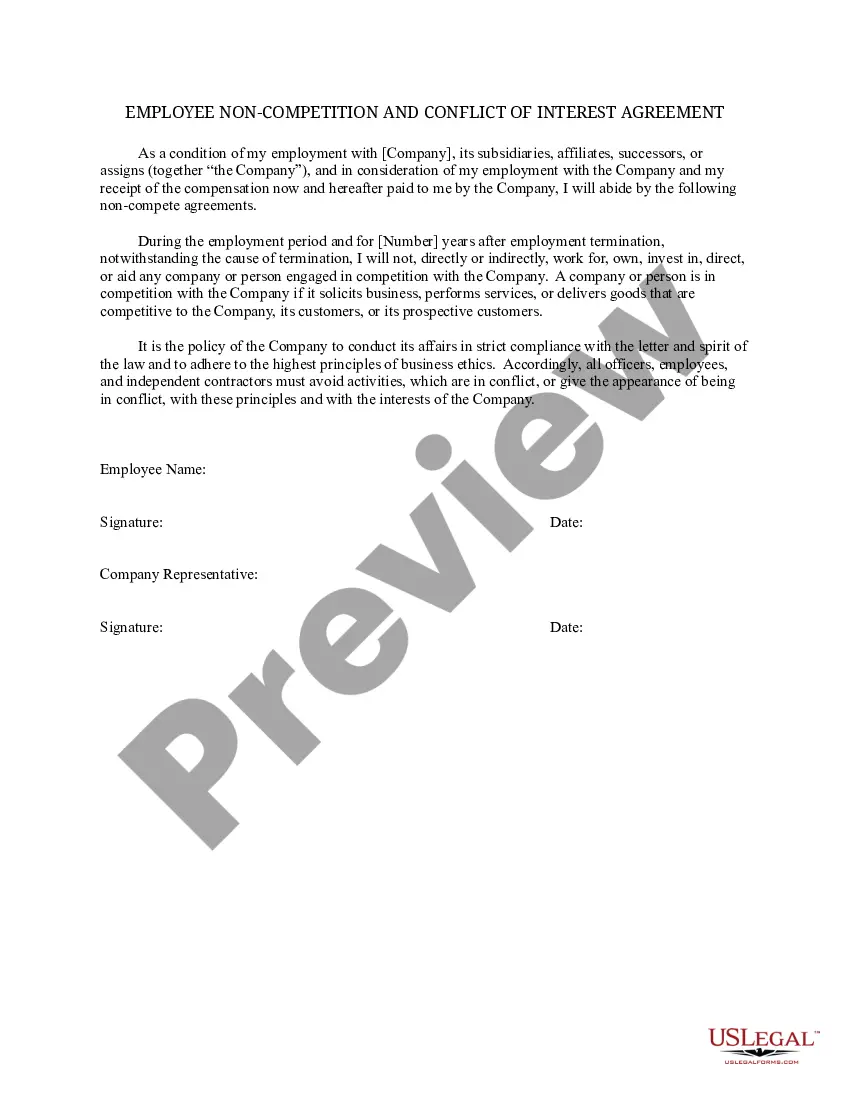
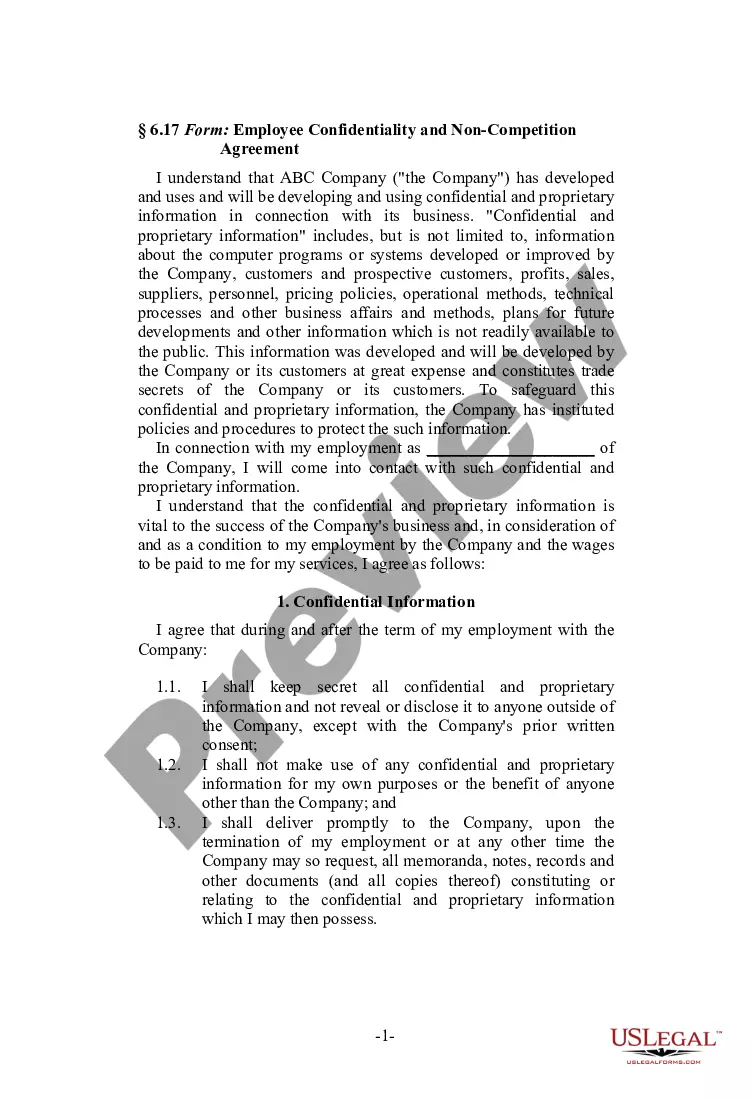
Get your form ready online
Our built-in tools help you complete, sign, share, and store your documents in one place.
Make edits, fill in missing information, and update formatting in US Legal Forms—just like you would in MS Word.
Download a copy, print it, send it by email, or mail it via USPS—whatever works best for your next step.
Sign and collect signatures with our SignNow integration. Send to multiple recipients, set reminders, and more. Go Premium to unlock E-Sign.
If this form requires notarization, complete it online through a secure video call—no need to meet a notary in person or wait for an appointment.
We protect your documents and personal data by following strict security and privacy standards.

Make edits, fill in missing information, and update formatting in US Legal Forms—just like you would in MS Word.

Download a copy, print it, send it by email, or mail it via USPS—whatever works best for your next step.

Sign and collect signatures with our SignNow integration. Send to multiple recipients, set reminders, and more. Go Premium to unlock E-Sign.

If this form requires notarization, complete it online through a secure video call—no need to meet a notary in person or wait for an appointment.

We protect your documents and personal data by following strict security and privacy standards.
Looking for another form?

Form popularity
FAQ
The law describes “unfair competition” as any unlawful, unfair, or fraudulent business act or practice, or false, deceptive, or misleading advertising. To pursue lawsuits under California's unfair competition law, a consumer or business must prove suffering and financial or property losses due to an unfair practice.
To pursue lawsuits under California's unfair competition law, a consumer or business must prove suffering and financial or property losses due to an unfair practice. A plaintiff can take legal action within four years of discovering an illegal practice.
If a plaintiff wins their case under the Lanham Act, they can receive monetary damages, which can include: Lost profits, Reasonable royalties, Funds to issue “corrective advertising,” meant to re-educate the public as to the correct source of goods or services affected by the unfair competition.
What are the remedies? Remedies for unfair competition in California can include: Recovery of the plaintiff's actual economic damages; and/or. Court orders for injunctive relief or equitable relief to prohibit unfair practices.
Businesses harmed by unfair competition can sue for injunctive relief. Courts can issue an "injunction." Injunctions are like a legal "stop sign" that a court can use to stop someone from doing a specific action. These remedies may be available in state and federal court.
The court may order a person who intentionally or negligently has committed an act of unfair competition and thereby injured the business reputation of another person to take measures, upon the request of the person whose business reputation has been so injured, necessary for the recovery of the business reputation of ...
17200. As used in this chapter, unfair competition shall mean and include any unlawful, unfair or fraudulent business act or practice and unfair, deceptive, untrue or misleading advertising and any act prohibited by Chapter 1 (commencing with Section 17500) of Part 3 of Division 7 of the Business and Professions Code.
These are the most common examples of unfair competition practices in business litigation: Trademark infringement. Product disparagement (making false claims about a competitor's product) Stealing a competitor's trade secrets or confidential information.
Definition. Unfair competition is conduct by a market participant which gains or seeks to gain an advantage over its rivals through misleading, deceptive, dishonest, fraudulent, coercive or unconscionable conduct in trade or commerce.
Named Acts of Unfair Competition These are actions specifically defined in the Law, such as: -product imitation, -service imitation, -bribery, -hindering access to the market -unfair advertising.
