Competition Noncompetition For Us Treasuries In Pennsylvania
Description

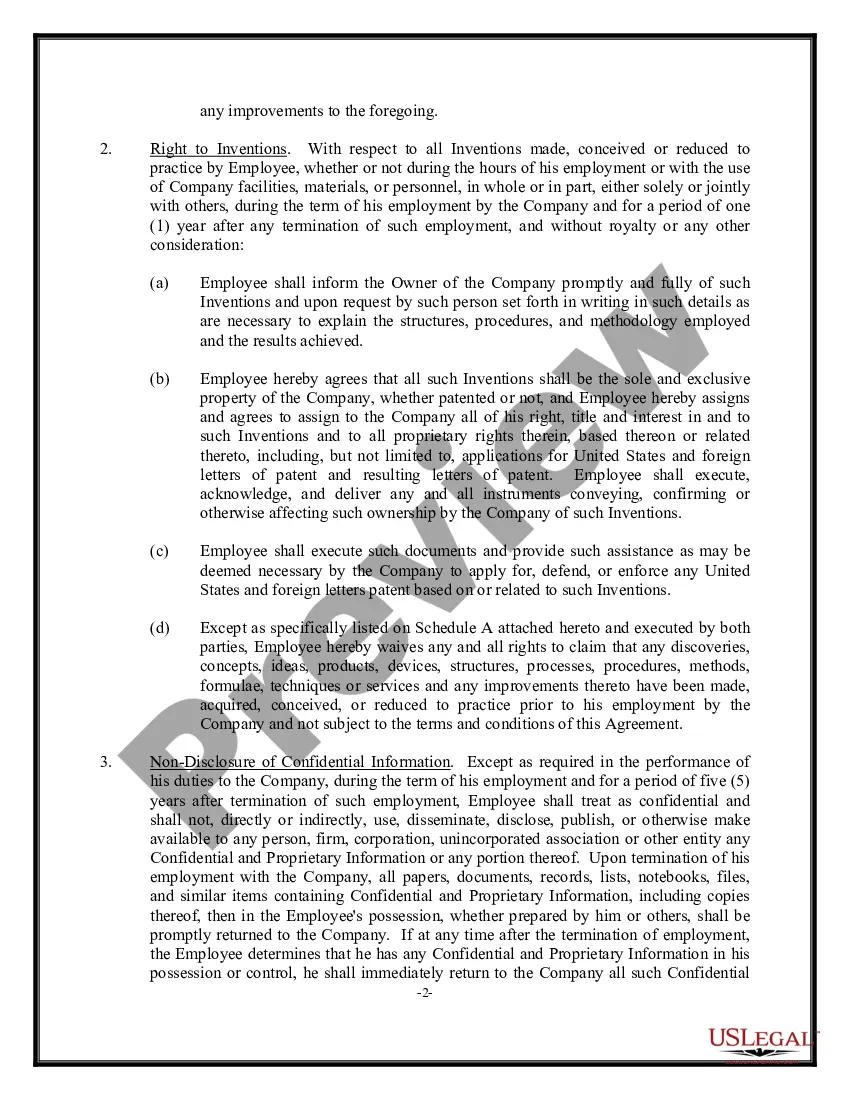
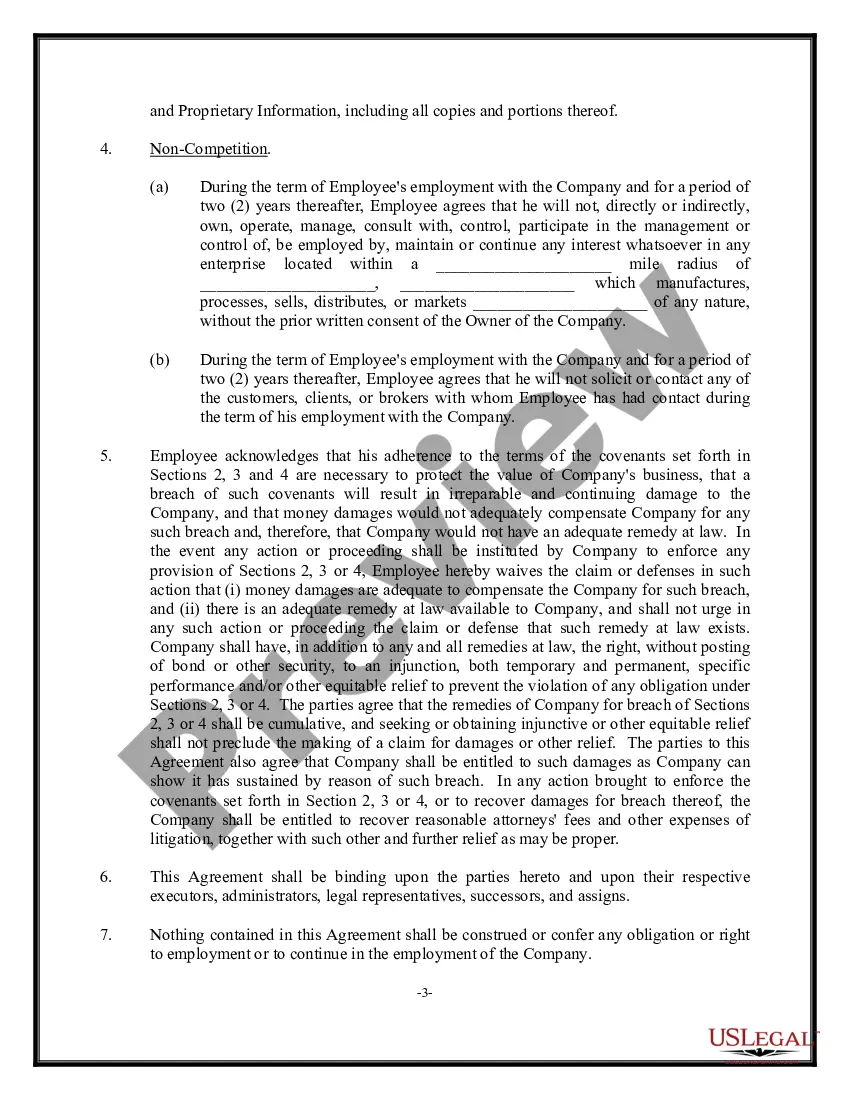
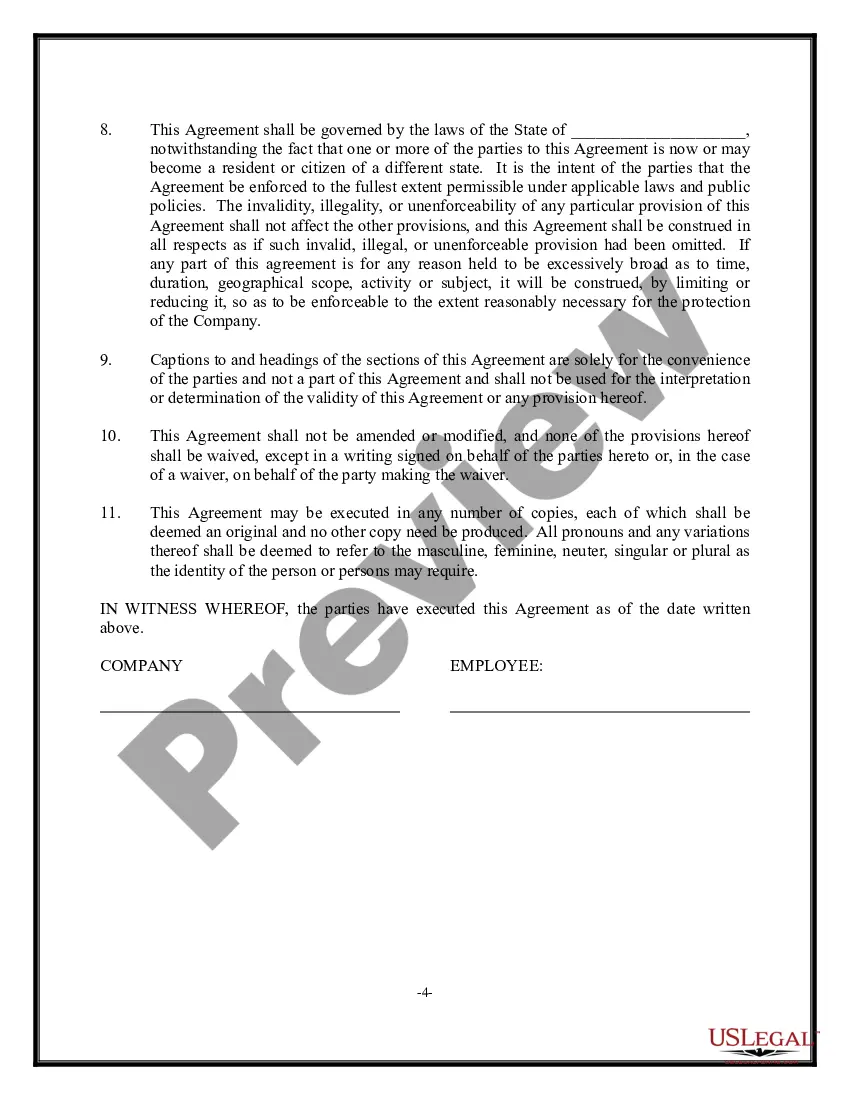
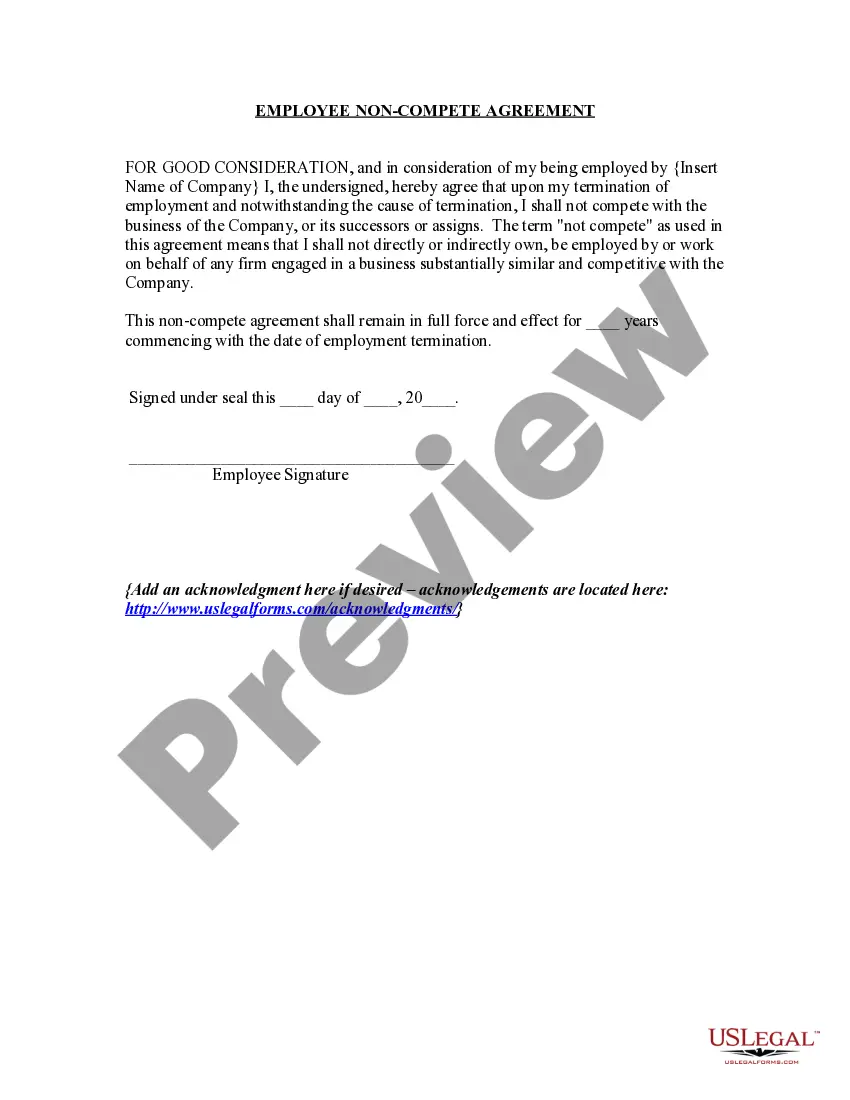
Get your form ready online
Our built-in tools help you complete, sign, share, and store your documents in one place.
Make edits, fill in missing information, and update formatting in US Legal Forms—just like you would in MS Word.
Download a copy, print it, send it by email, or mail it via USPS—whatever works best for your next step.
Sign and collect signatures with our SignNow integration. Send to multiple recipients, set reminders, and more. Go Premium to unlock E-Sign.
If this form requires notarization, complete it online through a secure video call—no need to meet a notary in person or wait for an appointment.
We protect your documents and personal data by following strict security and privacy standards.

Make edits, fill in missing information, and update formatting in US Legal Forms—just like you would in MS Word.

Download a copy, print it, send it by email, or mail it via USPS—whatever works best for your next step.

Sign and collect signatures with our SignNow integration. Send to multiple recipients, set reminders, and more. Go Premium to unlock E-Sign.

If this form requires notarization, complete it online through a secure video call—no need to meet a notary in person or wait for an appointment.

We protect your documents and personal data by following strict security and privacy standards.
Looking for another form?






Form popularity
FAQ
A Pennsylvania company dropped its lawsuit challenging the FTC's noncompete rule after a judge refused to enjoin it. The move leaves the fate of the rule to litigation stemming from Florida and Texas federal courts that have ruled against it. The rule is currently enjoined nationwide based on the Texas court's order.
Now, the Supreme Court has resolved the question by holding that employee non-competition agreements are prohibited by Section 16600 unless they fall within a statutory exception.
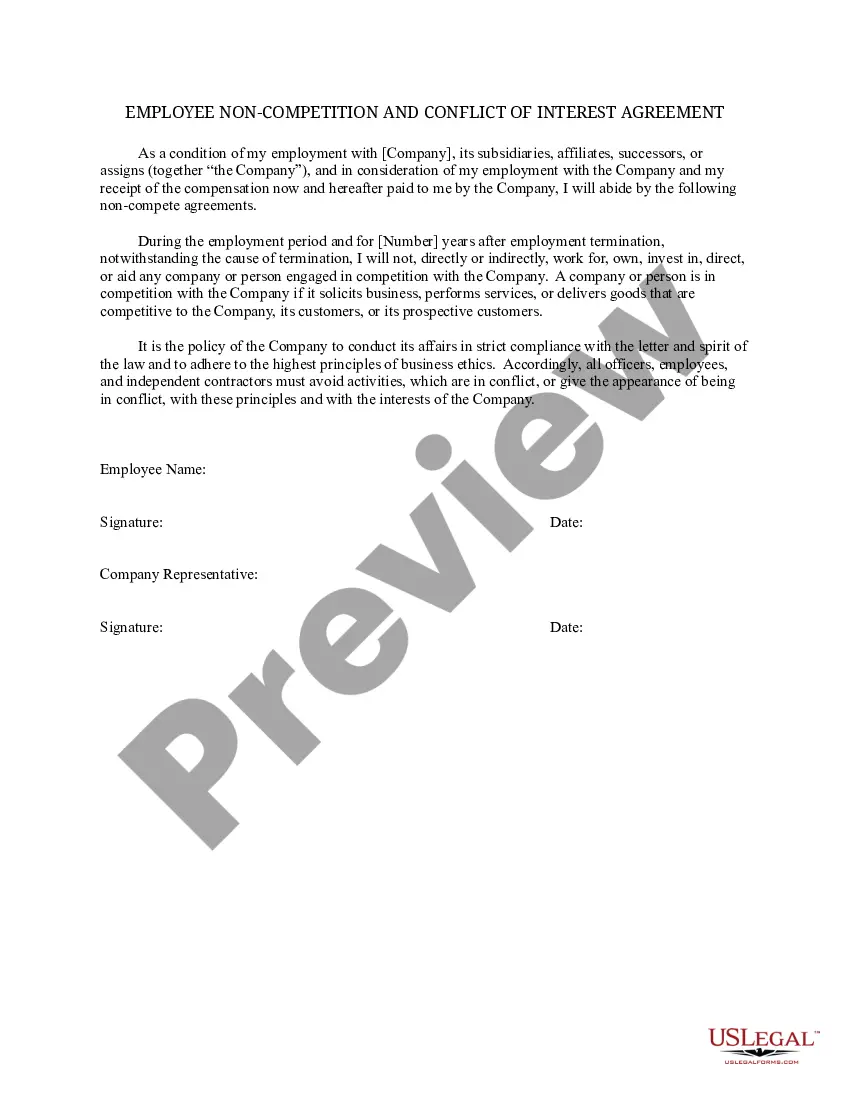
Non-compete agreements in Pennsylvania are enforceable only if they meet strict standards. Courts may void or modify agreements that are too restrictive. The legal landscape is evolving with state law changes and the FTC's rule potentially banning non-competes.
Non-compete agreements in Pennsylvania are enforceable only if they meet strict standards. Courts may void or modify agreements that are too restrictive. The legal landscape is evolving with state law changes and the FTC's rule potentially banning non-competes.
On April 23, 2024, the FTC passed a final rule to ban most non-compete clauses in employment agreements, finding such agreements to be unfair methods of competition (the “FTC Rule”).
On July 23, 2024, the United States District Court for the Eastern District of Pennsylvania issued a decision in ATS Tree Services, LLC v. FTC, which held that the Federal Trade Commission (FTC) had the authority to issue its rule banning most employment-based noncompete agreements (the Noncompete Rule or Rule).
Federal Judge Blocks FTC Non-Compete Ban, Leaving Agreements Enforceable. On August 20, 2024, U.S. District Judge Ada Brown of the Northern District of Texas struck down a proposed rule by the United States Federal Trade Commission (FTC) that sought to impose a nationwide ban on non-compete agreements.
In Georgia, a non-compete agreement may be declared unenforceable or invalid for a number of reasons, including: An unreasonable time period (under the newest version of Georgia's non-compete law, restraints lasting more than 2 years are presumed unreasonable) An unreasonable restriction on geographic territory.
On July 23, 2024, Pennsylvania Governor Josh Shapiro signed the Fair Contracting for Health Care Practitioners Act (the “Act”), which bans certain noncompete covenants, including patient nonsolicitation provisions, between an employer and health care practitioner if the covenant is more than one year or the health care ...
Showing that the agreement is not related to a legitimate business interest is the most effective way of getting out of a non-compete contract. The goal of any non-compete agreement is to protect trade secrets.
