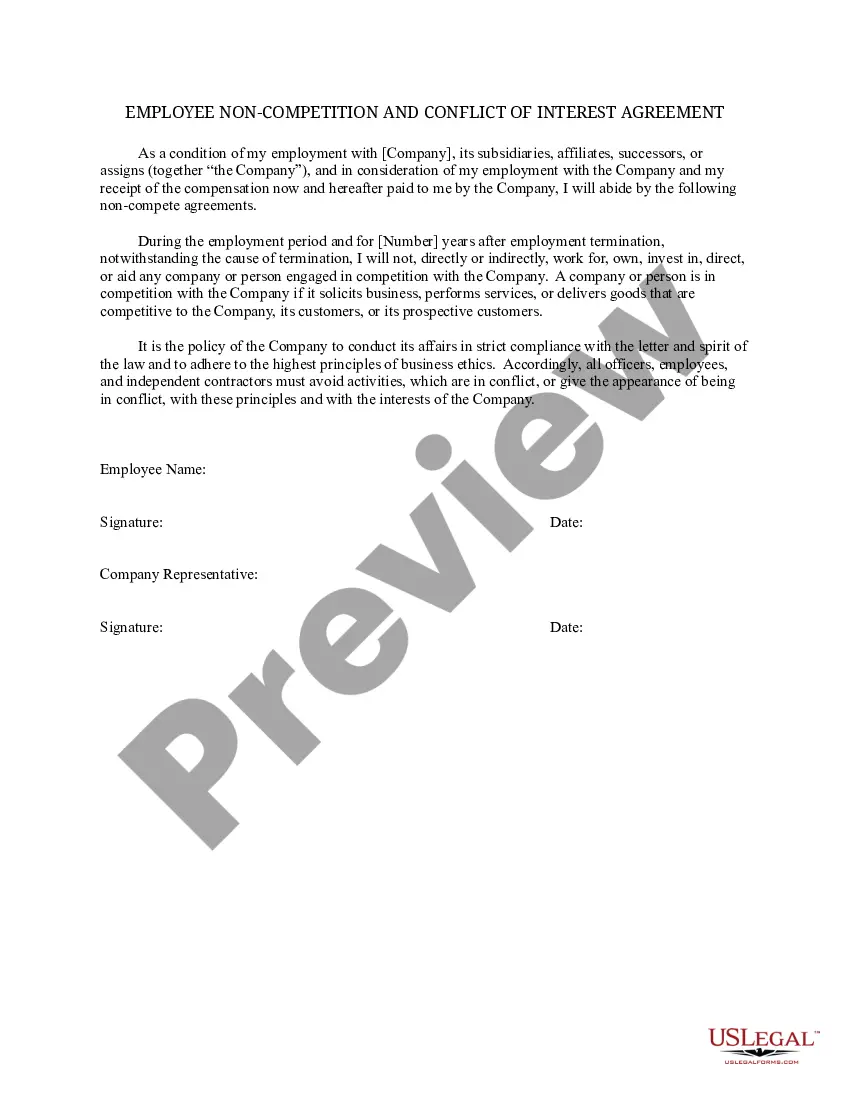
Competition Noncompetition For 50 In Oakland
Description

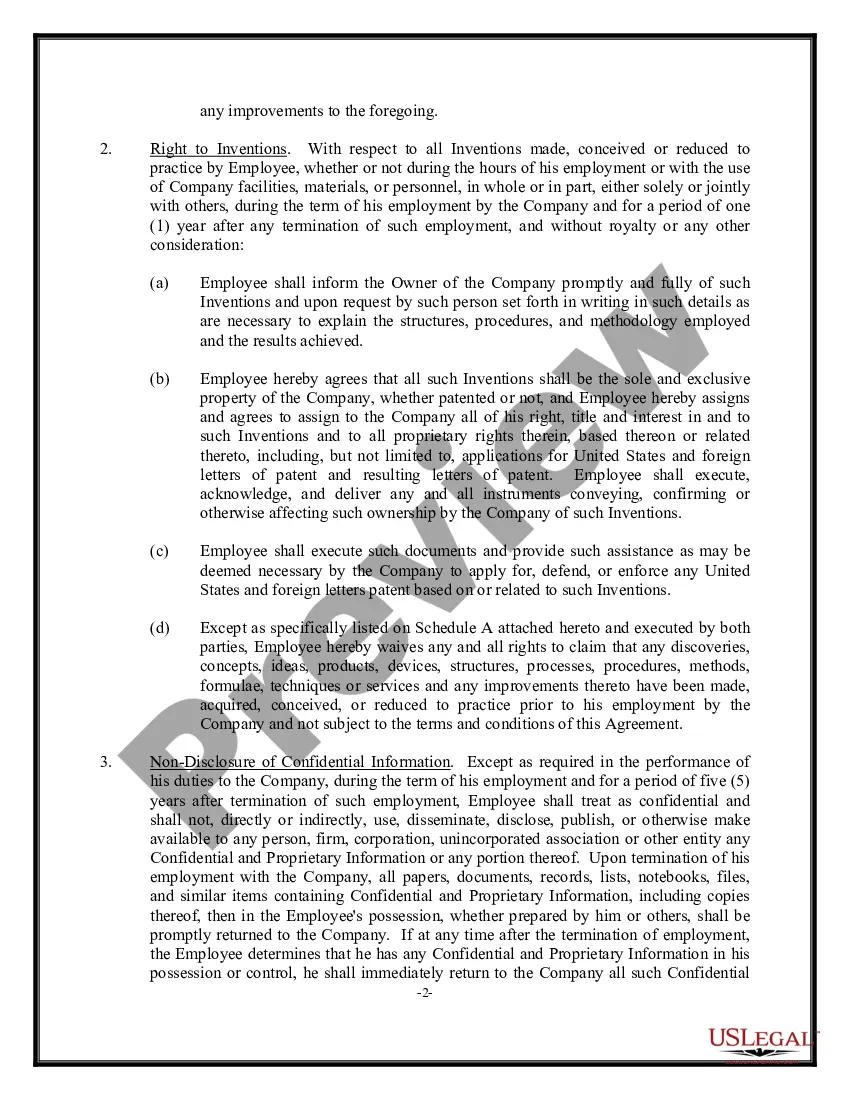
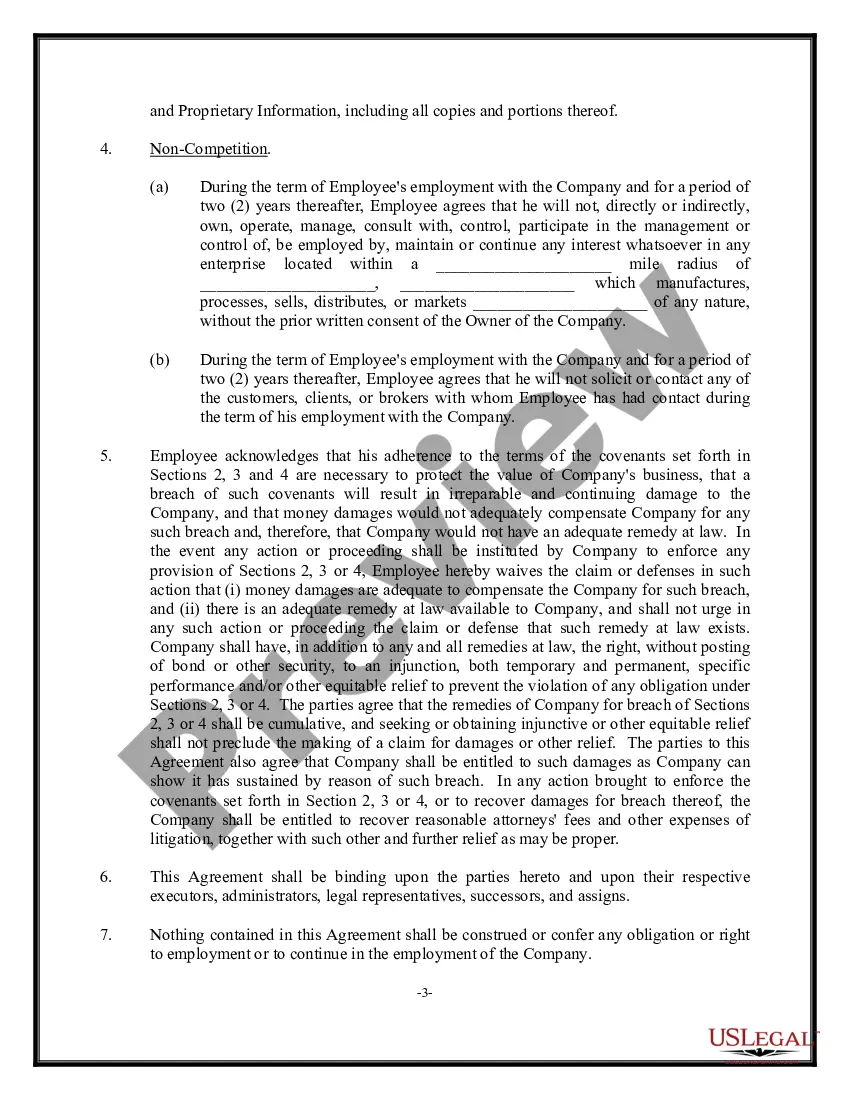
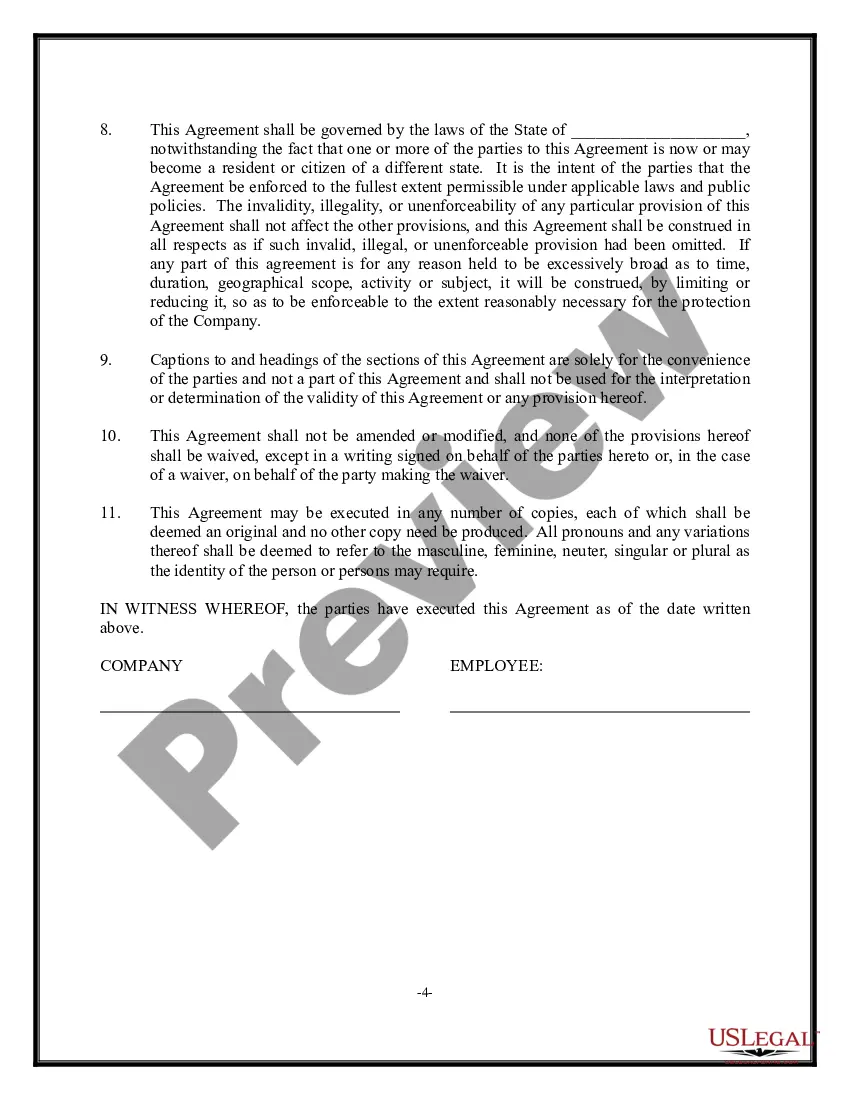
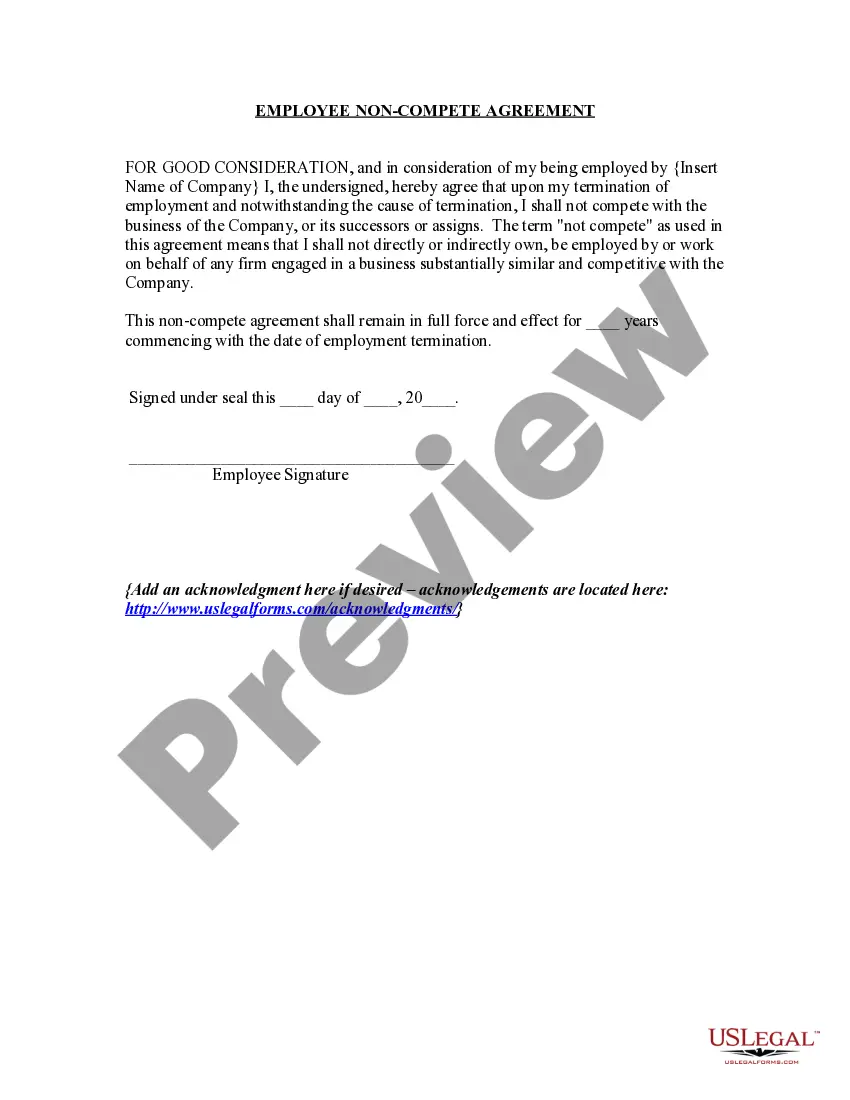
Get your form ready online
Our built-in tools help you complete, sign, share, and store your documents in one place.
Make edits, fill in missing information, and update formatting in US Legal Forms—just like you would in MS Word.
Download a copy, print it, send it by email, or mail it via USPS—whatever works best for your next step.
Sign and collect signatures with our SignNow integration. Send to multiple recipients, set reminders, and more. Go Premium to unlock E-Sign.
If this form requires notarization, complete it online through a secure video call—no need to meet a notary in person or wait for an appointment.
We protect your documents and personal data by following strict security and privacy standards.

Make edits, fill in missing information, and update formatting in US Legal Forms—just like you would in MS Word.

Download a copy, print it, send it by email, or mail it via USPS—whatever works best for your next step.

Sign and collect signatures with our SignNow integration. Send to multiple recipients, set reminders, and more. Go Premium to unlock E-Sign.

If this form requires notarization, complete it online through a secure video call—no need to meet a notary in person or wait for an appointment.

We protect your documents and personal data by following strict security and privacy standards.
Looking for another form?






Form popularity
FAQ
Consider Legal Action. If negotiations do not yield a satisfactory result, you may need to consider legal action. This could involve filing a lawsuit to challenge the enforceability of the non-compete agreement or seeking a court order to invalidate the agreement.
The notice must be: (1) made by February 14, 2024; (2) a written individualized communication to the employee or former employee; and (3) delivered to the last known address and email address of the employee or former employee.
California's SB 699 prohibits employers or former employers from attempting to enter into or enforce a contract that contains a noncompete agreement regardless of where the contracts were signed – whether in or outside of California.
Noncompete agreements are void and prohibited by law in California. QUICK SUMMARY: In California, noncompete agreements that are intended to prevent or restrain an employee from engaging in another lawful possession, trade or business during their employment have long been unenforceable.
The following are the most common ways to get out of a non-compete agreement: Determine that the terms of the contract do not in fact prevent you from a desired course of action. Recognize when a non-compete contradicts the law. Negotiate a release agreement with the involved parties. Ignore the agreement.
AB 1076 Notice Requirement AB 1076 requires employers to send a notice to employees informing them that any noncompete agreements or noncompete provisions in their employment contract are void in California. The notice must be written and delivered to the employee's last known postal address and email address.
Several factors can void or limit the enforceability of a non-compete agreement, including overly broad restrictions, unreasonable time frames or geographical limits, lack of consideration (such as compensation or job opportunities provided in exchange for the agreement), and violation of public policy.
On January 1, 2024, California introduced a new statute that makes non-competes unlawful “regardless of where and when the contract was signed.” This law has produced new uncertainty for employers around the country, and, predictably, litigation has taken off.
Compensation: An employer must offer some benefit to the employee in exchange for limiting future opportunities. For new employees, the job offer itself is generally considered sufficient compensation. Still, existing employees asked to sign a covenant not to compete may be entitled to a raise or promotion.
