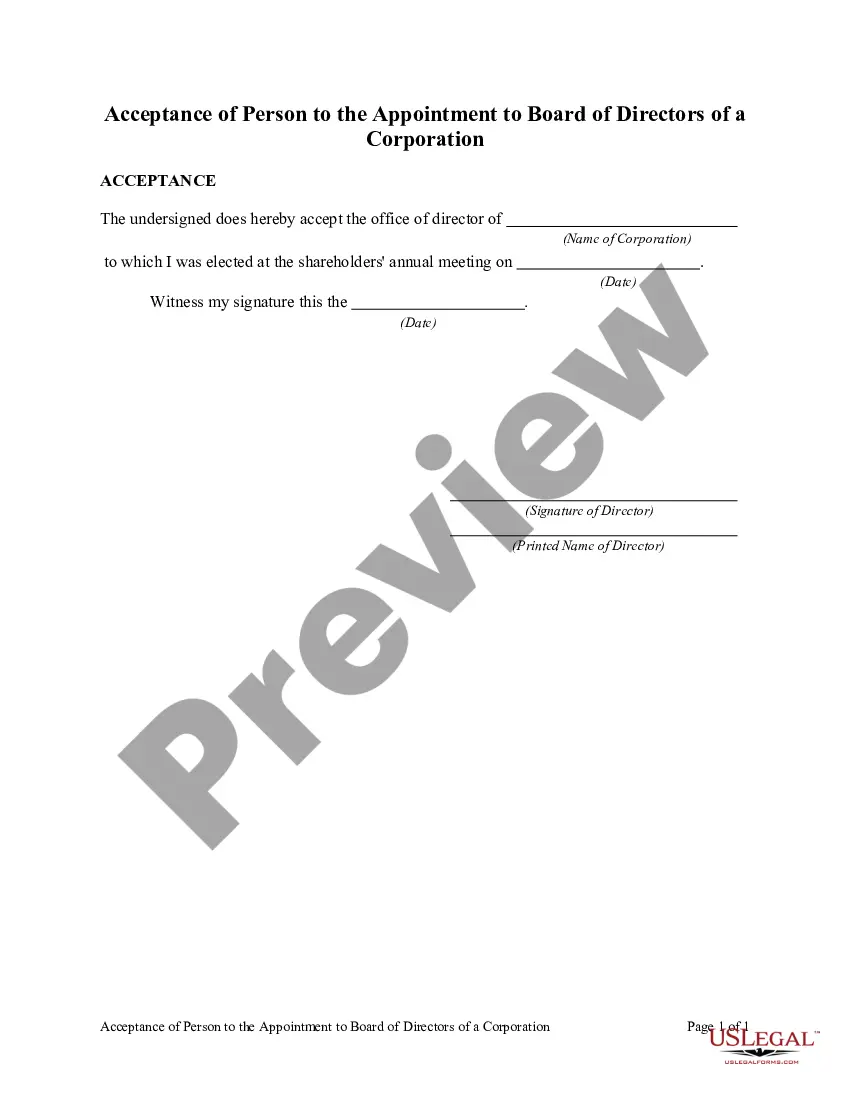
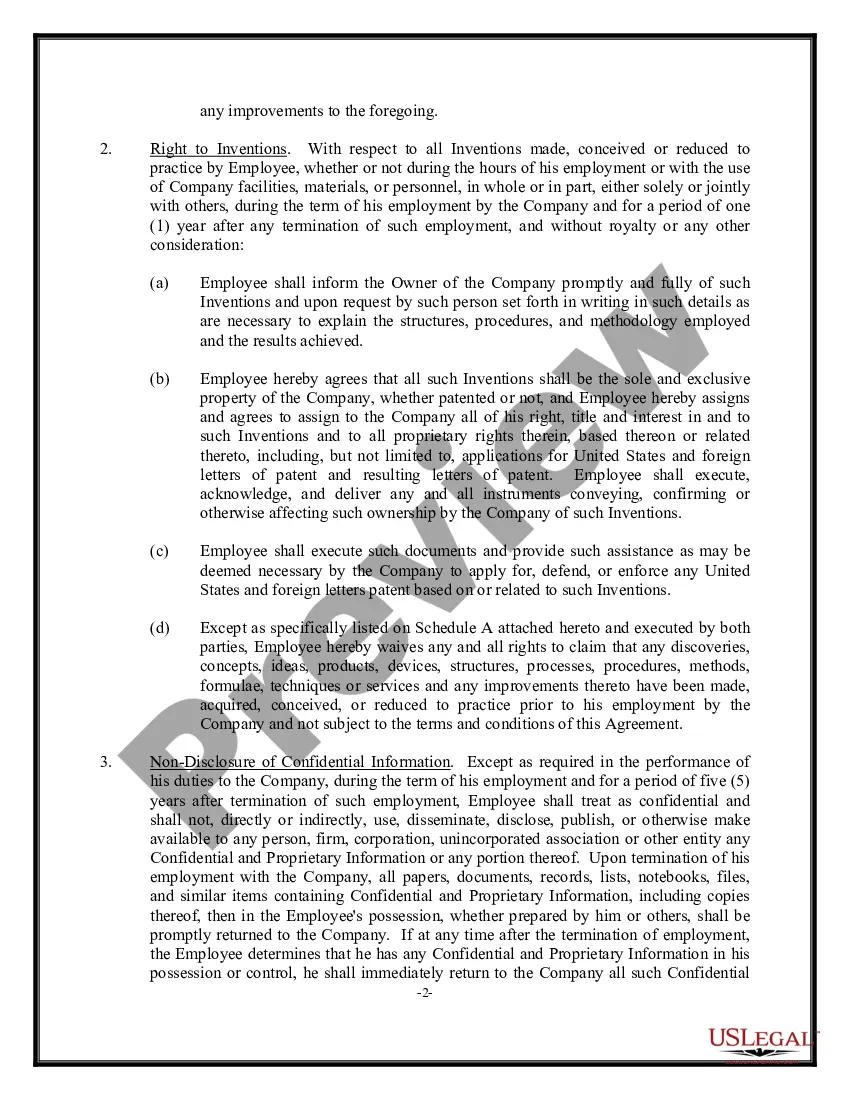
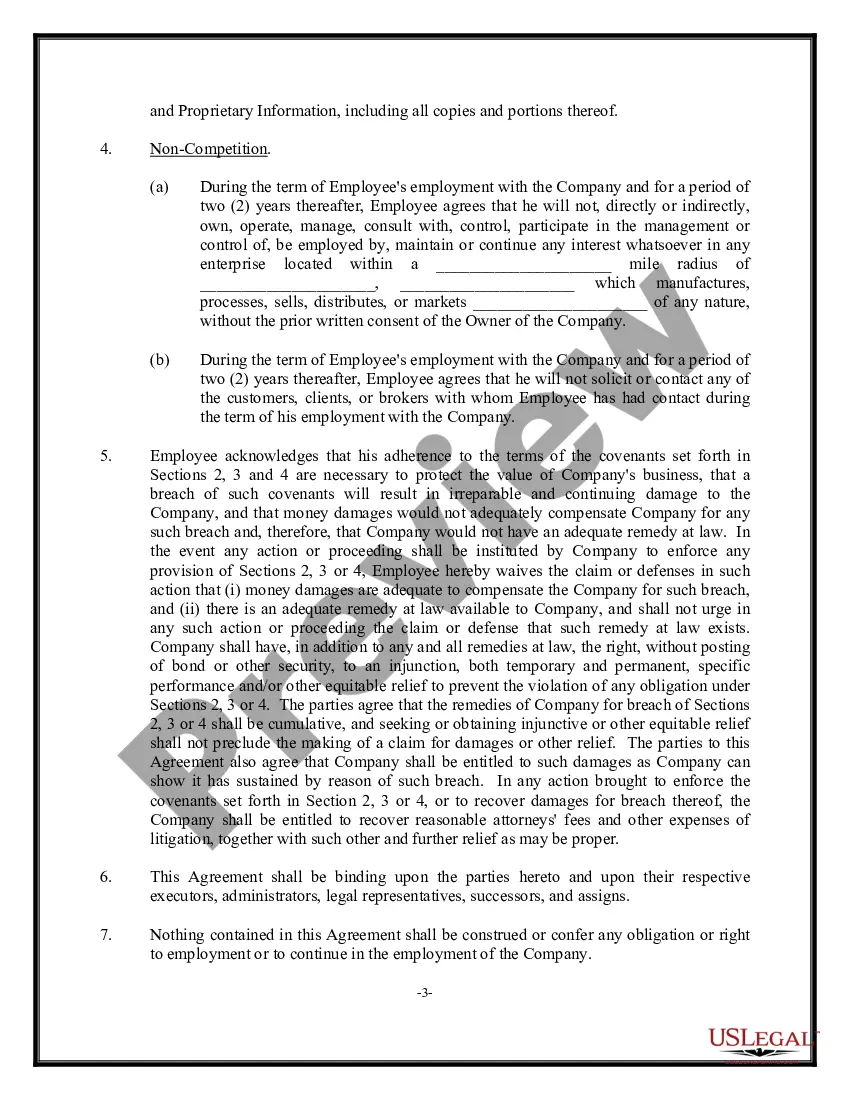
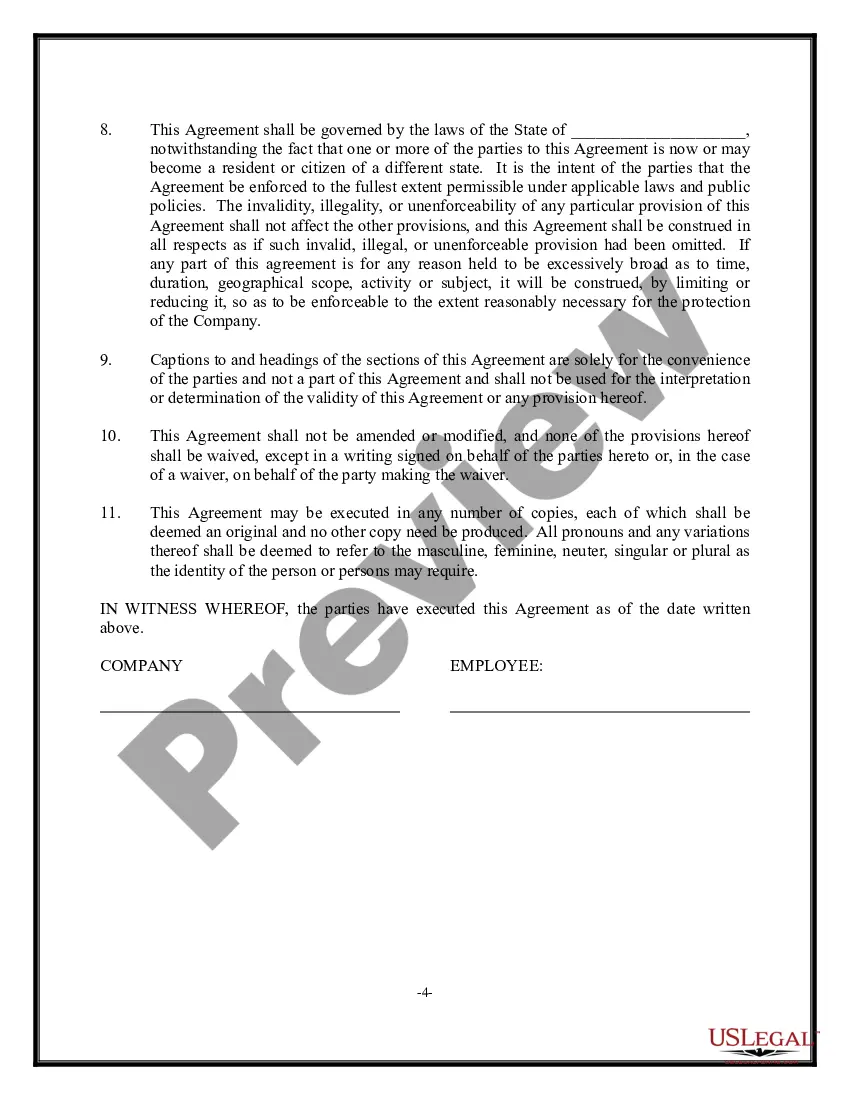
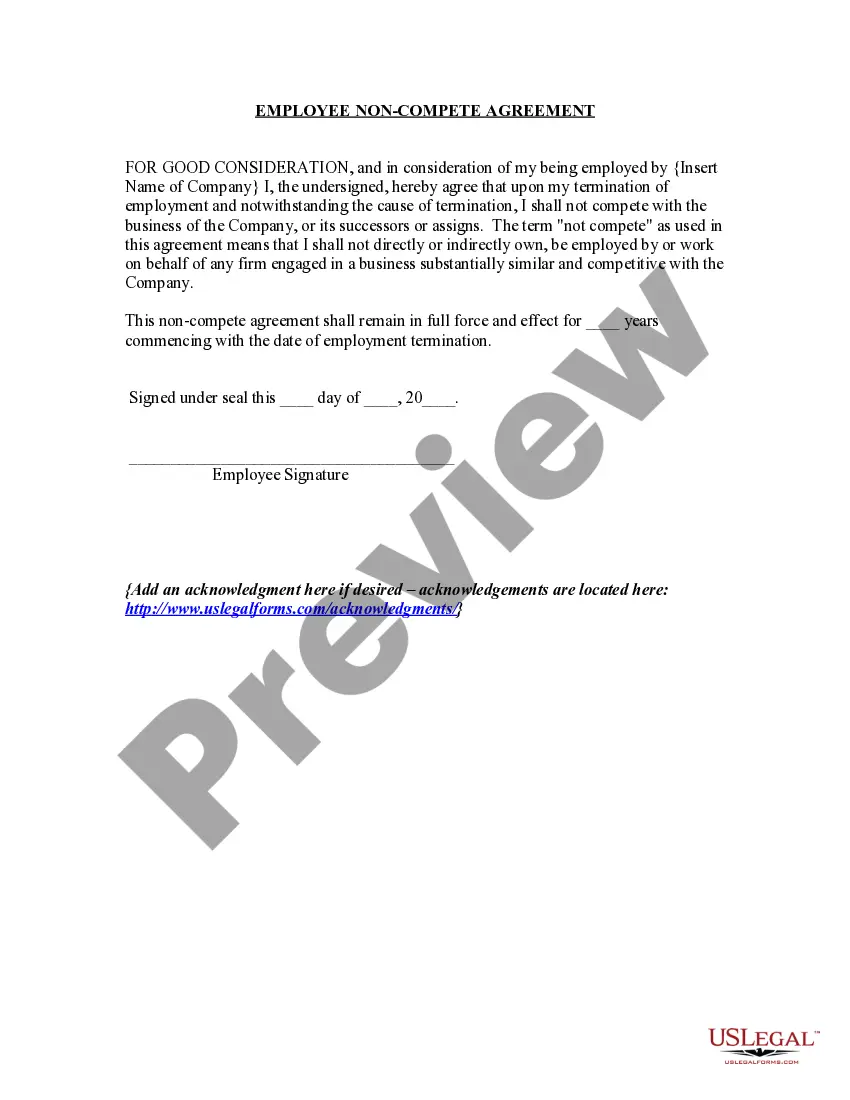
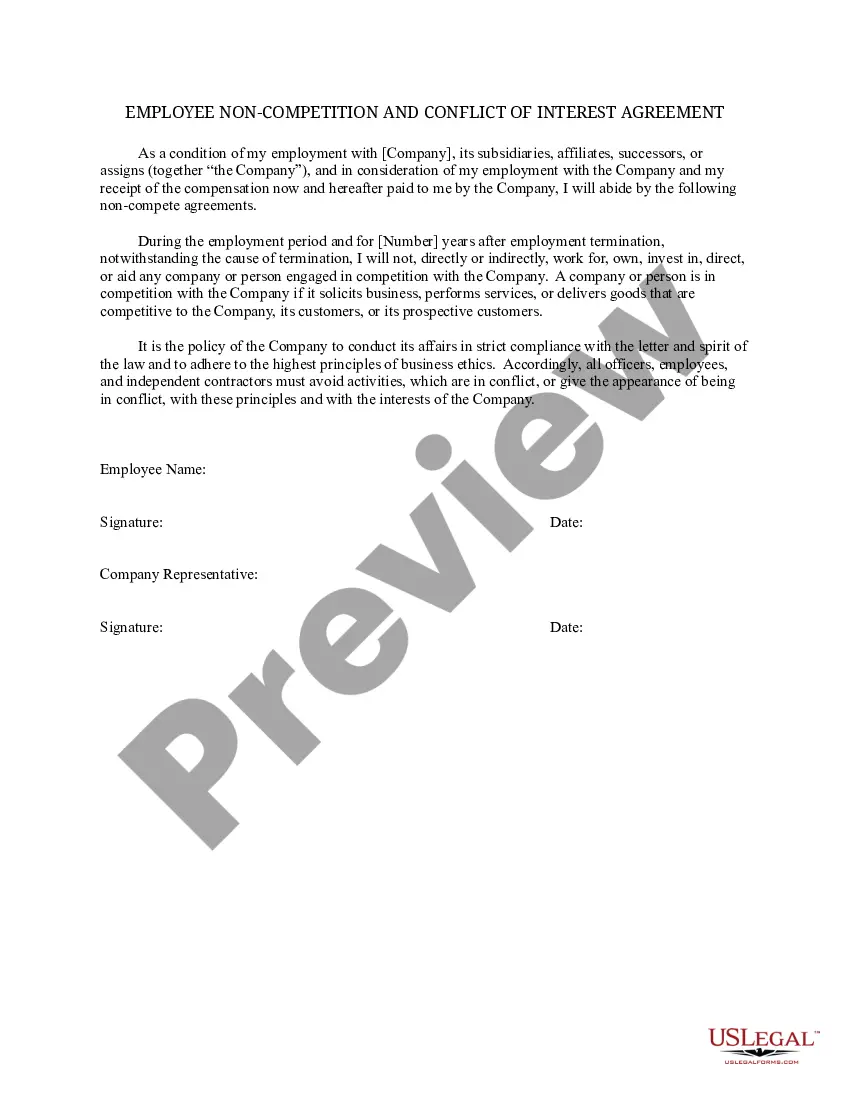
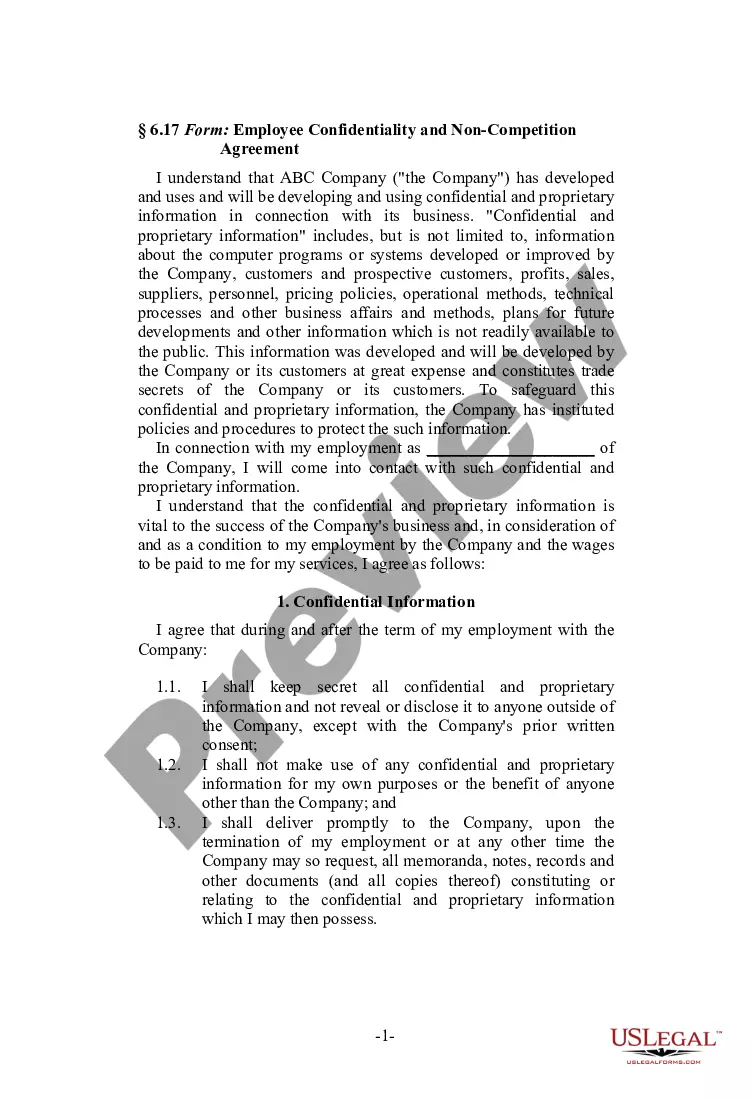
Competition Non Competition With Friends In New York
Description

Get your form ready online
Our built-in tools help you complete, sign, share, and store your documents in one place.
Make edits, fill in missing information, and update formatting in US Legal Forms—just like you would in MS Word.
Download a copy, print it, send it by email, or mail it via USPS—whatever works best for your next step.
Sign and collect signatures with our SignNow integration. Send to multiple recipients, set reminders, and more. Go Premium to unlock E-Sign.
If this form requires notarization, complete it online through a secure video call—no need to meet a notary in person or wait for an appointment.
We protect your documents and personal data by following strict security and privacy standards.

Make edits, fill in missing information, and update formatting in US Legal Forms—just like you would in MS Word.

Download a copy, print it, send it by email, or mail it via USPS—whatever works best for your next step.

Sign and collect signatures with our SignNow integration. Send to multiple recipients, set reminders, and more. Go Premium to unlock E-Sign.

If this form requires notarization, complete it online through a secure video call—no need to meet a notary in person or wait for an appointment.

We protect your documents and personal data by following strict security and privacy standards.
Looking for another form?





Form popularity
FAQ
No law requires you to sign a non-compete, but an employer is allowed to require you to sign a non-compete before or after you start work. Employees can easily overlook the terms of a non- compete if they are told they must sign it just to be hired or to continue employment.
Most New York courts will not enforce a non-compete agreement if the restriction is for over a year. For example, courts will generally find this time frame too long if the agreement attempts to restrict an employee for two years or more.
On February 10, 2025, Senator Ryan introduced a new bill (S4641) that narrows the original proposal while still seeking to ban most prospective non-compete agreements in New York. It also establishes a civil cause of action for employees who believe an employer has violated the statute.
The new version of the bill would permit a covered individual to bring a civil action for violations of the proposed ban on non-compete agreements within two years of when (1) the non-compete agreement was signed, (2) the covered individual learned about the non-compete agreement, (3) when the employment or contractual ...
An employer can file a lawsuit and ask a court to enforce the non-compete and require the employee to follow its terms. Some employers may send a letter to the employee or to the employee's new employer threatening to file a lawsuit to discourage employees from taking a new job.
Under Texas law noncompete agreements can be enforceable if: The noncompete provision is part of an otherwise enforceable agreement. The non-compete requirement is supported by valid consideration (consideration meaning something of value provided to the employee).
Under the Noncompete Rule, the FTC adopted a comprehensive ban on new noncompetes with all workers, including senior executives.
Summary: This bill would prohibit employers from entering into non-compete agreements with employees, and it would rescind any non-compete agreements that predate the effective date of this bill. Employers would be subject to a $500 civil penalty for each violation of this bill. Ver.
Most New York courts will not enforce a non-compete agreement if the restriction is for over a year. For example, courts will generally find this time frame too long if the agreement attempts to restrict an employee for two years or more.
A noncompete is unenforceable if it restricts an employee's ability to exercise their rights under federal law. No employer may enter into a covenant not to compete or a covenant not to solicit with any employee. Existing noncompetes are void and unenforceable, including out-of-state noncompetes.