Competition Noncompetition For Us Treasuries In Montgomery
Description

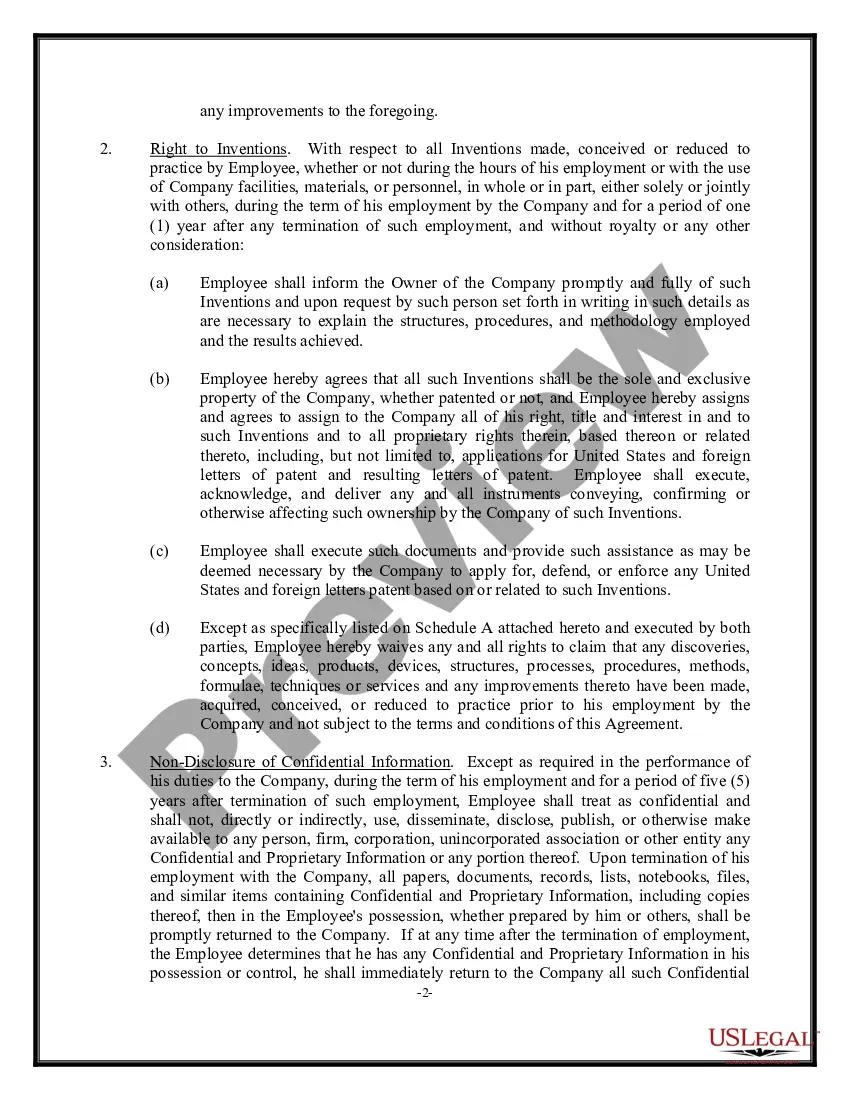
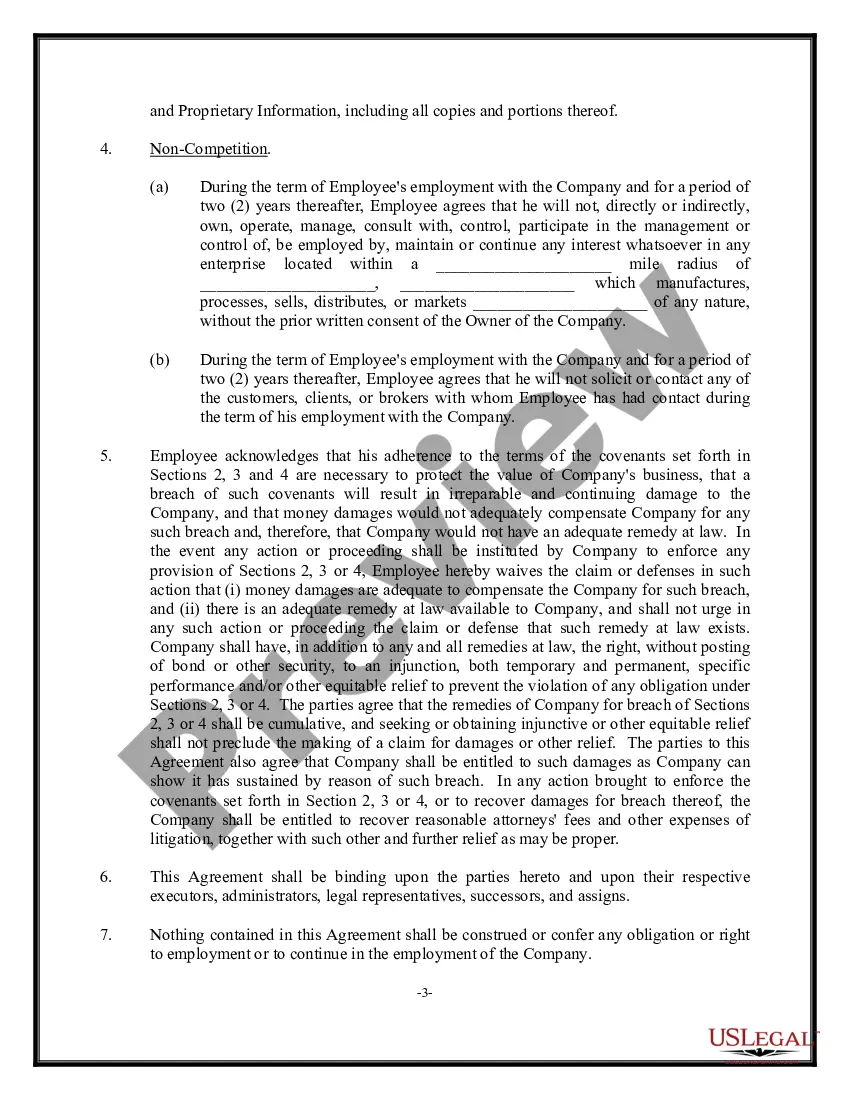
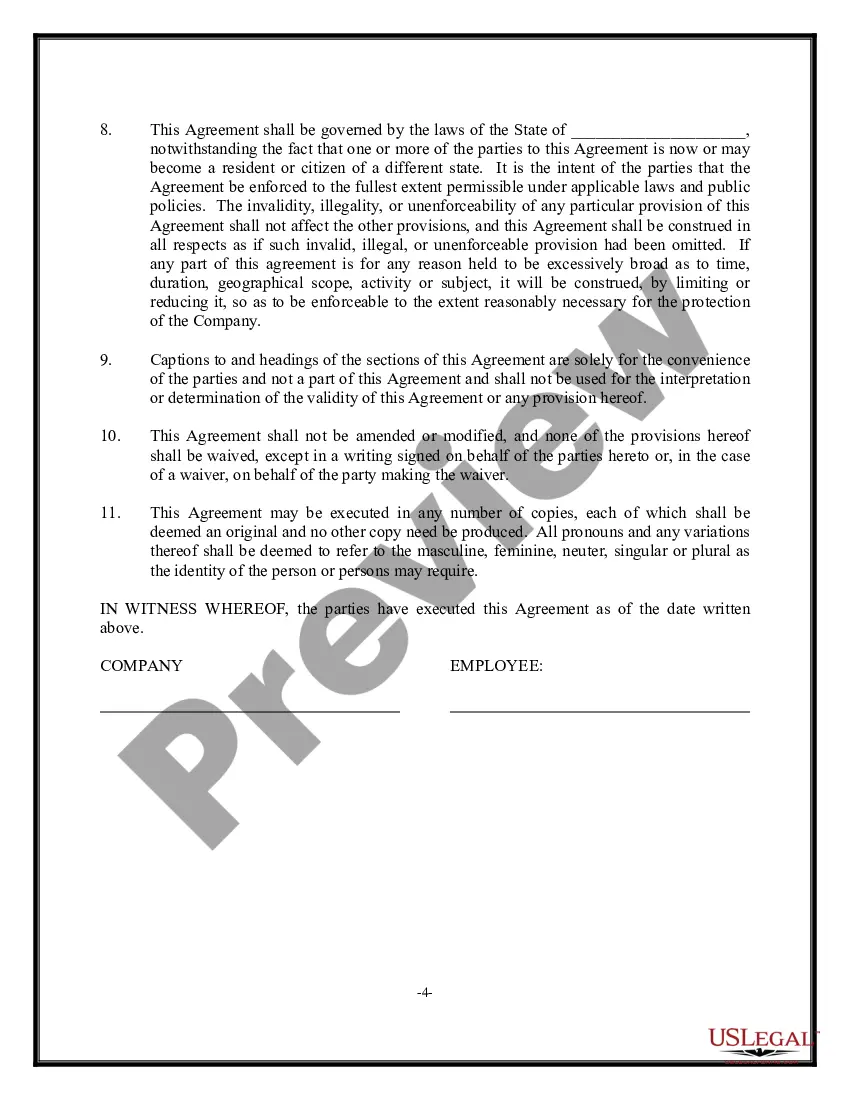
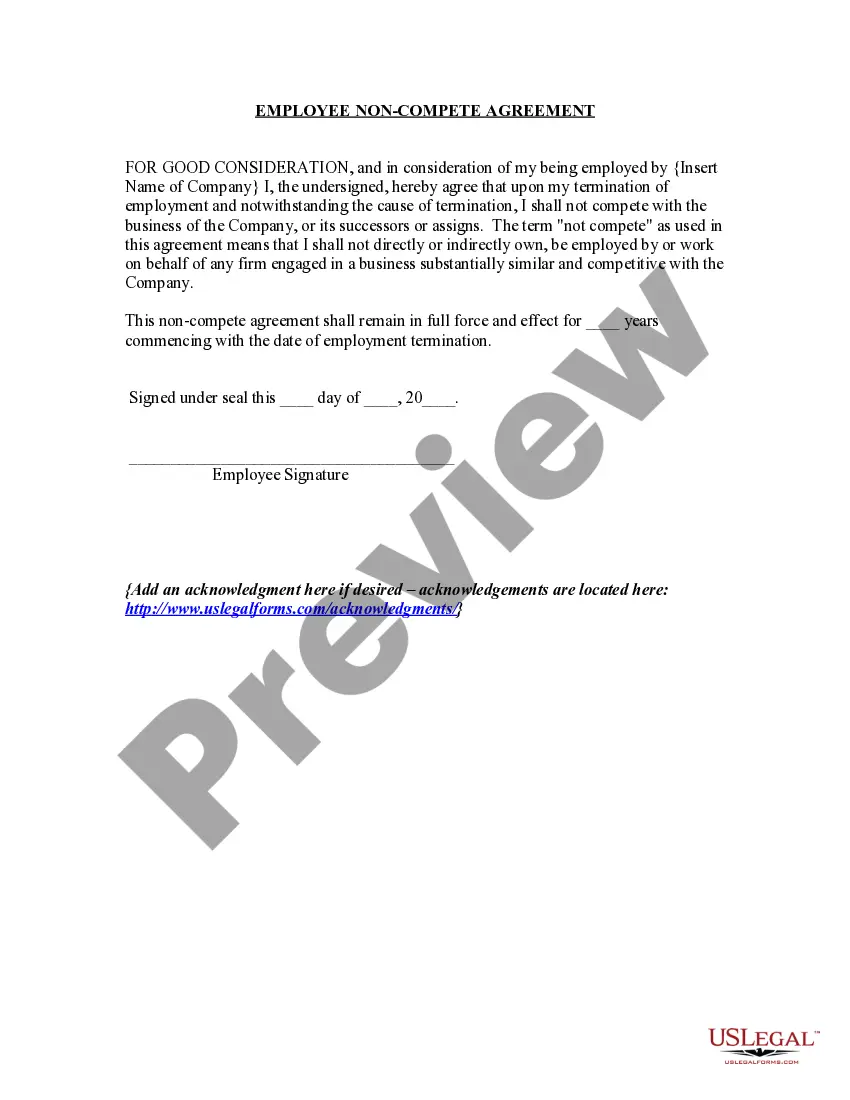
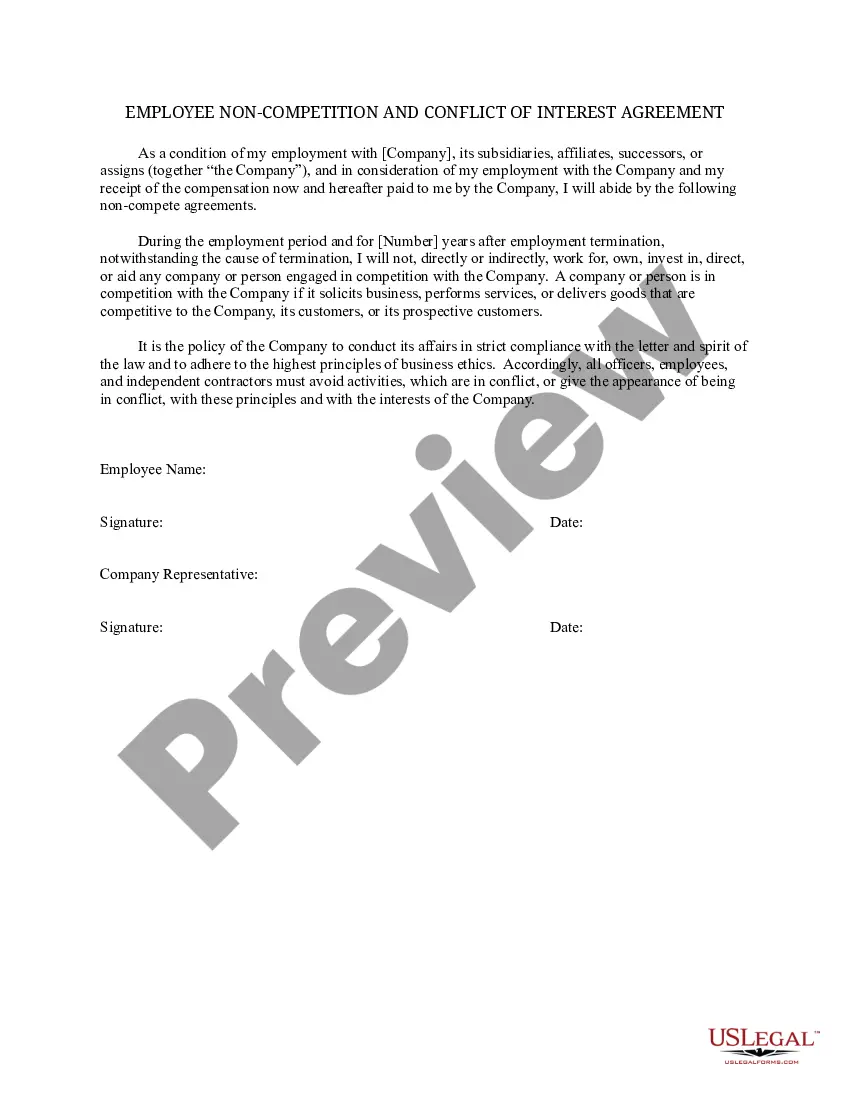
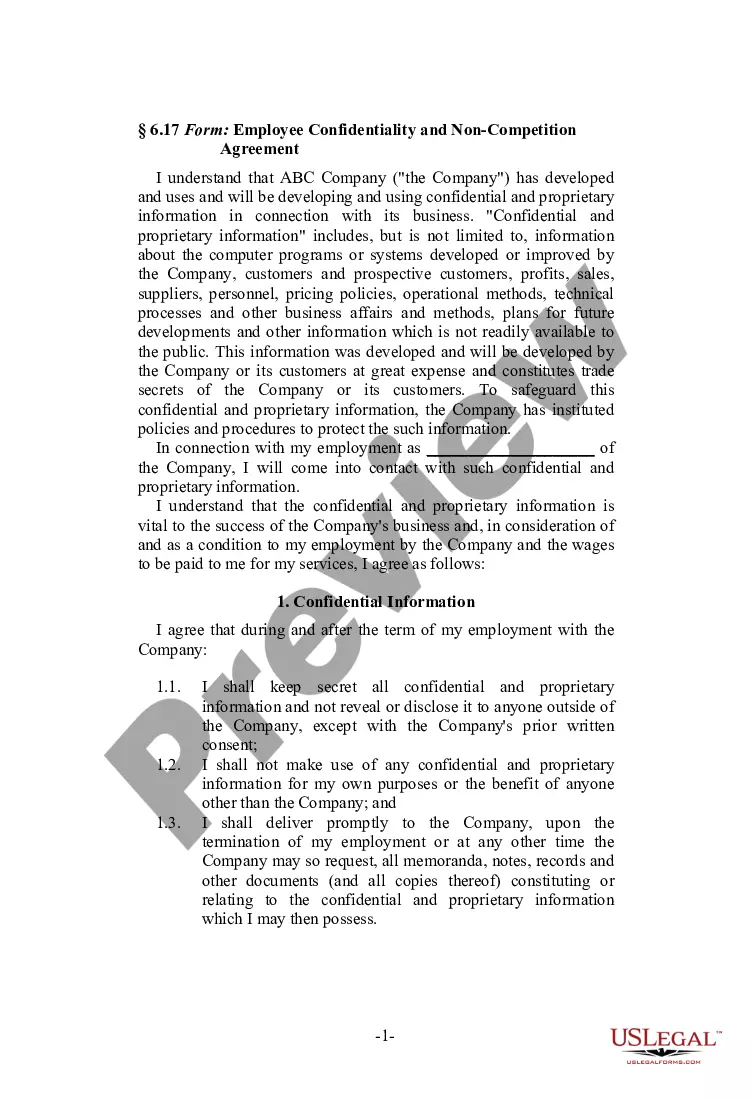
Get your form ready online
Our built-in tools help you complete, sign, share, and store your documents in one place.
Make edits, fill in missing information, and update formatting in US Legal Forms—just like you would in MS Word.
Download a copy, print it, send it by email, or mail it via USPS—whatever works best for your next step.
Sign and collect signatures with our SignNow integration. Send to multiple recipients, set reminders, and more. Go Premium to unlock E-Sign.
If this form requires notarization, complete it online through a secure video call—no need to meet a notary in person or wait for an appointment.
We protect your documents and personal data by following strict security and privacy standards.

Make edits, fill in missing information, and update formatting in US Legal Forms—just like you would in MS Word.

Download a copy, print it, send it by email, or mail it via USPS—whatever works best for your next step.

Sign and collect signatures with our SignNow integration. Send to multiple recipients, set reminders, and more. Go Premium to unlock E-Sign.

If this form requires notarization, complete it online through a secure video call—no need to meet a notary in person or wait for an appointment.

We protect your documents and personal data by following strict security and privacy standards.
Looking for another form?








Form popularity
FAQ
Under Alabama case law, the courts have on occasion limited or voided certain parts of non-competes or non-solicitation agreements that are overly broad in scope, geography, or duration. The new law specifically codifies that a court may now void or limit these agreements or void them in their entirety.
For non-competes, two years is presumptively reasonable. For a covenant (whether a non-compete or customer solicitation restriction) given in connection with the sale of a business, one year is presumptively reasonable.
The Alabama statute is restrictive as to when a Non-Compete Clause is enforceable. Specifically, the Alabama Code Section 8-1-190 states that such clauses are void or unenforceable except in certain circumstances that are listed in the statute.
The Alabama statute is restrictive as to when a Non-Compete Clause is enforceable. Specifically, the Alabama Code Section 8-1-190 states that such clauses are void or unenforceable except in certain circumstances that are listed in the statute.
Under the Noncompete Rule, the FTC adopted a comprehensive ban on new noncompetes with all workers, including senior executives. The final Noncompete Rule provides that it is an unfair method of competition—and therefore a violation of Section 5—for employers to enter into noncompetes with workers.
California is an outlier compared to most states; non-compete agreements are unenforceable. While employers can seek out other ways to protect confidential company information, a non-compete agreement will not accomplish those goals. Here's what you need to know about California non-compete enforceability.
Add information about the parties involved. Describe the terms of the Non-Compete Agreement, such as the length and area of the restriction. If necessary, you can include a non-solicitation clause. Add a confidentiality clause.
In certain circumstances, it is possible to find non-compete contract loopholes that may void the contract. For example, if you can prove that you never signed the contract, or if you can prove the contract is against the public interest, you may be able to void the agreement.
How To Legally Get Out of a Non-Compete Agreement Get a New Job That Doesn't Involve Competitive Activities. Prove That Your Former Employer Breached the Contract. Argue That the Non-Compete Provision Isn't Enforceable. Show That Your Previous Employer Has No Legitimate Business Interests.
Do You Have a Non-Compete? If you are subject to a non-compete, you should consult with a lawyer about what effect it may have on your business plan. A non-compete or covenant not to compete is an agreement not to compete with your employer in a certain practice and geographical area.
