Competition Noncompetition For Employees In Michigan
Description

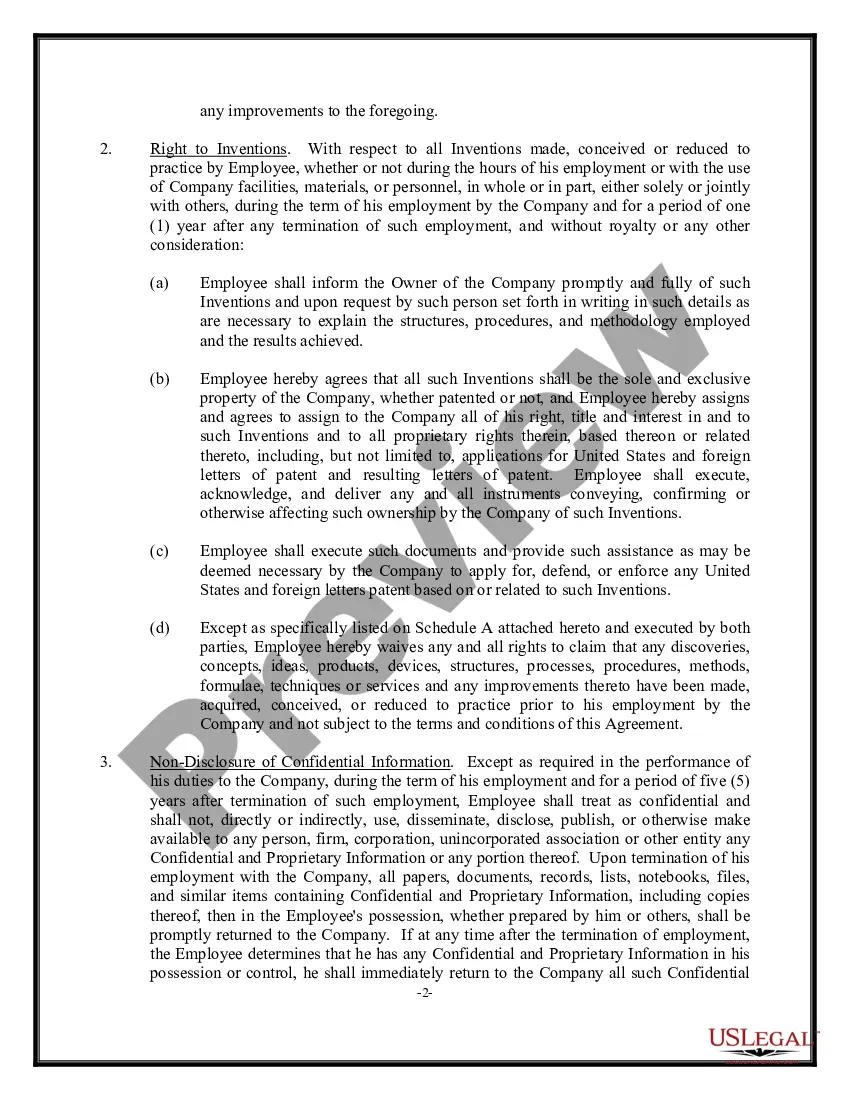
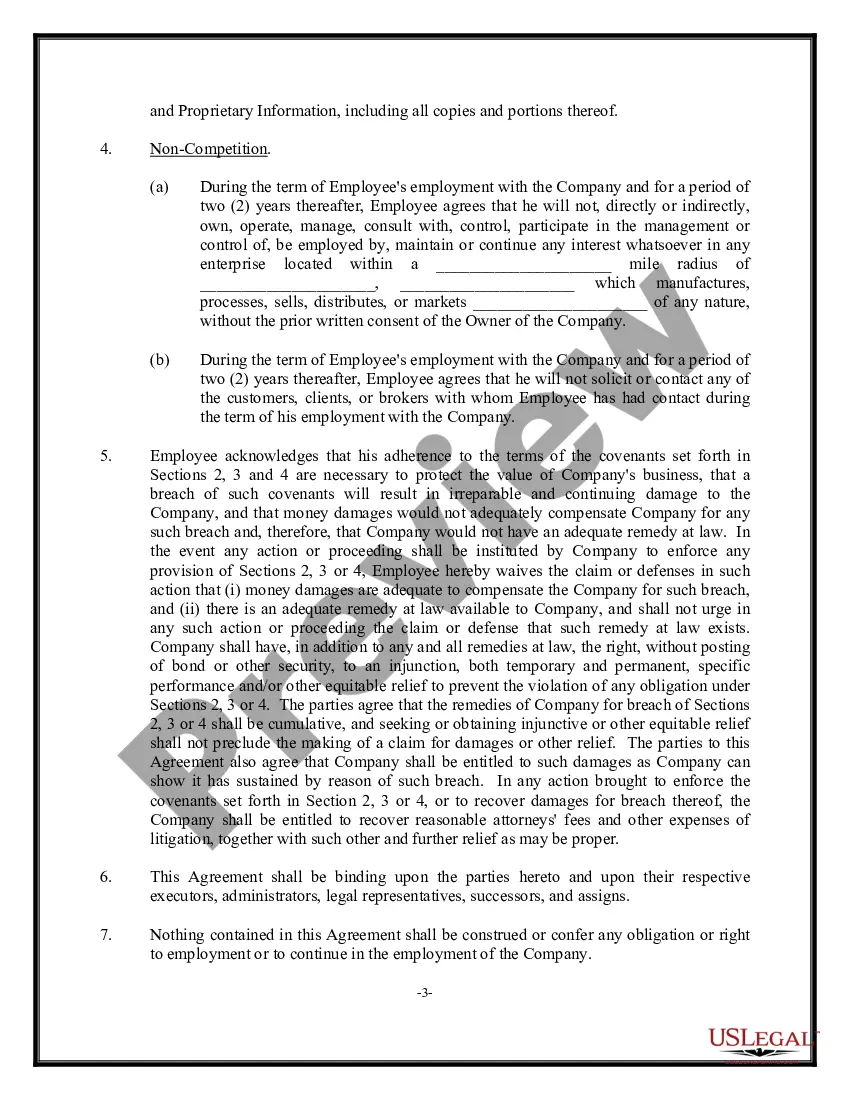
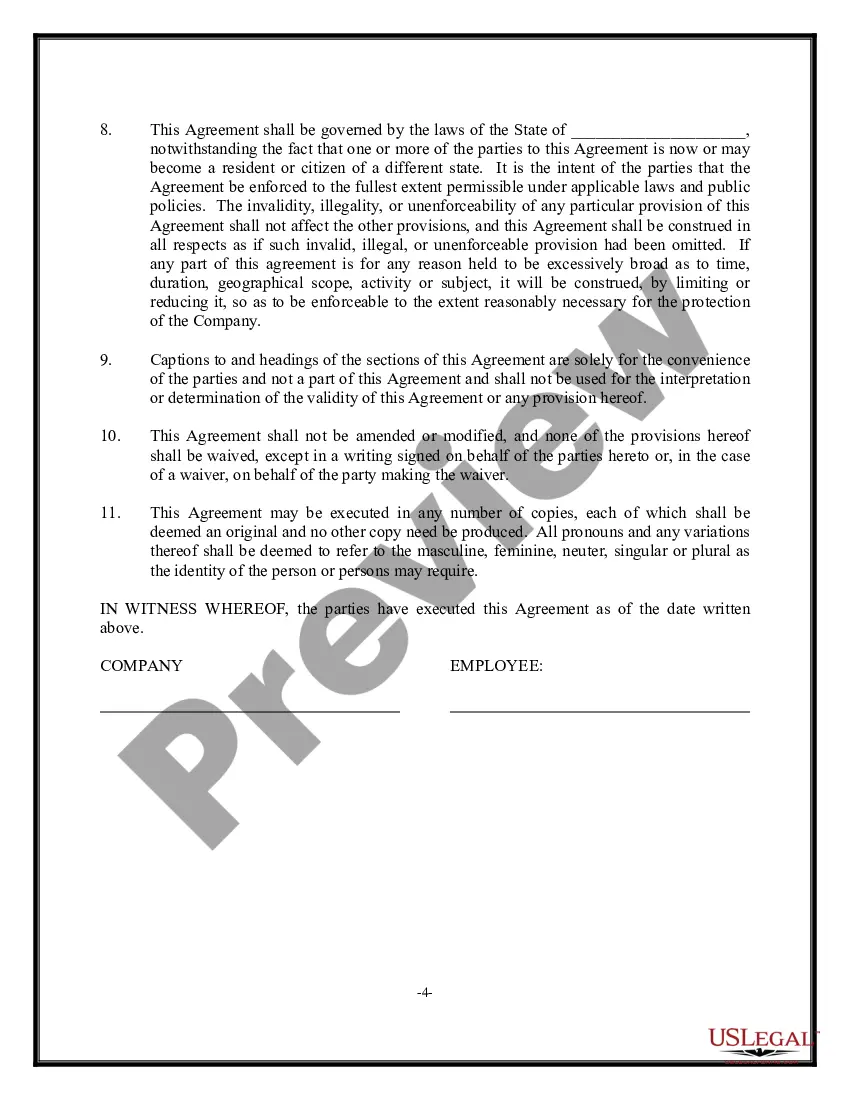
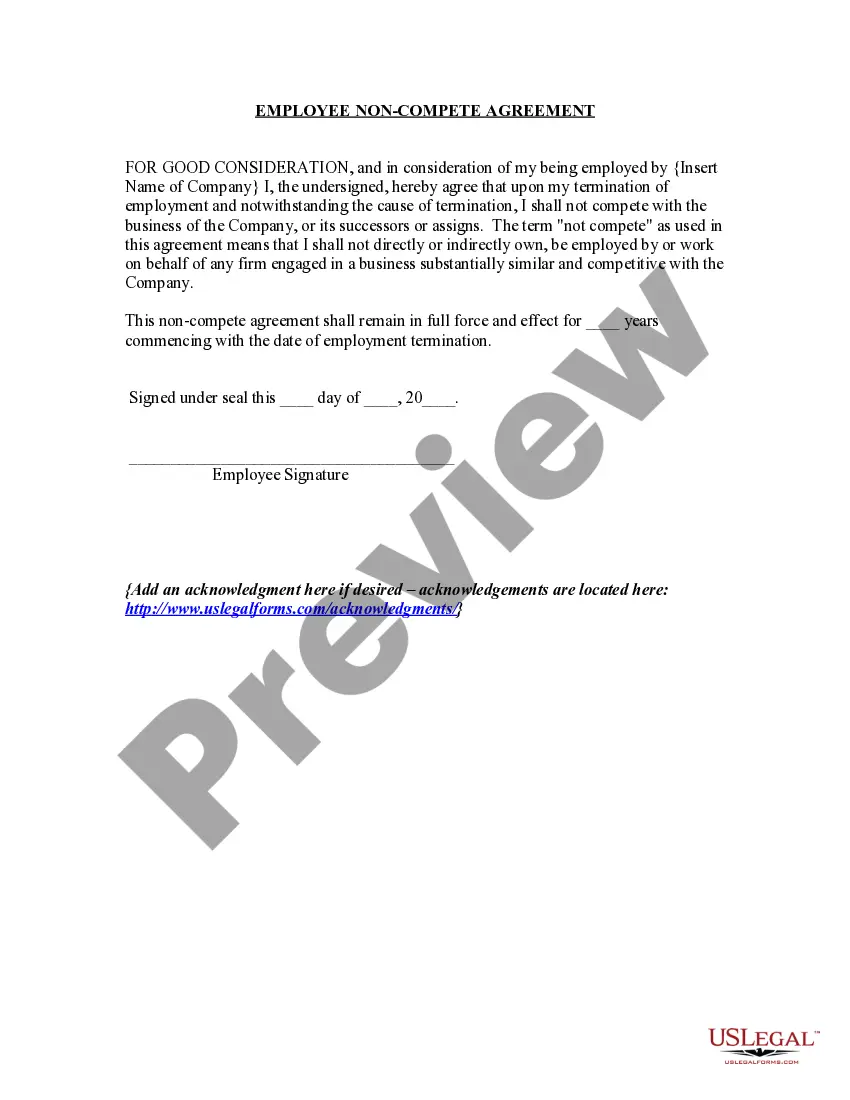
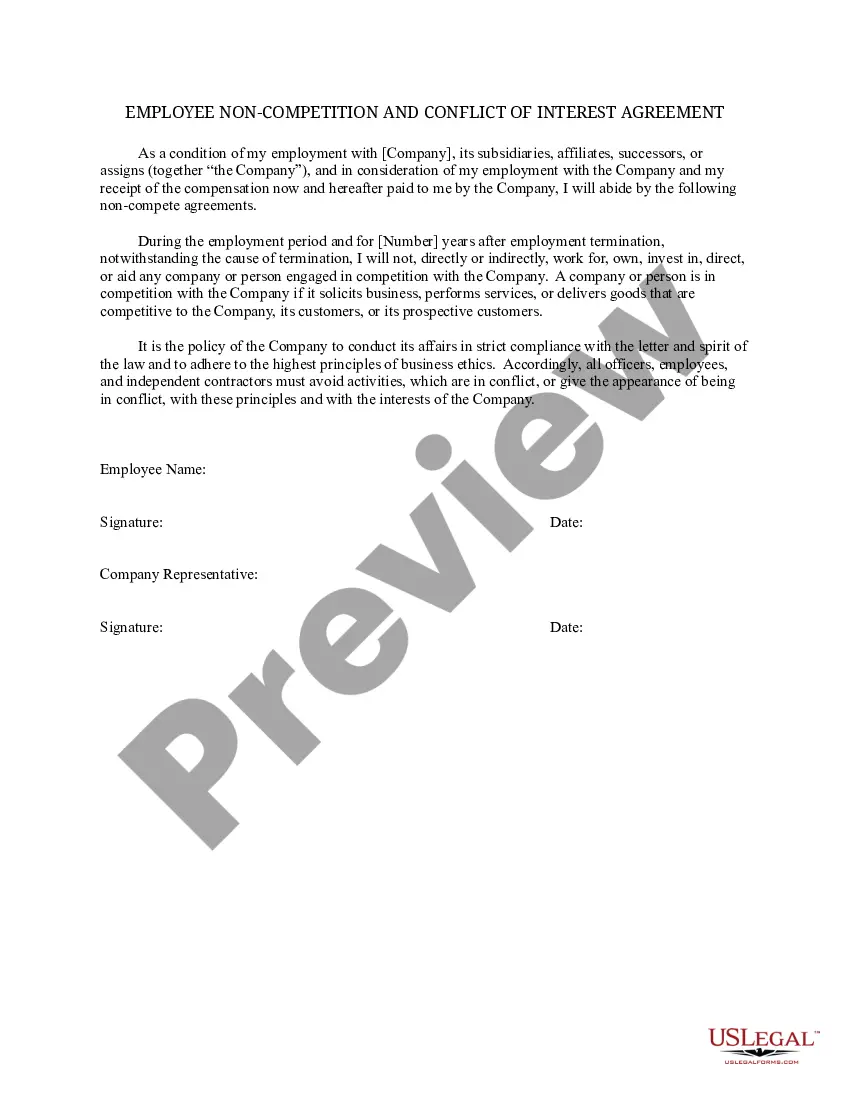
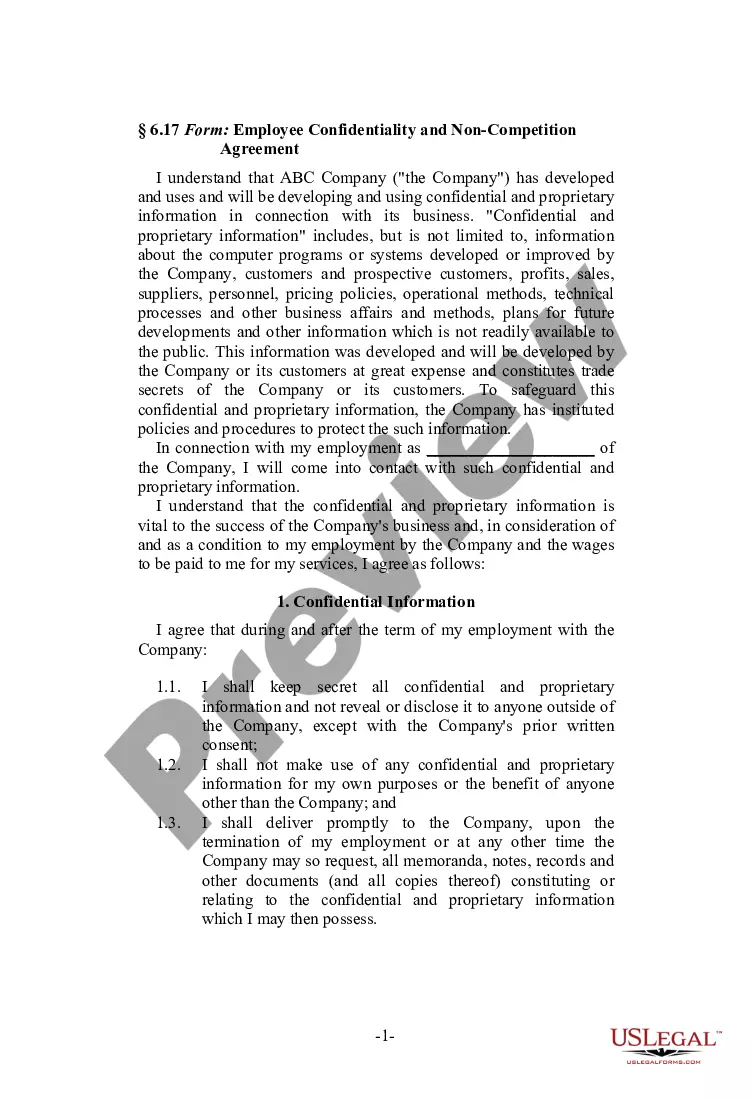
Get your form ready online
Our built-in tools help you complete, sign, share, and store your documents in one place.
Make edits, fill in missing information, and update formatting in US Legal Forms—just like you would in MS Word.
Download a copy, print it, send it by email, or mail it via USPS—whatever works best for your next step.
Sign and collect signatures with our SignNow integration. Send to multiple recipients, set reminders, and more. Go Premium to unlock E-Sign.
If this form requires notarization, complete it online through a secure video call—no need to meet a notary in person or wait for an appointment.
We protect your documents and personal data by following strict security and privacy standards.

Make edits, fill in missing information, and update formatting in US Legal Forms—just like you would in MS Word.

Download a copy, print it, send it by email, or mail it via USPS—whatever works best for your next step.

Sign and collect signatures with our SignNow integration. Send to multiple recipients, set reminders, and more. Go Premium to unlock E-Sign.

If this form requires notarization, complete it online through a secure video call—no need to meet a notary in person or wait for an appointment.

We protect your documents and personal data by following strict security and privacy standards.
Looking for another form?








Form popularity
FAQ
Now, the Supreme Court has resolved the question by holding that employee non-competition agreements are prohibited by Section 16600 unless they fall within a statutory exception.
Non-compete agreements are considered civil contracts and violating them leads to civil penalties. If you break a non-compete agreement, your former employer may sue you for breach of contract.
On April 23, 2024, the Federal Trade Commission issued its long-awaited Final Non-Compete Clause Rule, which operates to ban most post-employment non-compete agreements between employers and their workers.
Noncompetes signed on or after 7/1/2024 that prevent a healthcare provider from practicing their profession or occupation in any geographic area for any period of time are void and unenforceable.
Comments Section Non-compete clauses are not enforceable post termination of contract in India in case of employment contracts. This means that even if your contract had a non-compete clause, it can only be used to prevent you from working for a competitor while you are employed with your employer.
Breach of Employment Contract Proving there was a breach of your employment contract is another way that you can defeat a non-compete agreement. If your employer did not fulfill the employment contract terms, they likely can't force you to stick to a non-compete agreement. This is known as a material breach.
Compete Agreement typically lasts six months to two years, but varies depending on your state's laws. A judge is likely to find anything longer than that to be unreasonable, and an indefinite agreement is out of the question.
Breach of Employment Contract Proving there was a breach of your employment contract is another way that you can defeat a non-compete agreement. If your employer did not fulfill the employment contract terms, they likely can't force you to stick to a non-compete agreement. This is known as a material breach.
Non-Competitive Activity at New Employer: One of the most straightforward ways to overcome a noncompete is by ensuring that your new role with a different employer is in a non-competitive capacity. If you're not engaging in activities that directly compete with your former employer's business, you may be in the clear.
Showing that the agreement is not related to a legitimate business interest is the most effective way of getting out of a non-compete contract. The goal of any non-compete agreement is to protect trade secrets.
