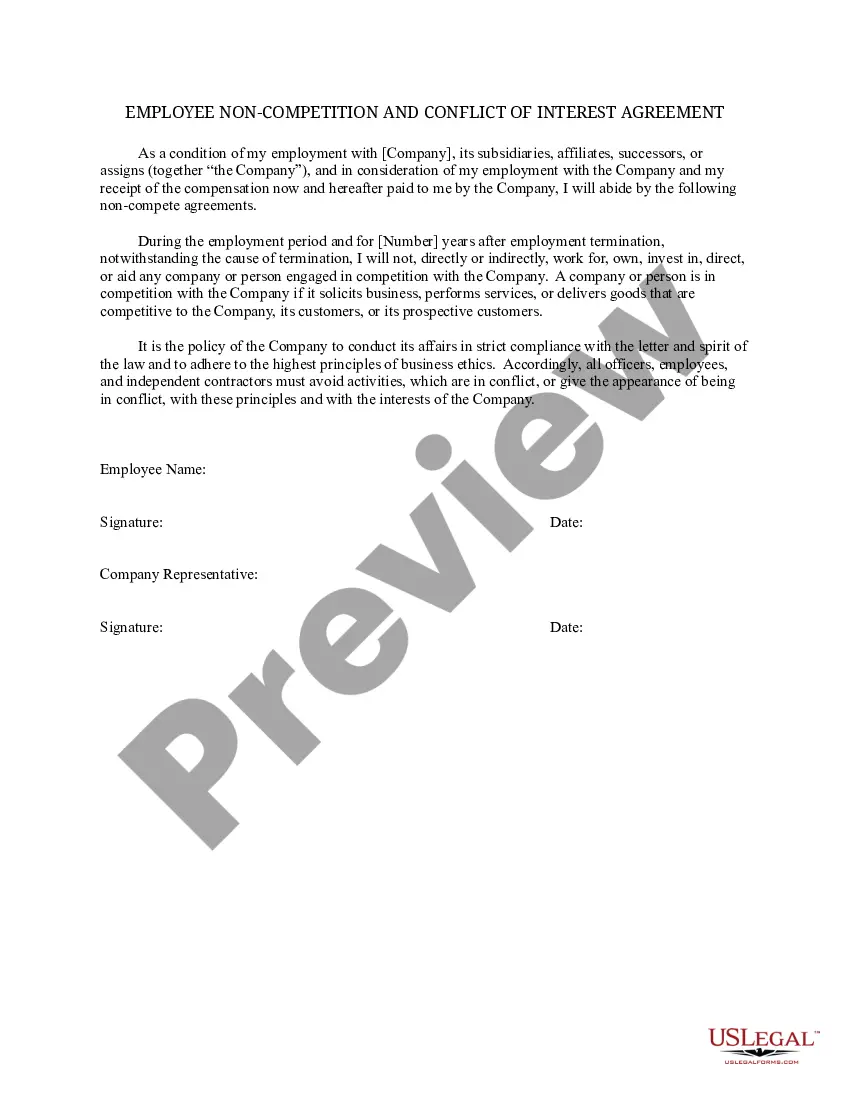
Competition Noncompetition For 50 In Mecklenburg
Description

Get your form ready online
Our built-in tools help you complete, sign, share, and store your documents in one place.
Make edits, fill in missing information, and update formatting in US Legal Forms—just like you would in MS Word.
Download a copy, print it, send it by email, or mail it via USPS—whatever works best for your next step.
Sign and collect signatures with our SignNow integration. Send to multiple recipients, set reminders, and more. Go Premium to unlock E-Sign.
If this form requires notarization, complete it online through a secure video call—no need to meet a notary in person or wait for an appointment.
We protect your documents and personal data by following strict security and privacy standards.

Make edits, fill in missing information, and update formatting in US Legal Forms—just like you would in MS Word.

Download a copy, print it, send it by email, or mail it via USPS—whatever works best for your next step.

Sign and collect signatures with our SignNow integration. Send to multiple recipients, set reminders, and more. Go Premium to unlock E-Sign.

If this form requires notarization, complete it online through a secure video call—no need to meet a notary in person or wait for an appointment.

We protect your documents and personal data by following strict security and privacy standards.
Looking for another form?







Form popularity
FAQ
The following are the most common ways to get out of a non-compete agreement: Determine that the terms of the contract do not in fact prevent you from a desired course of action. Recognize when a non-compete contradicts the law. Negotiate a release agreement with the involved parties. Ignore the agreement.
In North Carolina, non-compete agreements are enforceable, but only under strict conditions. A valid non-compete must meet certain criteria, including being in writing, having a reasonable time and territory restriction, and being part of your employment contract.
These three elements—reasonable scope and duration, protection of legitimate business interests, and adequate consideration—are critical to ensuring that non-compete agreements are not only enforceable but also fair and equitable to all parties involved.
Employers do enforce non-competes, but the extent varies. Some employers rigorously enforce these agreements to protect their business interests, while others may choose not to pursue legal action.
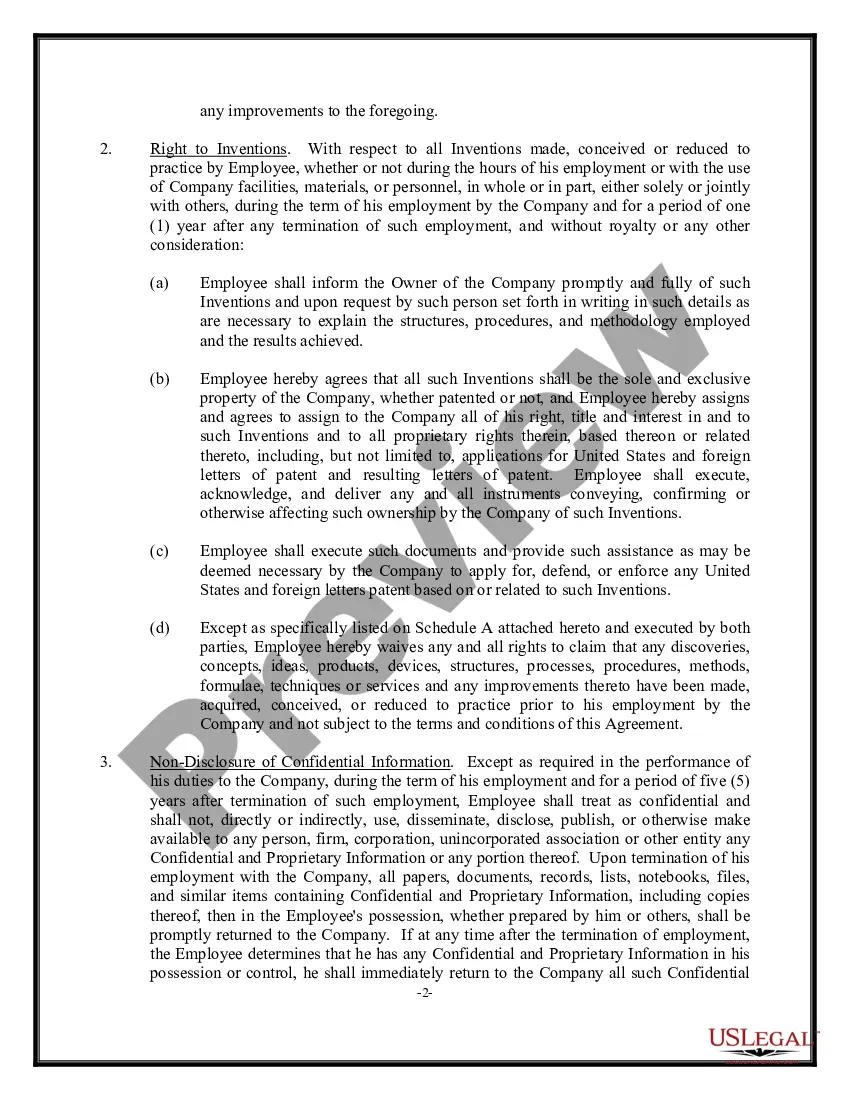
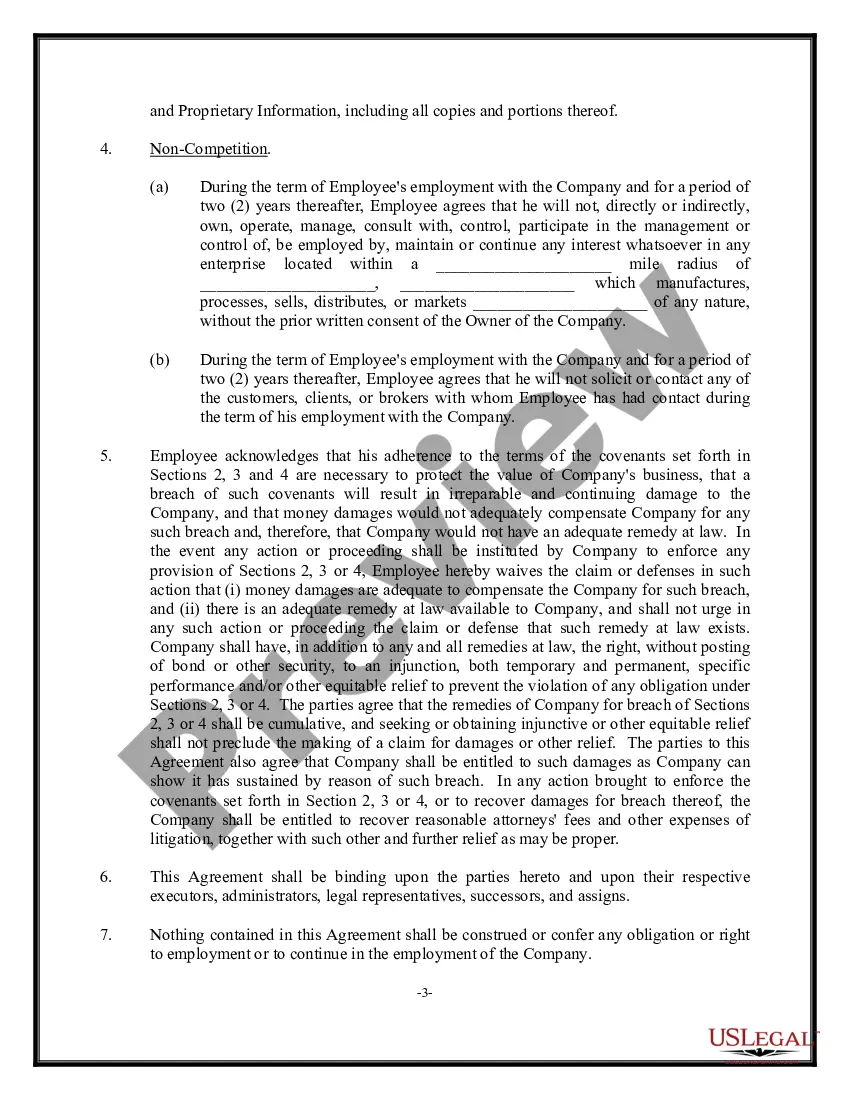
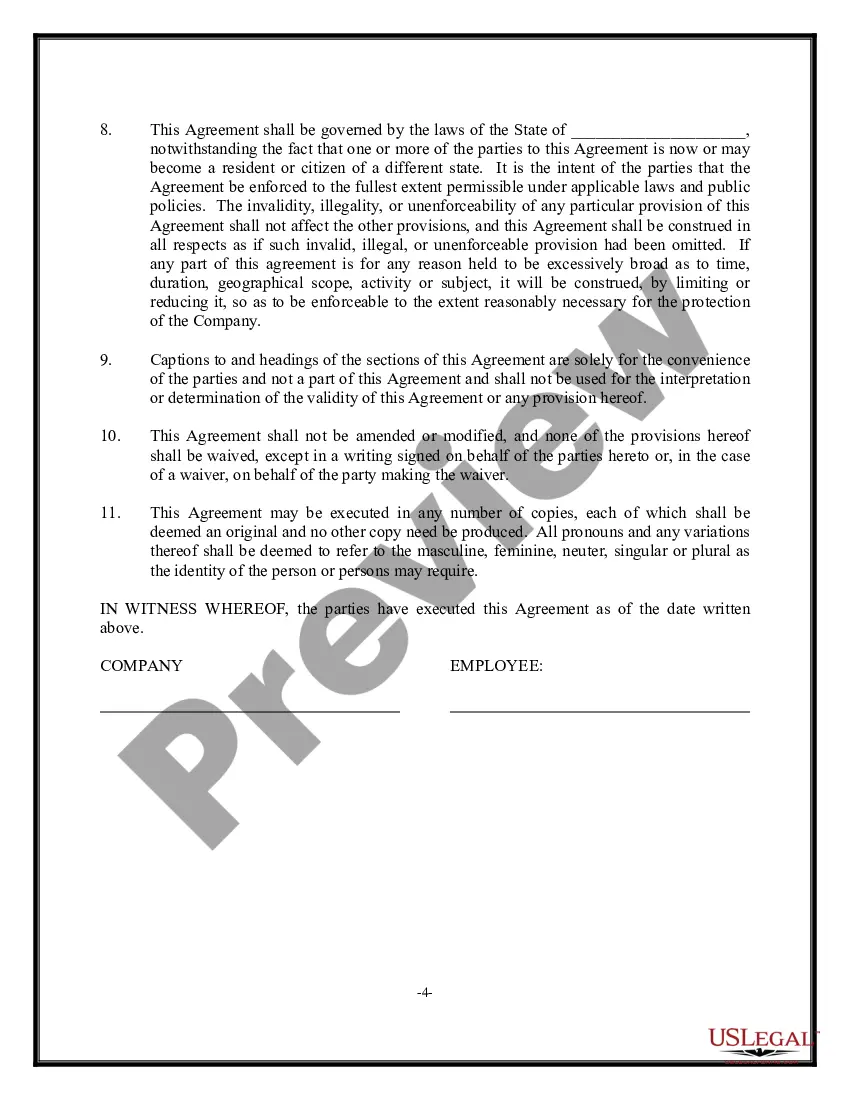
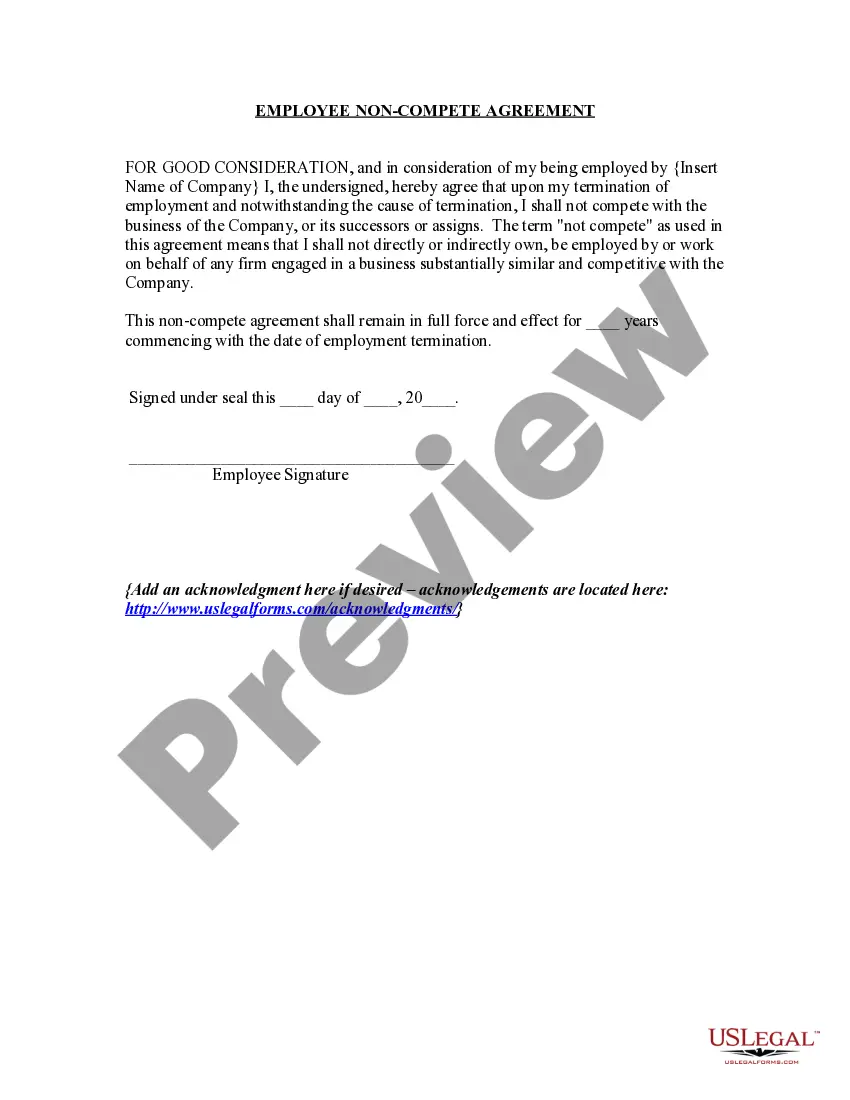
Considerations for creating a non-compete agreement Check state laws. Each state has different laws and regulations regarding non-compete agreements, and in some states, non-compete agreements may be prohibited entirely. Define the duration. Consider using specific and relevant parameters. Provide a section for signatures.
A noncompete agreement has the ability to threaten your future job prospects, prohibit you from using your hard earned skills and compromise your livelihood. Fortunately, it is unlawful for an employer to enforce non-compete agreements in California.
Non-compete agreements are considered civil contracts and violating them leads to civil penalties. If you break a non-compete agreement, your former employer may sue you for breach of contract.
In North Carolina, non-compete agreements are enforceable, but only under strict conditions. A valid non-compete must meet certain criteria, including being in writing, having a reasonable time and territory restriction, and being part of your employment contract.
If the restriction on the employee is for an unusually long period of time, there's going to be a problem. One to two years is typically reasonable, while three to five years is unlikely to be upheld by a court.
