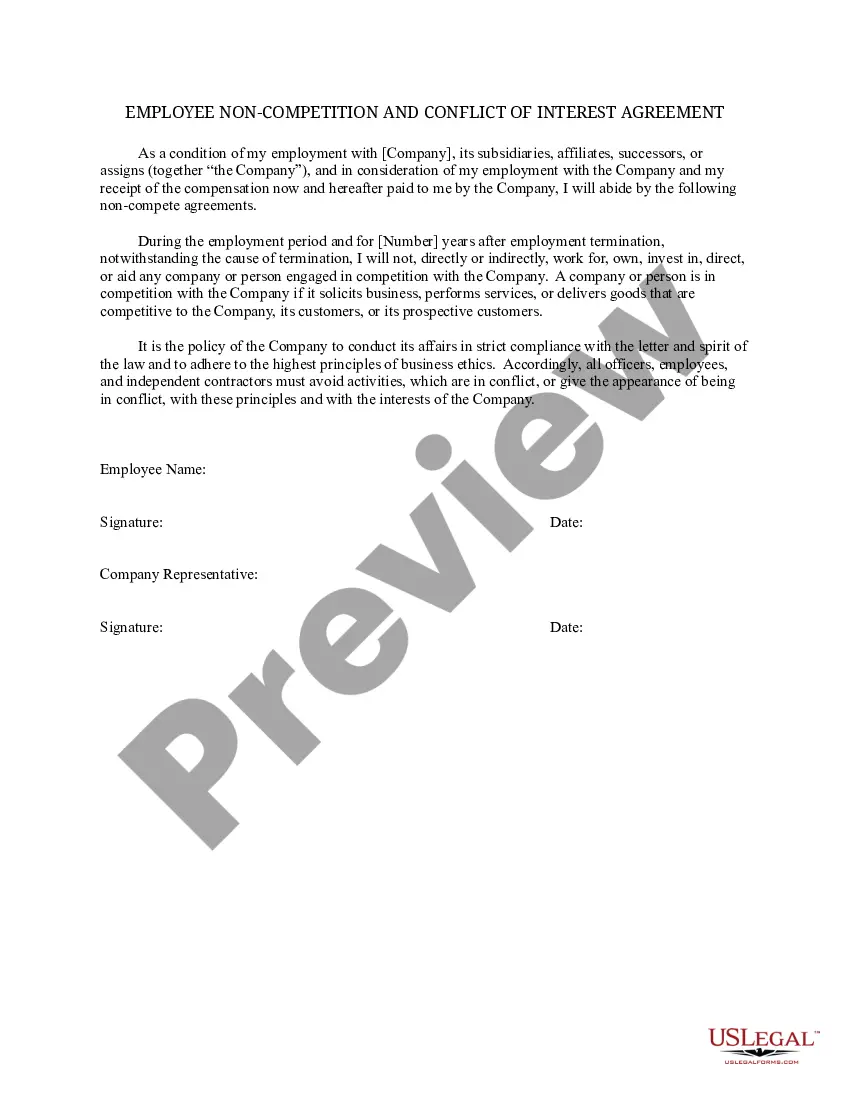
Competition Noncompetition For Employees In Massachusetts
Description

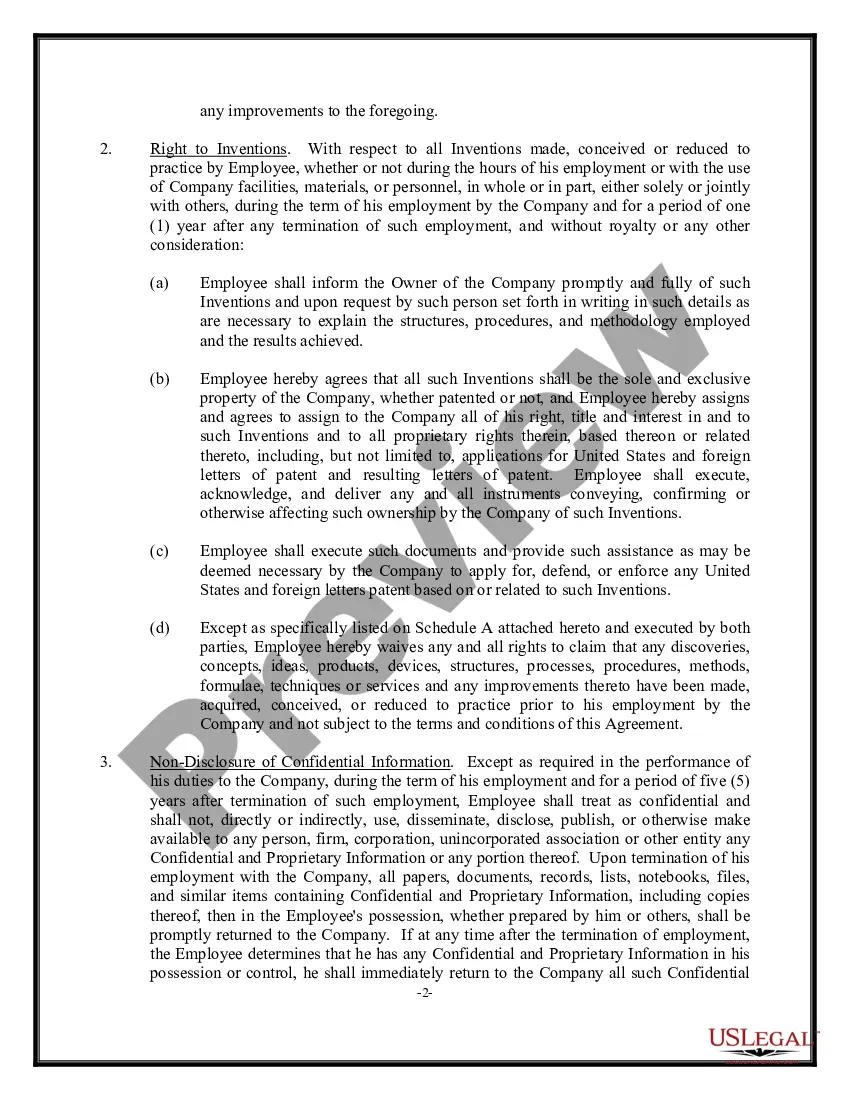
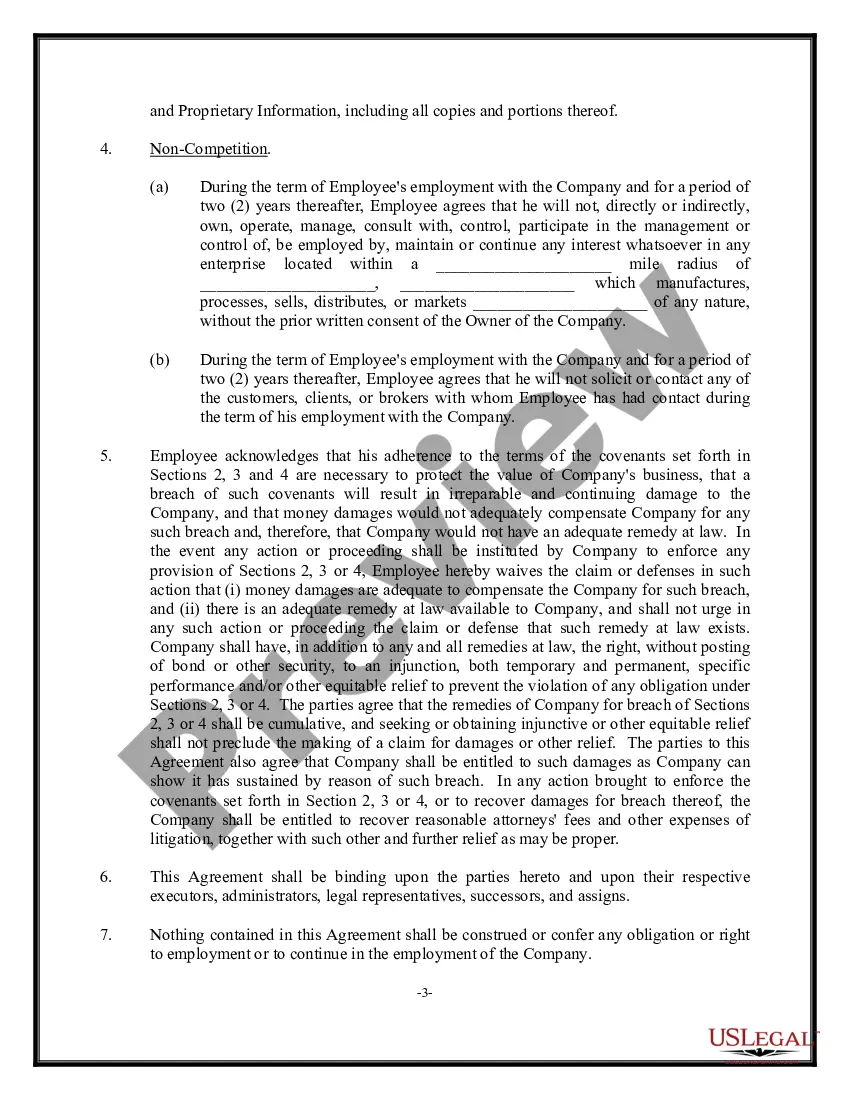
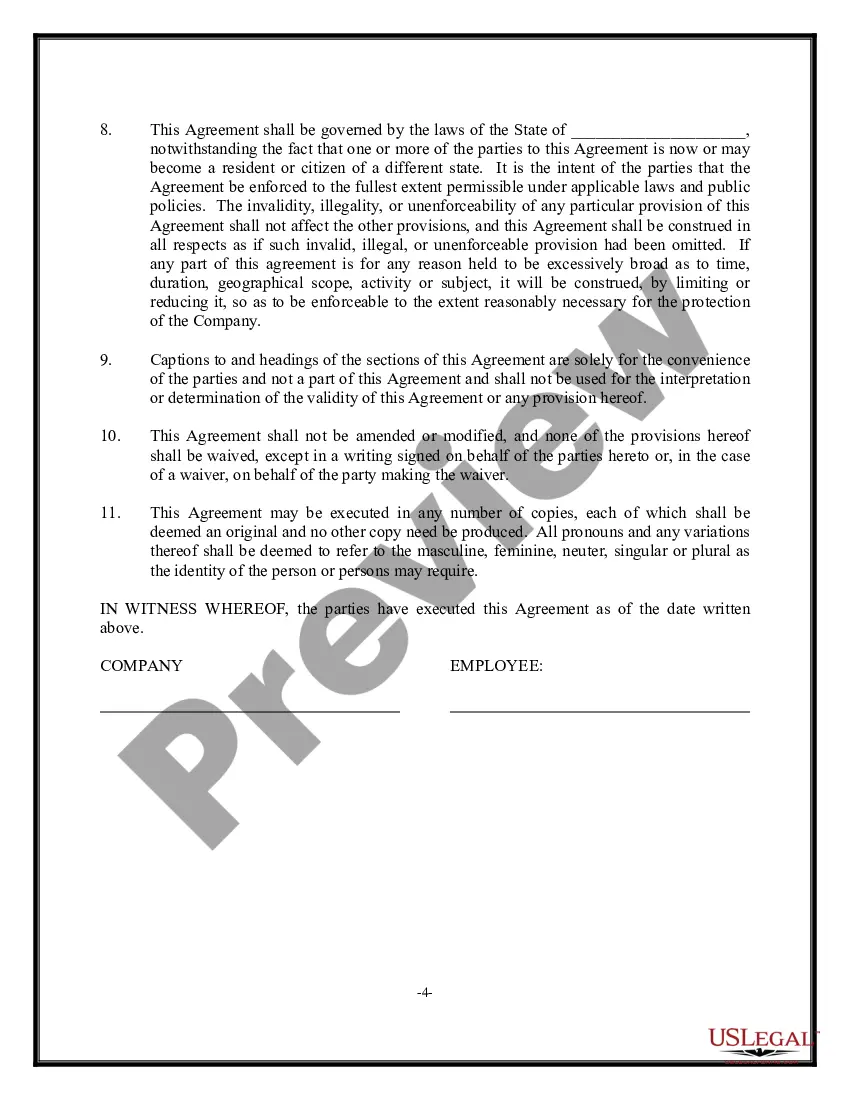
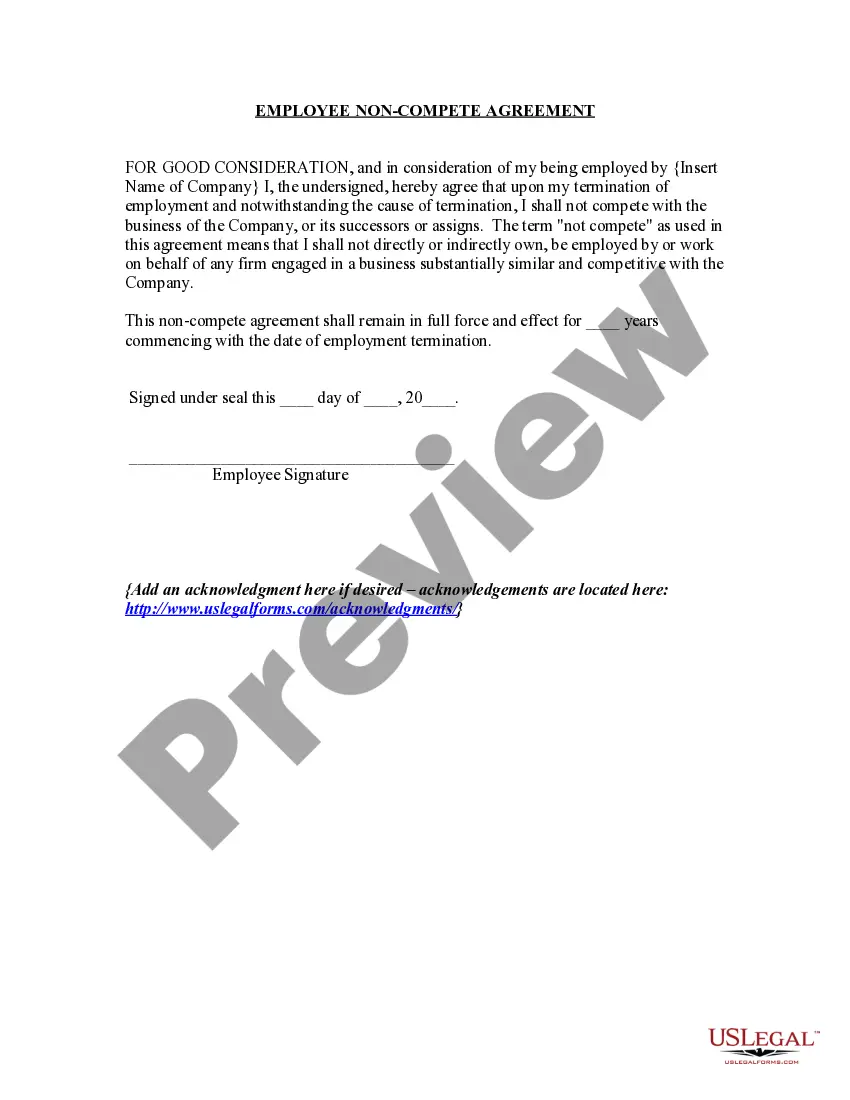
Get your form ready online
Our built-in tools help you complete, sign, share, and store your documents in one place.
Make edits, fill in missing information, and update formatting in US Legal Forms—just like you would in MS Word.
Download a copy, print it, send it by email, or mail it via USPS—whatever works best for your next step.
Sign and collect signatures with our SignNow integration. Send to multiple recipients, set reminders, and more. Go Premium to unlock E-Sign.
If this form requires notarization, complete it online through a secure video call—no need to meet a notary in person or wait for an appointment.
We protect your documents and personal data by following strict security and privacy standards.

Make edits, fill in missing information, and update formatting in US Legal Forms—just like you would in MS Word.

Download a copy, print it, send it by email, or mail it via USPS—whatever works best for your next step.

Sign and collect signatures with our SignNow integration. Send to multiple recipients, set reminders, and more. Go Premium to unlock E-Sign.

If this form requires notarization, complete it online through a secure video call—no need to meet a notary in person or wait for an appointment.

We protect your documents and personal data by following strict security and privacy standards.
Looking for another form?








Form popularity
FAQ
If the restriction on the employee is for an unusually long period of time, there's going to be a problem. One to two years is typically reasonable, while three to five years is unlikely to be upheld by a court.
A noncompete is unenforceable if it restricts an employee's ability to exercise their rights under federal law. No employer may enter into a covenant not to compete or a covenant not to solicit with any employee. Existing noncompetes are void and unenforceable, including out-of-state noncompetes.
Non-compete agreements are generally binding as long as their scope is reasonable. But employment laws vary by state, and non-compete laws are no exception. So, the agreement your new employer had you sign may not be enforceable if they fire you. An employment lawyer can give you legal advice about your situation.
In Massachusetts, a non-compete is only enforceable to protect a legitimate business interest. Certain recognized interests include: the protection of trade secrets, confidential information such as client lists, computer data, and business plans, and.
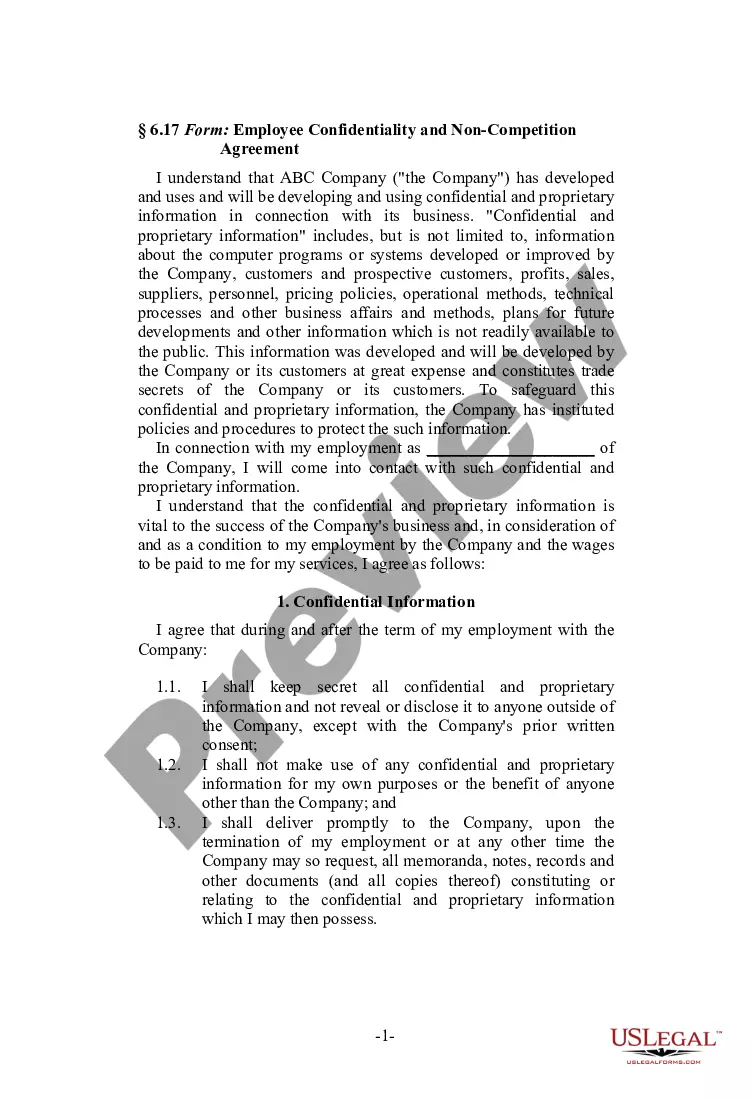
compete agreement is a contractual promise that prohibits one of the contracting parties, typically an employee, from engaging in conduct that would compete with the other contracting party, typically an employer. These agreements are generally banned in Massachusetts unless they meet certain strict requirements.
Several factors can void or limit the enforceability of a non-compete agreement, including overly broad restrictions, unreasonable time frames or geographical limits, lack of consideration (such as compensation or job opportunities provided in exchange for the agreement), and violation of public policy.
Under the new law, the geographic restrictions regarding where a former employee may not compete are limited to the area where, during the past two years of the employee's employment, he or she provided services or had a “material presence or influence.” The statute does not define the phrase “material presence or ...
Yes. It affects everyone in the US, it's a federal ruling. You simply will not have any more non compete clauses in any employment agreements, outside the handful of given exceptions. That does not mean your employer has to tolerate your working for a competitor, however. You will just be subject to termination.
Typically, a noncompete agreement prohibits you from working for a competitor until a set period has passed, but it may additionally ban you from completing the following actions: Starting your own company in the same industry. Contacting former customers. Utilizing skills you learned on the job.
