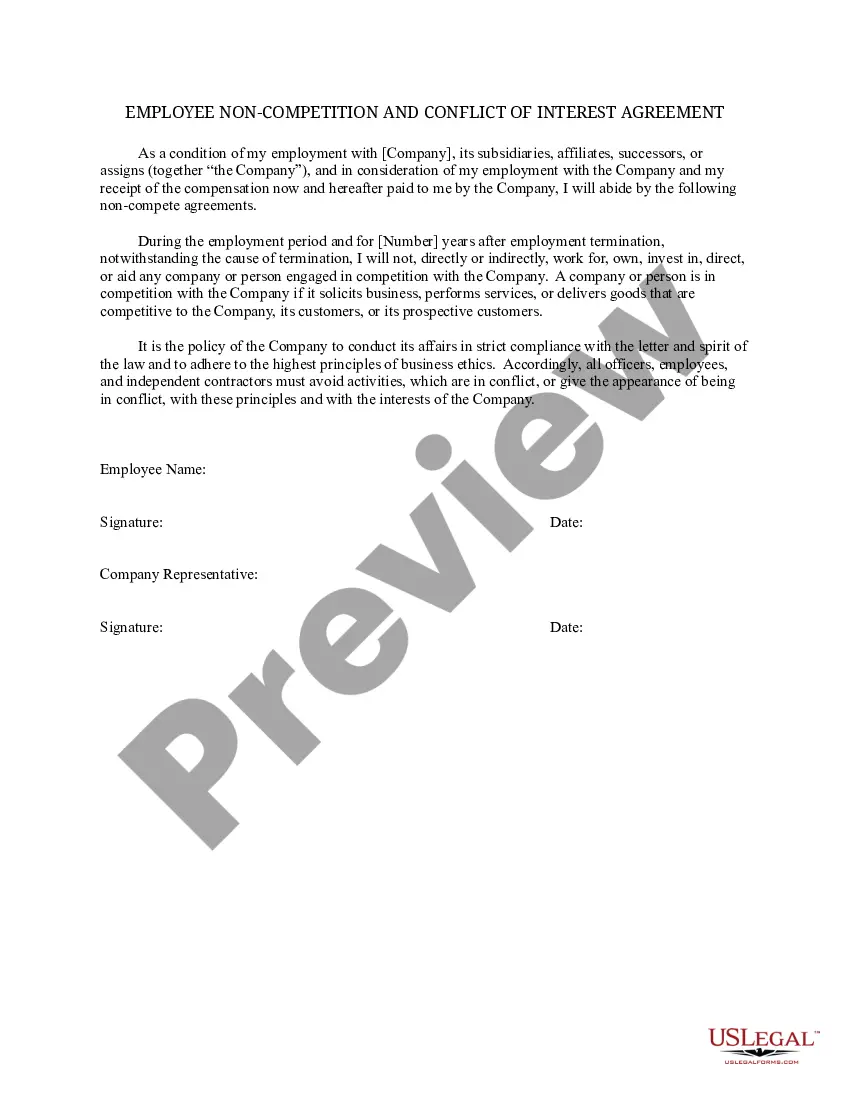
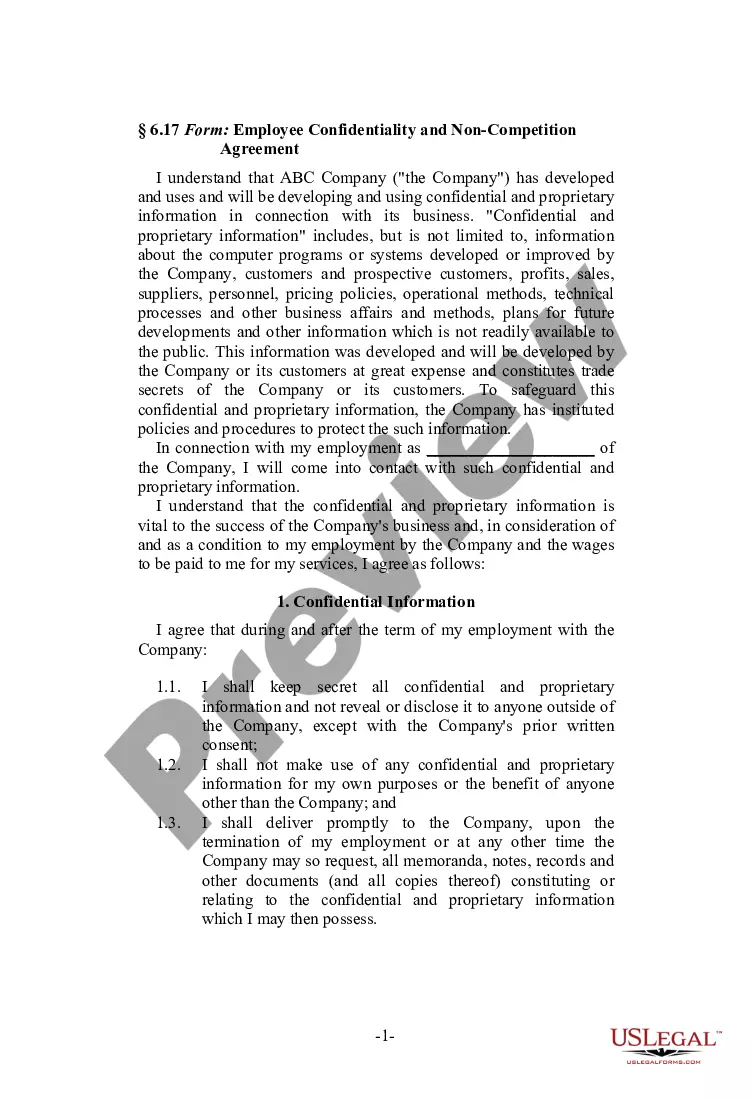
Competition Noncompetition For Us Treasuries In Maryland
Description

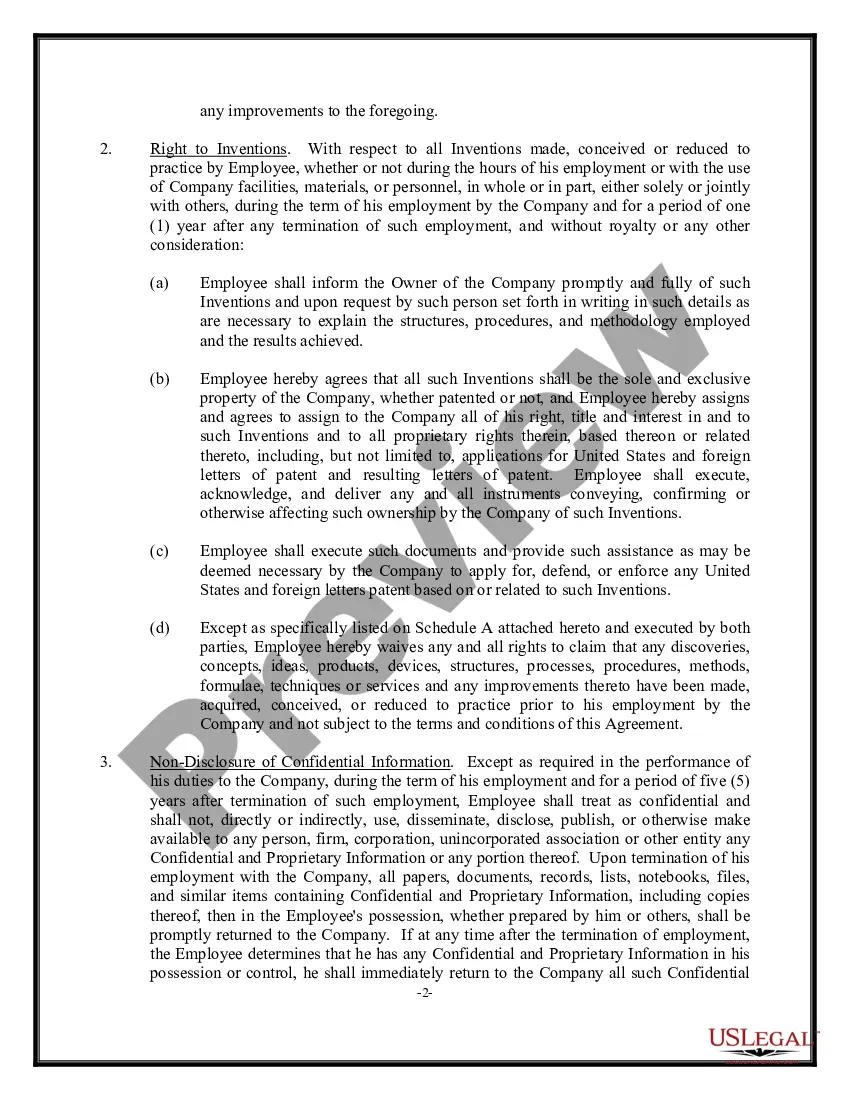
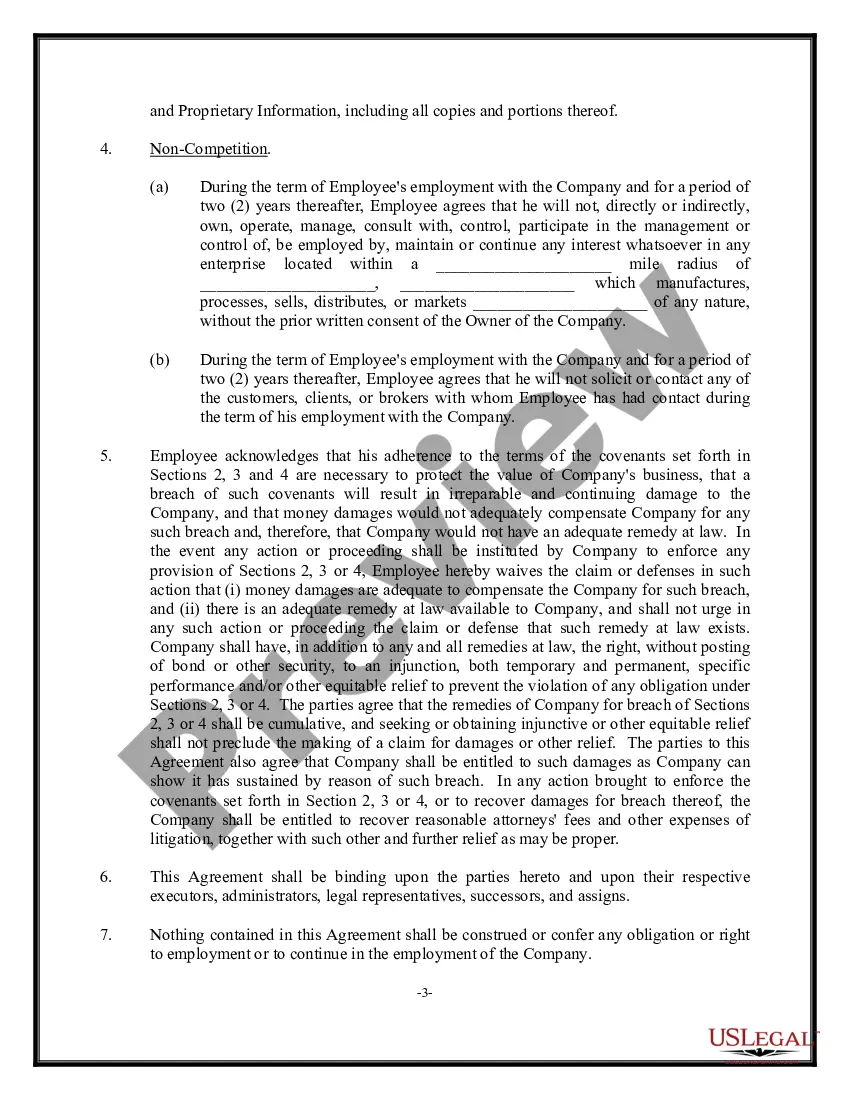
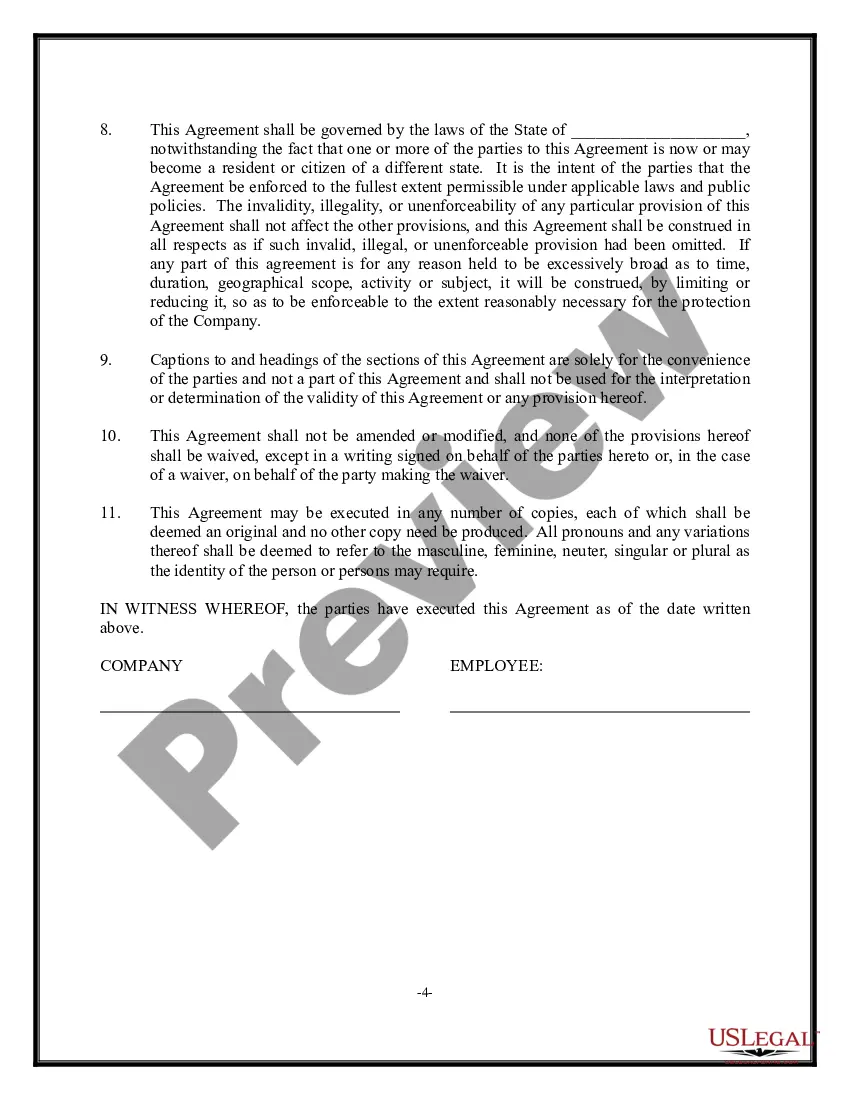
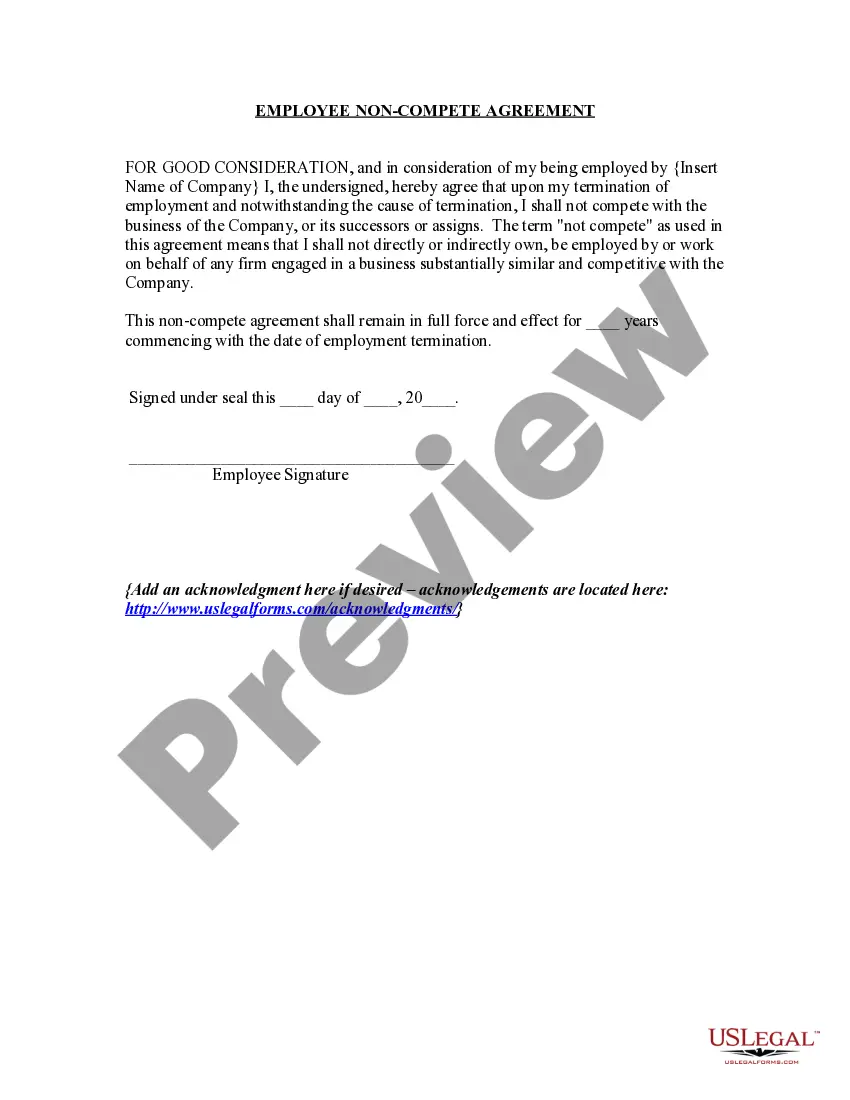
Get your form ready online
Our built-in tools help you complete, sign, share, and store your documents in one place.
Make edits, fill in missing information, and update formatting in US Legal Forms—just like you would in MS Word.
Download a copy, print it, send it by email, or mail it via USPS—whatever works best for your next step.
Sign and collect signatures with our SignNow integration. Send to multiple recipients, set reminders, and more. Go Premium to unlock E-Sign.
If this form requires notarization, complete it online through a secure video call—no need to meet a notary in person or wait for an appointment.
We protect your documents and personal data by following strict security and privacy standards.

Make edits, fill in missing information, and update formatting in US Legal Forms—just like you would in MS Word.

Download a copy, print it, send it by email, or mail it via USPS—whatever works best for your next step.

Sign and collect signatures with our SignNow integration. Send to multiple recipients, set reminders, and more. Go Premium to unlock E-Sign.

If this form requires notarization, complete it online through a secure video call—no need to meet a notary in person or wait for an appointment.

We protect your documents and personal data by following strict security and privacy standards.
Looking for another form?






Form popularity
FAQ
Enforceability of Non-Competition Agreements in Maryland If the agreement is too broad or vague, it is unlikely that a court will enforce the agreement. When a non-competition agreement is challenged, Courts in Maryland will generally enforce the agreement only: Against an employee providing unique services.
Non-competes, conflict of interest provisions and other agreements that restrict the ability of a protected employee to enter into employment with a new employer or to become self-employed in the same or similar business or trade are deemed null and void under the law.
Employees can challenge the validity of a non-compete agreement in court. You have the ability to go to court and to make a case that your employer's non-compete agreement is not enforceable.
Under the Noncompete Rule, the FTC adopted a comprehensive ban on new noncompetes with all workers, including senior executives. The final Noncompete Rule provides that it is an unfair method of competition—and therefore a violation of Section 5—for employers to enter into noncompetes with workers.
Non-Competitive Activity at New Employer: One of the most straightforward ways to overcome a noncompete is by ensuring that your new role with a different employer is in a non-competitive capacity. If you're not engaging in activities that directly compete with your former employer's business, you may be in the clear.
Some states limit the enforceability of non-compete agreements. Non-compete agreements are entirely non-enforceable in four states — California, Minnesota (for agreements signed after July 1, 2023), North Dakota, and Oklahoma.
Franchise no-poach agreements may violate the antitrust laws. The 2025 Guidelines state that agreements between either franchisor and franchisees or franchisees of the same franchisor not to poach, hire, or solicit each other's employees may violate the antitrust laws.
