Competition Non Competition For Sale In Kings
Description



Form popularity
FAQ
The FTC Rule was slated to have an effective date of September 4, 2024. However, on August 20, 2024, the United States District Court for the Northern District of Texas granted summary judgment to the plaintiff in Ryan LLC v. FTC, enjoining the FTC from implementing and enforcing its Rule.
Non-Competitive Activity at New Employer: One of the most straightforward ways to overcome a noncompete is by ensuring that your new role with a different employer is in a non-competitive capacity. If you're not engaging in activities that directly compete with your former employer's business, you may be in the clear.
Employers who enter into or attempt to enforce noncompetes are liable for damages and a penalty of up to $5,000 per employee. A partner must own more than 10 percent of a business to qualify for the sale of a business exemption to California's noncompete ban.
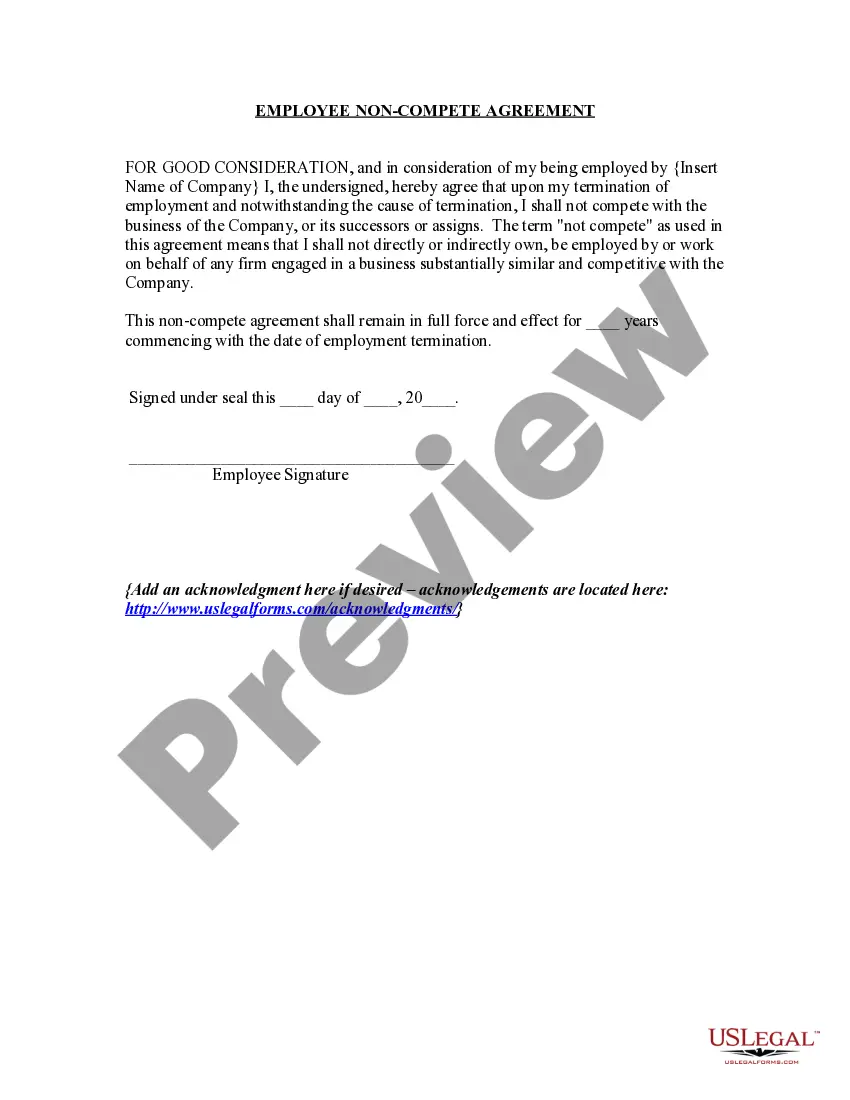
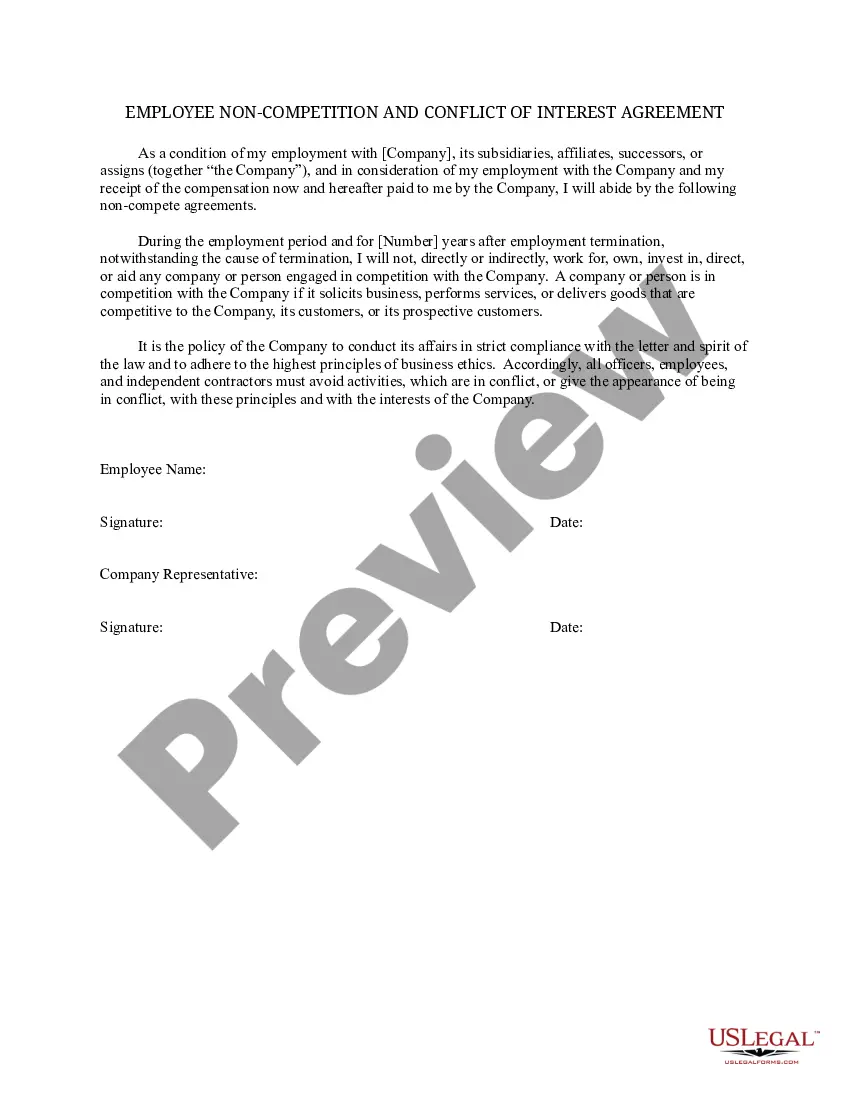
Scheduled to take effect on September 4, 2024, the Non-Compete Rule banned non-compete agreements, including any agreements that “function or prevent” a worker from seeking or accepting work or operating a business; made it unlawful to enter into, enforce, or attempt to enter into or enforce, a non-compete agreement ...
Under the Noncompete Rule, the FTC adopted a comprehensive ban on new noncompetes with all workers, including senior executives. The final Noncompete Rule provides that it is an unfair method of competition—and therefore a violation of Section 5—for employers to enter into noncompetes with workers.
Scheduled to take effect on September 4, 2024, the Non-Compete Rule banned non-compete agreements, including any agreements that “function or prevent” a worker from seeking or accepting work or operating a business; made it unlawful to enter into, enforce, or attempt to enter into or enforce, a non-compete agreement ...
April 24, 2024 Update Under the new rule, and subject to a few narrow exceptions, companies are banned from entering into new noncompete agreements and enforcing noncompete agreements currently in effect with all workers.
The following are the most common ways to get out of a non-compete agreement: Determine that the terms of the contract do not in fact prevent you from a desired course of action. Recognize when a non-compete contradicts the law. Negotiate a release agreement with the involved parties. Ignore the agreement.
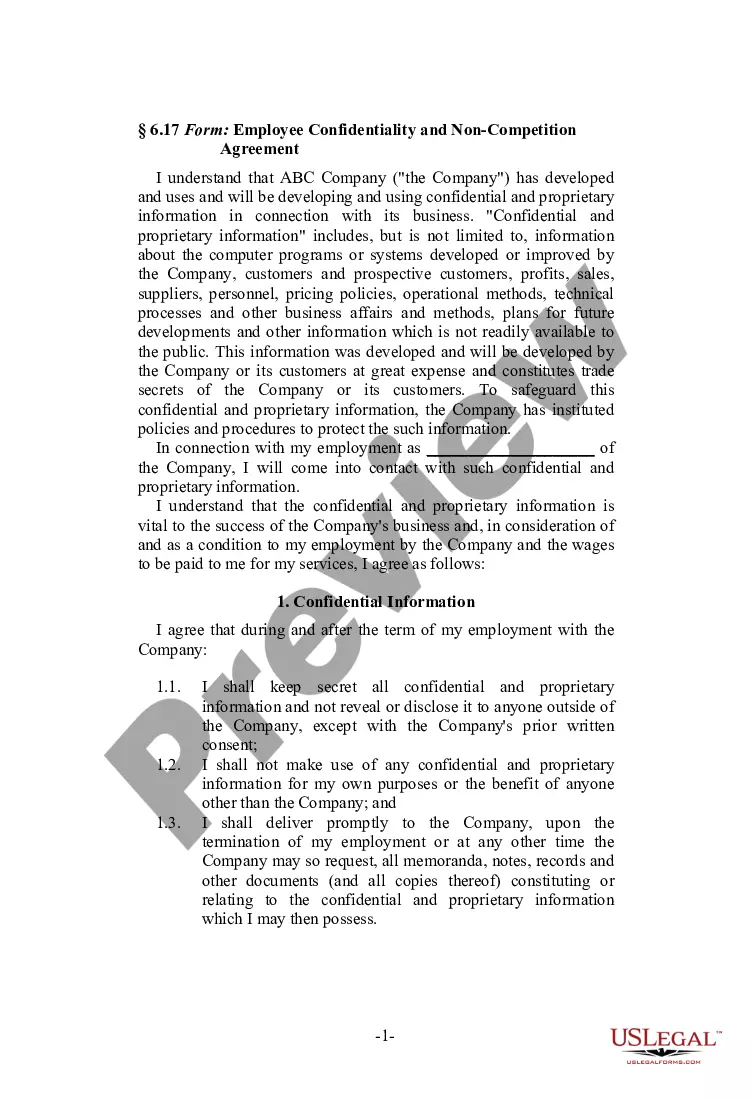
Non-compete agreements are generally taxed as ordinary income to the seller, which from the seller's perspective is less than desirable. But, for a buyer, it is expensed as incurred, which is desirable for the buyer but not the seller.
The answer is, it depends. The determining factors are how and what the new company acquired in the transaction and also whether the employee had to reapply for the new company or experienced any major changes in the terms and conditions of employment.
