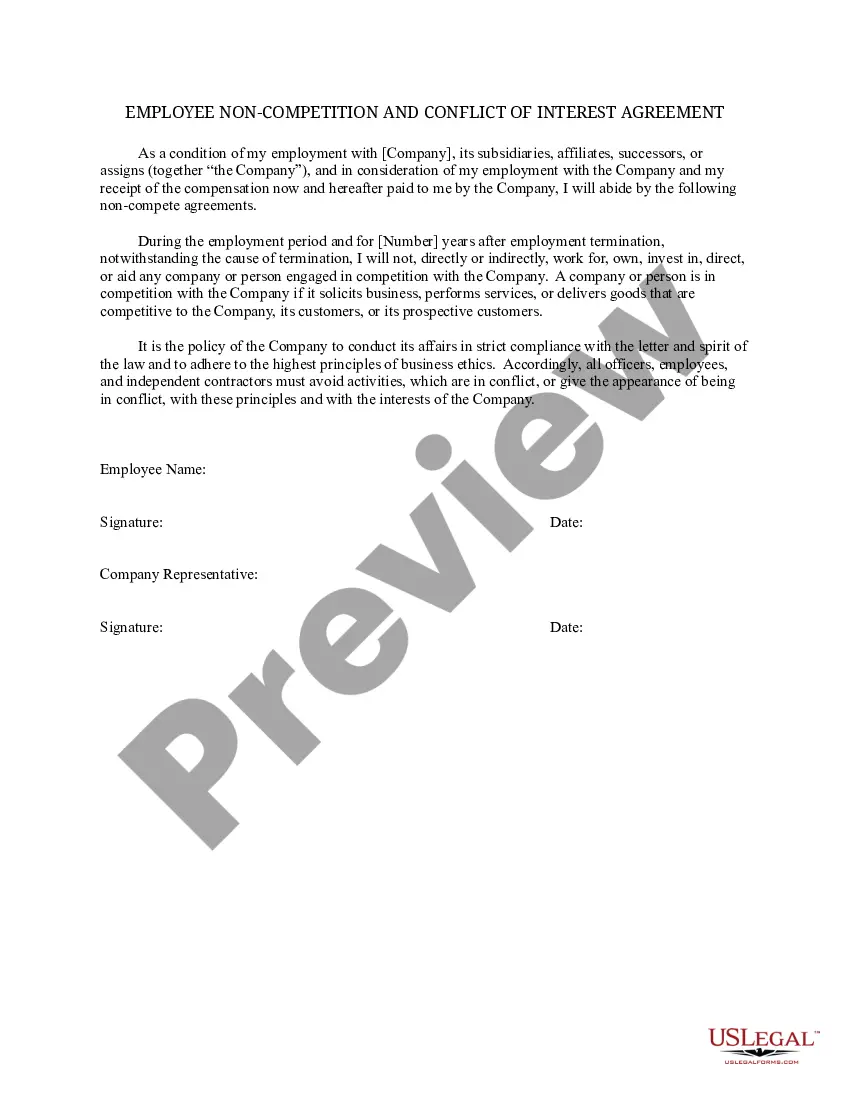
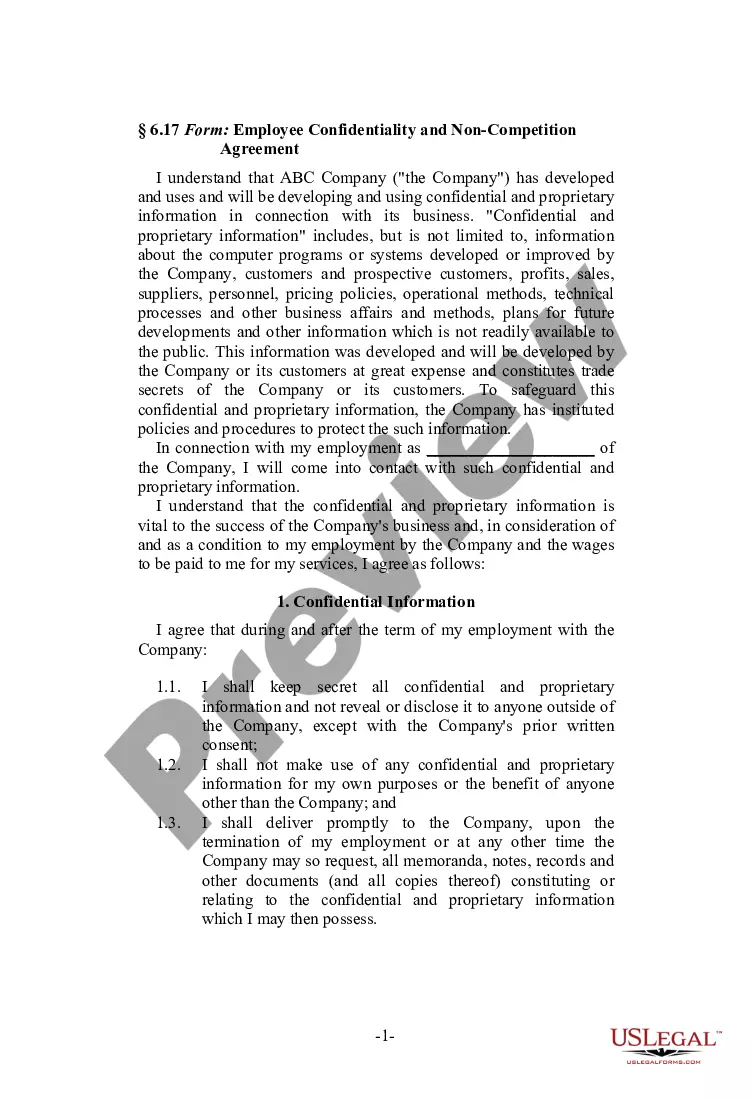
Competition Non Competition For Resources In King
Description

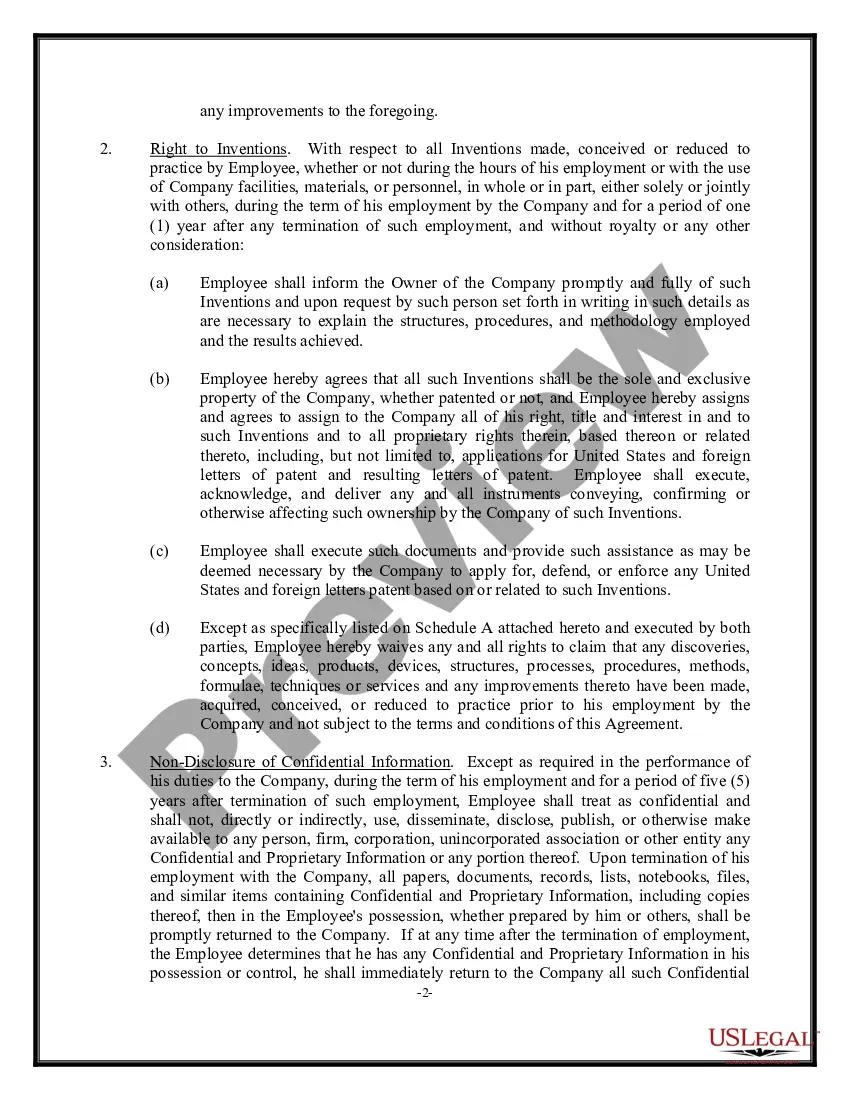
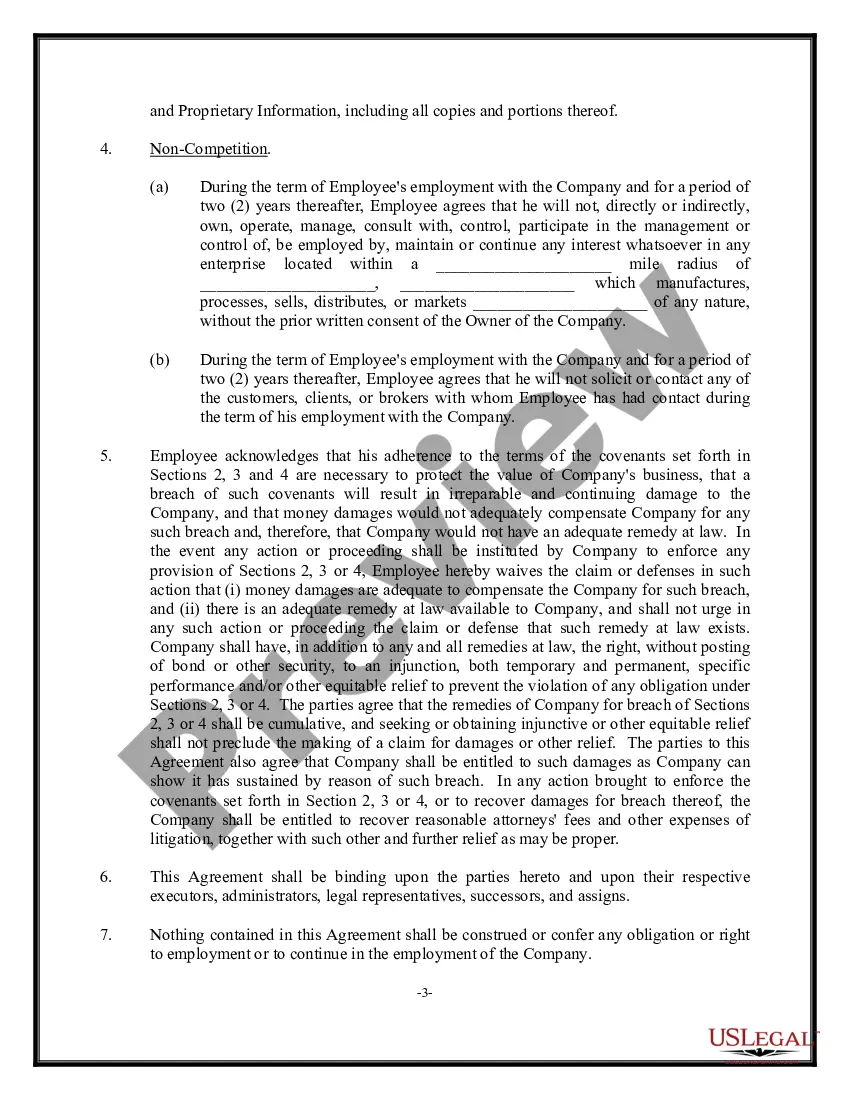
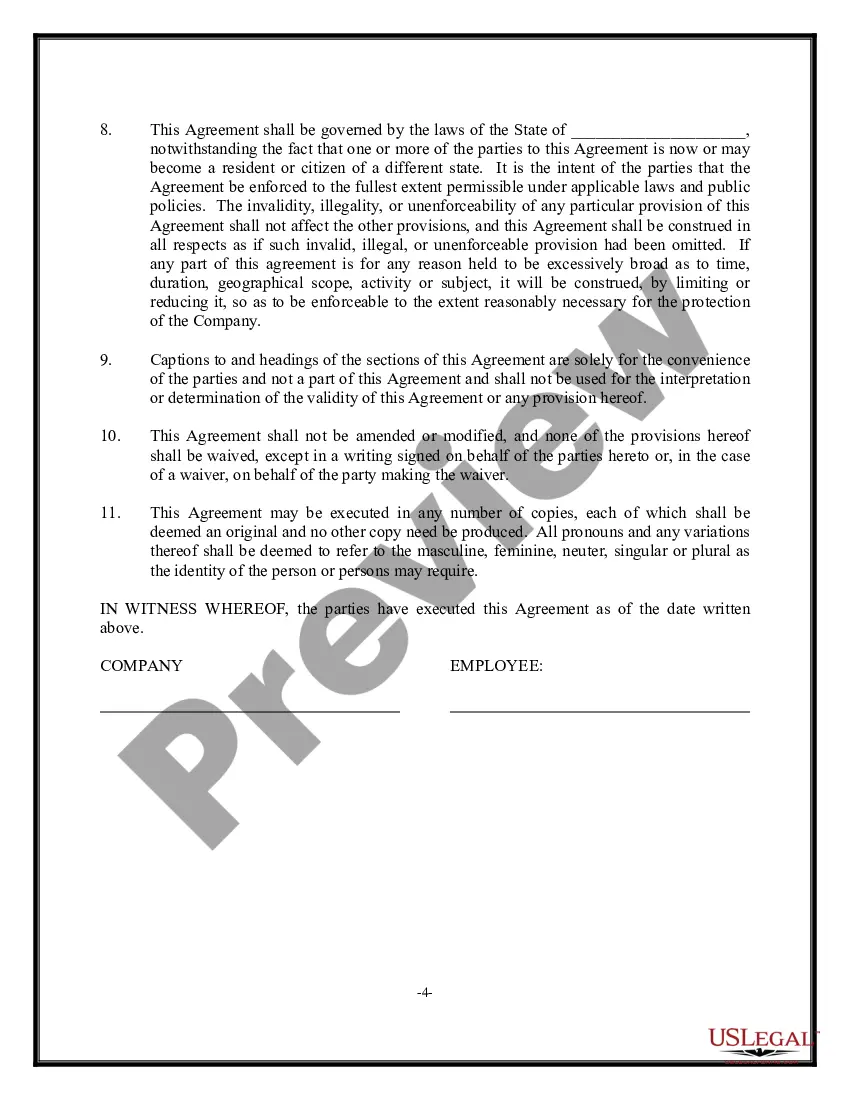
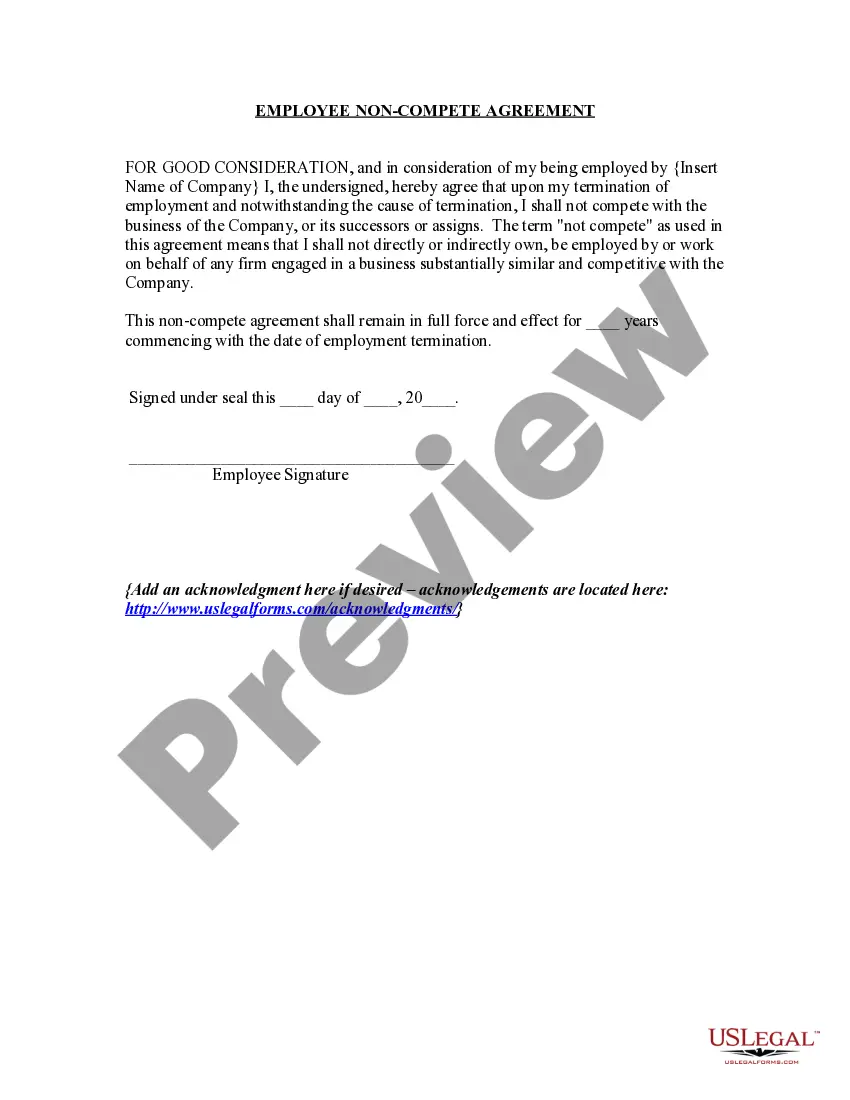
Get your form ready online
Our built-in tools help you complete, sign, share, and store your documents in one place.
Make edits, fill in missing information, and update formatting in US Legal Forms—just like you would in MS Word.
Download a copy, print it, send it by email, or mail it via USPS—whatever works best for your next step.
Sign and collect signatures with our SignNow integration. Send to multiple recipients, set reminders, and more. Go Premium to unlock E-Sign.
If this form requires notarization, complete it online through a secure video call—no need to meet a notary in person or wait for an appointment.
We protect your documents and personal data by following strict security and privacy standards.

Make edits, fill in missing information, and update formatting in US Legal Forms—just like you would in MS Word.

Download a copy, print it, send it by email, or mail it via USPS—whatever works best for your next step.

Sign and collect signatures with our SignNow integration. Send to multiple recipients, set reminders, and more. Go Premium to unlock E-Sign.

If this form requires notarization, complete it online through a secure video call—no need to meet a notary in person or wait for an appointment.

We protect your documents and personal data by following strict security and privacy standards.
Looking for another form?






Form popularity
FAQ
Yes. It affects everyone in the US, it's a federal ruling. You simply will not have any more non compete clauses in any employment agreements, outside the handful of given exceptions. That does not mean your employer has to tolerate your working for a competitor, however. You will just be subject to termination.
The following are the most common ways to get out of a non-compete agreement: Determine that the terms of the contract do not in fact prevent you from a desired course of action. Recognize when a non-compete contradicts the law. Negotiate a release agreement with the involved parties. Ignore the agreement.
The enforceability of non-compete agreements always depends on the facts of the case. If you violate the terms of the agreement, your employer may seek injunctive relief or monetary, punitive, or compensatory damages.
Noncompetes are only enforceable to protect trade secrets or if an employee has an ownership interest in the business.
Go to personnel. Tell them you feel the need to start considering your future and would like to be released from the non-compete part of your contract so you can get started. I'd give you until tomorrow about closing time and you won't have to worry about taking paper clips or any other company property home again.
Scheduled to take effect on September 4, 2024, the Non-Compete Rule banned non-compete agreements, including any agreements that “function or prevent” a worker from seeking or accepting work or operating a business; made it unlawful to enter into, enforce, or attempt to enter into or enforce, a non-compete agreement ...
You cannot, unless the parties to the non-compete agreement agree to terminate the agreement in writing. You have not signed a non-compete agreement gratuitously unless it is a condition of your employment. You must have received valuable consideration for signing a non-compete agreement.
Although every non-compete agreement and employer are different, you may be able to get out of a non-compete by raising one of the following defenses: The employer breached your employment contract; The restrictions are overly broad; or.
Breaching a non-compete agreement by using trade secrets and customer relationships to compete with a former employer may lead to: Legal action resulting in damages and legal fees. Potential liability for the new employer, if the new employer played a role in the violation.
