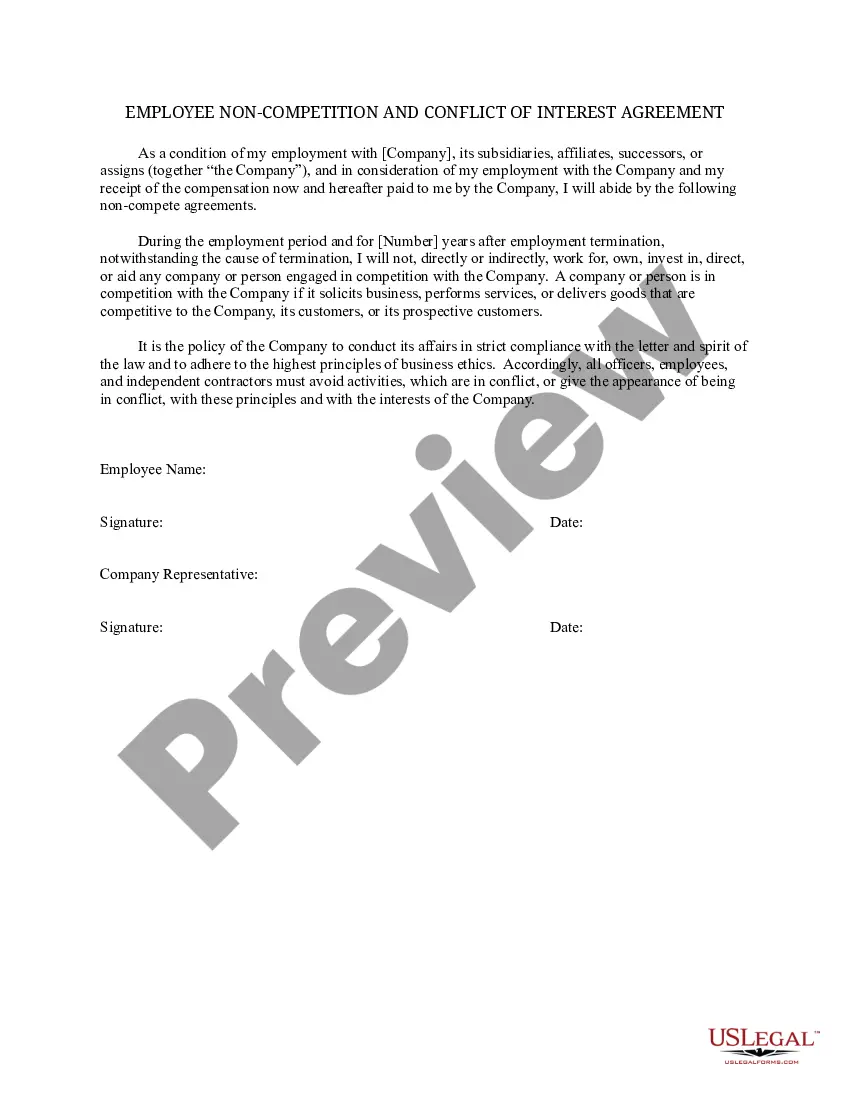
Competition Noncompetition For 50 In Dallas
Description

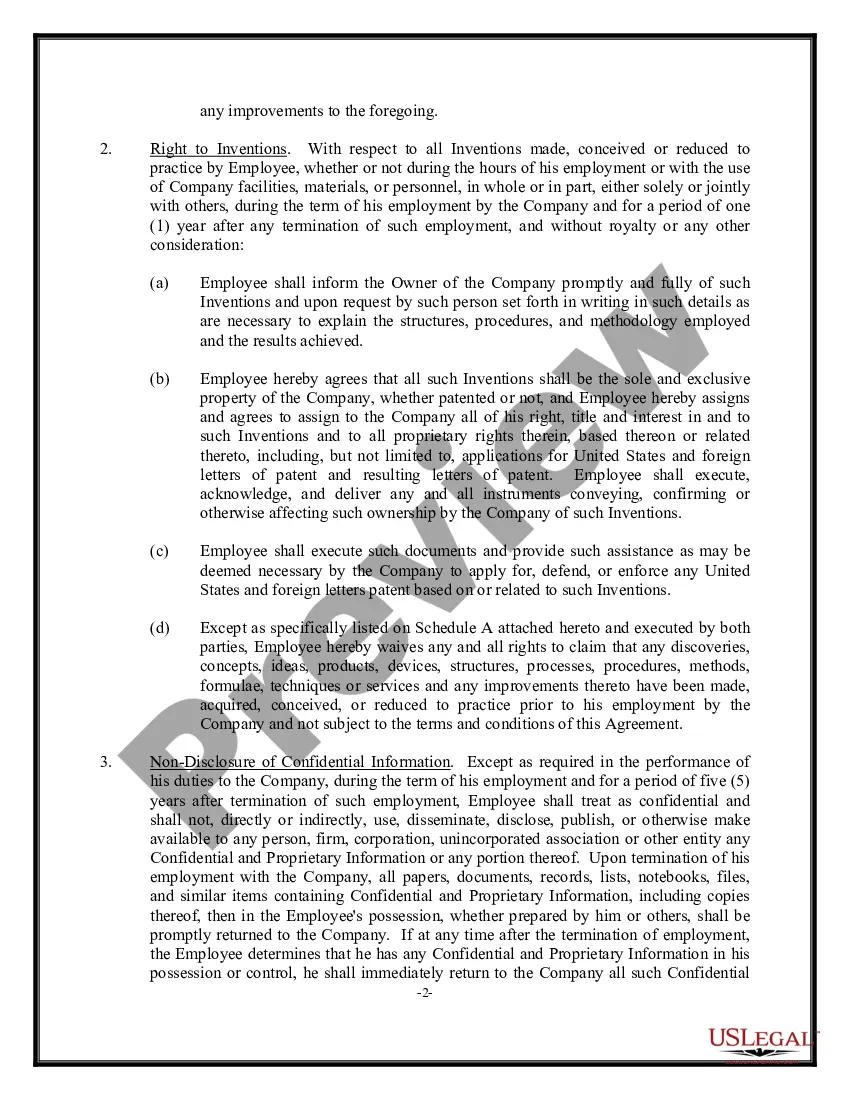
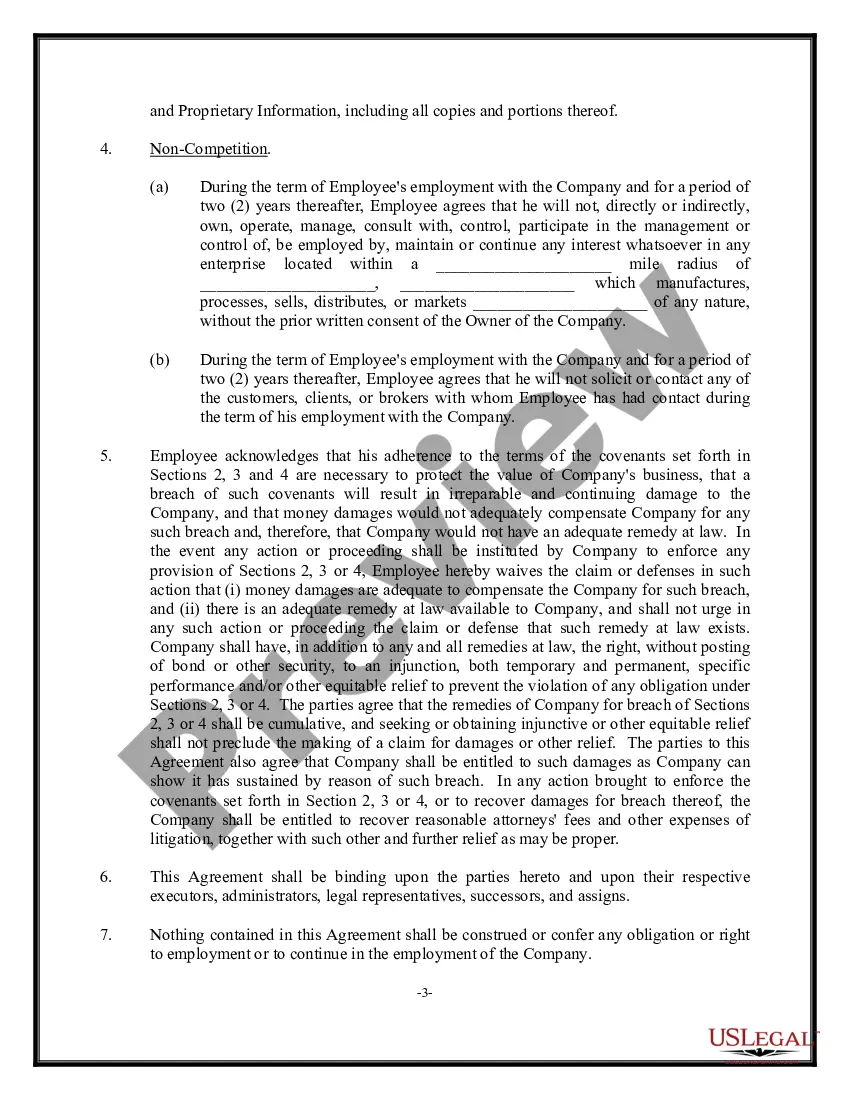
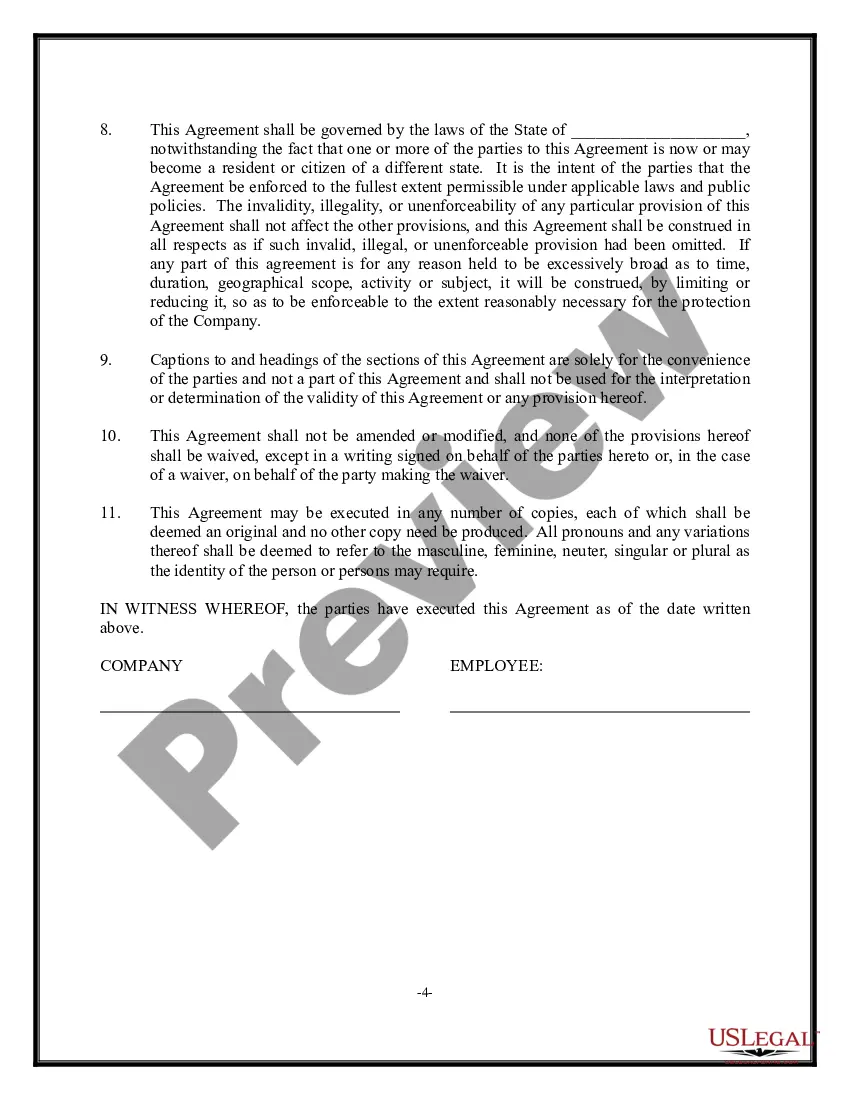
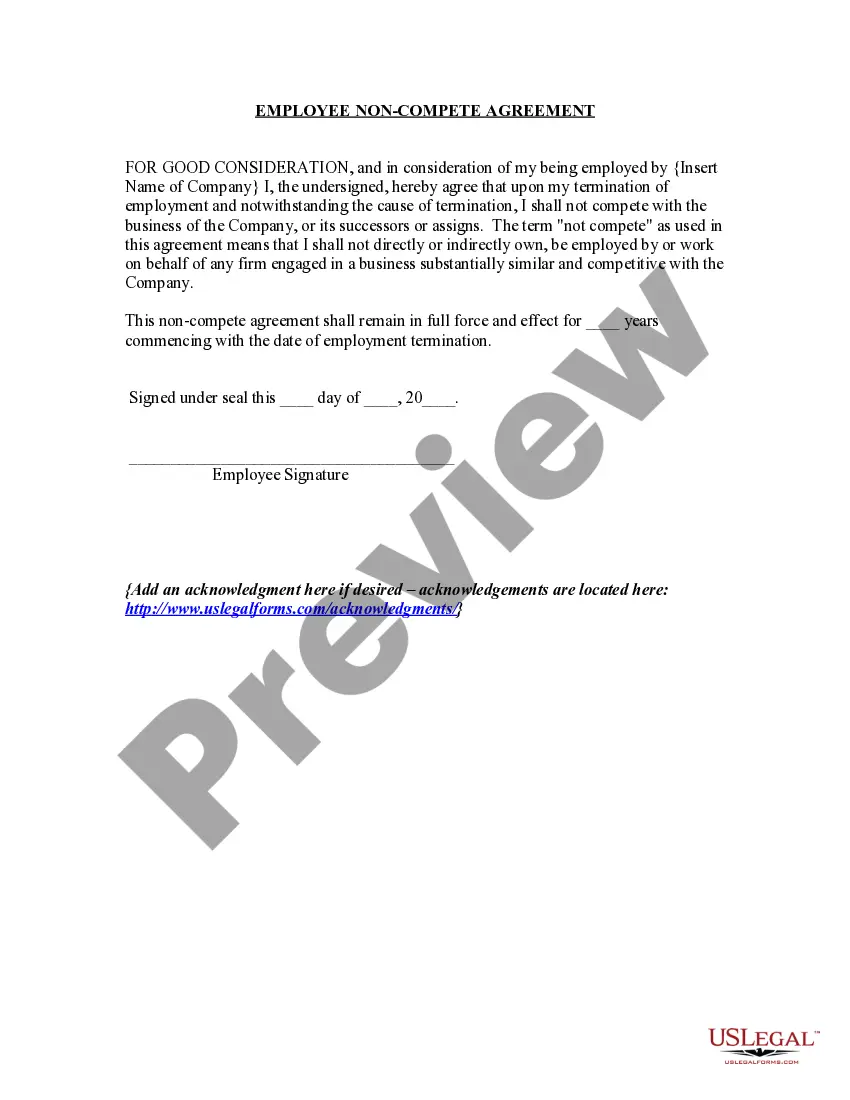
Get your form ready online
Our built-in tools help you complete, sign, share, and store your documents in one place.
Make edits, fill in missing information, and update formatting in US Legal Forms—just like you would in MS Word.
Download a copy, print it, send it by email, or mail it via USPS—whatever works best for your next step.
Sign and collect signatures with our SignNow integration. Send to multiple recipients, set reminders, and more. Go Premium to unlock E-Sign.
If this form requires notarization, complete it online through a secure video call—no need to meet a notary in person or wait for an appointment.
We protect your documents and personal data by following strict security and privacy standards.

Make edits, fill in missing information, and update formatting in US Legal Forms—just like you would in MS Word.

Download a copy, print it, send it by email, or mail it via USPS—whatever works best for your next step.

Sign and collect signatures with our SignNow integration. Send to multiple recipients, set reminders, and more. Go Premium to unlock E-Sign.

If this form requires notarization, complete it online through a secure video call—no need to meet a notary in person or wait for an appointment.

We protect your documents and personal data by following strict security and privacy standards.
Looking for another form?









Form popularity
FAQ
Go to personnel. Tell them you feel the need to start considering your future and would like to be released from the non-compete part of your contract so you can get started. I'd give you until tomorrow about closing time and you won't have to worry about taking paper clips or any other company property home again.
Prove That Your Former Employer Breached the Contract If the employer breached the contract by failing to hold up their end of the bargain, you can get out of the non-compete agreement. Legally, the courts view a party who breaches a contract but turns around to enforce it as coming before the court with unclean hands.
In other words, a non-compete agreement remains in force whether the employee quit, was fired, or laid off. However, the reason for termination can be a factor when seeking to enforce a non-compete.
How To Legally Get Out of a Non-Compete Agreement Get a New Job That Doesn't Involve Competitive Activities. Prove That Your Former Employer Breached the Contract. Argue That the Non-Compete Provision Isn't Enforceable. Show That Your Previous Employer Has No Legitimate Business Interests.
In certain circumstances, it is possible to find non-compete contract loopholes that may void the contract. For example, if you can prove that you never signed the contract, or if you can prove the contract is against the public interest, you may be able to void the agreement.
While Texas courts generally disfavor non-compete agreements, they will enforce a non-compete covenant if it is executed for valid consideration, contains reasonable geographic, temporal, and activity restrictions, and protects the employer's legitimate business interests.
The Non-Compete Rule would prohibit employers from entering into or otherwise enforcing non-compete clauses and some similar agreements, beginning on September 4, 2024. It would also require employers to notify workers subject to such agreements that their agreements are no longer enforceable.
Under Texas law noncompete agreements can be enforceable if: The noncompete provision is part of an otherwise enforceable agreement. The non-compete requirement is supported by valid consideration (consideration meaning something of value provided to the employee).
Unlike some states that ban them entirely, Texas allows physician non-compete agreements, but they must meet specific requirements to be enforceable.
The Texas Medical Board (“TMB”) has recognized that the CPOM doctrine does not prohibit a physician from having an independent contractor agreement with non-physicians as long as it stays within the confines of the doctrine.
