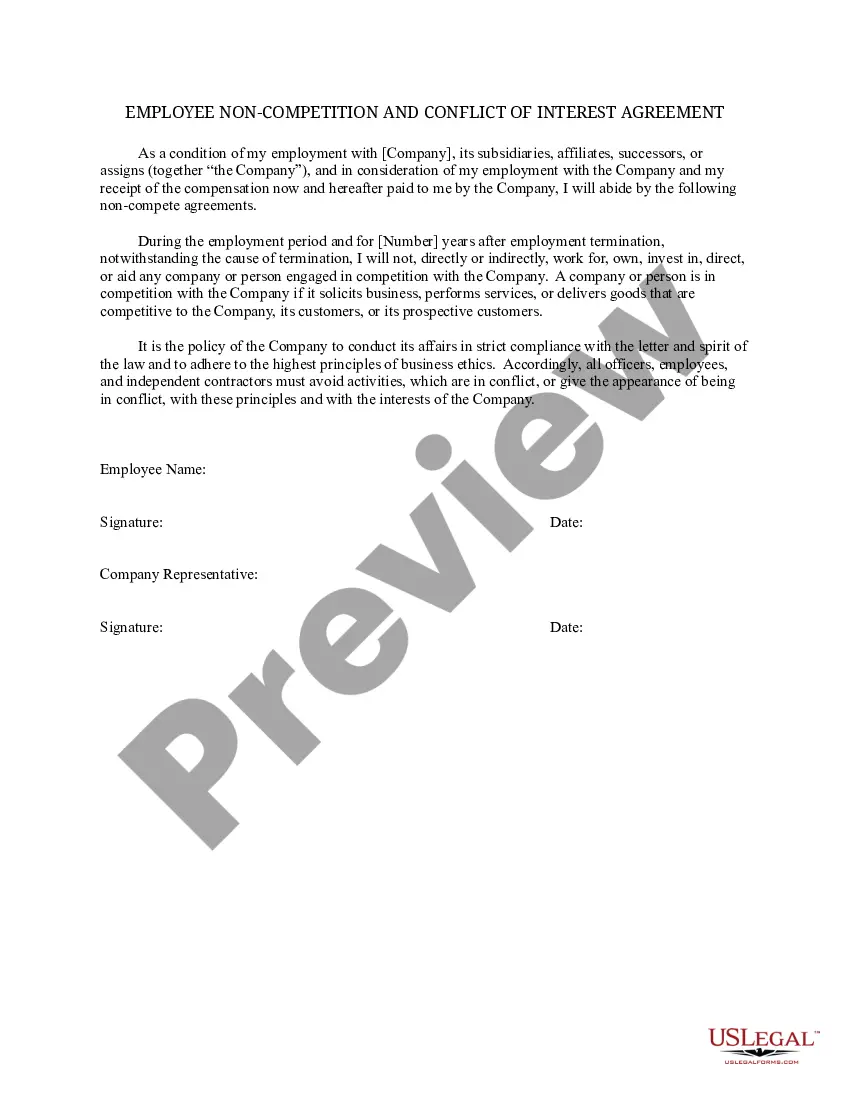
Competition Non Competition With No One In Cuyahoga
Description

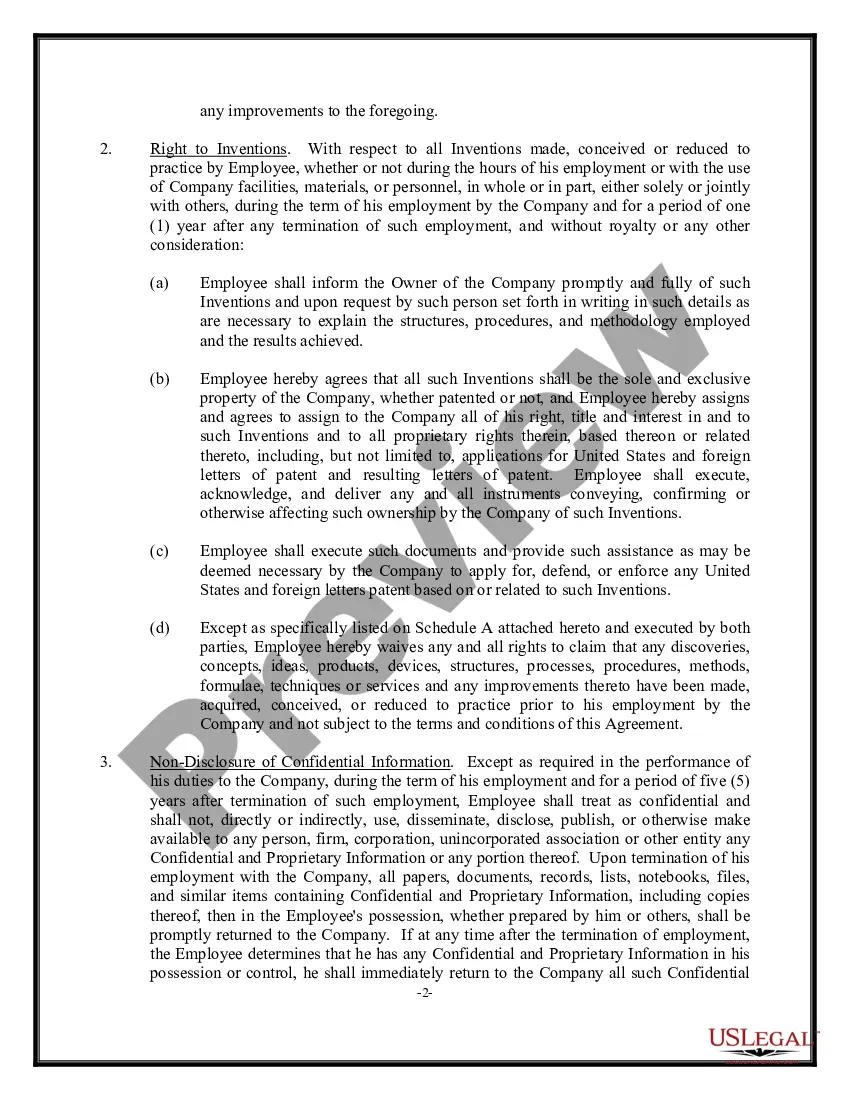
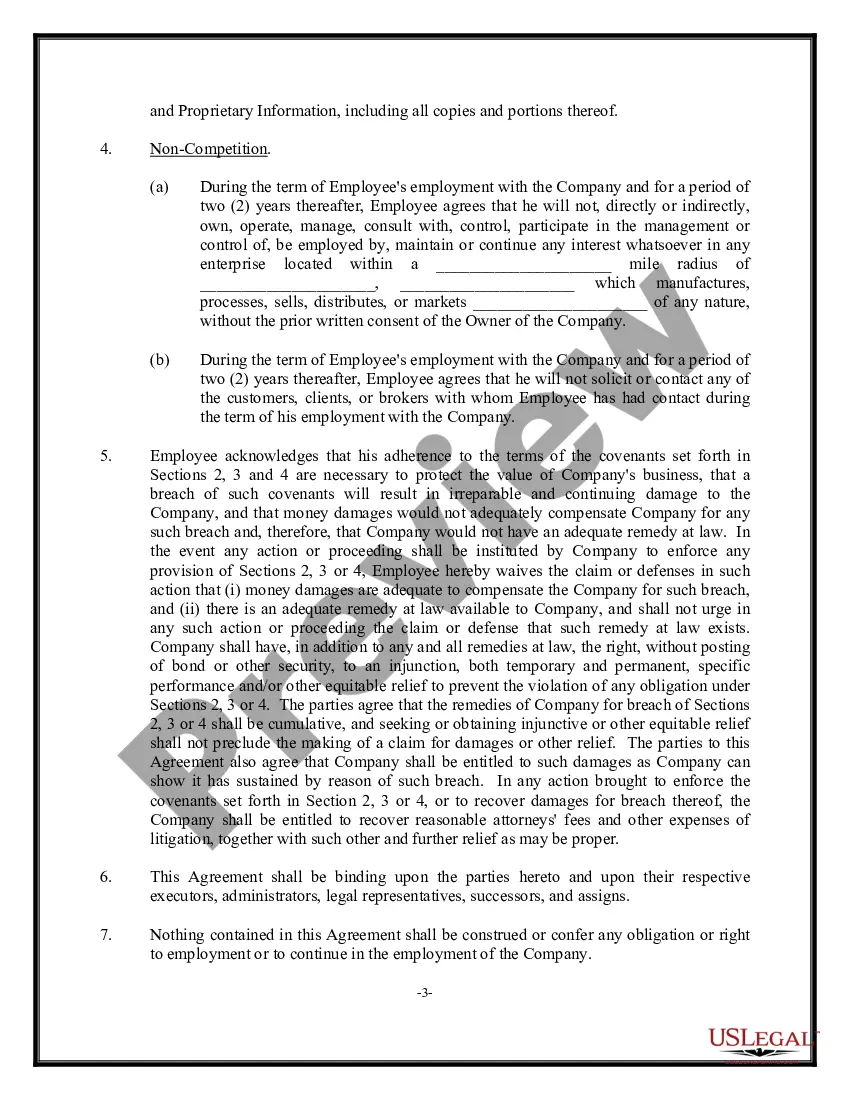
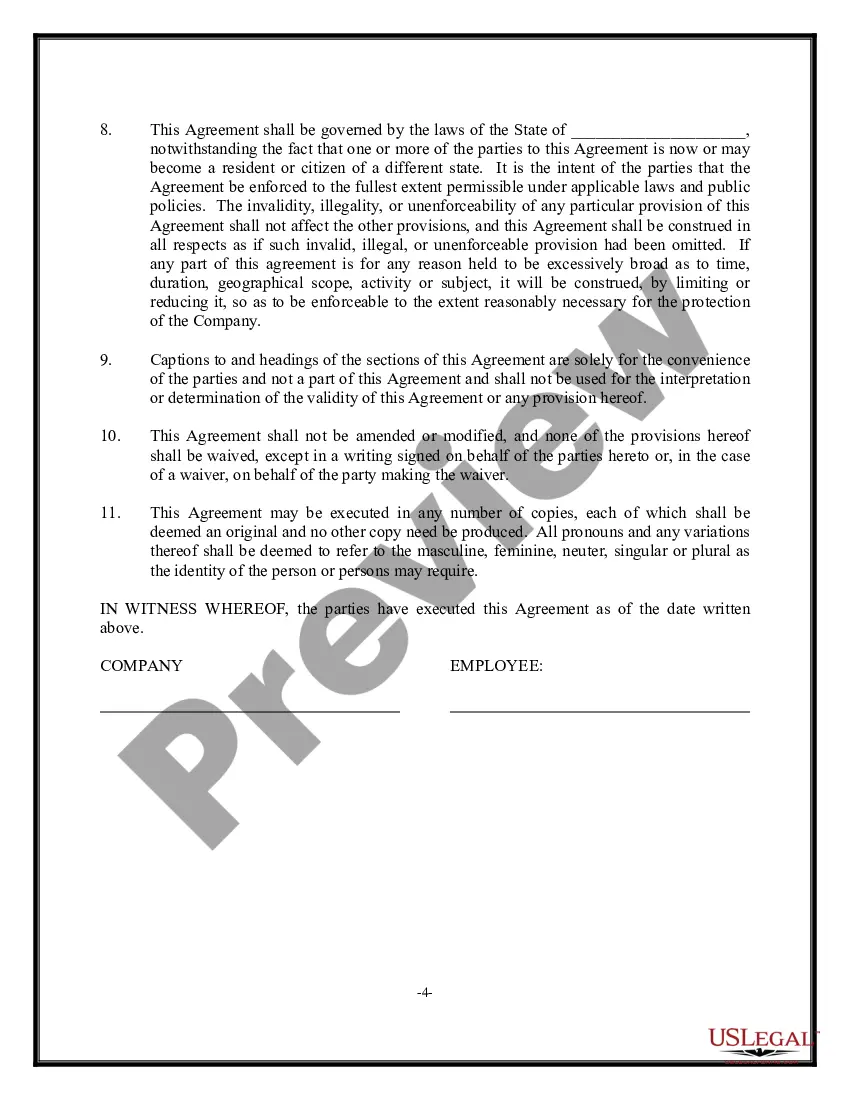
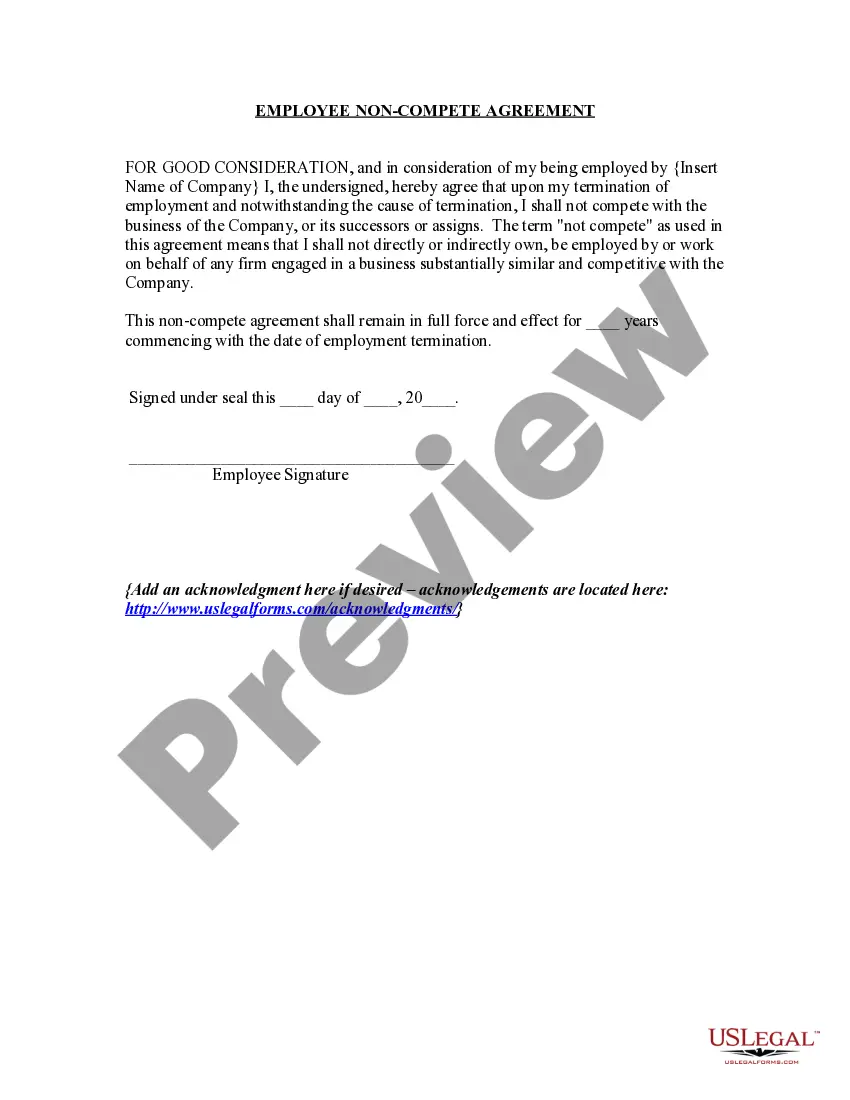
Get your form ready online
Our built-in tools help you complete, sign, share, and store your documents in one place.
Make edits, fill in missing information, and update formatting in US Legal Forms—just like you would in MS Word.
Download a copy, print it, send it by email, or mail it via USPS—whatever works best for your next step.
Sign and collect signatures with our SignNow integration. Send to multiple recipients, set reminders, and more. Go Premium to unlock E-Sign.
If this form requires notarization, complete it online through a secure video call—no need to meet a notary in person or wait for an appointment.
We protect your documents and personal data by following strict security and privacy standards.

Make edits, fill in missing information, and update formatting in US Legal Forms—just like you would in MS Word.

Download a copy, print it, send it by email, or mail it via USPS—whatever works best for your next step.

Sign and collect signatures with our SignNow integration. Send to multiple recipients, set reminders, and more. Go Premium to unlock E-Sign.

If this form requires notarization, complete it online through a secure video call—no need to meet a notary in person or wait for an appointment.

We protect your documents and personal data by following strict security and privacy standards.
Looking for another form?

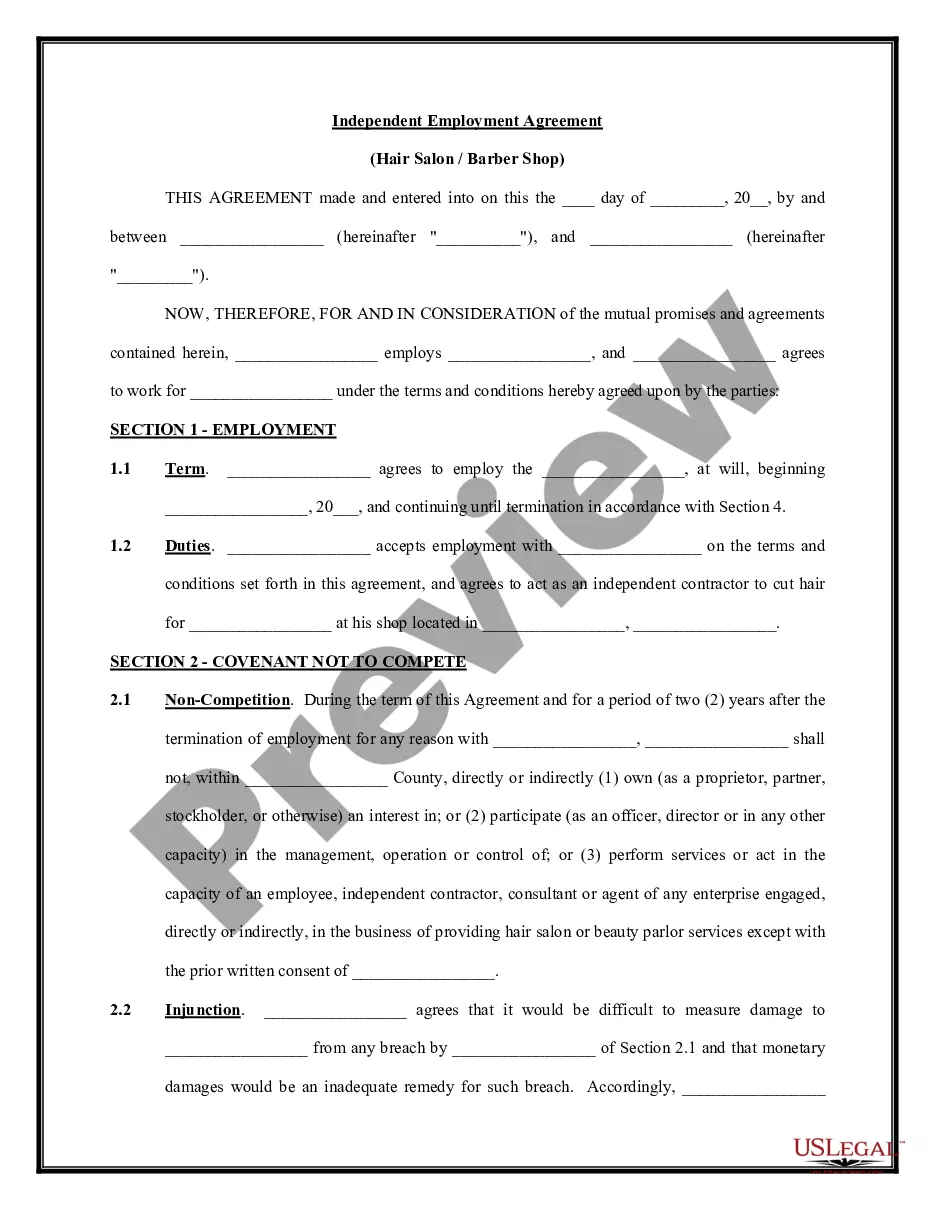




Form popularity
FAQ
The restrictive provisions of the non-compete agreement must be reasonable, and courts will only enforce non-compete agreements to the extent necessary to protect the employer's “legitimate business interests.” If this requires the court to reduce or otherwise edit or remove terms in the non-compete agreement, it will ...
California is an outlier compared to most states; non-compete agreements are unenforceable. While employers can seek out other ways to protect confidential company information, a non-compete agreement will not accomplish those goals. Here's what you need to know about California non-compete enforceability.
Under case law, non-competes will only be enforceable if they are no wider than reasonably necessary to protect a legitimate interest (e.g. protection of confidential information or customer contacts) and are not contrary to the public interest.
Ohio courts tend not to enforce non competition clauses lasting more than two years, although some Ohio courts have done so. Second is the geographic scope of the agreement. The larger the geographic area in which the employee is restricted from working, the more likely it is a court will holds it is too broad.
Non-Compete Agreements are generally not enforceable unless they're used to protect trade secrets or a purchaser of a business, recover education or training expenses from an employee of less than two years, or restrict executive and management personnel or professional staff to those personnel ( C.R.S.
Under case law, non-competes will only be enforceable if they are no wider than reasonably necessary to protect a legitimate interest (e.g. protection of confidential information or customer contacts) and are not contrary to the public interest.
The bottom line is that reasonable noncompete agreements are still enforceable in Ohio. Many physician employers (including physician practices, health systems and other organizations) still take noncompete provisions seriously and are willing to enforce them.
In Ohio, noncompetition and nonsolicitation agreements that are reasonable are enforced, and those that are unreasonable are "enforced to the extent necessary to protect an employer's legitimate interests." Raimonde, 42 Ohio St. 2d 21, at paragraph one of the syllabus.
Fighting a Non-Compete in Ohio In the cases where a non-compete in Ohio is disputed, Ohio courts will evaluate the reasonability of the contract itself. The criteria used in this evaluation include: The duration prohibiting you from competing. The geographic area where you are prohibited from working.
