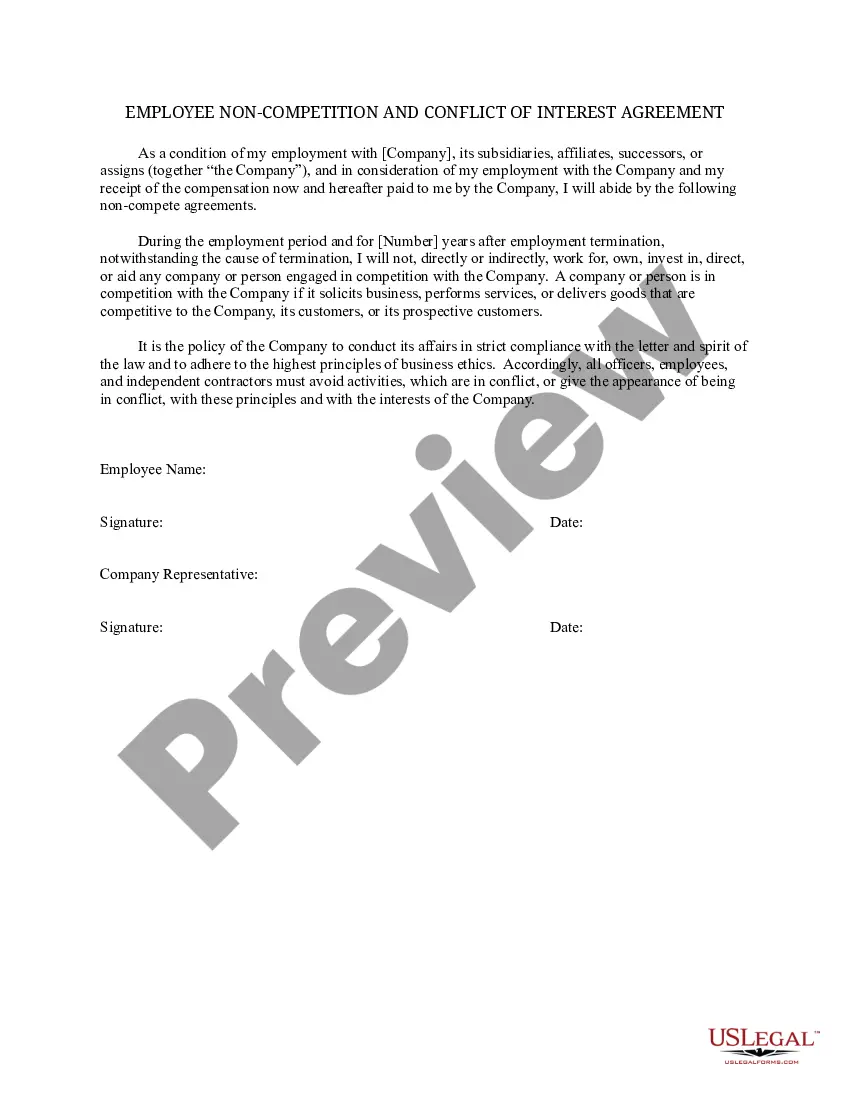
Competition Non Competition For Sale In Clark
Description

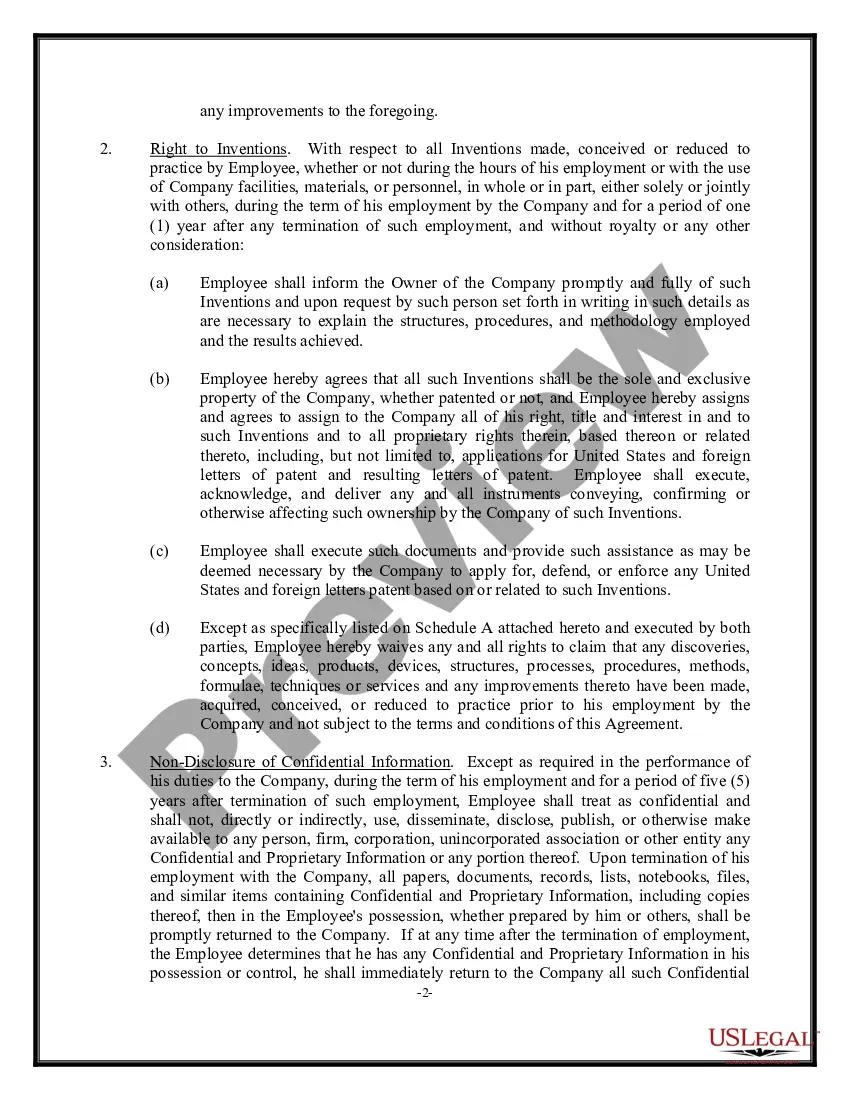
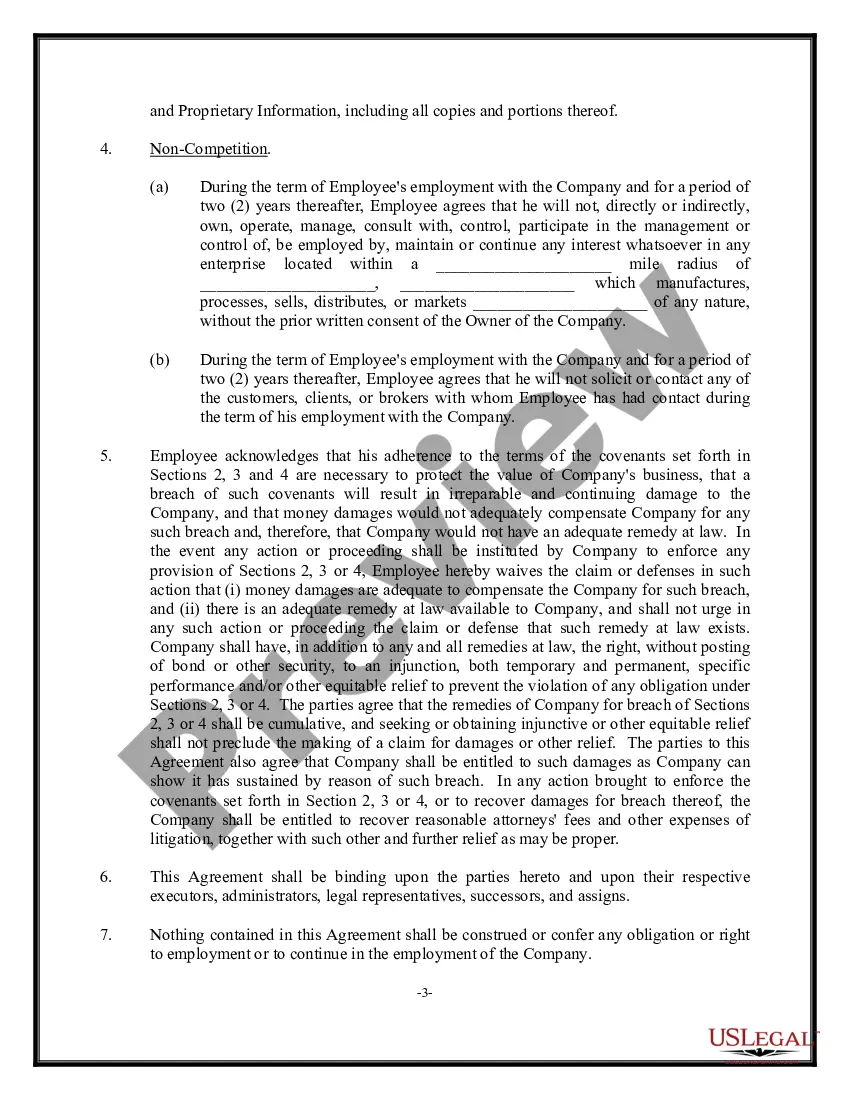
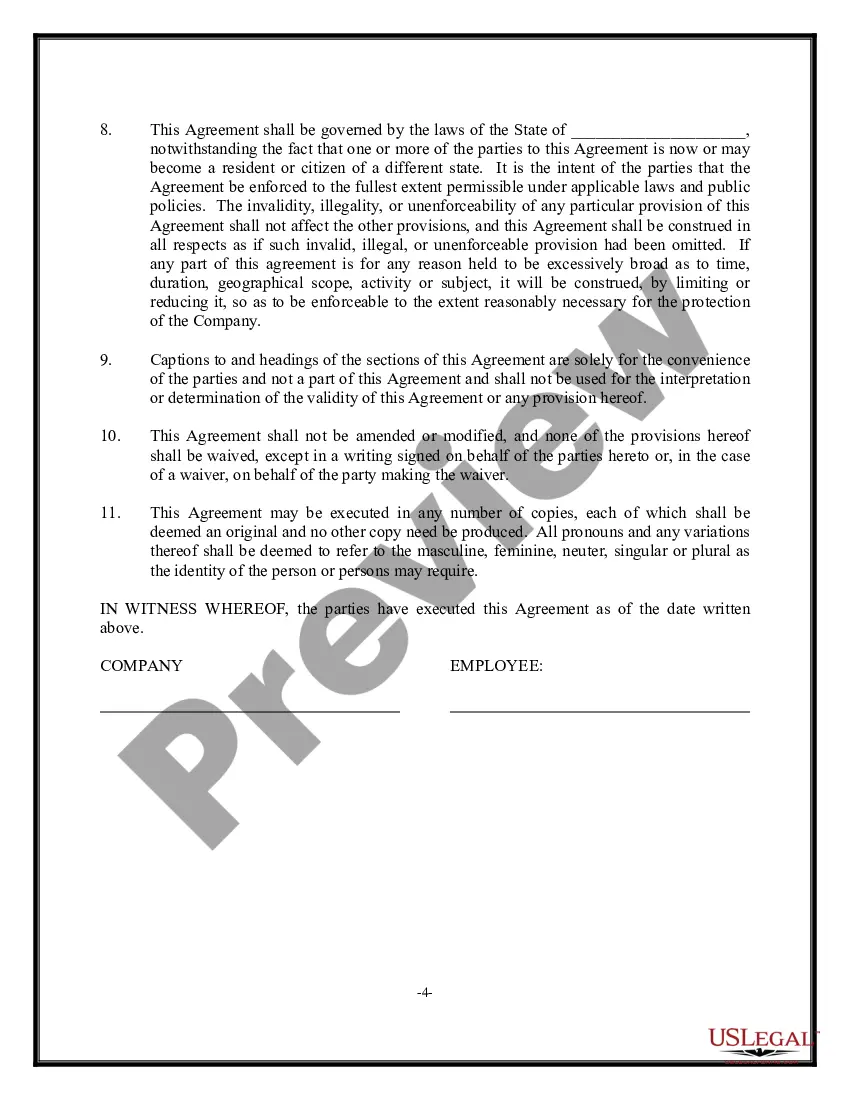
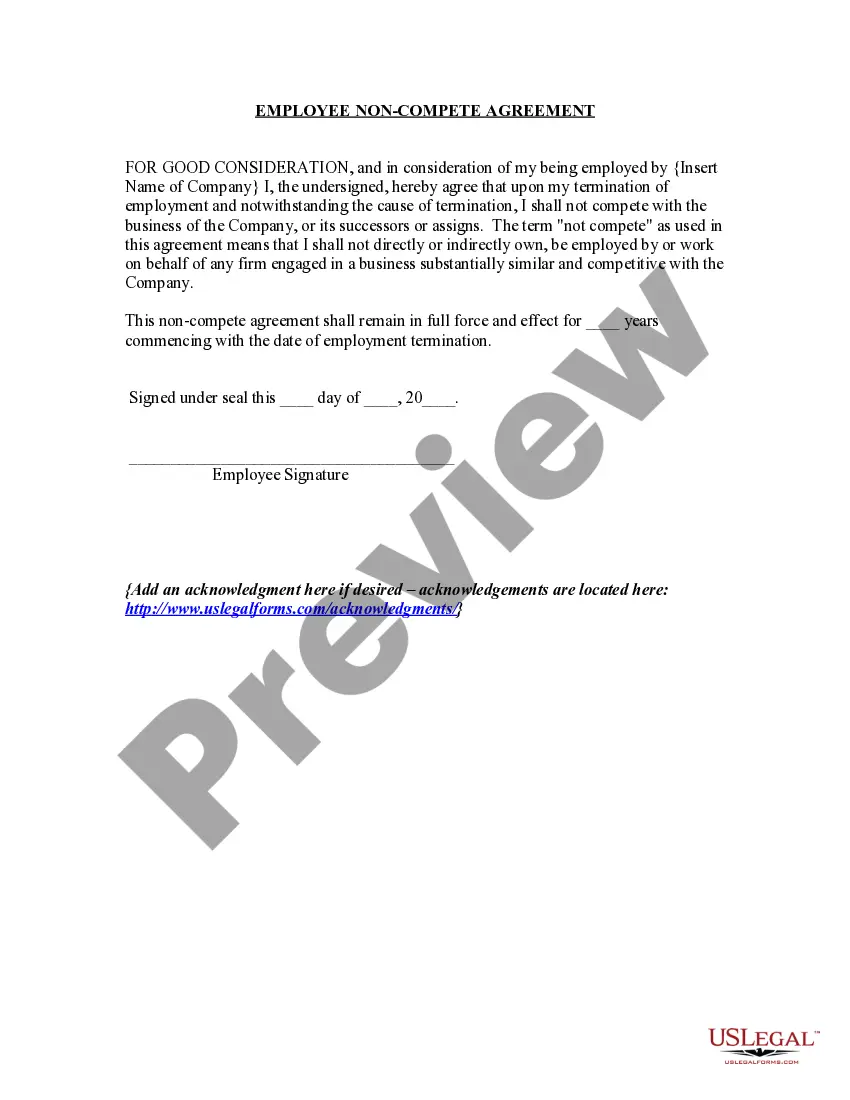
Get your form ready online
Our built-in tools help you complete, sign, share, and store your documents in one place.
Make edits, fill in missing information, and update formatting in US Legal Forms—just like you would in MS Word.
Download a copy, print it, send it by email, or mail it via USPS—whatever works best for your next step.
Sign and collect signatures with our SignNow integration. Send to multiple recipients, set reminders, and more. Go Premium to unlock E-Sign.
If this form requires notarization, complete it online through a secure video call—no need to meet a notary in person or wait for an appointment.
We protect your documents and personal data by following strict security and privacy standards.

Make edits, fill in missing information, and update formatting in US Legal Forms—just like you would in MS Word.

Download a copy, print it, send it by email, or mail it via USPS—whatever works best for your next step.

Sign and collect signatures with our SignNow integration. Send to multiple recipients, set reminders, and more. Go Premium to unlock E-Sign.

If this form requires notarization, complete it online through a secure video call—no need to meet a notary in person or wait for an appointment.

We protect your documents and personal data by following strict security and privacy standards.
Looking for another form?








Form popularity
FAQ
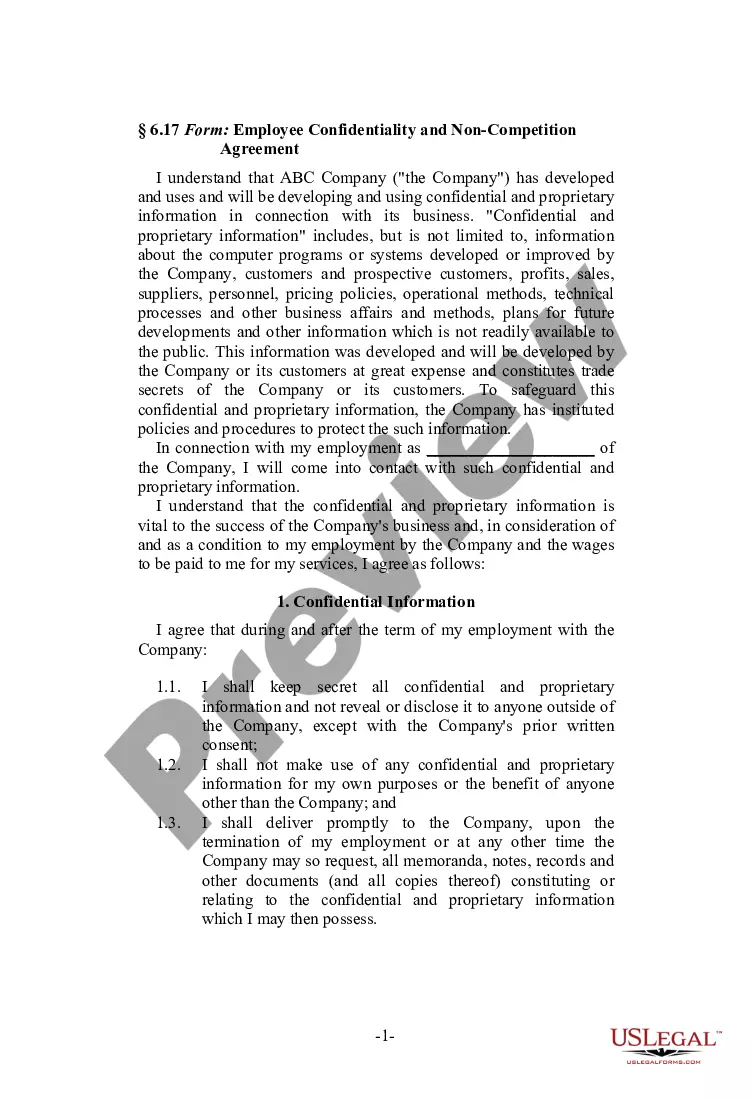
As you can see, non-competes are not enforceable in California, although other states currently allow them. Instead, you can opt for a non-disclosure agreement, or hire employees who live and work in other states.
The General Rule in California: Covenants Not to Compete Are Not Enforceable. Any discussion of California law on non-compete agreements starts with the general principle. As the California Supreme Court ruled in its landmark decision on the topic, Edwards v. Arthur Andersen LLP, 44 Cal.
One of the responsibilities is to liquidate the company and one of the rights is to enforce contracts. So theoretically, the company, even if it is closed, could attempt to enforce the non-compete and it may have a responsibility to do so for the benefit of the owners of the company.
The answer is, it depends. The determining factors are how and what the new company acquired in the transaction and also whether the employee had to reapply for the new company or experienced any major changes in the terms and conditions of employment.
Scheduled to take effect on September 4, 2024, the Non-Compete Rule banned non-compete agreements, including any agreements that “function or prevent” a worker from seeking or accepting work or operating a business; made it unlawful to enter into, enforce, or attempt to enter into or enforce, a non-compete agreement ...
Clauses that preclude a former employee from working for any other employer in a specific industry are invalidated, as are more narrowly-tailored clauses that preclude a former employee from working for a direct competitor during a discrete, limited time period subsequent to the termination of the individual's ...
Several factors can void or limit the enforceability of a non-compete agreement, including overly broad restrictions, unreasonable time frames or geographical limits, lack of consideration (such as compensation or job opportunities provided in exchange for the agreement), and violation of public policy.
Non-compete agreements are generally taxed as ordinary income to the seller, which from the seller's perspective is less than desirable. But, for a buyer, it is expensed as incurred, which is desirable for the buyer but not the seller.
Only employees or independent contractors who earn more than the thresholds established by law can be held to non-competition agreements. If an employee or independent contractor has earnings less than the threshold specified under law, the non-compete agreements is considered void and unenforceable under RCW 49.62.
