Competition Non Competition For Resources In Chicago
Description

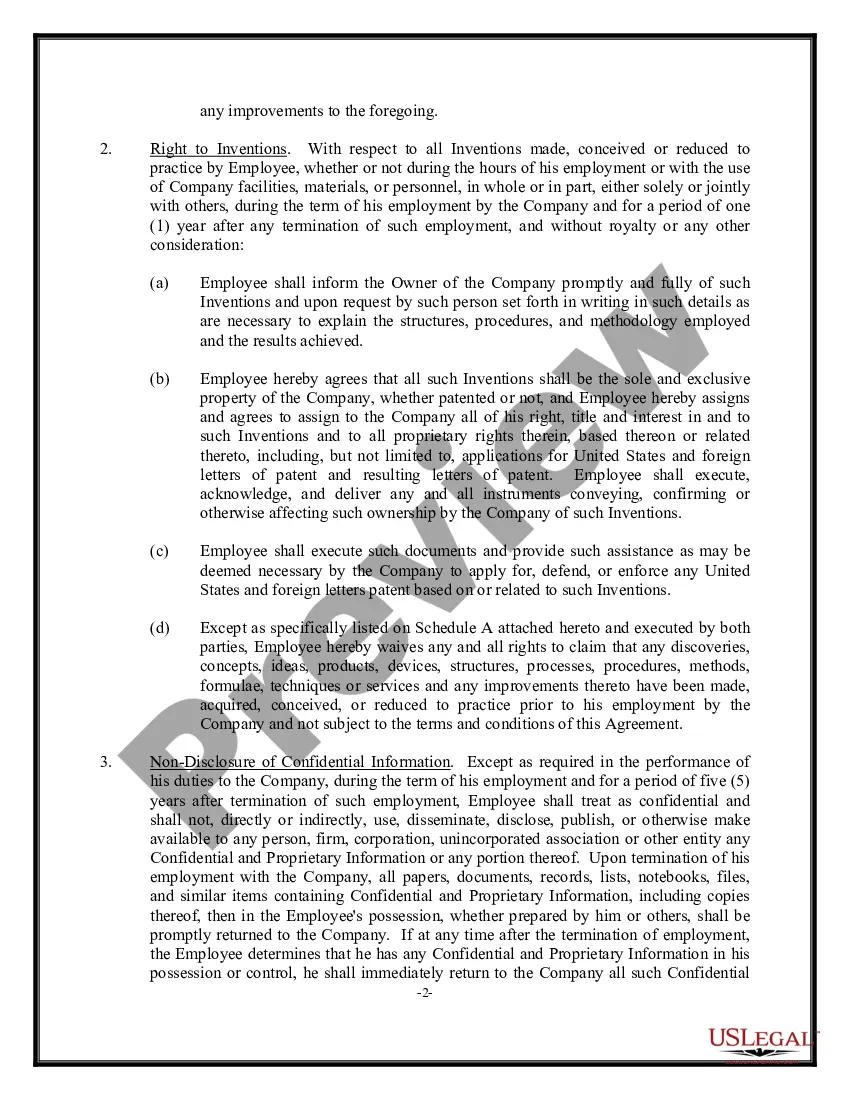
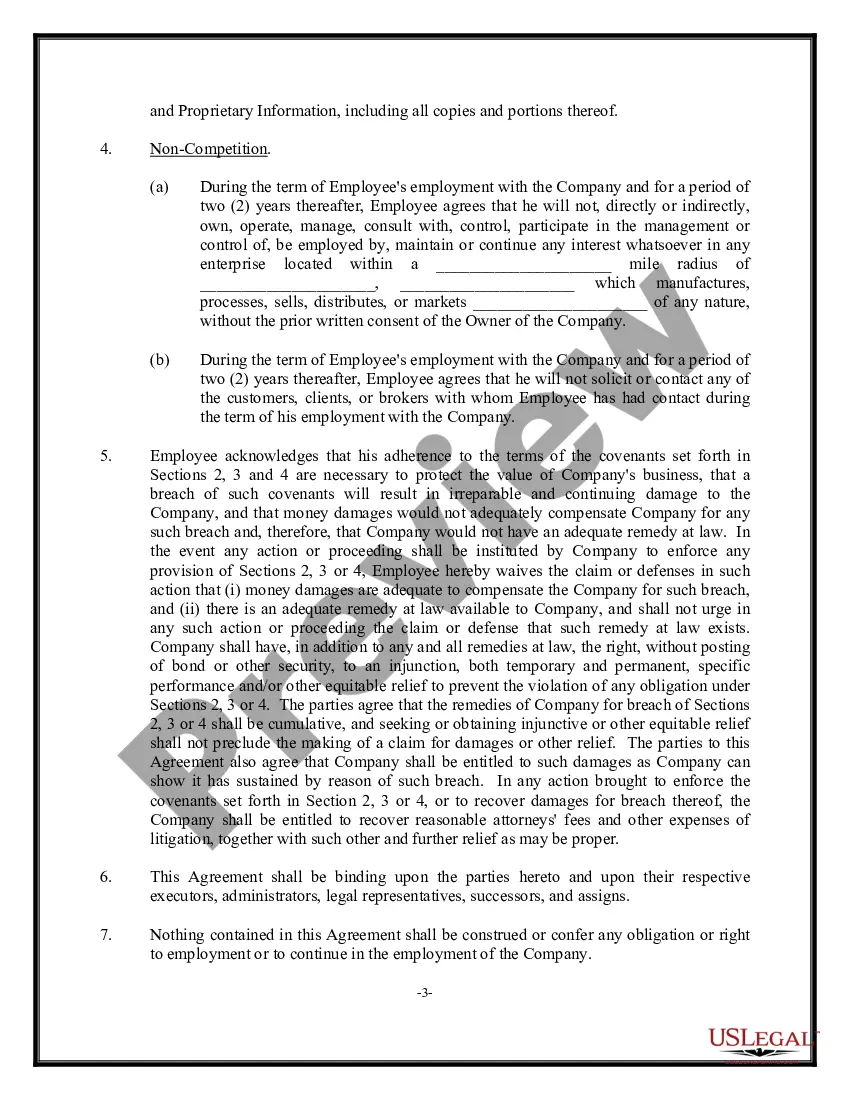
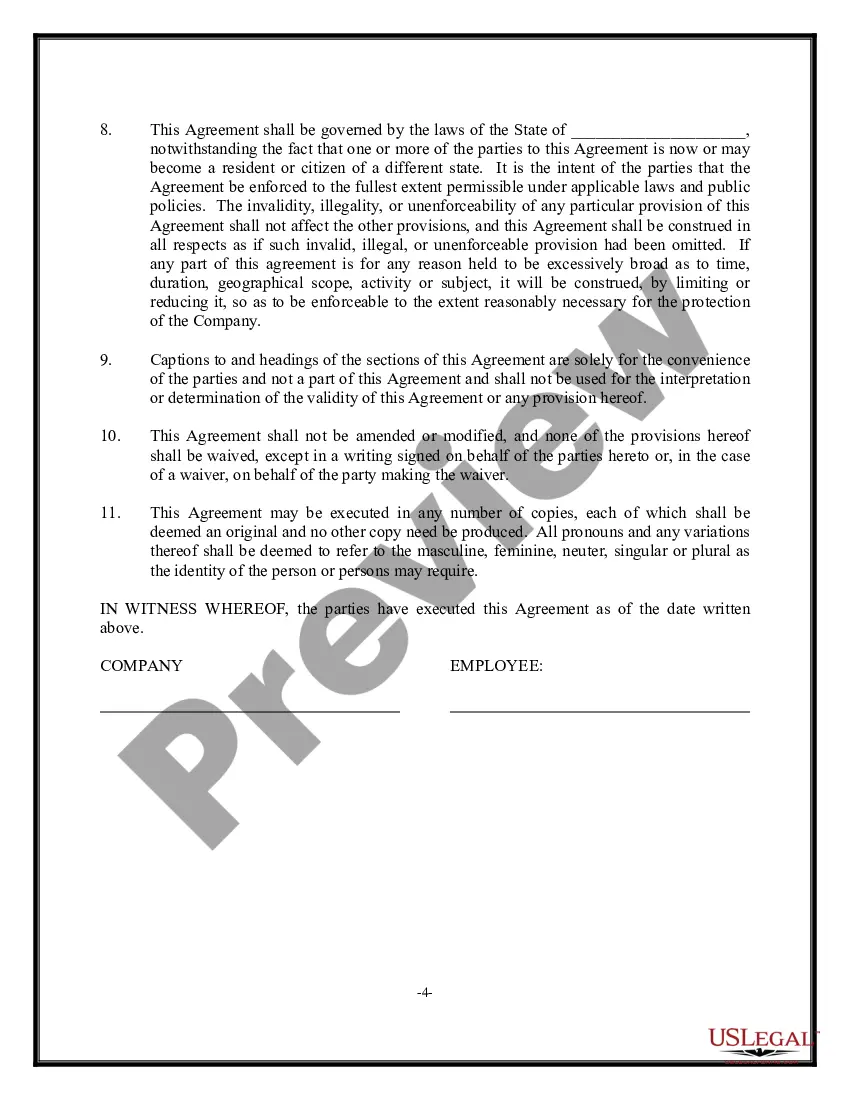
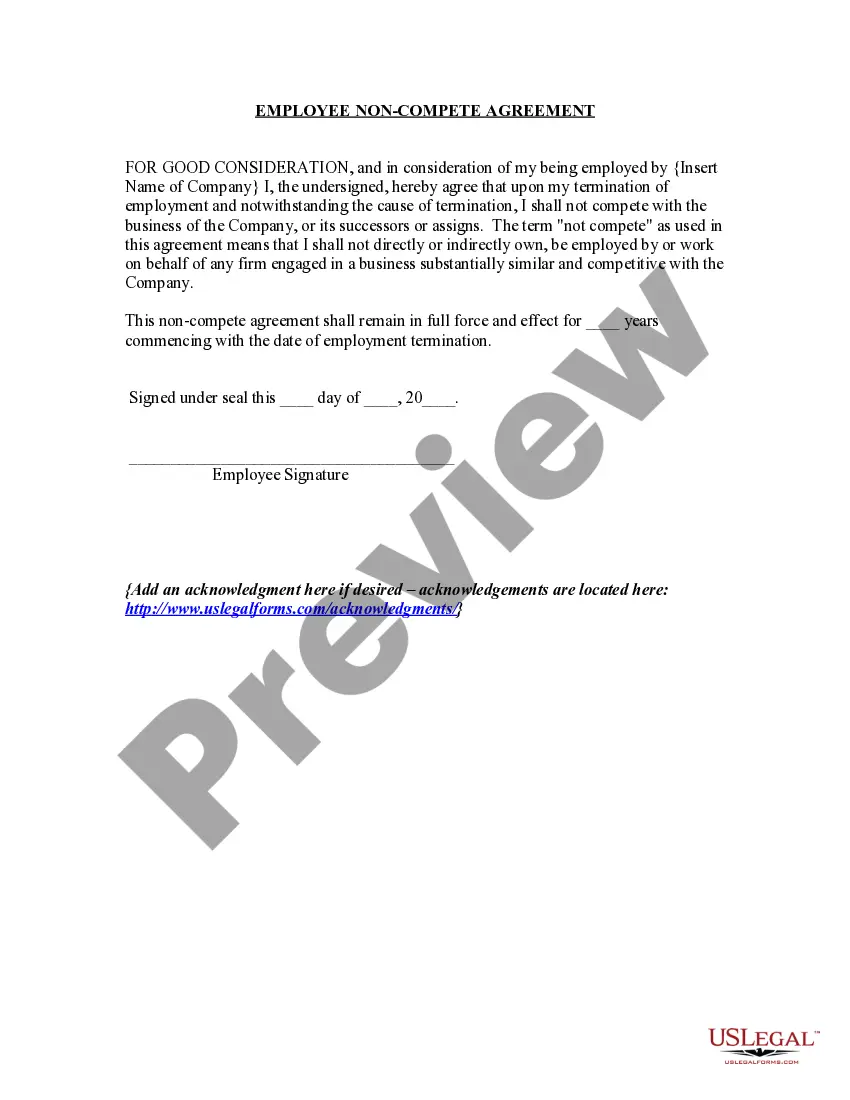
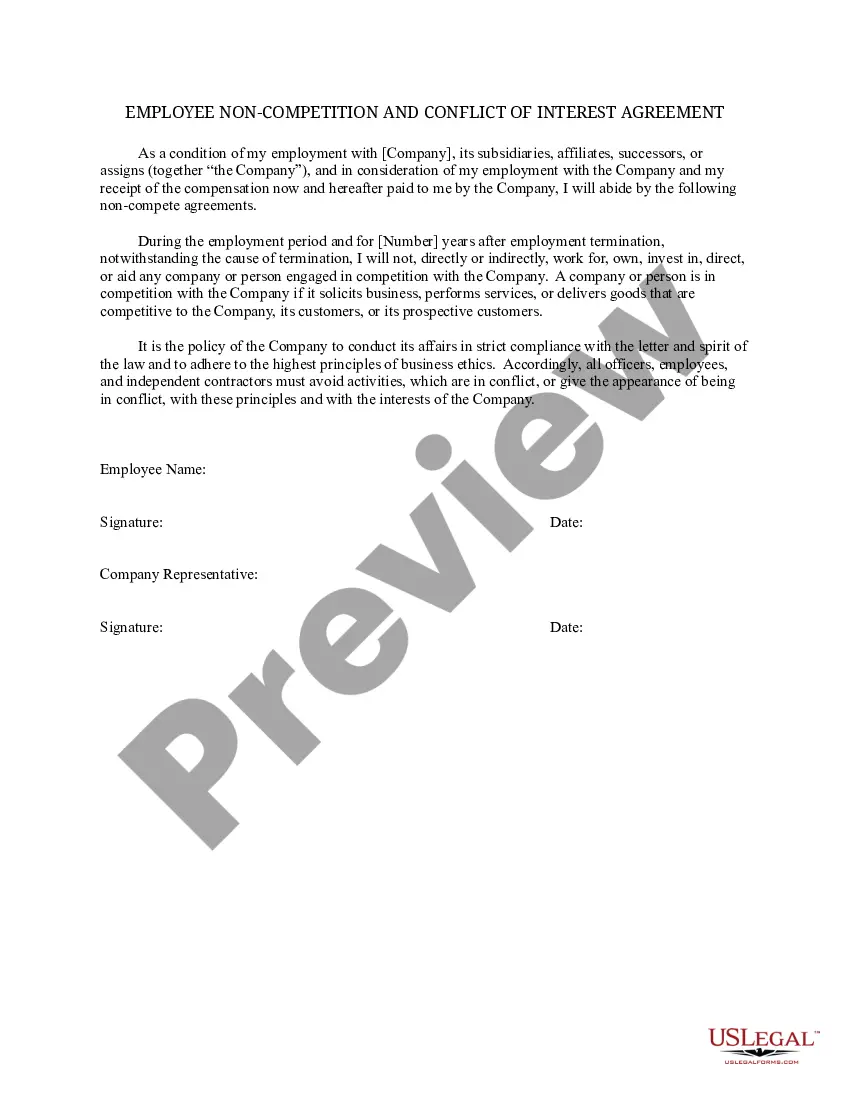
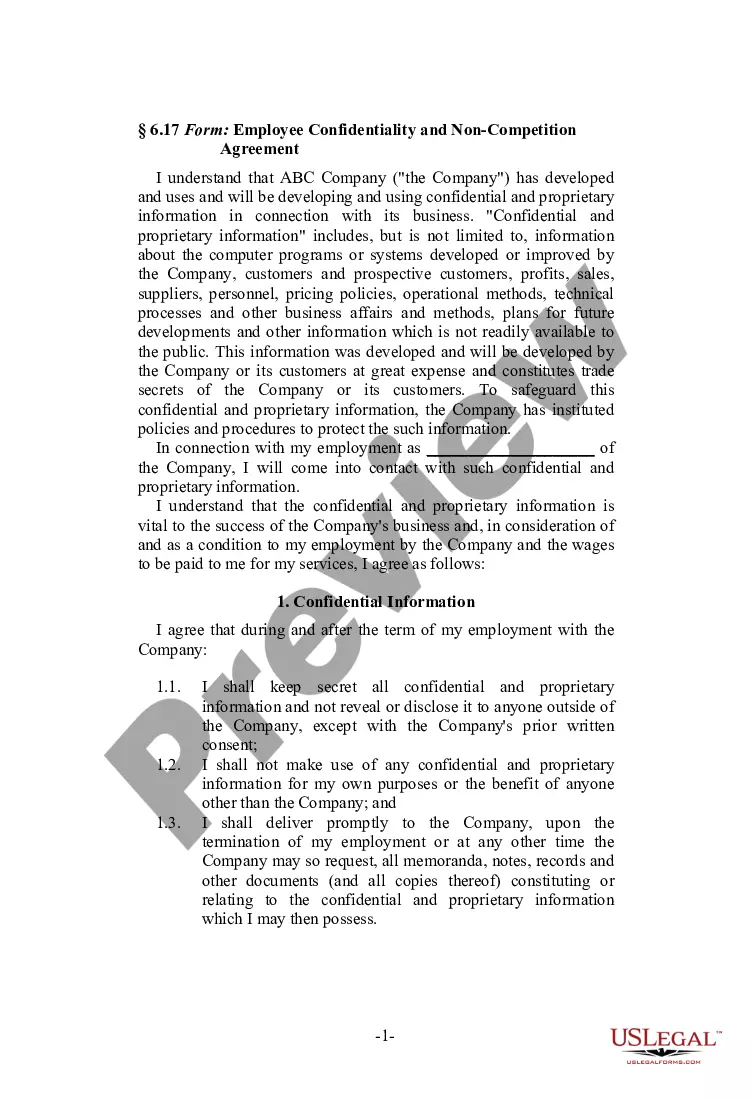
Get your form ready online
Our built-in tools help you complete, sign, share, and store your documents in one place.
Make edits, fill in missing information, and update formatting in US Legal Forms—just like you would in MS Word.
Download a copy, print it, send it by email, or mail it via USPS—whatever works best for your next step.
Sign and collect signatures with our SignNow integration. Send to multiple recipients, set reminders, and more. Go Premium to unlock E-Sign.
If this form requires notarization, complete it online through a secure video call—no need to meet a notary in person or wait for an appointment.
We protect your documents and personal data by following strict security and privacy standards.

Make edits, fill in missing information, and update formatting in US Legal Forms—just like you would in MS Word.

Download a copy, print it, send it by email, or mail it via USPS—whatever works best for your next step.

Sign and collect signatures with our SignNow integration. Send to multiple recipients, set reminders, and more. Go Premium to unlock E-Sign.

If this form requires notarization, complete it online through a secure video call—no need to meet a notary in person or wait for an appointment.

We protect your documents and personal data by following strict security and privacy standards.
Looking for another form?





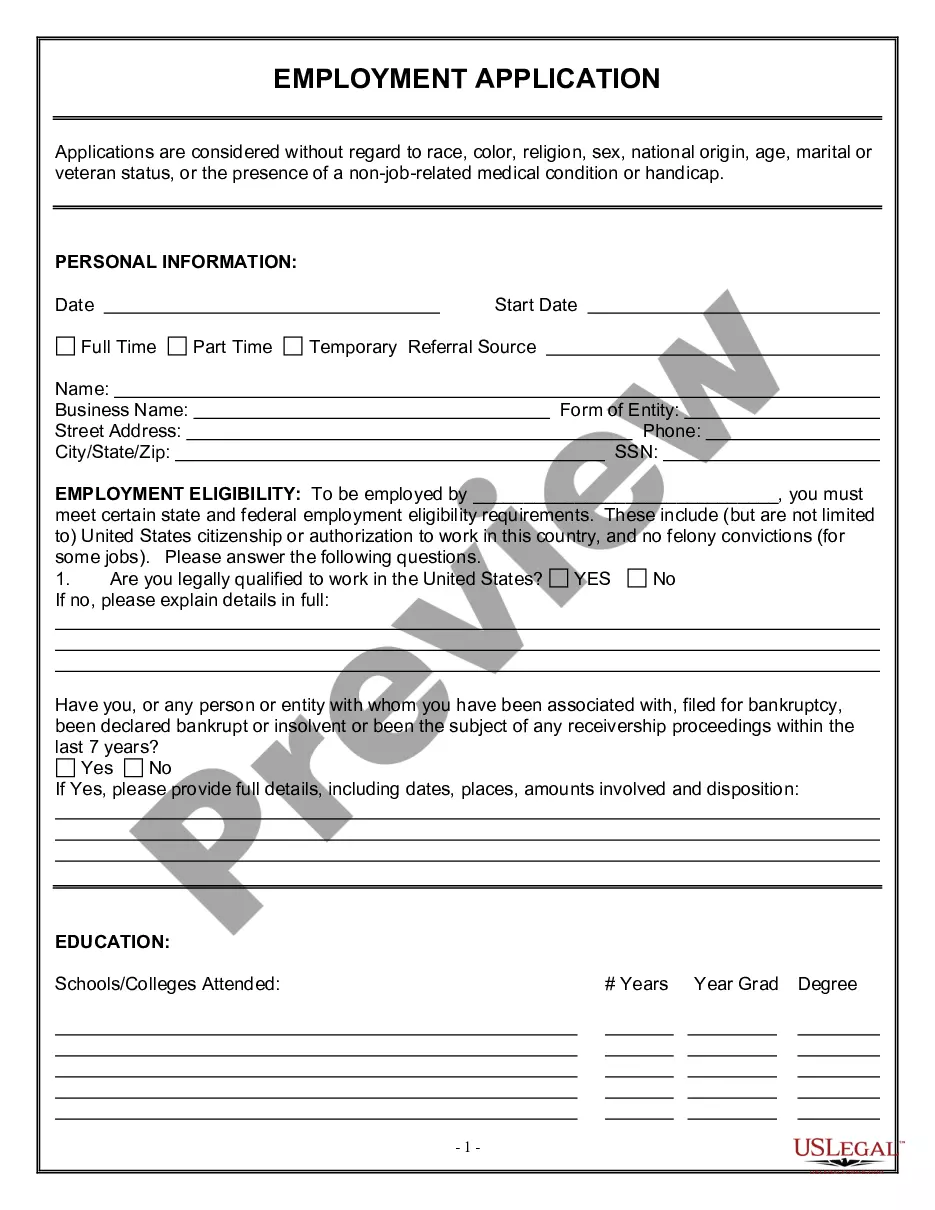

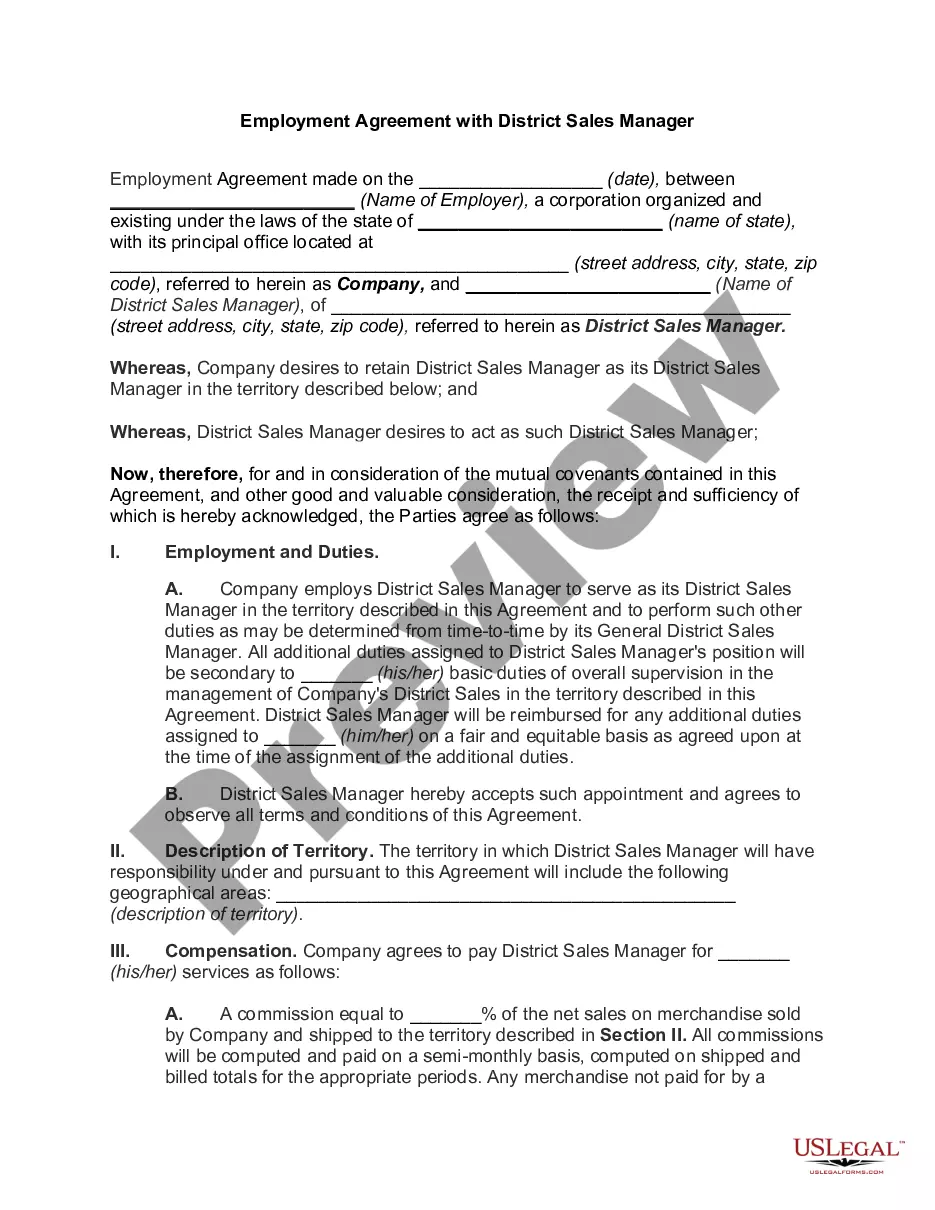

Form popularity
FAQ
Non-Compete Agreements are generally not enforceable unless they're used to protect trade secrets or a purchaser of a business, recover education or training expenses from an employee of less than two years, or restrict executive and management personnel or professional staff to those personnel ( C.R.S.
Non-compete agreements are a common part of the business world these days. But just because you sign a non-compete agreement doesn't mean your employer will enforce it (or try to enforce it) after you leave your current job.
Under Illinois's recent noncompete law, the $75,000 income threshold is not set to increase until 2027. As for the remaining states, a date of increase is not predetermined, and there is no reason to expect increases in 2025.
California is an outlier compared to most states; non-compete agreements are unenforceable. While employers can seek out other ways to protect confidential company information, a non-compete agreement will not accomplish those goals. Here's what you need to know about California non-compete enforceability.
Non-competes ensure that the employee will not use information learned during employment to start a business and compete with the employer once work is over. It also ensures that the employer keeps its place in the market.
The FTC issued a rule banning most non-compete agreements. This rule was to take effect on September 4, 2024, but a federal court concluded that the rule could not be enforced on August 20, 2024.
Illinois courts will only enforce a non-compete agreement if it is: Ancillary to either a valid contract or relationship. Supported by adequate consideration. Reasonable.
Additionally, the agreement not to compete must not impose undue hardship on the employee. A clause prohibiting the employee from working for a competitor in a 10 mile radius may be acceptable, but one that prohibits him from working for any competitor in North America may not.
compete agreement is only used between an employee and a business to specify who may hire them should they leave the company. An NDA is much broader and is used to protect any personal or businessrelated information that one or both parties want to remain confidential.
