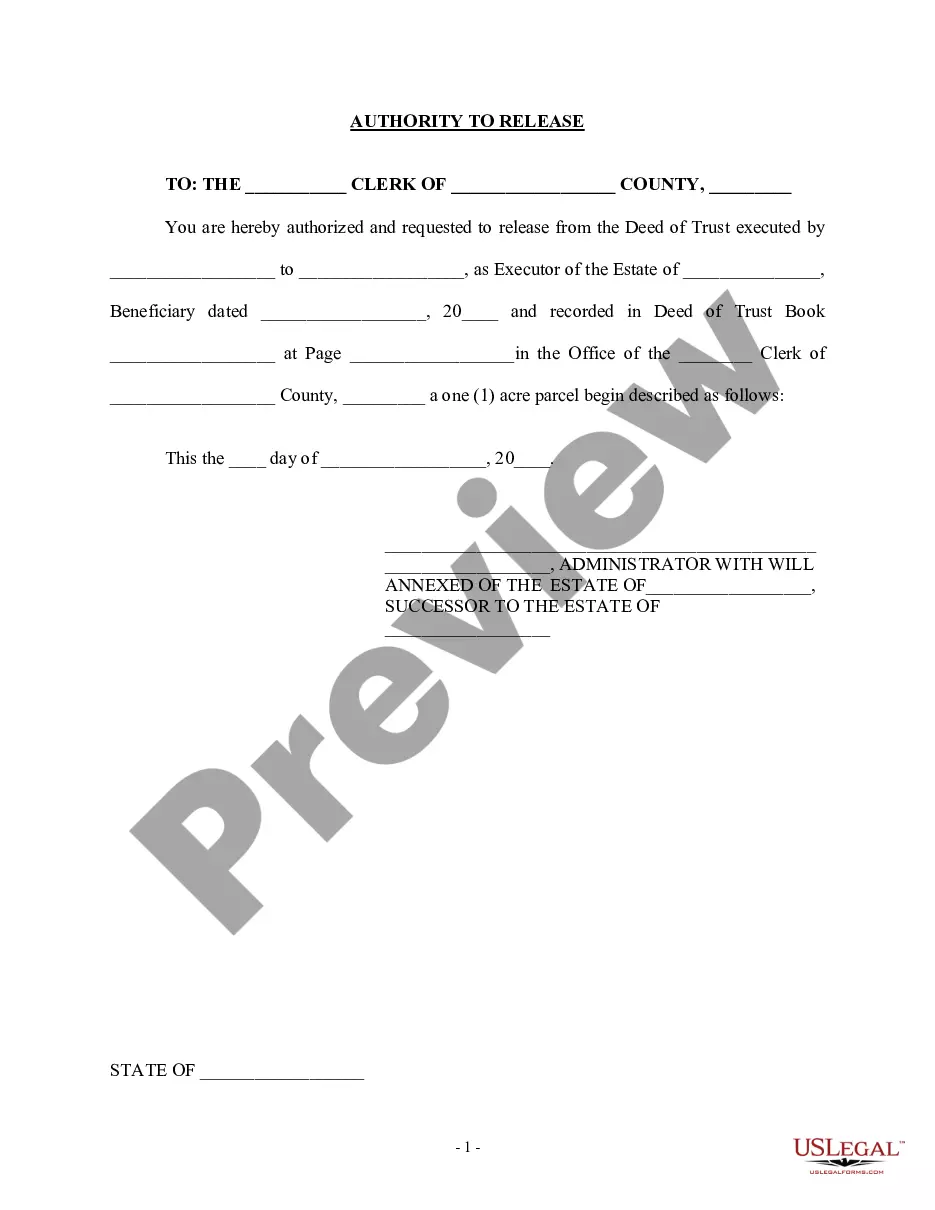
Competition Noncompetition For 50 In Bronx
Description

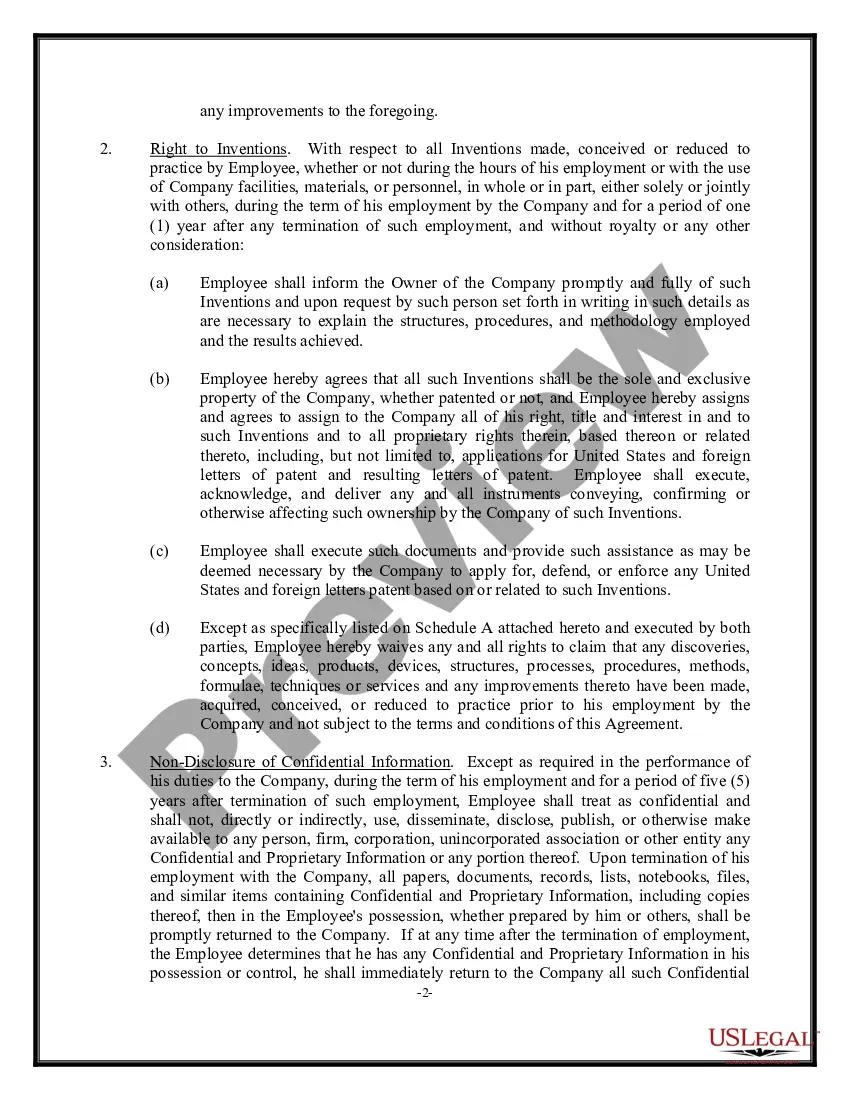
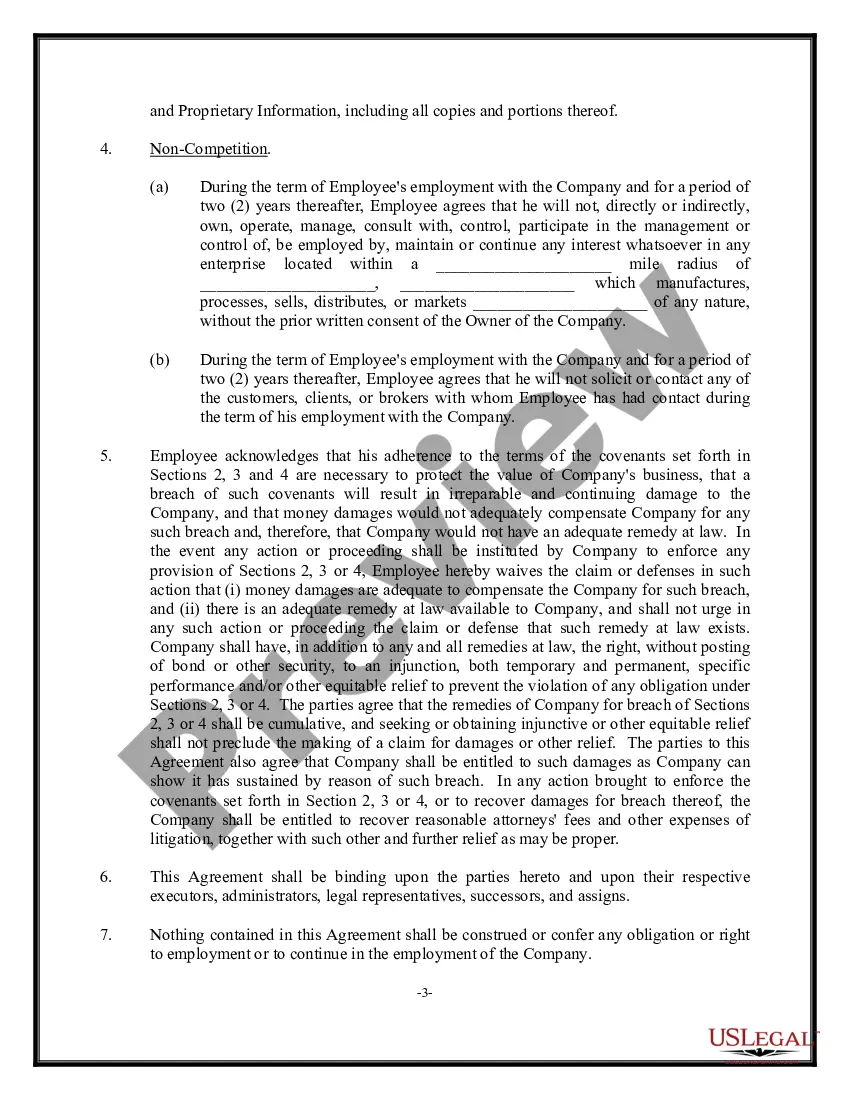
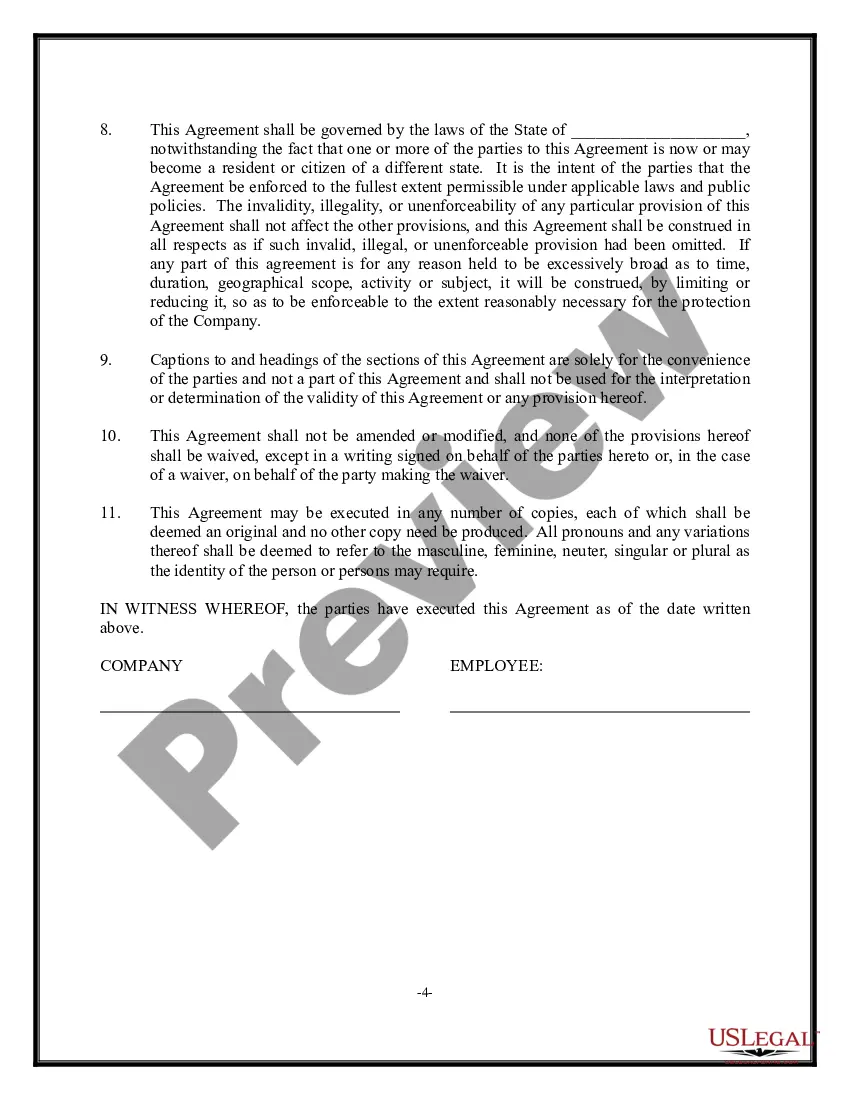
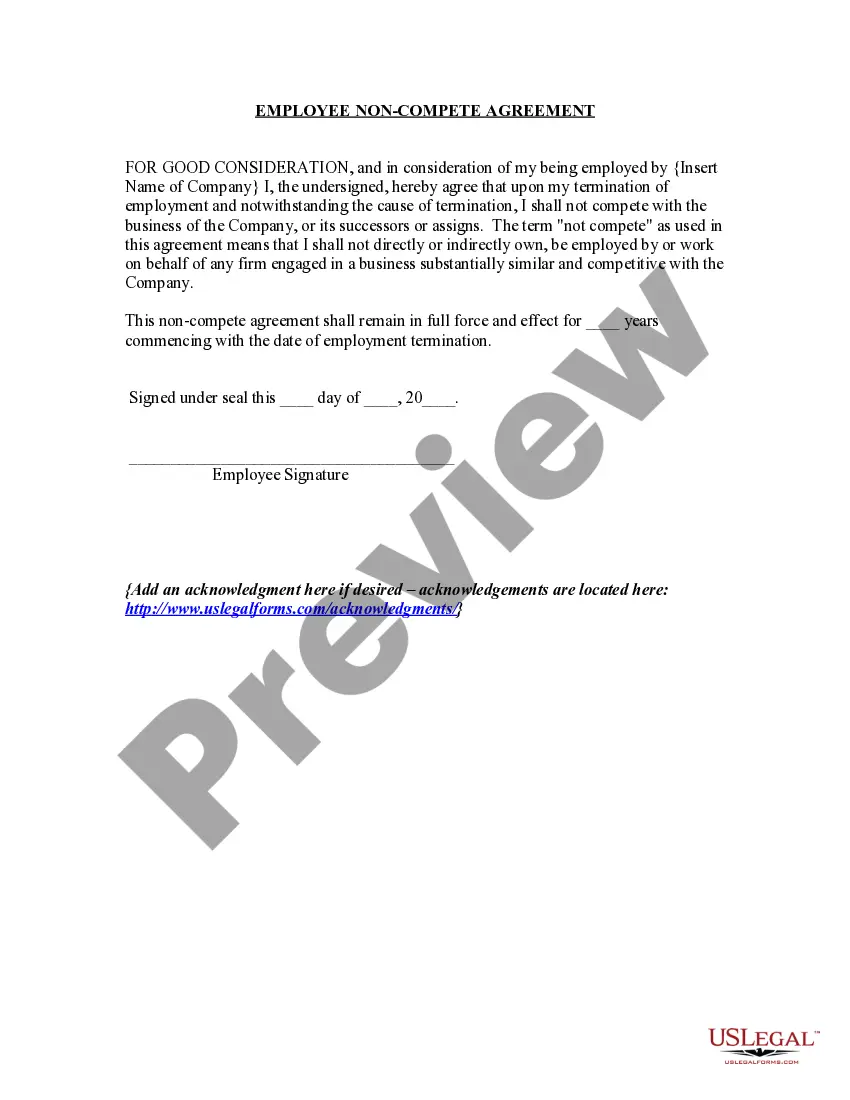
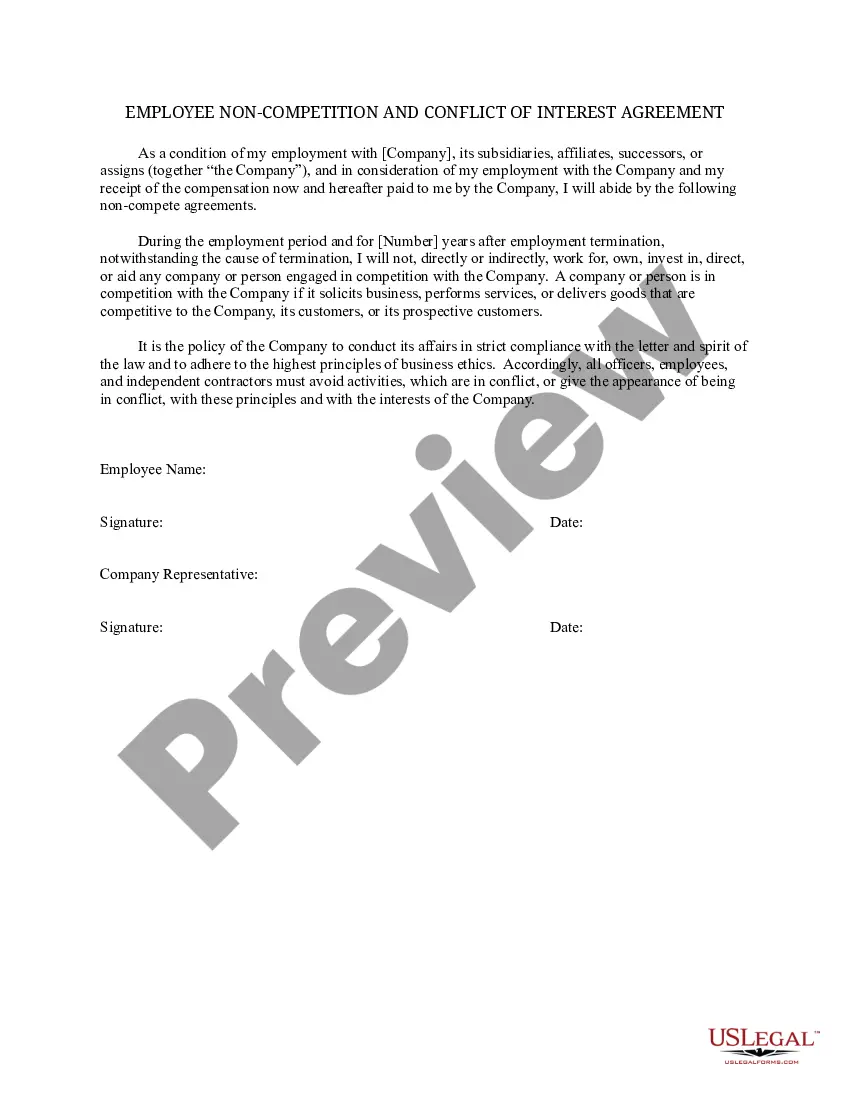
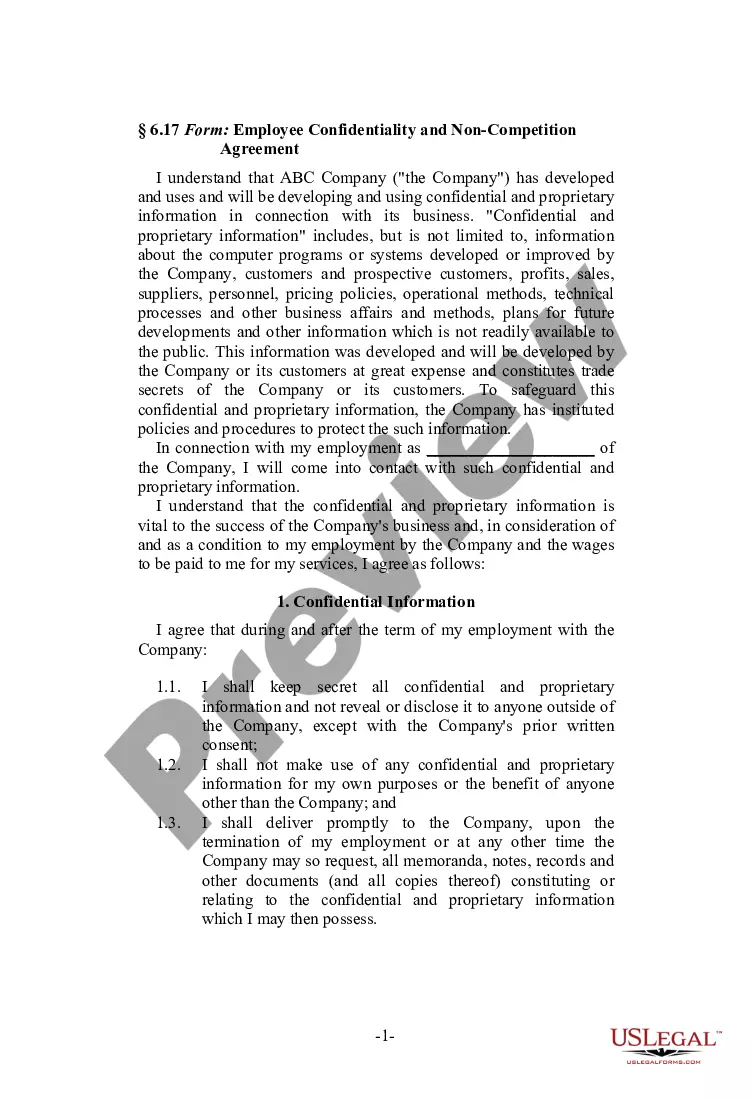
Get your form ready online
Our built-in tools help you complete, sign, share, and store your documents in one place.
Make edits, fill in missing information, and update formatting in US Legal Forms—just like you would in MS Word.
Download a copy, print it, send it by email, or mail it via USPS—whatever works best for your next step.
Sign and collect signatures with our SignNow integration. Send to multiple recipients, set reminders, and more. Go Premium to unlock E-Sign.
If this form requires notarization, complete it online through a secure video call—no need to meet a notary in person or wait for an appointment.
We protect your documents and personal data by following strict security and privacy standards.

Make edits, fill in missing information, and update formatting in US Legal Forms—just like you would in MS Word.

Download a copy, print it, send it by email, or mail it via USPS—whatever works best for your next step.

Sign and collect signatures with our SignNow integration. Send to multiple recipients, set reminders, and more. Go Premium to unlock E-Sign.

If this form requires notarization, complete it online through a secure video call—no need to meet a notary in person or wait for an appointment.

We protect your documents and personal data by following strict security and privacy standards.
Looking for another form?






Form popularity
FAQ
New York courts will only enforce them in only very rare limited situations. As explained more below, we are able to defeat most non-compete agreements by using the Legitimate Business Interests Test. A court will only enforce a non-compete agreement if the company can satisfy this test and most companies cannot do so.
A noncompete agreement has the ability to threaten your future job prospects, prohibit you from using your hard earned skills and compromise your livelihood. Fortunately, it is unlawful for an employer to enforce non-compete agreements in California.
Summary: This bill would prohibit employers from entering into non-compete agreements with employees, and it would rescind any non-compete agreements that predate the effective date of this bill. Employers would be subject to a $500 civil penalty for each violation of this bill. Ver.
As you can see, non-competes are not enforceable in California, although other states currently allow them. Instead, you can opt for a non-disclosure agreement, or hire employees who live and work in other states.
The New York State Legislature passed a bill on June 30, 2023, that, if signed into law by Governor Kathy Hochul, will prohibit almost all new non-competition agreements for workers.
A noncompete is unenforceable if it restricts an employee's ability to exercise their rights under federal law. No employer may enter into a covenant not to compete or a covenant not to solicit with any employee. Existing noncompetes are void and unenforceable, including out-of-state noncompetes.
Several factors can void or limit the enforceability of a non-compete agreement, including overly broad restrictions, unreasonable time frames or geographical limits, lack of consideration (such as compensation or job opportunities provided in exchange for the agreement), and violation of public policy.
1. No employer shall enter into, or attempt to enter into, a non-compete agreement with a worker. 2. No employer shall maintain a non-compete agreement with a worker.
If the restriction on the employee is for an unusually long period of time, there's going to be a problem. One to two years is typically reasonable, while three to five years is unlikely to be upheld by a court.