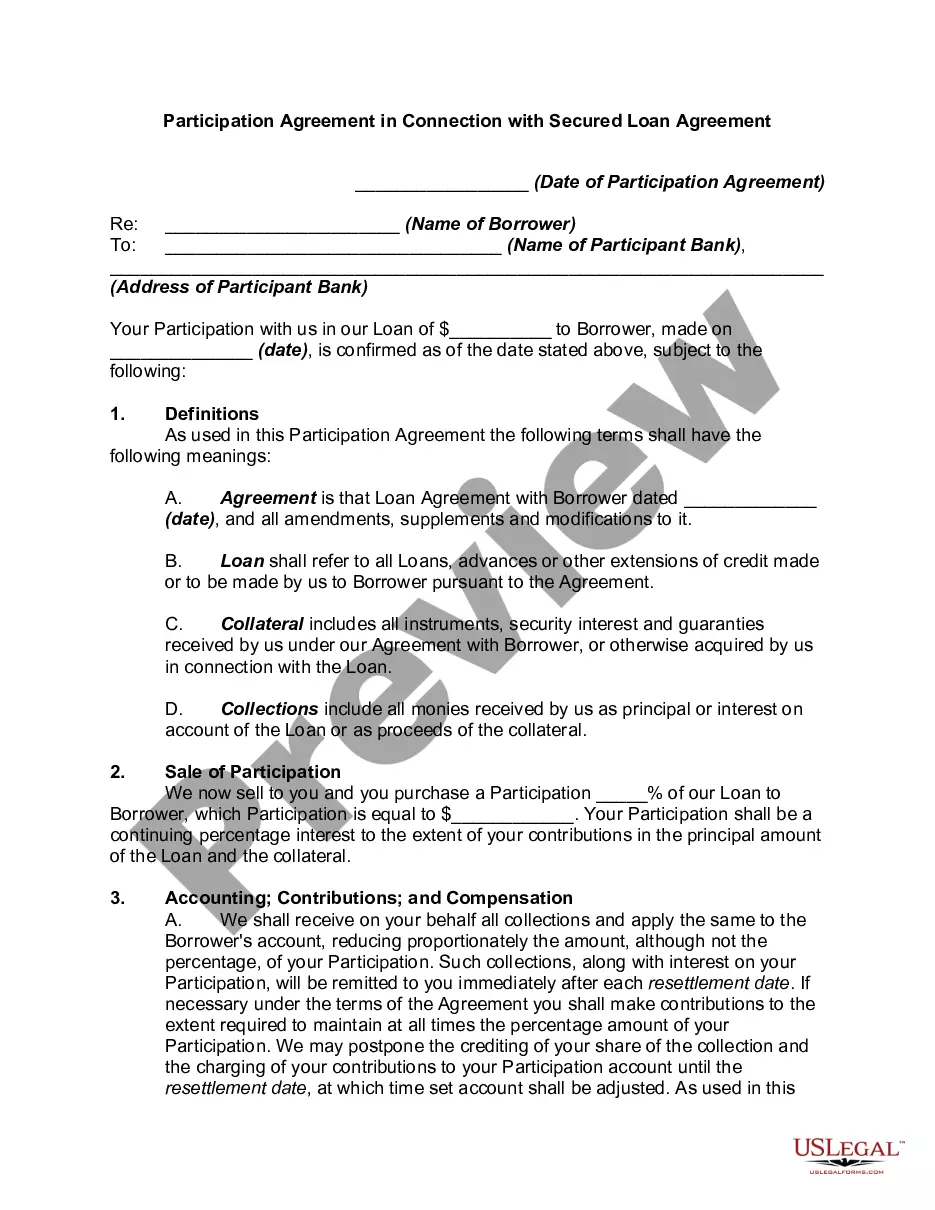
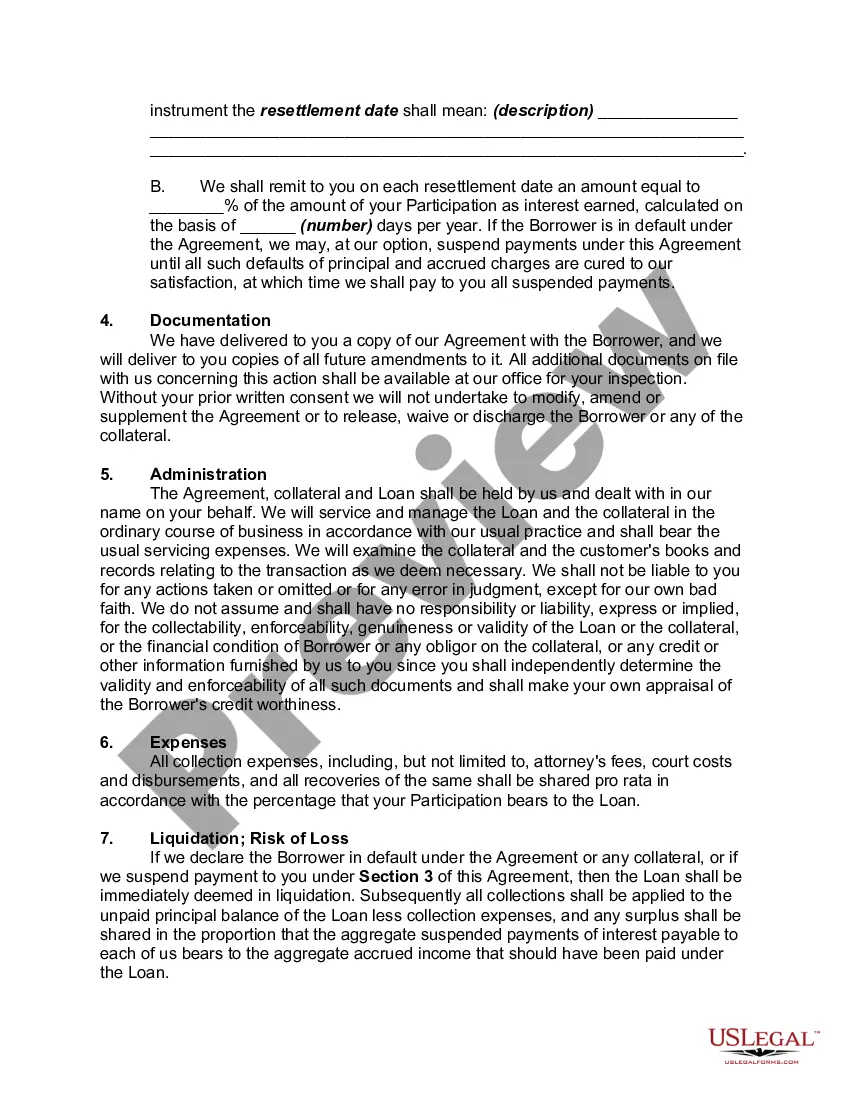
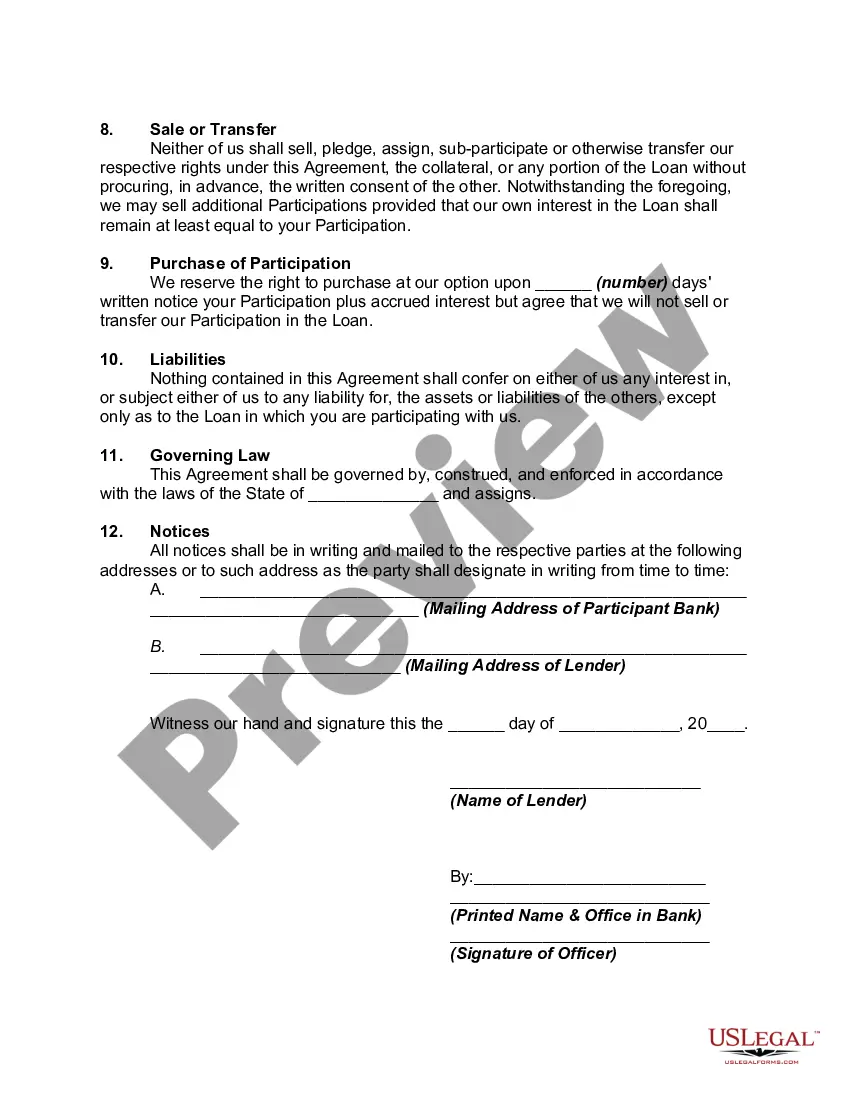
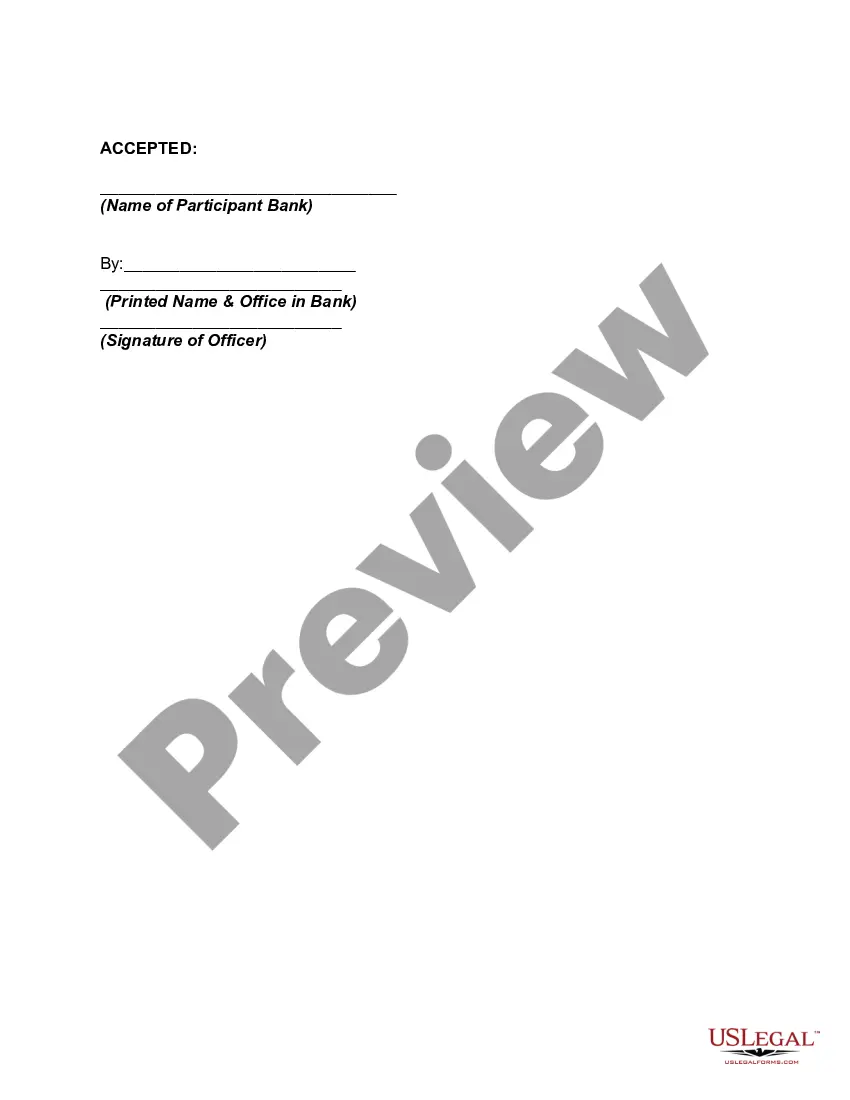
Loan Agreement Form Download With Personal Guarantee In Harris
Description
Get your form ready online
Our built-in tools help you complete, sign, share, and store your documents in one place.
Make edits, fill in missing information, and update formatting in US Legal Forms—just like you would in MS Word.
Download a copy, print it, send it by email, or mail it via USPS—whatever works best for your next step.
Sign and collect signatures with our SignNow integration. Send to multiple recipients, set reminders, and more. Go Premium to unlock E-Sign.
If this form requires notarization, complete it online through a secure video call—no need to meet a notary in person or wait for an appointment.
We protect your documents and personal data by following strict security and privacy standards.

Make edits, fill in missing information, and update formatting in US Legal Forms—just like you would in MS Word.

Download a copy, print it, send it by email, or mail it via USPS—whatever works best for your next step.

Sign and collect signatures with our SignNow integration. Send to multiple recipients, set reminders, and more. Go Premium to unlock E-Sign.

If this form requires notarization, complete it online through a secure video call—no need to meet a notary in person or wait for an appointment.

We protect your documents and personal data by following strict security and privacy standards.
Looking for another form?








Form popularity
FAQ
The term personal guarantee refers to an individual's legal promise to repay credit issued to a business for which they serve as an executive or partner. Providing a personal guarantee means that if the business becomes unable to repay the debt, the individual assumes personal responsibility for the balance.
Providing a personal guarantee means that if the business becomes unable to repay the debt, the individual assumes personal responsibility for the balance. Personal guarantees provide an extra level of protection to credit issuers who want to make sure they will be repaid.
A guarantor's form should include a space to fill in the home address, work address, phone number, and email address. The contact details are what will be used to contact the guarantor in the future if the principal fails to meet agreement terms. This is a very important feature of the guarantor's form.
Write out your qualifications as a guarantor -- your income, assets and other personal details supporting why you would be able to take responsibility should the tenant or borrower fail to do so. You can also list your accountant to testify to your financial state, as well as other character references.
Typically, a guarantor form will ask for the guarantor's name, address, contact information, and financial information (such as employment details, income, and assets). Depending on the specific form, it may also ask for references or a co-signer.
To fill out the Guarantor's form, start by providing your personal information clearly and accurately. Next, ensure that you understand the implications of being a guarantor before signing. Finally, submit the completed form along with the necessary attachments such as ID copies.
Format of a Guarantor Letter State what you will guarantee in your own words (like co-signing a lease). Explain why the guarantor letter may be needed in the first place. End the letter with a concise, detailed summary of what you're promising. Include any other information the company is requesting with your letter.
Once you have agreed to a personal guarantee, it becomes legally enforceable. However, the type of guarantee that you make can vary, and each variety has its own terms and conditions which impact the financial repercussions of your decisions.
