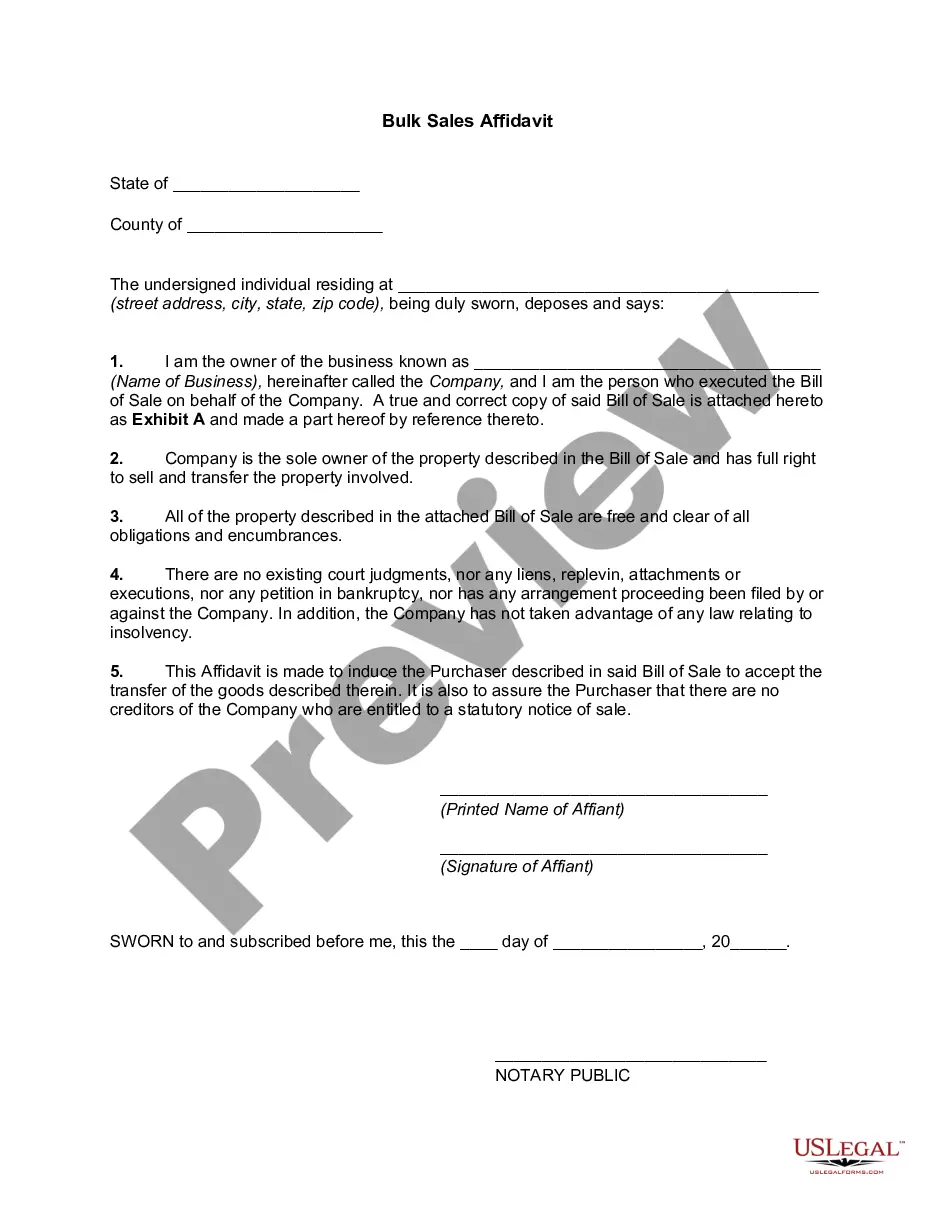
Bulk Transfer Without Consent In Travis
Description
Get your form ready online
Our built-in tools help you complete, sign, share, and store your documents in one place.
Make edits, fill in missing information, and update formatting in US Legal Forms—just like you would in MS Word.
Download a copy, print it, send it by email, or mail it via USPS—whatever works best for your next step.
Sign and collect signatures with our SignNow integration. Send to multiple recipients, set reminders, and more. Go Premium to unlock E-Sign.
If this form requires notarization, complete it online through a secure video call—no need to meet a notary in person or wait for an appointment.
We protect your documents and personal data by following strict security and privacy standards.

Make edits, fill in missing information, and update formatting in US Legal Forms—just like you would in MS Word.

Download a copy, print it, send it by email, or mail it via USPS—whatever works best for your next step.

Sign and collect signatures with our SignNow integration. Send to multiple recipients, set reminders, and more. Go Premium to unlock E-Sign.

If this form requires notarization, complete it online through a secure video call—no need to meet a notary in person or wait for an appointment.

We protect your documents and personal data by following strict security and privacy standards.
Looking for another form?







Form popularity
FAQ
While most states have repealed their bulk sales statutes, in some states across the U.S., such as California, Delaware, Illinois, New Jersey and Pennsylvania, the practice of bulk sales compliance remains alive and well.
When a restaurant owner sells all of their kitchen equipment to another restaurant owner, that would be considered a bulk sale. If a software company sells their patent rights to another company, that would also be a bulk sale.
The sale, transfer, or assignment of business assets, in whole or in part, by a person required to collect sales tax is called a bulk sale. Business assets means any assets directly related to the conduct of a business, including: tangible personal property, real property, and.
To qualify as a bulk deal, the transaction needs to account for at least 0.5% of the total shares of the company, irrespective of the value of the trade. Block deals, on the other hand, require a minimum of 5,00,000 shares, or ₹10 crores in value.
The purpose of the Bulk Sale Statute is to protect a purchaser from inheriting any tax debt from a seller of business assets. A bulk sale is the sale (or transfer or assignment) of an individual's or company's business asset/s, in whole or in part, outside of the ordinary course of business.
Added risk If you're unfamiliar with making pension investments, or aren't comfortable with taking on investment risk, transferring to a personal pension may not be for you. Should you make the wrong decisions, you could accidentally end up losing portions of your savings.
Some older pension plans have high exit charges, sometimes more than 10% of your total pension savings. The good news is that the government is set to crack down on these excessive fees though, so you might want to hold off transferring until these new caps come in.
Pensions are designed to give you an income in retirement and there are strict pension rules which need to followed, so they aren't easily transferrable like a bank account balance. This means you can't transfer your pension to another person.
Consolidating your pensions could help you take advantage of better investment options. Consolidating could mean getting rid of higher-charging plans. Your administration will be easier if you don't have to deal with multiple pension plans. It may not be worth consolidating pensions if you're on a defined benefit plan.
