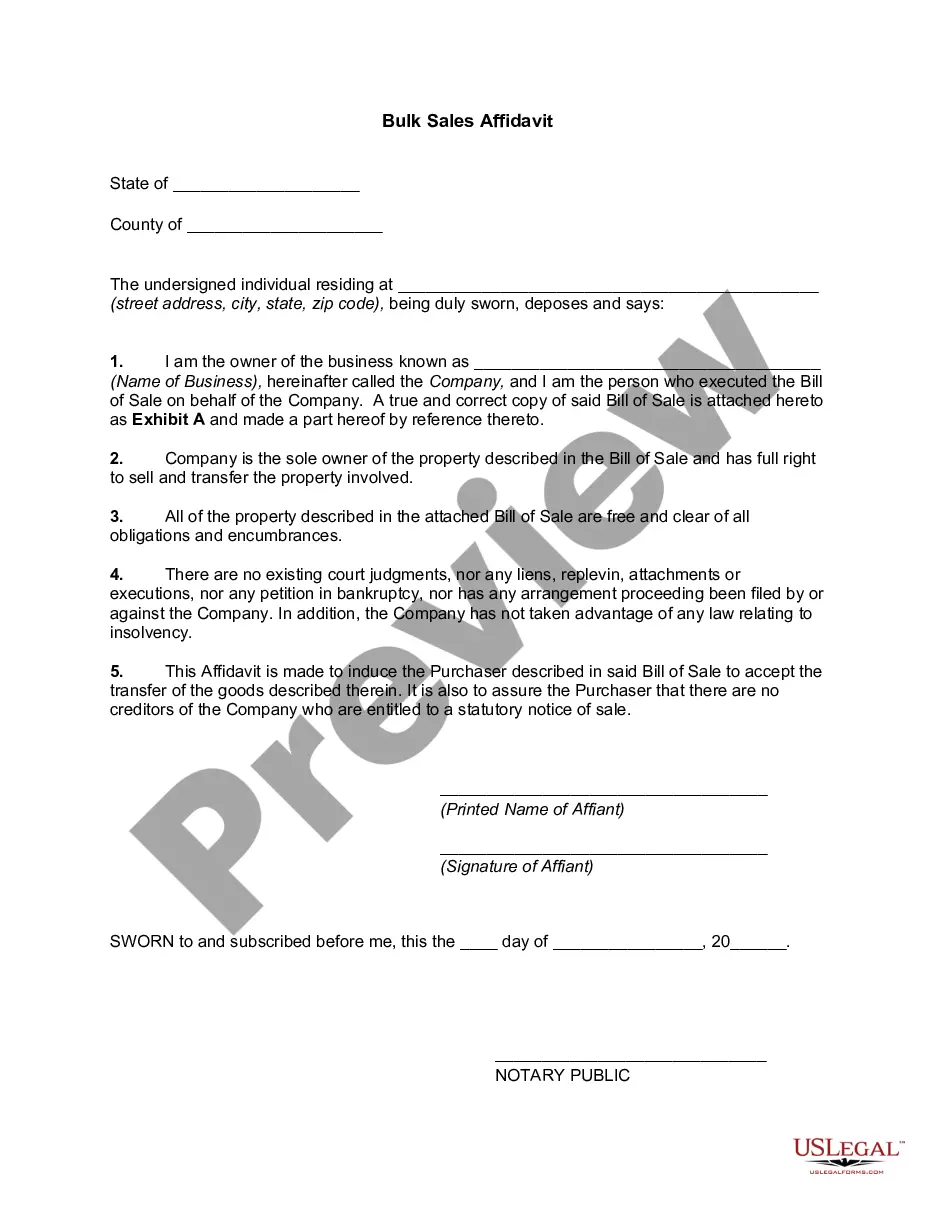
Bulk Transfer Without Consent Db In Los Angeles
Description
Get your form ready online
Our built-in tools help you complete, sign, share, and store your documents in one place.
Make edits, fill in missing information, and update formatting in US Legal Forms—just like you would in MS Word.
Download a copy, print it, send it by email, or mail it via USPS—whatever works best for your next step.
Sign and collect signatures with our SignNow integration. Send to multiple recipients, set reminders, and more. Go Premium to unlock E-Sign.
If this form requires notarization, complete it online through a secure video call—no need to meet a notary in person or wait for an appointment.
We protect your documents and personal data by following strict security and privacy standards.

Make edits, fill in missing information, and update formatting in US Legal Forms—just like you would in MS Word.

Download a copy, print it, send it by email, or mail it via USPS—whatever works best for your next step.

Sign and collect signatures with our SignNow integration. Send to multiple recipients, set reminders, and more. Go Premium to unlock E-Sign.

If this form requires notarization, complete it online through a secure video call—no need to meet a notary in person or wait for an appointment.

We protect your documents and personal data by following strict security and privacy standards.
Looking for another form?








Form popularity
FAQ
Transfers Between Related Parties Family transactions are frequently exempt, including: Transfers between co-owners. Sales or gifts to spouses or direct family members (e.g., parent to child). Transfers resulting from divorce settlements or property divisions.
The answer to the student's question is that repairs that comply with building code do not need to be disclosed on the real property transfer disclosure form, as they are standard property maintenance and meet legal requirements.
Vacant land is exempt from the transfer disclosure statement (TDS) that the California Civil Code requires for sales of residential property. However, the seller is still required to disclose any and all known facts that materially affect the value or desirability of the property.
Transfers Between Related Parties Family transactions are frequently exempt, including: Transfers between co-owners. Sales or gifts to spouses or direct family members (e.g., parent to child). Transfers resulting from divorce settlements or property divisions.
This also applies to the realtor, broker, or any other agent working for the seller to sell the home. Different types of sales, however, may have varying disclosure requirements. Generally speaking, trustee's sales, probate sales, and foreclosures sales are exempt from the California statutory disclosure requirements.
§1102.3) 2. . The (TDS) describes the condition of a property and, in the case of a sale, must be given to a prospective buyer as soon as practicable and before transfer of title.
When a restaurant owner sells all of their kitchen equipment to another restaurant owner, that would be considered a bulk sale. If a software company sells their patent rights to another company, that would also be a bulk sale.
If the Buyer fails to comply with these terms, the sale proceeds as usual, but they assume responsibility for liability payments equal to the difference between the creditor's owed debts and the amount the creditor may have obtained if the Buyer complied with California Bulk Sale Law.
The key elements of a “Bulk Sale” are: any sale outside the ordinary course of the Seller's business. of more than half the Seller's inventory and equipment. as measured by the fair market value on the date of the Bulk Sale Agreement (“Agreement”).
While most states have repealed their bulk sales statutes, in some states across the U.S., such as California, Delaware, Illinois, New Jersey and Pennsylvania, the practice of bulk sales compliance remains alive and well.
