Sample Letter With Re In Wayne
Description

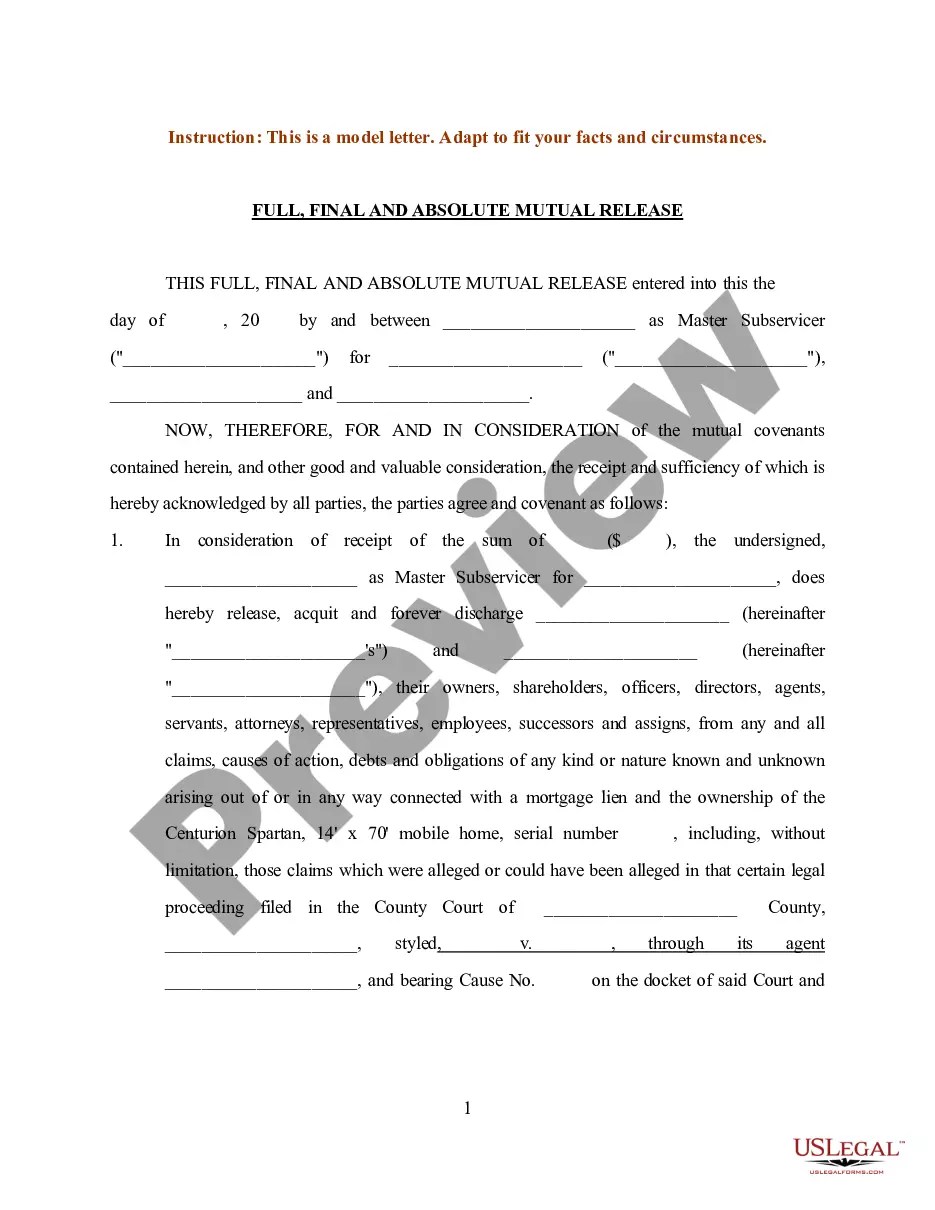
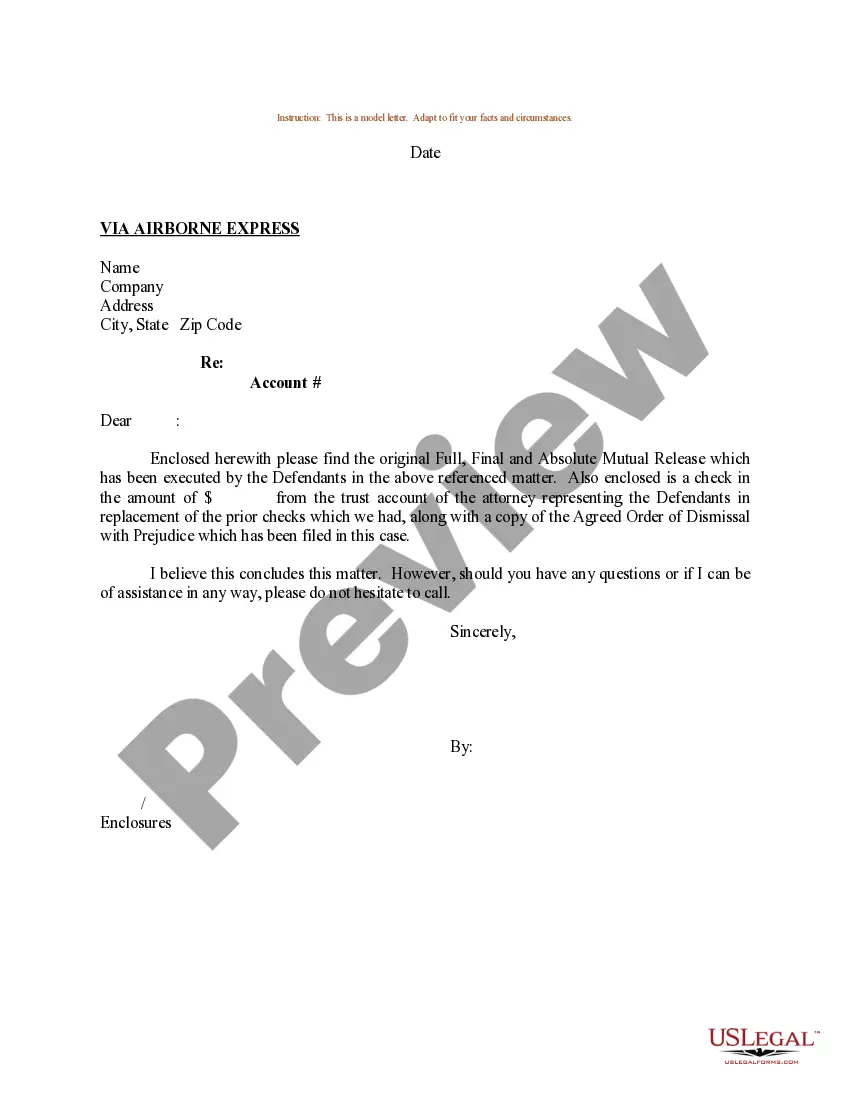
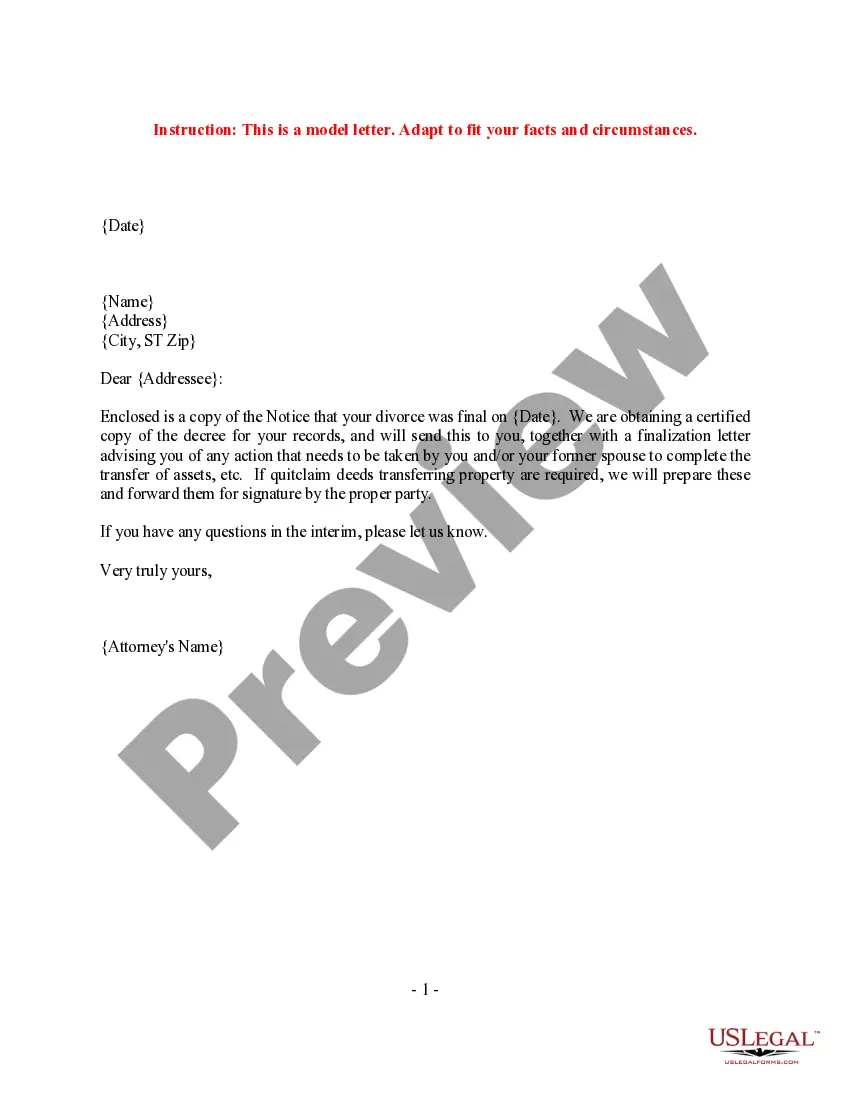
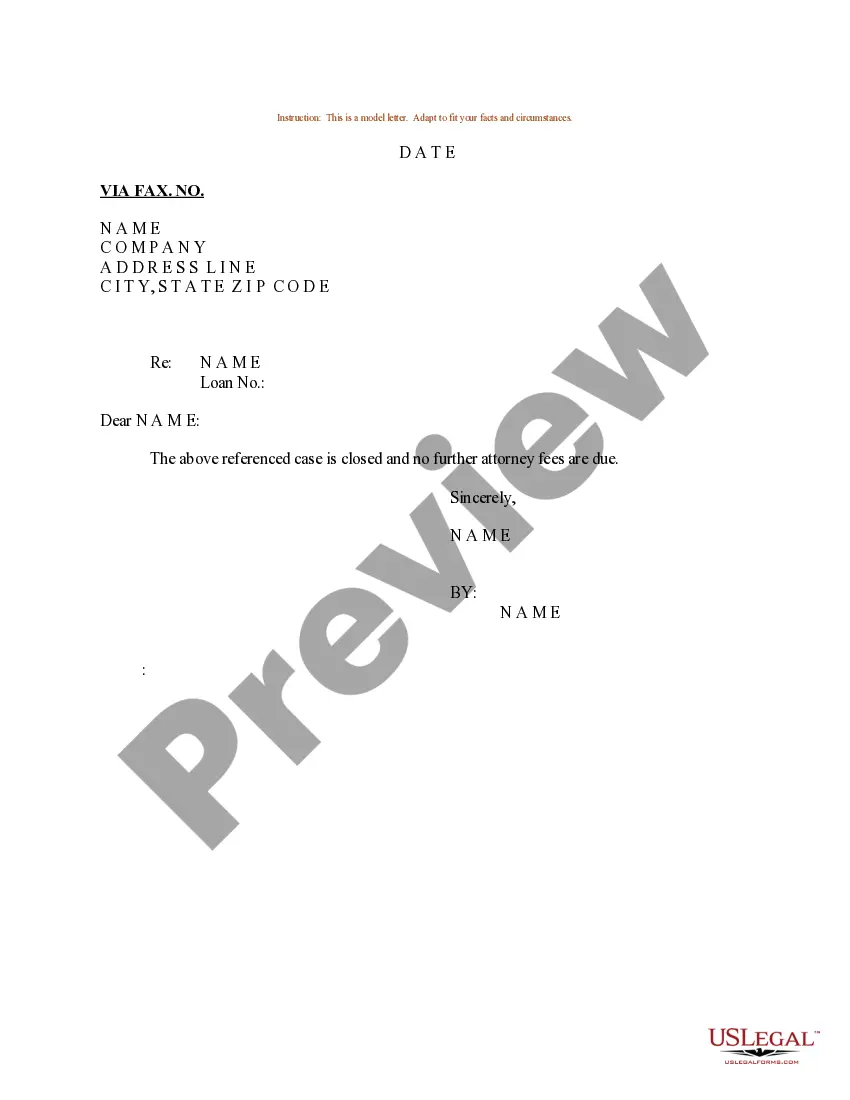
Get your form ready online
Our built-in tools help you complete, sign, share, and store your documents in one place.
Make edits, fill in missing information, and update formatting in US Legal Forms—just like you would in MS Word.
Download a copy, print it, send it by email, or mail it via USPS—whatever works best for your next step.
Sign and collect signatures with our SignNow integration. Send to multiple recipients, set reminders, and more. Go Premium to unlock E-Sign.
If this form requires notarization, complete it online through a secure video call—no need to meet a notary in person or wait for an appointment.
We protect your documents and personal data by following strict security and privacy standards.

Make edits, fill in missing information, and update formatting in US Legal Forms—just like you would in MS Word.

Download a copy, print it, send it by email, or mail it via USPS—whatever works best for your next step.

Sign and collect signatures with our SignNow integration. Send to multiple recipients, set reminders, and more. Go Premium to unlock E-Sign.

If this form requires notarization, complete it online through a secure video call—no need to meet a notary in person or wait for an appointment.

We protect your documents and personal data by following strict security and privacy standards.
Looking for another form?


Form popularity
FAQ
It is highly recommended that you use a “Re:” heading to clearly indicate the purpose of the letter. The Re: line may include topics such as the job title, competition number or position inquiry. This is information that quickly provides the reader with a clear indication of the letter's purpose.
How to Write a Re-Designation Letter: Step-to-Step Process! Format & Salutation: Introduction & Purpose: State the Reasons: Show Understanding & Flexibility: Suggest Alternative Solutions: Request Meeting: Express Gratitude: Proofread & Edit:
You use re in documents such as business letters, e-mails, faxes and memos to introduce a subject or item which you are going to discuss or refer to in detail. Dear Mrs. Cox, Re: Homeowners Insurance. We note from our files that we have not yet received your renewal instructions.
Repeating information from your resume. Using the wrong tone or style. Failing to include a strong call-to-action in your closing. Forgetting to proofread before submitting your cover letter.
'Re:' in a cover letter is an abbreviation of the word 'regarding' in a subject line that lets the employer know the purpose of your letter (e.g., what job you're applying for).
The subject line is included between the greeting and the body, it is one line summarising the purpose of the letter. The subject line should be in bold at start with “RE:” (for regarding). For example, “RE: Application for position”.
If you've wondered 'what does “re:” mean on fax cover sheets,' it's short for ”with regard to” or 'regarding'. Like an email, providing a specific subject line helps the recipient understand what the message is about.
When written messages were commonly delivered on paper, the term re stood for "regarding" or "in reference to." It was used at the top of a formal letter, followed by the subject of the letter. Re isn't an abbreviation. Rather, it's taken from the Latin in re, which means "in the matter of."
Application. Medical College Admissions Test (MCAT) scores. A written statement describing your demonstrated interest in both basic research and clinical medicine, as well as interest in our program. Three letters of recommendation to the program, focusing on your dual research and clinical interests when possible.
The introduction, which first and foremost includes your statement of recommendation (i.e. “it is my pleasure to recommend…”). It is common to also briefly state who you are and what your expertise is. The overview, or a description of the applicant's top skills, attributes, and strengths.

