Sample Letter For Irs In Washington
Description

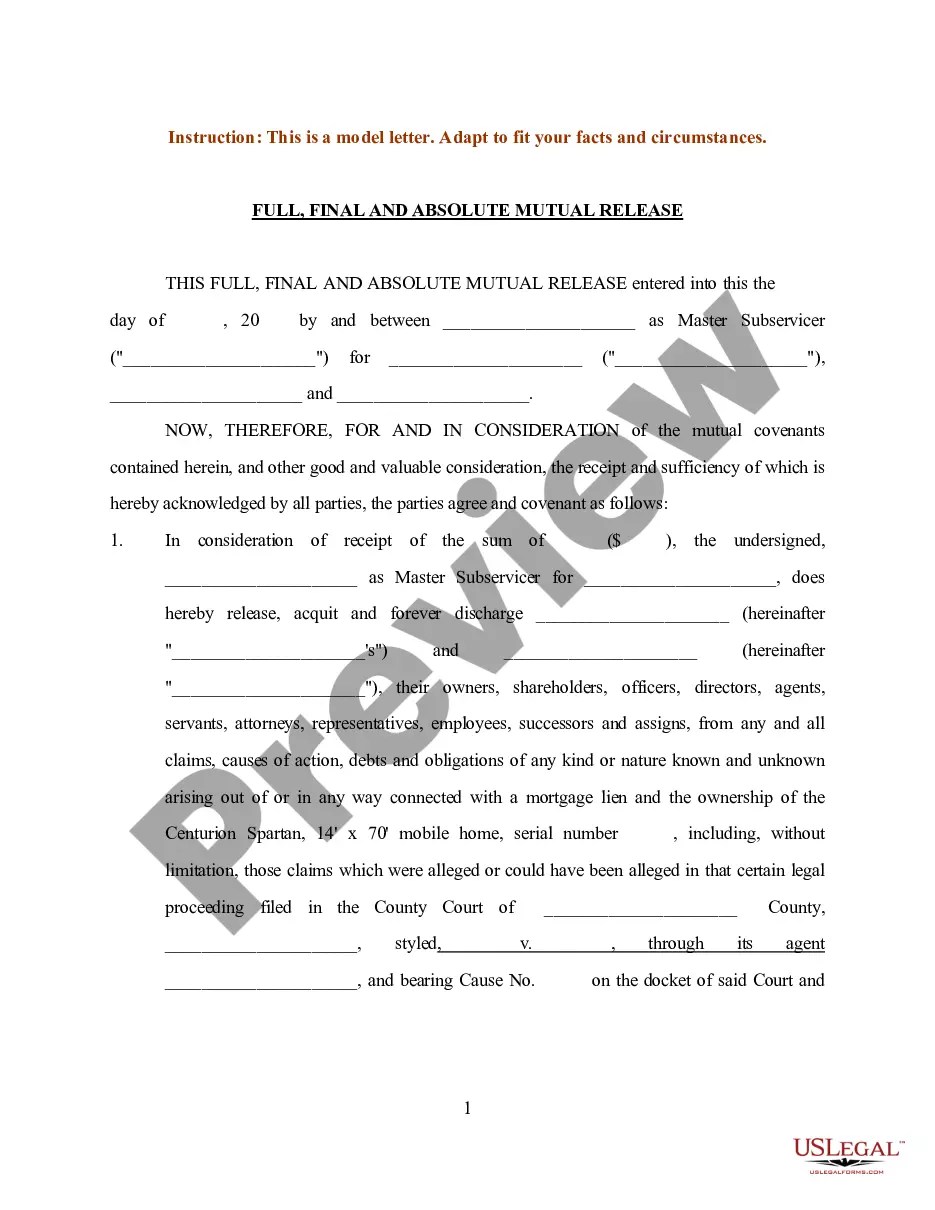
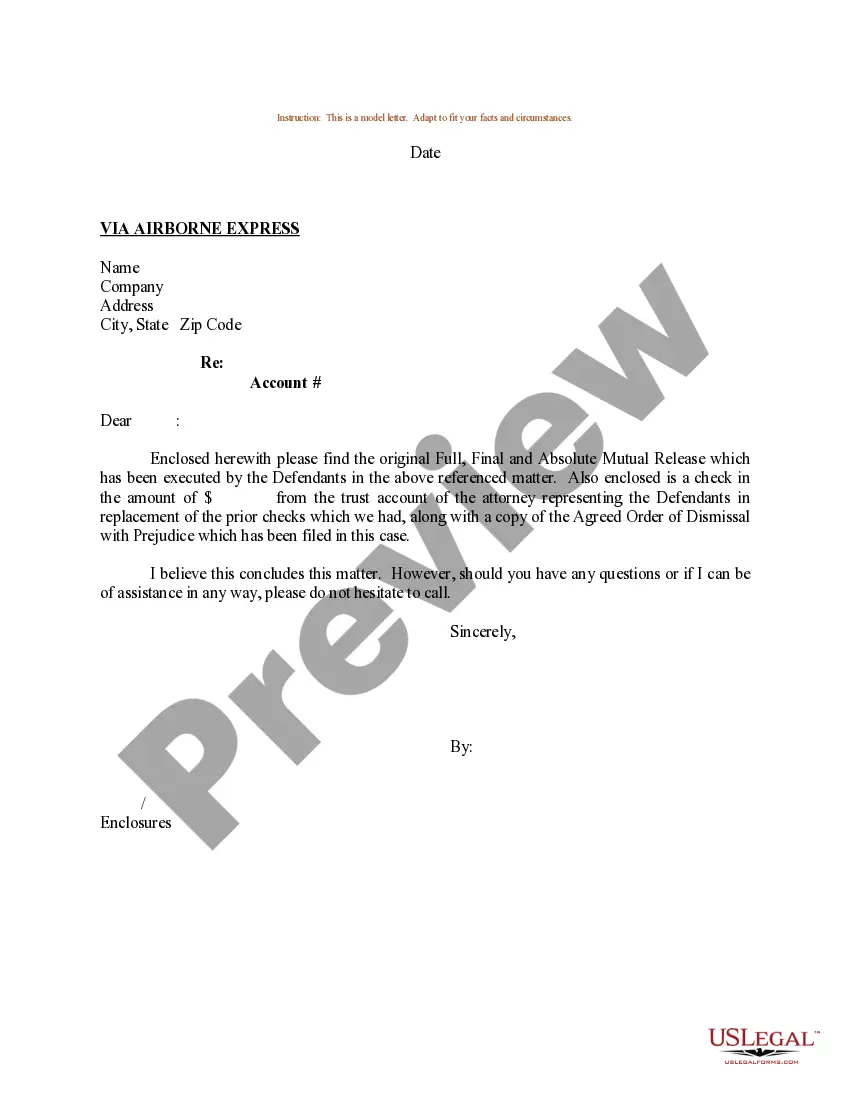
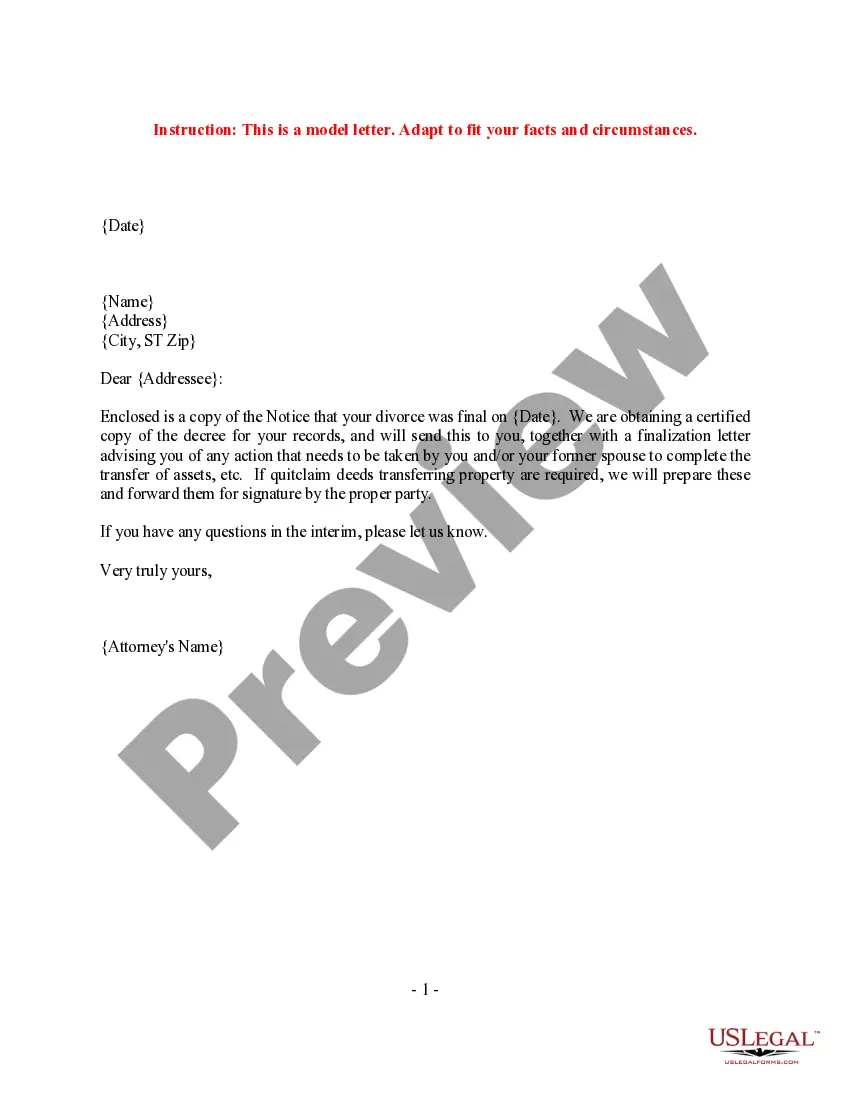
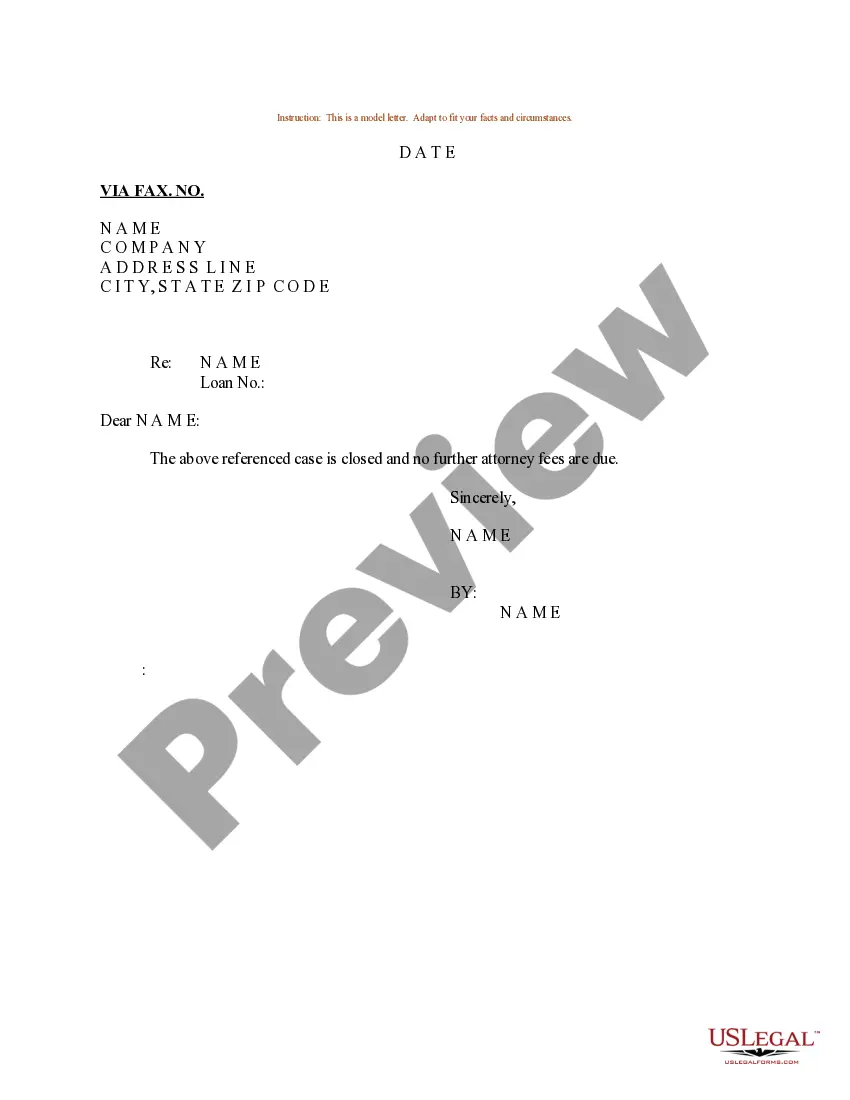
Get your form ready online
Our built-in tools help you complete, sign, share, and store your documents in one place.
Make edits, fill in missing information, and update formatting in US Legal Forms—just like you would in MS Word.
Download a copy, print it, send it by email, or mail it via USPS—whatever works best for your next step.
Sign and collect signatures with our SignNow integration. Send to multiple recipients, set reminders, and more. Go Premium to unlock E-Sign.
If this form requires notarization, complete it online through a secure video call—no need to meet a notary in person or wait for an appointment.
We protect your documents and personal data by following strict security and privacy standards.

Make edits, fill in missing information, and update formatting in US Legal Forms—just like you would in MS Word.

Download a copy, print it, send it by email, or mail it via USPS—whatever works best for your next step.

Sign and collect signatures with our SignNow integration. Send to multiple recipients, set reminders, and more. Go Premium to unlock E-Sign.

If this form requires notarization, complete it online through a secure video call—no need to meet a notary in person or wait for an appointment.

We protect your documents and personal data by following strict security and privacy standards.
Looking for another form?



Form popularity
FAQ
Format the address correctly: Write the full name of the IRS center to which you're sending your documents. For example, you might write "Internal Revenue Service." On the next line, write the specific address for the IRS center. This could include a P.O. Box, street address, or other details.
3. Structure Your Letter Properly Your name, address, and contact information. A statement expressing your desire to appeal the IRS's findings. The tax period(s) in question. A list of the items you disagree with and why. Facts supporting your position. Any relevant law or authority supporting your case.
If you must file a paper tax return, consider sending it by certified mail, with a return receipt. This will be your proof of the date you mailed your tax return and when the IRS received it. You may also use certain private delivery services designated by the IRS.
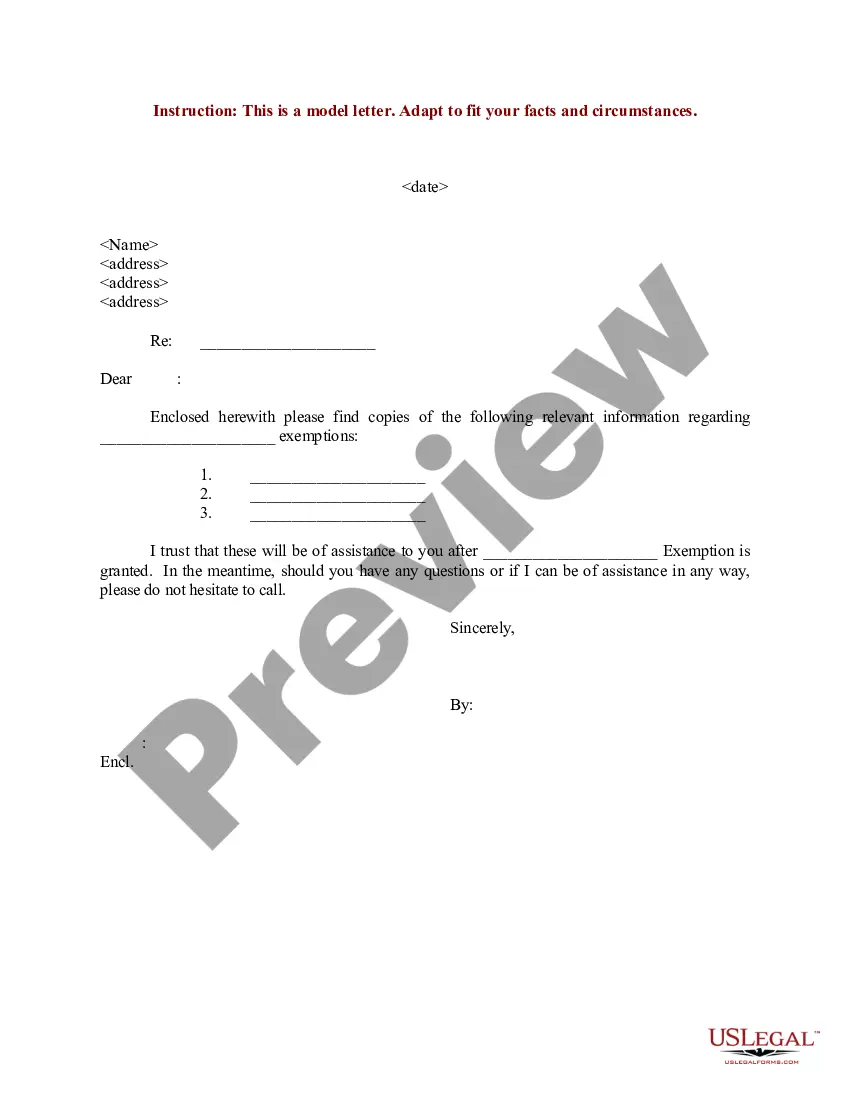
Format your letter. The IRS address (see your IRS notice) Your name and address. The date. A salutation, such as “To Whom It May Concern”
When requesting abatement of penalties for reasonable cause, your statement should include supporting documentation and address the following items: The reason the penalty was charged. The daily delinquency penalty may be charged for either a late filed return, an incomplete return, or both.
Step 1) Use the Department of the Treasury in the Full Name field. Use the Internal Revenue Service for the Delivery Address / PO Box field. Step 2) Important: Turn OFF address verification. Note: the fields that are mandatory are shown with RED and are required.
The letter's formatting and language should be professional, with no typos, grammatical errors, or strange fonts. It should address you by name and refer to details specific to your tax situation, such as your Social Security number and tax years. IRS scammers won't have access to this kind of information.
The letter should be clearly written, professionally formatted, and include your contact information, tax identification number, and relevant tax year or notice number.
IRS Penalty Abatement Request Letter State the type of penalty you want removed. Include an explanation of the events and specific facts and circumstances of your situation, and explain how these events were outside of your control. Attach documents that will prove your case.

