Sample Letter For Irs In San Jose
Description

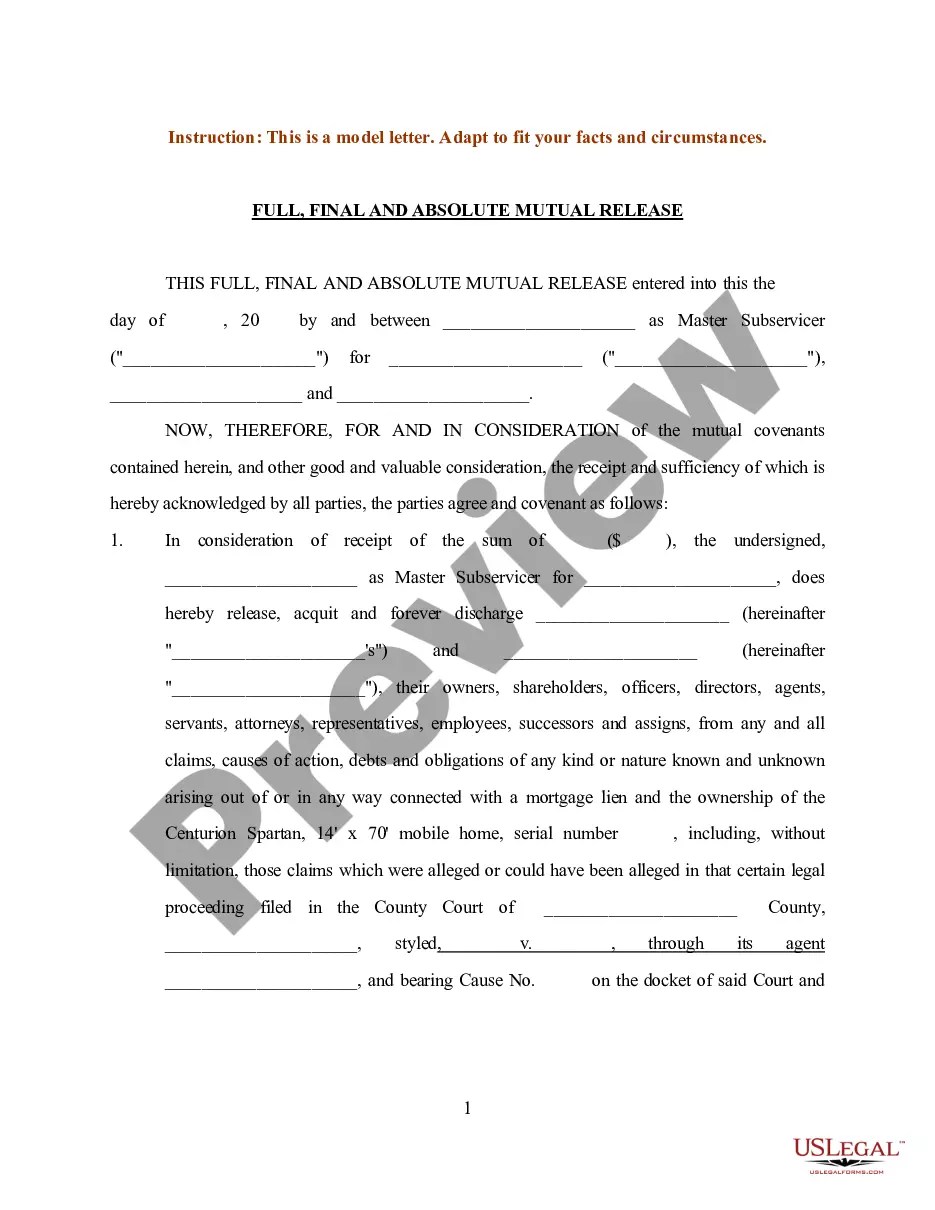
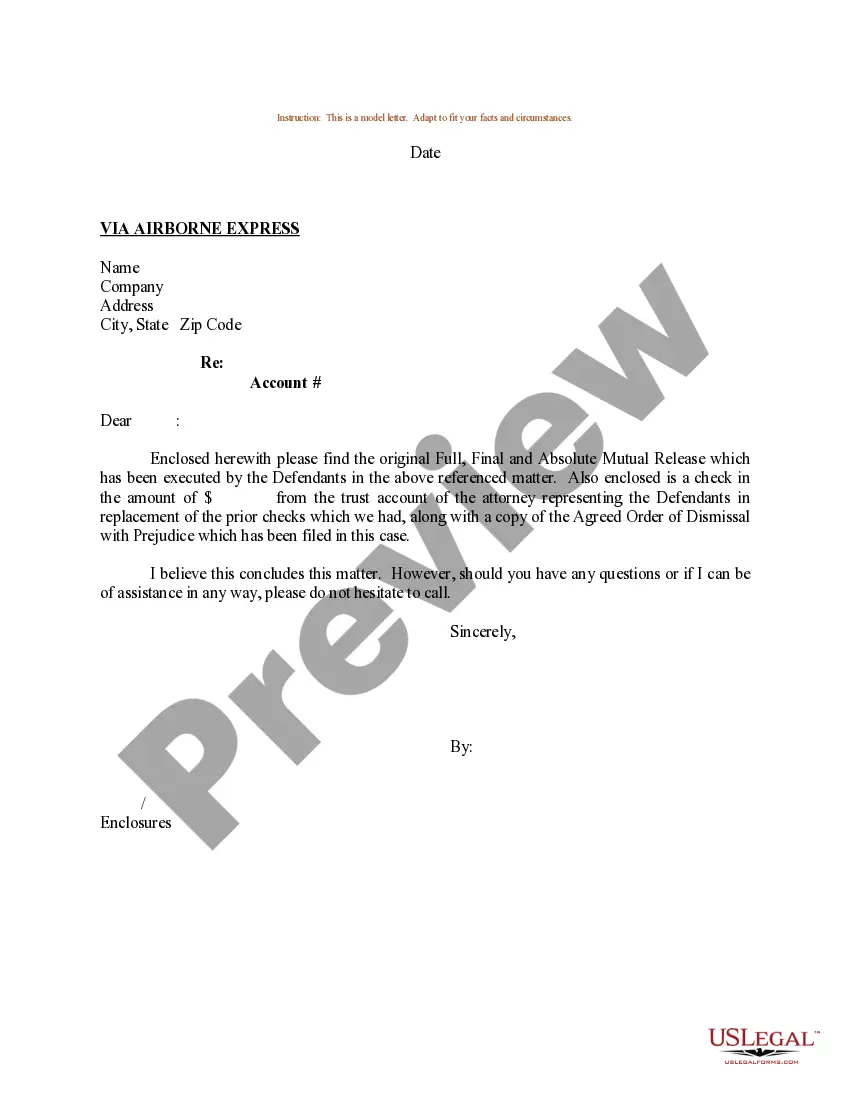
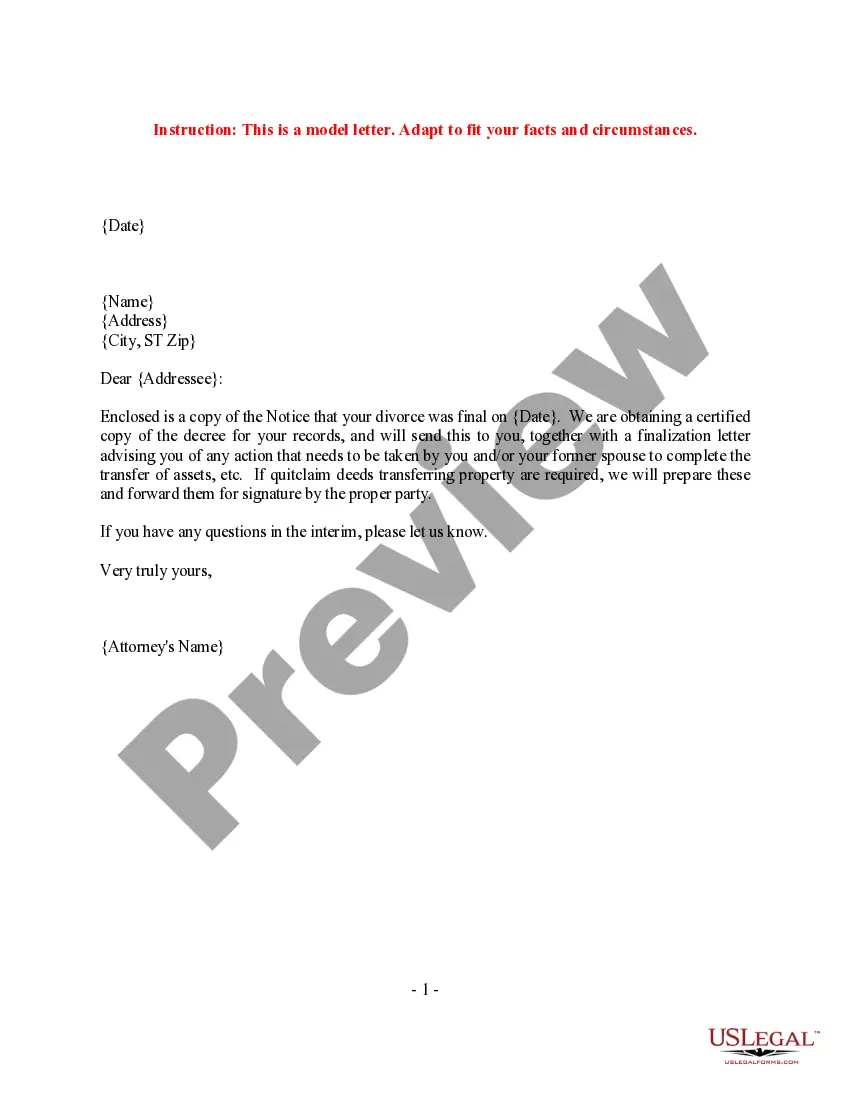
Get your form ready online
Our built-in tools help you complete, sign, share, and store your documents in one place.
Make edits, fill in missing information, and update formatting in US Legal Forms—just like you would in MS Word.
Download a copy, print it, send it by email, or mail it via USPS—whatever works best for your next step.
Sign and collect signatures with our SignNow integration. Send to multiple recipients, set reminders, and more. Go Premium to unlock E-Sign.
If this form requires notarization, complete it online through a secure video call—no need to meet a notary in person or wait for an appointment.
We protect your documents and personal data by following strict security and privacy standards.

Make edits, fill in missing information, and update formatting in US Legal Forms—just like you would in MS Word.

Download a copy, print it, send it by email, or mail it via USPS—whatever works best for your next step.

Sign and collect signatures with our SignNow integration. Send to multiple recipients, set reminders, and more. Go Premium to unlock E-Sign.

If this form requires notarization, complete it online through a secure video call—no need to meet a notary in person or wait for an appointment.

We protect your documents and personal data by following strict security and privacy standards.
Looking for another form?






Form popularity
FAQ
Write to explain why you disagree and include any documents and information you wish the IRS to consider, along with the bottom tear-off portion of the notice. Mail the information to the IRS address shown in the lower left part of the notice. Allow at least 30 days for a response.
Include a copy of the notice you received from the IRS. If you are responding to a notice the IRS sent to you, copy the notice and include it with your reply. Let them know in the first paragraph what date they sent you a letter and what it was about. This paragraph can be a single sentence.
Consider Certified Mail: For added security and proof of delivery, you may choose to send your mailpiece via certified mail with the return receipt requested. This provides confirmation that the IRS received your documents.
In your formal protest, include a statement that you want to appeal the changes proposed by the IRS and include all of the following: ∎ Your name, address, and a daytime telephone number. ∎ List of all disputed issues, tax periods or years involved, proposed changes, and reasons you disagree with each issue.
3. Structure Your Letter Properly Your name, address, and contact information. A statement expressing your desire to appeal the IRS's findings. The tax period(s) in question. A list of the items you disagree with and why. Facts supporting your position. Any relevant law or authority supporting your case.
Your audit reconsideration letter should: Say that it is an audit reconsideration request. Identify the taxpayer, the tax period(s), the type of tax (such as income tax), and, if available, the name and contact information for the IRS auditor who previously worked the case. Explain the circumstances for the audit,
When requesting abatement of penalties for reasonable cause, your statement should include supporting documentation and address the following items: The reason the penalty was charged. The daily delinquency penalty may be charged for either a late filed return, an incomplete return, or both.
So, your explanation letter to IRS should include the following writing items: Name, address, and contact information of the taxpayer. An explanation expressing your desire to appeal the IRS conclusions. The tax period. A list of the points you disagree with and your explanations. Facts supporting your position.
You can find digital copies of most IRS notices in your online account, under the 'Notices and Letters' section.

