Carta Cliente Withdrawn In Sacramento
Description

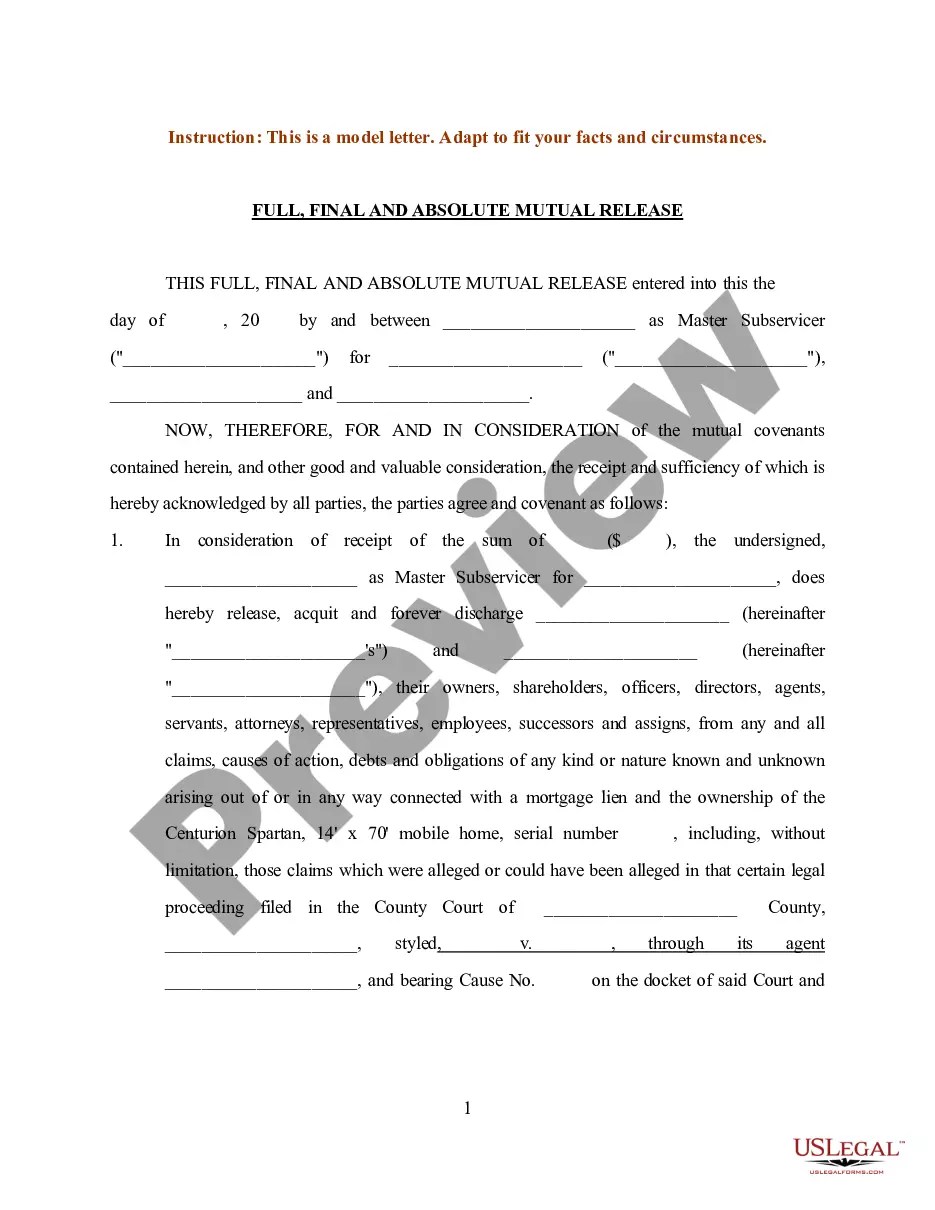
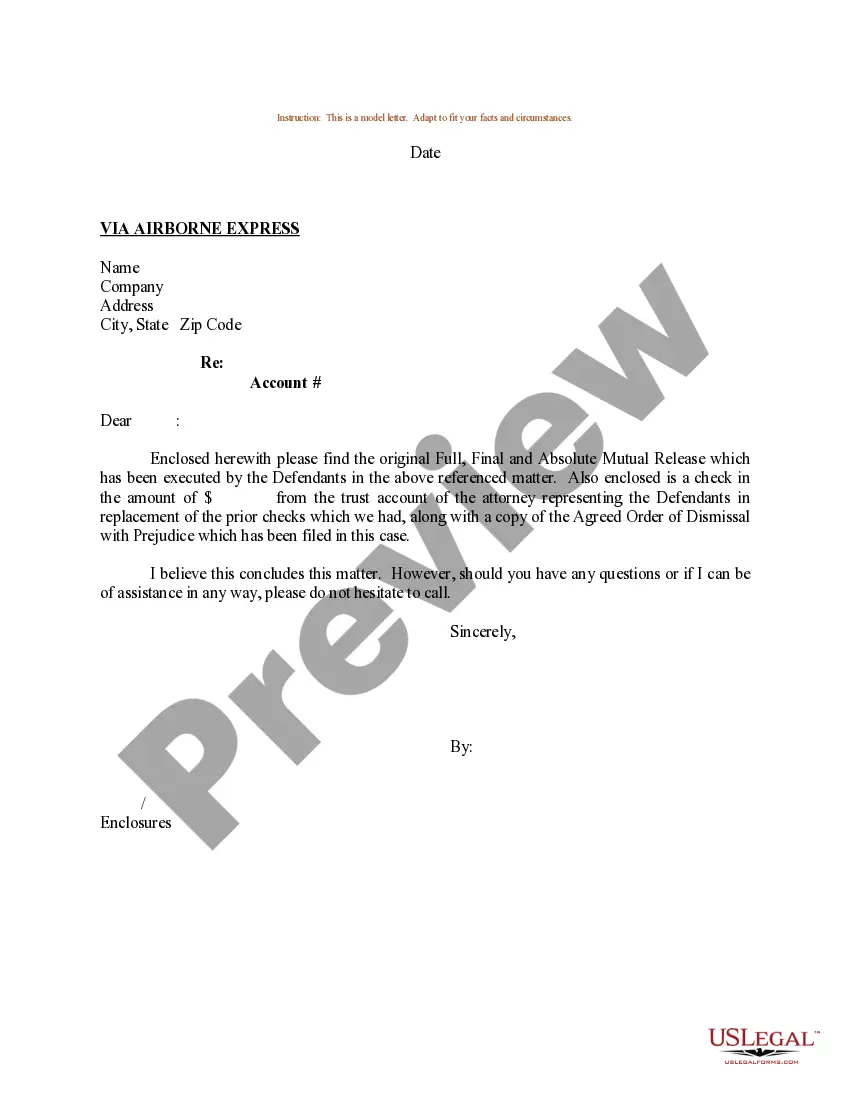
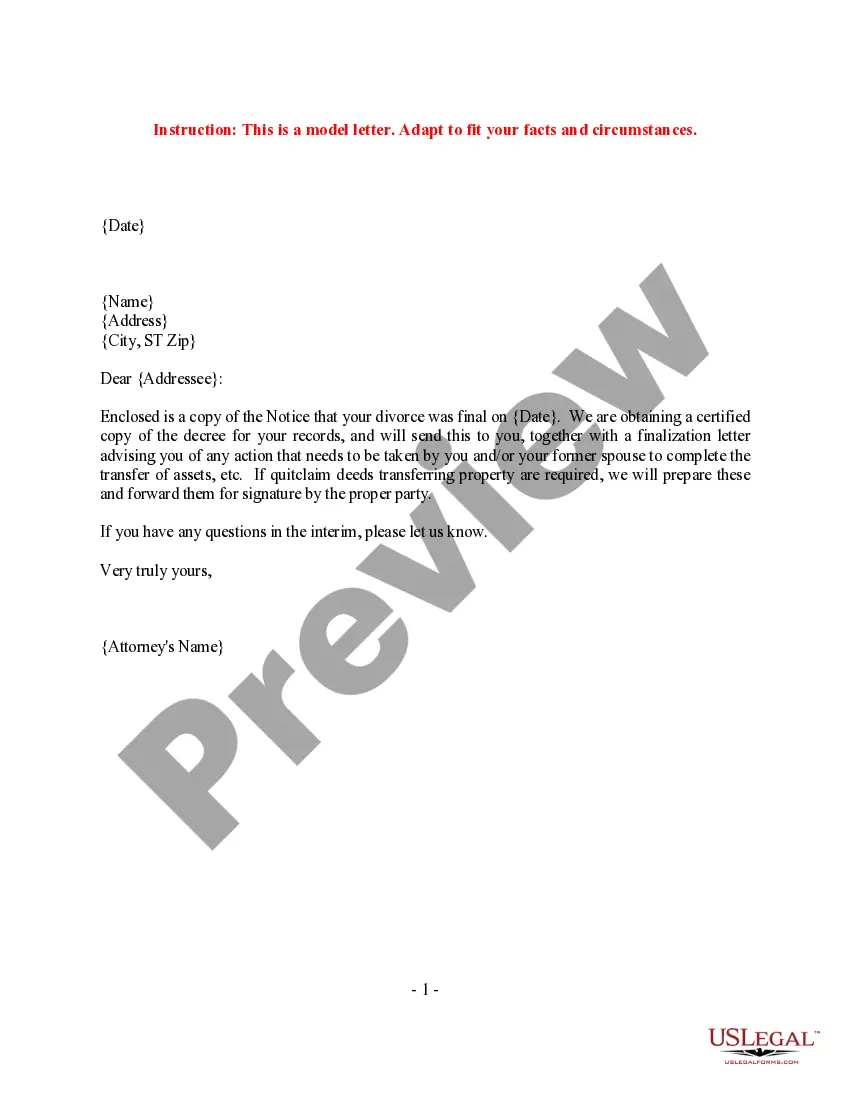
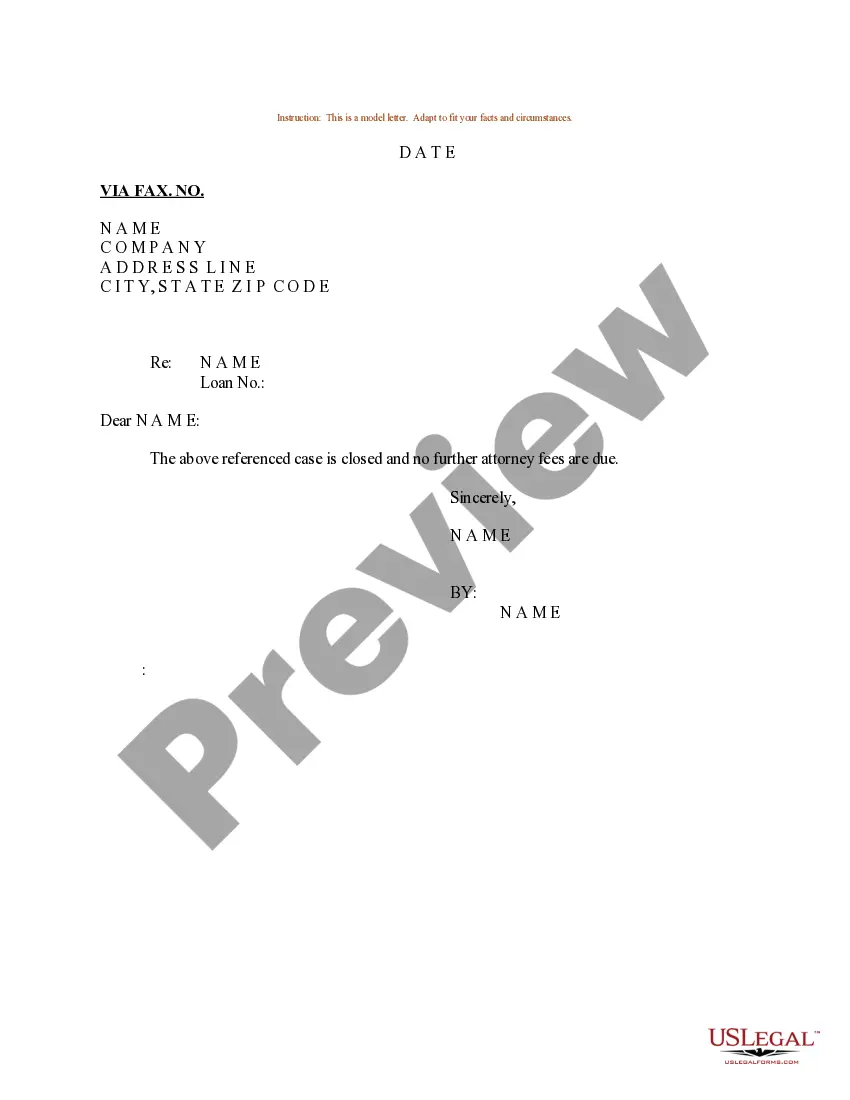
Get your form ready online
Our built-in tools help you complete, sign, share, and store your documents in one place.
Make edits, fill in missing information, and update formatting in US Legal Forms—just like you would in MS Word.
Download a copy, print it, send it by email, or mail it via USPS—whatever works best for your next step.
Sign and collect signatures with our SignNow integration. Send to multiple recipients, set reminders, and more. Go Premium to unlock E-Sign.
If this form requires notarization, complete it online through a secure video call—no need to meet a notary in person or wait for an appointment.
We protect your documents and personal data by following strict security and privacy standards.

Make edits, fill in missing information, and update formatting in US Legal Forms—just like you would in MS Word.

Download a copy, print it, send it by email, or mail it via USPS—whatever works best for your next step.

Sign and collect signatures with our SignNow integration. Send to multiple recipients, set reminders, and more. Go Premium to unlock E-Sign.

If this form requires notarization, complete it online through a secure video call—no need to meet a notary in person or wait for an appointment.

We protect your documents and personal data by following strict security and privacy standards.
Looking for another form?







Form popularity
FAQ
How do I stop my CalFresh benefits and close my account? Call (877) 699-6868 or. Visit an Economic Assistance office or. Mail a signed request to: County of Sonoma Human Services Department, P.O. Box 1539, Santa Rosa, CA 95402.
(1) An attorney may request withdrawal by filing a motion to withdraw. Unless the court orders otherwise, the motion need be served only on the party represented and the attorneys directly affected. (2) The proof of service need not include the address of the party represented.
Withdrawal is mandatory, or representation must be declined if: The representation will result in violation of the rules of professional responsibility or other law; The lawyer's physical or mental condition materially impairs the lawyer's ability to represent the client; or, The lawyer is discharged by the client.
A form disengagement letter (also known as a withdrawal letter or a termination of engagement letter) sent by an attorney or law firm to a client when withdrawing from representation in a litigation matter. This Standard Document has integrated notes with important explanations and drafting tips.
How to fill out the Request for Dismissal Under California Family Code? Start by entering your contact information. Indicate the case number and names of the parties involved. Select the type of dismissal you are requesting. Sign and date the form at the designated areas. Submit the completed form to the court clerk.
What is a letter of withdrawal? A letter of withdrawal is what you'd provide to an employer with who you are in the hiring process, but have decided not to move forward working for because of any number of reasons.
Even if the matter is not pending before a tribunal, the ethics rules of most states provide that a lawyer cannot withdraw until he or she has taken reasonable steps to avoid foreseeable prejudice to the rights of his client, such as giving notice to the client, allowing time for employment of other counsel, delivering ...
Pursuant to Local Rule 2.35, except by order of the court, following a showing of good cause, all ex parte applications presented to the court seeking to set a matter on shortened time must provide for a briefing schedule that (1) allows for opposition papers to be filed and served no less than five court days prior to ...
Consensual withdrawal Where your client consents to your withdrawal, have them sign a Substitution of Attorney (in California it's Judicial Council Form MC-050). File and serve the signed Substitution on all parties to the action and you are out of the case.
Trial courts are also called "superior courts." In the trial or superior court, a judge, and sometimes a jury, hears testimony and evidence and decides a case by applying the law to the facts of the case. Superior courts handle: All civil cases (family law, probate, juvenile, and other civil cases);

